
|PIC1|The growing prominence of the global South, the impact of globalisation, and increasing religious diversity. These factors and others are contributing to a "rapidly changing ecclesial context", one that World Council of Churches General Secretary Rev Dr Samuel Kobia addressed in his comprehensive report to the Central Committee on Thursday.
"The WCC will only continue to function as a privileged instrument of the wider ecumenical movement if ... openness to change is shown, and concrete steps for greater clarity of roles and improved cooperation between different actors in the ecumenical movement are taken," Kobia said.
Amid that changing landscape, Kobia - who is undergoing evaluation by the Executive Committee and Central Committee this week as his contract is up for renewal - said the WCC stood amid a number of tensions in its present and future.
It must deepen the fellowship of existing member churches while at the same time reaching out to broaden the ecumenical movement. Calls for the WCC to do more come as its governing bodies are urging it to focus more narrowly and make the most of its resources. At the same time, differing understandings of biblical truth are testing the bonds of Christian unity.
Through all of these cultural and ecclesiological shifts, Kobia said balance is required "between achievements of the past and the tasks of the future".
He named three recent developments illustrating the blessings and challenges of the road forward: the Global Christian Forum held last year in Kenya, the pending merger of ACT Development and ACT International into ACT Alliance, and the dialogue around expanding the involvement in and scope of the next WCC Assembly.
Each represents core elements of the WCC - Kobia referred to unity, common witness, and service as the "three building blocks of the WCC's DNA" - while also extending the ecumenical circle to include a broader involvement. The Global Christian Forum, in particular, drew evangelical and Pentecostal groups into the discussion of common issues.
Some, he said, have expressed fears that the WCC's identity could be diluted by such broader involvement. Kobia said, however, that the current global landscape necessitates change, despite the risk that entails.
He also emphasised that WCC member churches themselves must take greater ownership of the ecumenical movement and, specifically, of the WCC's programmes. "Lack of ownership by the member churches has been the decisive weakness of the WCC and the other ecumenical organisations," he said. Such ownership, he added, is the key to coherence and identity.
Elsewhere in the report, Kobia defended his extensive travels over the past year and a half, which had drawn criticism from a few members. He said it is the most effective way to maintain contact with the churches and to offer support.
Numerous speakers after the report offered their affirmation. "A face-to-face encounter is what our churches need," said Rev Dr Ofelia Ortega Suàrez of the Presbyterian-Reformed Church in Cuba. Ms Carmencita Karagdag of the Philippine Independent Church said Kobia's visit to her country was "a source of encouragement".
Kobia concluded with an overview of programmatic activities, acknowledging the "serious challenges" and difficulties that have come with the transition since the last Assembly, but also rejoicing in the achievements and fresh initiatives of the emerging new structure. The WCC's programme work, he said, has "begun sailing in more peaceful and calmer waters".




-

The dire American political situation: a brief overview for faithful Christians in Britain
-

Conversion therapy ban supporters want prayer to be criminalised - this must not be allowed
-

Why the US election results do not bode well for America
-

Police appeal for witnesses after head smashed off Jesus statue at church war memorial
-

Are we seeing the end of Western civilisation?
-

Archaeologists may have discovered identity of mystery skeleton in Westminster Abbey
Most Popular
News
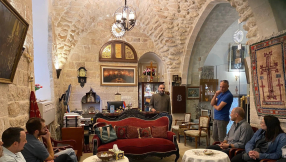
‘Major achievement’ hailed as Israeli officials step in to stop anti-Christian harassment
Harassment against Christian is sometimes justified by appeals to the Jewish religion.

What do Christian young women and men need to know about the opposite sex and themselves?
The first thing that Christian young women and men need to know is that the Bible is the operating manual for humans.
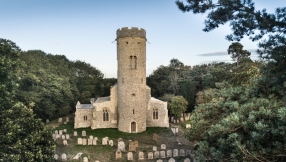
Saxon church saved from Historic England’s ‘at risk’ register after extensive repairs
Historic England has added 197 sites to its Heritage at Risk Register. However it has also managed to save dozens of buildings, including a 1,000-year-old church.

Trump’s midterm defeat and its implications for Christians on both sides of the Atlantic
America’s power and influence on the world stage, combined with Trump’s unpredictability and volatility, is a worrying mix.





