
American evangelicals remain more Republican than Democratic but are not locked tightly in the embrace of either party, according to a new survey released on Monday by the Pew Forum on Religion & Public Life.
Both Democratic presidential contender Barack Obama and his Republican rival John McCain are competing hard for the votes of this "battleground faith" in the November election. One in four US adults are evangelical.
The "US Religious Landscape Survey" found that 50 percent of U.S. evangelical Protestants were likely to be Republican or Republican-leaning compared to 34 per cent who linked themselves to the Democratic Party.
The survey draws primarily on nationwide polling of more than 35,000 US adults.
These were conducted in 2007 and so do not provide the latest snapshot of party affiliation. The newest poll also used a more detailed definition of 'evangelical' - including non-whites for instance - than the usual which focuses exclusively on white born-again Protestants, making comparisons with previous polls difficult.
But the sheer size of the sample makes it an important and revealing indicator of trends and many of its findings dovetail with other data showing a gradual drop in the Republican affiliation of evangelicals.
For example, other Pew surveys in 2007 found 57 per cent of white evangelical Protestants were in or leaning Republican compared to 32 per cent who tilted Democratic.
In 2004, 62 percent of white evangelical Protestants said they leaned Republican and almost 80 percent of those who voted that year cast their ballots for re-election of President George W Bush.
MOVING AWAY
"There appears to have been a shift away from the Republican Party even among evangelicals. This trend appears to be concentrated among younger evangelicals," said John Green, a senior fellow at the Pew Forum on Religion & Public Life.
"But relatively few of the evangelicals who have moved away from the Republican Party have become Democratic, most have become independents," he said.
Green, a noted expert on religion and politics who also teaches at the University of Akron in Ohio, said there were opportunities for both sides.
He saw an opportunity for Obama to woo younger evangelicals drawn by his message of change while McCain could also aim for independent and more centrist evangelicals.
McCain is regarded with suspicion by many of the more conservative evangelicals who regard him as soft on their "core issues" such as their opposition to gay marriage.
At the same time, more centrist evangelicals have warmed to him because he combines opposition to abortion rights with concern for issues such as climate change which they see as a vital part of a wider biblical agenda.
The mainline Protestant churches may not be as vocal on "culture war" issues such as abortion and gay marriage which often figure in US elections but they have sharp partisan divides in their pews.
The survey found members of such denominations almost evenly divided with 41 per cent lining up with the Republican Party and 43 per cent with the Democratic Party.
The Pew survey also found that Mormons are the most staunchly Republican group with 65 per cent of those surveyed identifying with the party.
Members of historically black churches were the most Democratic at 77 per cent. Atheists and agnostics are also strongly Democratic at 65 and 62 per cent respectively.
Jews are largely in the Democratic camp at 66 per cent with only 24 per cent indicating a Republican affiliation.
Members of the Catholic Church - another key "battleground faith" which accounts for almost a quarter of the U.S. population - lean Democratic but like evangelicals are not overwhelmingly in the thrall of either party.
The survey found that 48 per cent of adult US Catholics leaned toward or identified with the Democratic Party while 33 per cent tilted Republican.
50% OFF
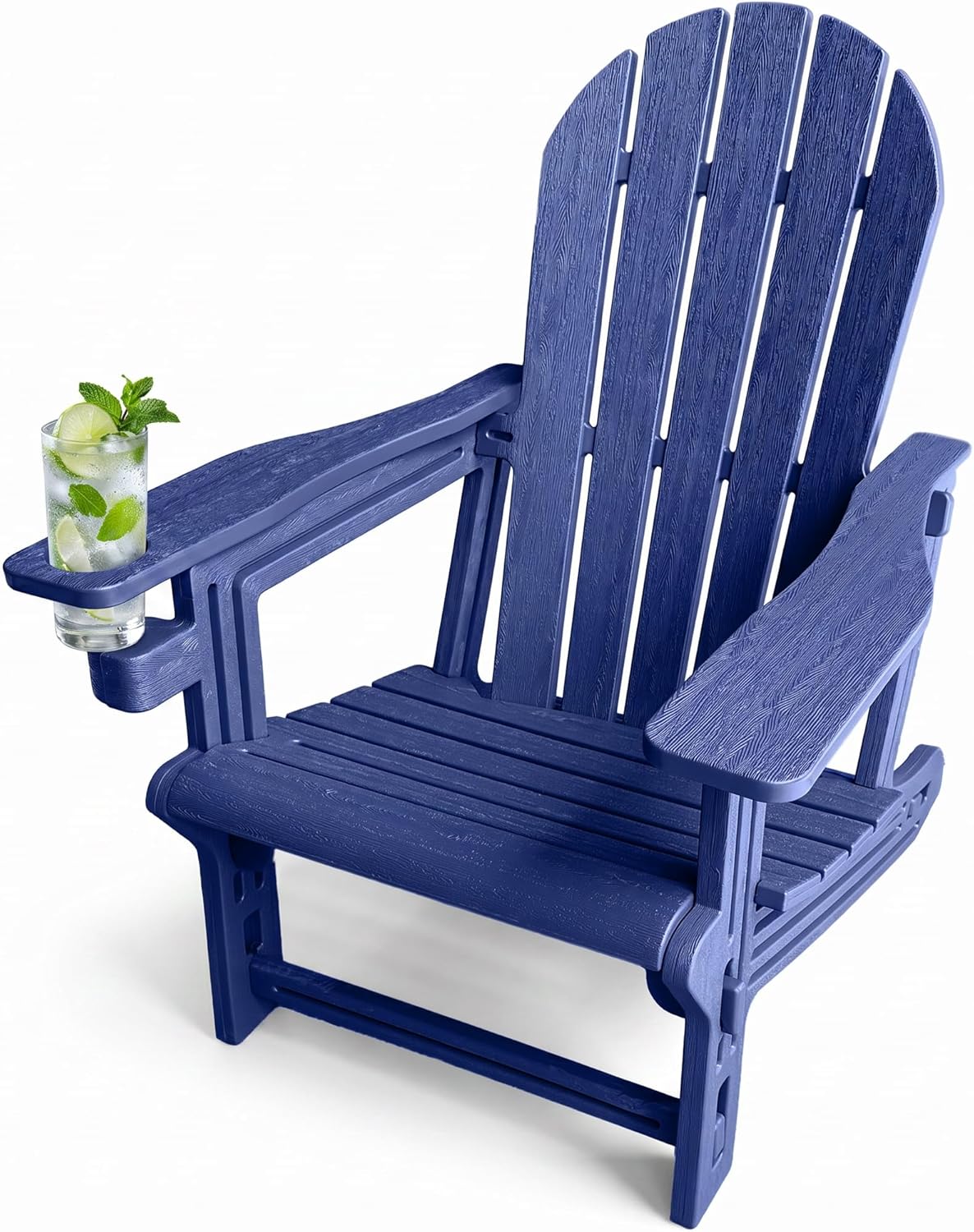
All-Weather HDPE Plastic Adirondack Chair with Cup Holder – Navy Blue
$70 $139.99
50% OFF

7-Color LED Red Light Therapy Mask for Face and Anti-Aging
$29.99 $59.99
49% OFF
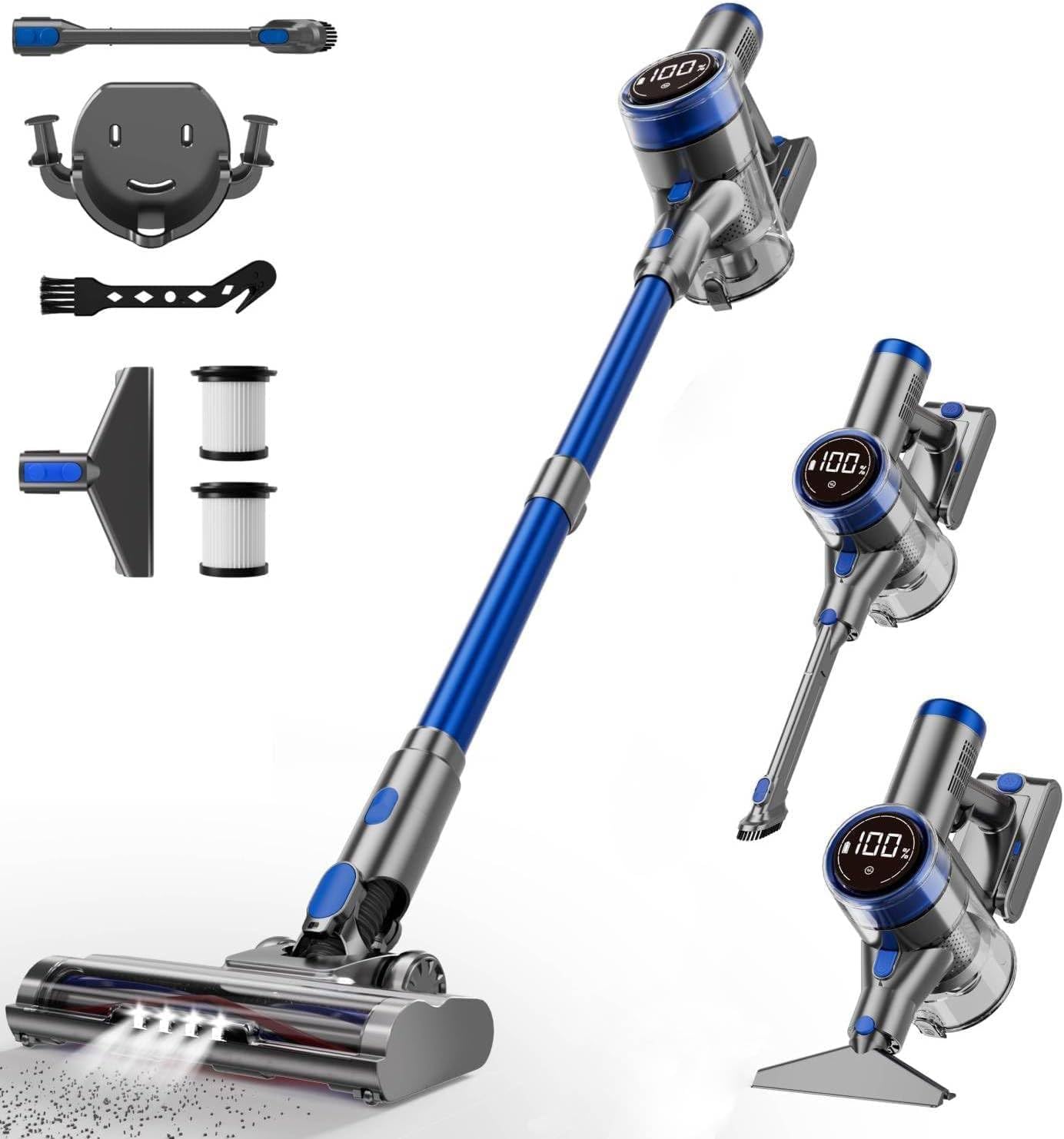
Cordless Vacuum Cleaner - 480W/45Kpa Powerful Stick Vacuum with LED Smart Touch Screen
$55.99 $109.99
20% OFF

Hypoallergenic Pet Wipes for Dogs & Cats - 400 Count Extra Large Coconut Scented Grooming Wipes
$24.79 $30.99
49% OFF
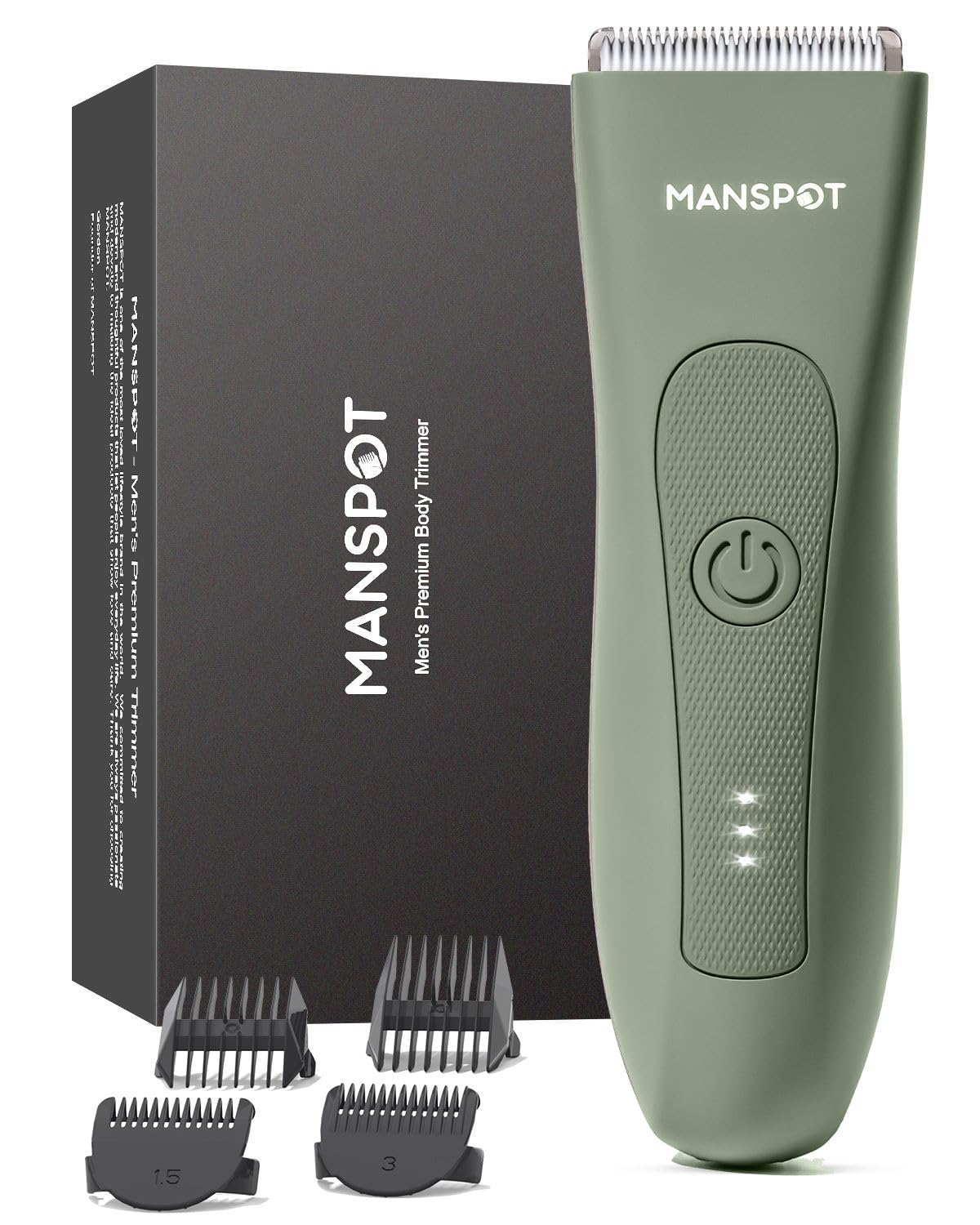
MANSPOT Electric Pubic Hair Trimmer - Waterproof Body and Groin Shaver for Men and Women (Black)
$20.39 $40
25% OFF
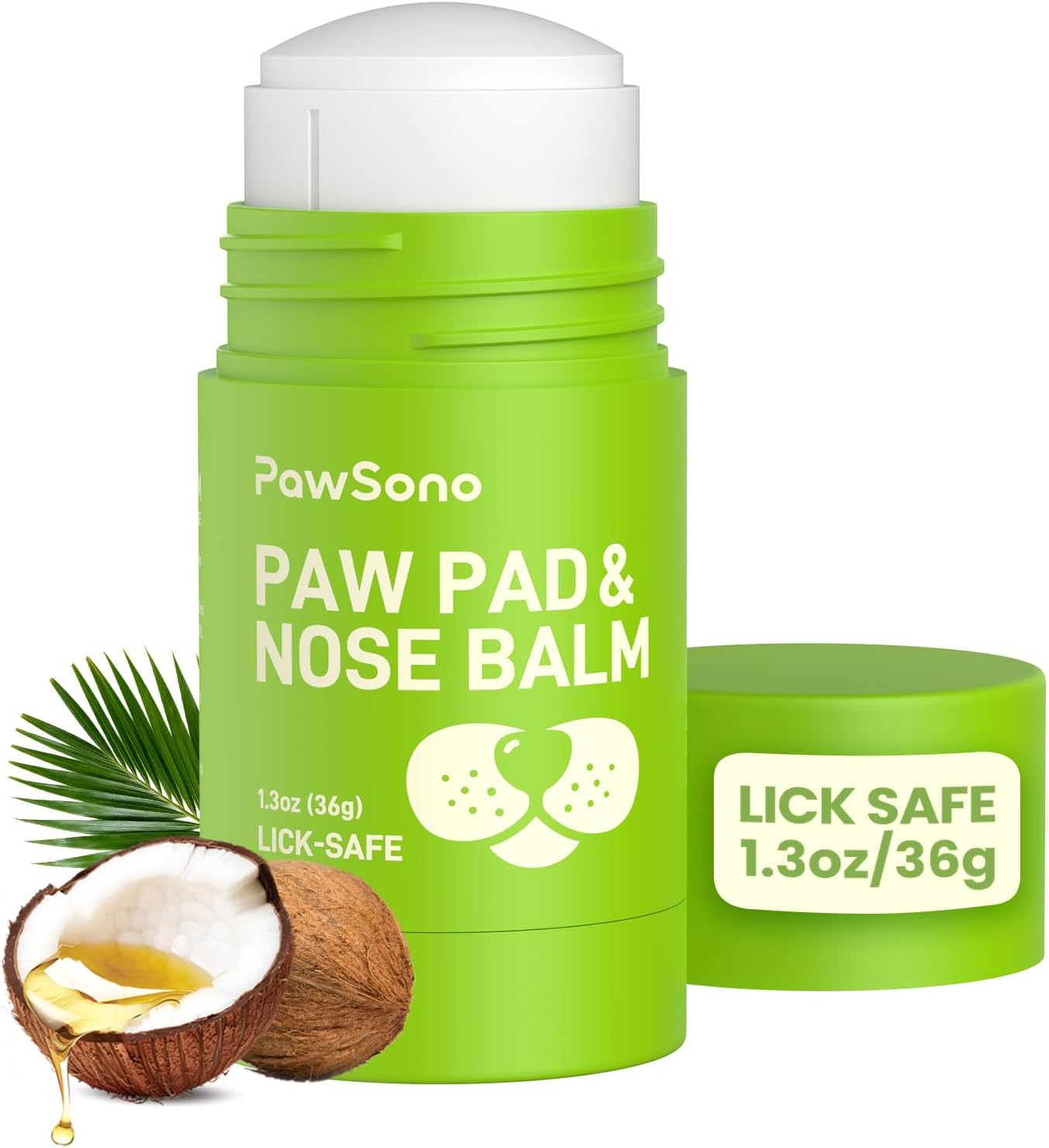
Lick-Safe Dog Paw and Nose Balm Stick - All-Natural Moisturizer with Coconut Oil for Dry, Cracked Pads and Snout
$11.69 $15.59
77% OFF
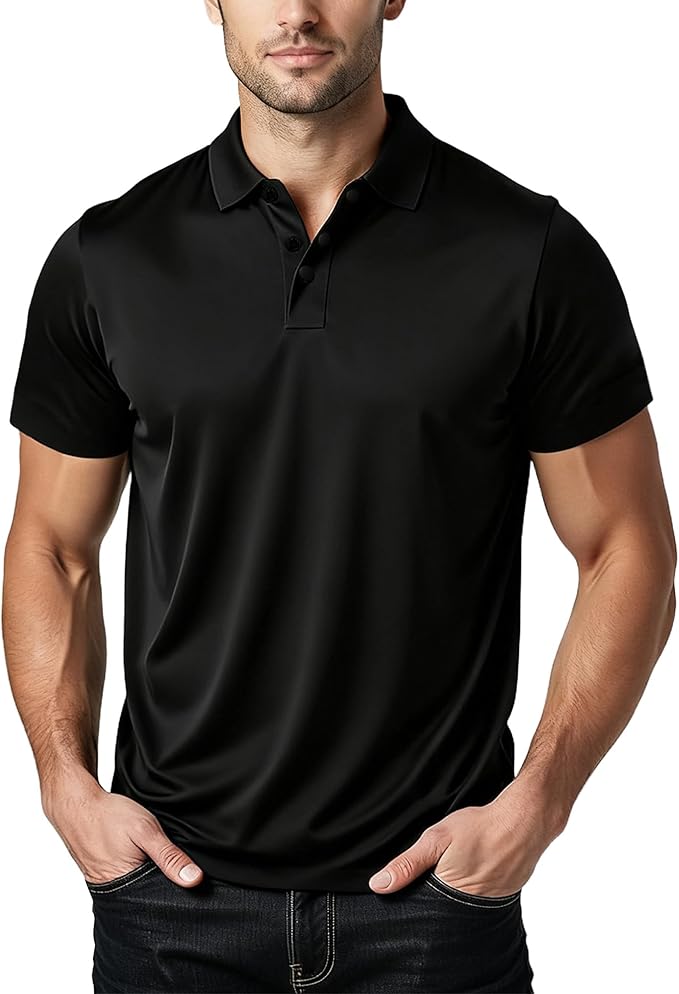
Men's Quick Dry Moisture Wicking Polo Shirt - High Elasticity Slim Fit Athletic Top (Runs Small)
$6.99 $29.99
46% OFF
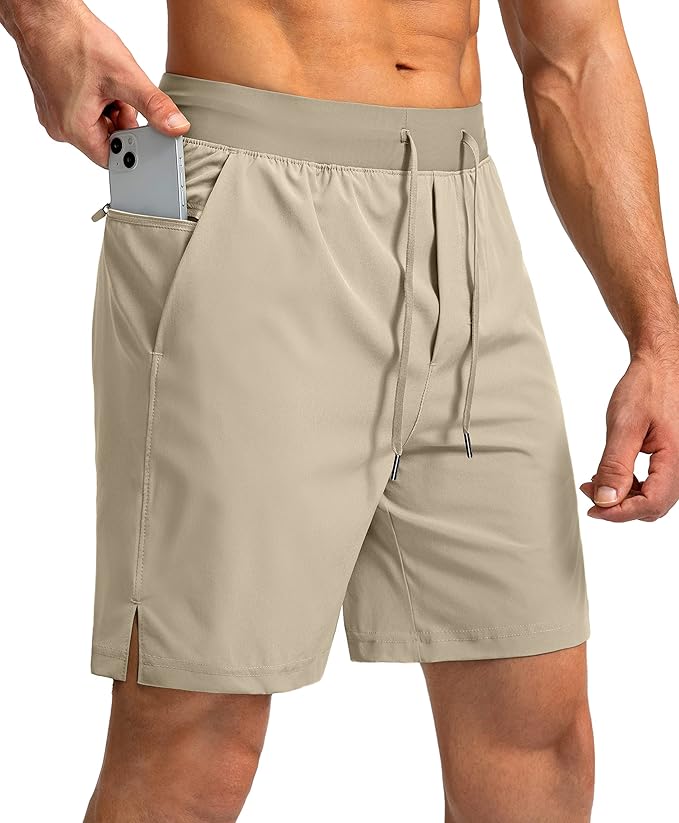
Men's Running Shorts with Zipper Pockets - Lightweight, Quick-Dry, Multi-Sport
$12.95 $23.99
50% OFF
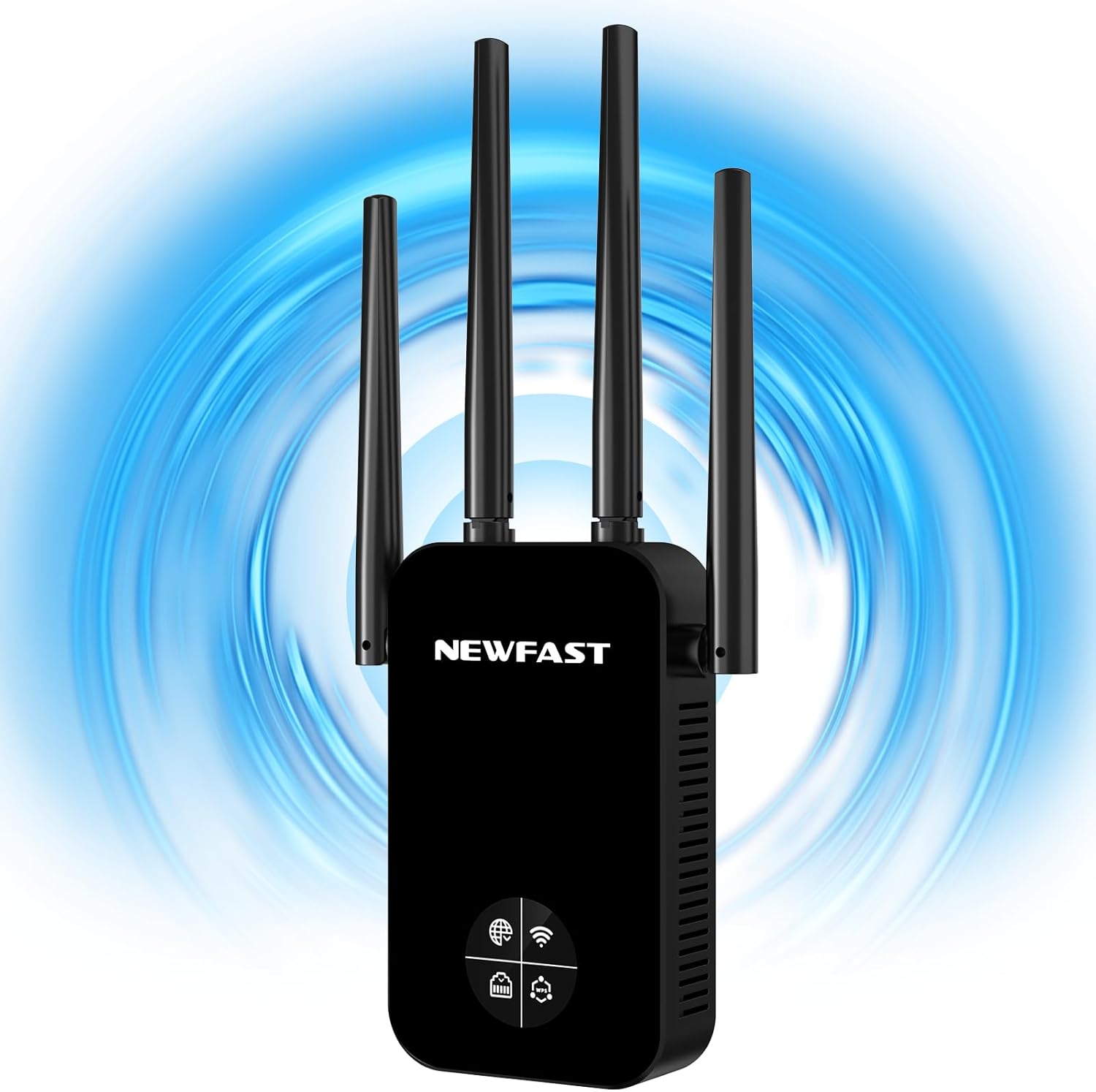
NEWFAST NF-RE523 AC1200 WiFi Extender - 1200Mbps Dual Band Signal Booster & Internet Repeater
$18.5 $36.99
48% OFF
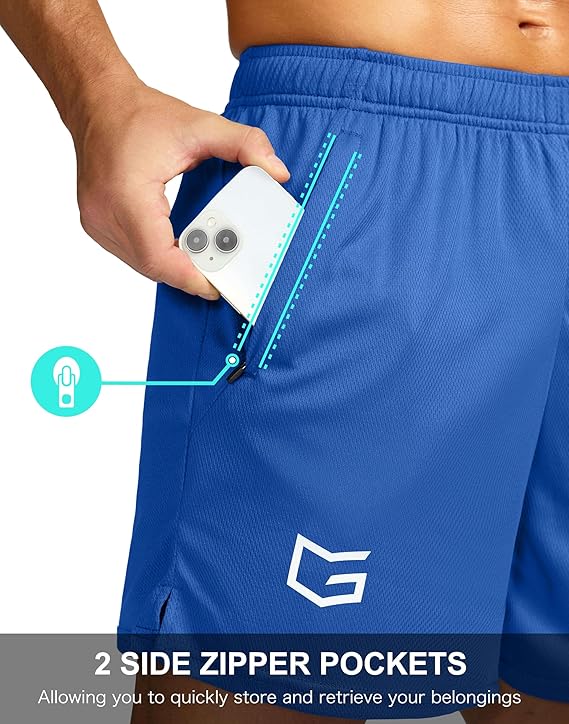
G Gradual Men's 7-inch Workout Running Shorts - Lightweight, Quick-Dry, Comfort
$12.91 $24.99
30% OFF
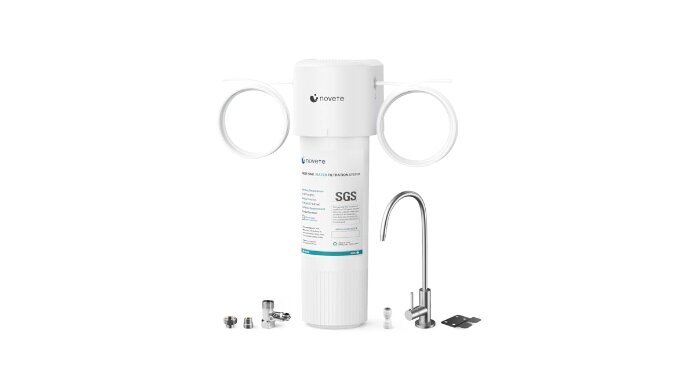
NOVETE Under Sink Water Filter - 3 Years, 30,000 Gallons, High-Efficiency Filtration
$41.99 $59.99
50% OFF

HDPE All-Weather Adirondack Chair with Built-In Cup Holder - Tool-Free Assembly (Grey)
$69.99 $139.99
60% OFF

HOMETUK Clear Plastic Storage Bins with Dividers - 3-Pack Stackable Acrylic Organizer Containers for Fridge and Pantry
$19.99 $49.99
58% OFF

G Gradual Men's Fishing Shirt - UPF 50+ Lightweight Short Sleeve Button Down with Zipper Pockets
$14.99 $35.99
55% OFF

Everyfun 60" Rectangular Platform Tree Swing - 700lbs Heavy Duty Adjustable Outdoor Swing (Colorful)
$49.99 $110.99
61% OFF

Ekouaer Women's Casual Loose Jumpsuit - One-Piece Printed Sleeveless Wide Leg Romper with Pockets
$14.99 $37.99
36% OFF

Men's Athletic Running Shorts with Zipper Pockets - Lightweight & Quick Dry
$12.74 $19.99
61% OFF

Modern Ceiling Fan with Light and Remote - Reversible Quiet DC Motor
$69.3 $179.99
50% OFF

MOOKA H13 True HEPA Air Purifier for Home Large Room - 1076 sq ft Odor Eliminator
$39.97 $79.95
40% OFF
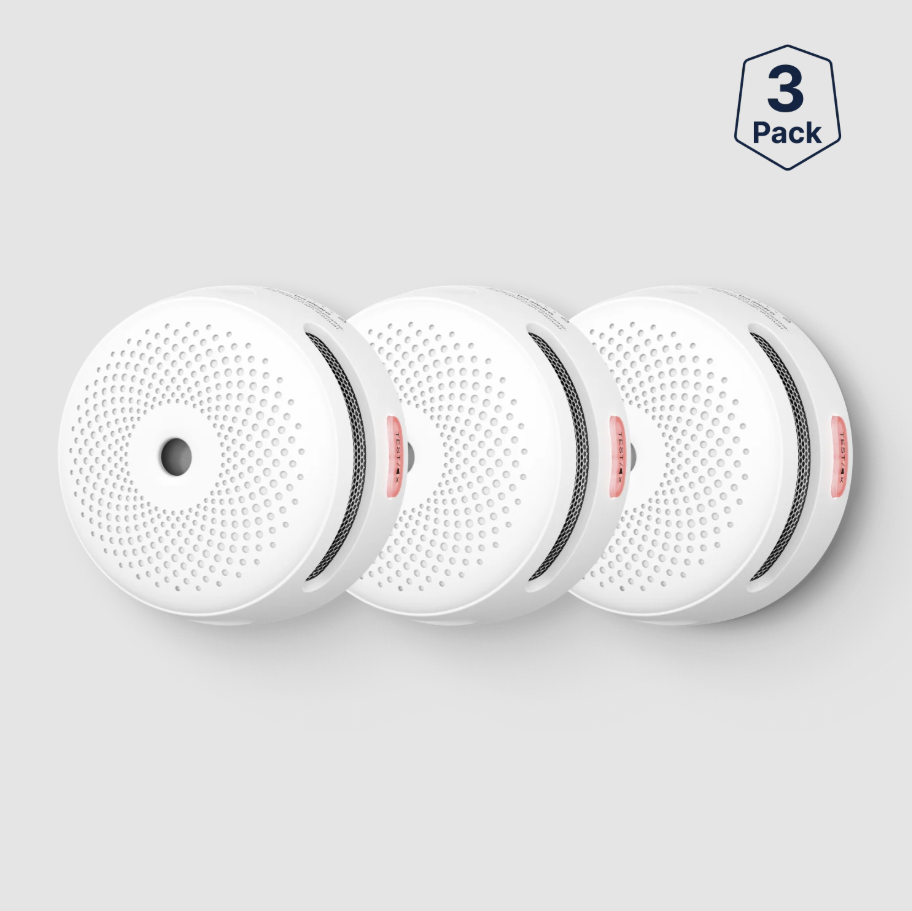
X-Sense XS01-WX Smart Smoke Alarm - 2.4 GHz Wi-Fi Photoelectric Fire Detector with Mobile App Alerts
$65.99 $109.99
-

Life beyond burnout: how Christians can grow in the desert seasons
-

New attempt to revive assisted suicide bill faces opposition
-

A Christian reflection on men’s health week: Jesus - the man we were created to be
-

Anti-Christian hate crimes across Europe surge in May as arson attacks reach 2026 high
News
-

Anti-Christian hate crimes across Europe surge in May as arson attacks reach 2026 high
-

Belfast churches 'heartbroken' over unrest
-

South Wales Police back down on imposing Islamic 'blasphemy law'
-

Disclosure Day: What does Spielberg’s latest film tell us about the Church?
-

Making cohabitation equal with marriage is 'unfair', Christians argue
-

Life beyond burnout: how Christians can grow in the desert seasons
Most Popular
News

Irish bishops oppose attempts to widen abortion laws
They have also called for more research to better understand the factors behind high rates of abortions in the first 12 years.

Boy born with six toes on each foot receives life-changing help from Christian charity
For the first time in his life Abubakarr could wear shoes.

Black Church leaders call for respect and peaceful dialogue amid tensions over immigration and race
Black Church leaders in the UK have expressed "deep concern and sadness" over recent riots and unrest in parts of the country.

Religious hostilities rise globally as harassment of faith communities increases
The number of countries experiencing high levels of religion-related social hostility increased significantly in 2023.
All-Weather HDPE Plastic Adirondack Chair with Cup Holder – Navy Blue
$70
7-Color LED Red Light Therapy Mask for Face and Anti-Aging
$29.99
Cordless Vacuum Cleaner - 480W/45Kpa Powerful Stick Vacuum with LED Smart Touch Screen
$55.99
Hypoallergenic Pet Wipes for Dogs & Cats - 400 Count Extra Large Coconut Scented Grooming Wipes
$24.79
MANSPOT Electric Pubic Hair Trimmer - Waterproof Body and Groin Shaver for Men and Women (Black)
$20.39
Lick-Safe Dog Paw and Nose Balm Stick - All-Natural Moisturizer with Coconut Oil for Dry, Cracked Pads and Snout
$11.69
Men's Quick Dry Moisture Wicking Polo Shirt - High Elasticity Slim Fit Athletic Top (Runs Small)
$6.99
Men's Running Shorts with Zipper Pockets - Lightweight, Quick-Dry, Multi-Sport
$12.95
NEWFAST NF-RE523 AC1200 WiFi Extender - 1200Mbps Dual Band Signal Booster & Internet Repeater
$18.5
G Gradual Men's 7-inch Workout Running Shorts - Lightweight, Quick-Dry, Comfort
$12.91
NOVETE Under Sink Water Filter - 3 Years, 30,000 Gallons, High-Efficiency Filtration
$41.99
HDPE All-Weather Adirondack Chair with Built-In Cup Holder - Tool-Free Assembly (Grey)
$69.99
HOMETUK Clear Plastic Storage Bins with Dividers - 3-Pack Stackable Acrylic Organizer Containers for Fridge and Pantry
$19.99
G Gradual Men's Fishing Shirt - UPF 50+ Lightweight Short Sleeve Button Down with Zipper Pockets
$14.99
Everyfun 60" Rectangular Platform Tree Swing - 700lbs Heavy Duty Adjustable Outdoor Swing (Colorful)
$49.99
Ekouaer Women's Casual Loose Jumpsuit - One-Piece Printed Sleeveless Wide Leg Romper with Pockets
$14.99
Men's Athletic Running Shorts with Zipper Pockets - Lightweight & Quick Dry
$12.74
Modern Ceiling Fan with Light and Remote - Reversible Quiet DC Motor
$69.3
MOOKA H13 True HEPA Air Purifier for Home Large Room - 1076 sq ft Odor Eliminator
$39.97
X-Sense XS01-WX Smart Smoke Alarm - 2.4 GHz Wi-Fi Photoelectric Fire Detector with Mobile App Alerts
$65.99