
The few dozen people attending Mass on a Tuesday morning at St. Michael Catholic Church in a Dallas suburb are in some ways a microcosm of the broader faith in the United States.
They are mostly but far from exclusively white. Several are Vietnamese and there is a sprinkling of Hispanics among them.
"The church is very important for me, it's my life. And this is a very accommodating community," said Margaret Balogun, a Nigerian immigrant, as she emerged from the church.
She and other immigrants represent the new face of the Catholic Church in America which will greet Pope Benedict on his visit to the country April 15 to 20th.
Once solidly Irish, Italian and Polish, U.S. Catholicism is turning Hispanic and even a bit Vietnamese and African - and immigration is keeping the church from losing its "market share" in the highly competitive field of faith in America.
Some analysts also say Catholic immigrants, especially Hispanics, may even be more in tune with official Vatican stances than native-born American members of the flock.
They are conservative on issues of conscience like abortion and gay marriage, which the Church opposes, and prefer the more traditional devotions favored by Pope Benedict. At the same time, they take a more left-leaning outlook on social affairs such as helping the sick and the poor.
"Hispanics tend to think more like the church leaders. They tend to be conservative on sexual and family-values issues but more liberal on economic and social matters," said Timothy Matovina, the director of the Cushwa Center for the Study of American Catholicism at the University of Notre Dame.
Many are blue collar and most who vote in America tend to cast ballots for Democratic candidates, though President George W. Bush and his Republicans made inroads with Hispanic voters in 2004 because they tapped their vein of social conservatism.
That raised Bush's share of the Latino vote by some estimates to 40 percent in 2004 from 35 percent in 2000.
Some clergy say this is more apparent among immigrants from Mexico, less so than those from other parts of Latin America where the attitude of churchgoers has been less conservative.
"The people from Mexico tend to be very conservative because the church there is very conservative. ... It's not always the case with immigrants from other parts of Latin America," was an observation by Tom Kennedy, the affable associate pastor at multiethnic St. Michael.
The Rev. Humberto Villa, a young Argentine priest at the Immaculate Heart of Mary church in downtown Phoenix, said Mexico had a very "Catholic environment."
"In Mexico, 98 percent of the missionaries were Catholic. They were Jesuits, they were faithful to the pope. ... It's a more Catholic environment," he said.
KEEPING THE NUMBERS AFLOAT
Today's wave of immigrants is following a path blazed by Italian, Irish and Polish immigrants in the 19th and early 20th century in one important way: they are keeping the Catholic Church's numbers afloat in America.
According to a recent nationwide survey by the Pew Forum on Religion and Public Life, 23.9 percent of the adult U.S. population identifies itself as Catholic. Since the early 1970s the percentage of the U.S. population counting itself as Catholic has remained stable at around 25 percent.
But according to Pew, no other major faith has experienced greater net losses, with 31.4 percent of U.S. adults saying they were raised Catholic and about one in 10 describing themselves as former Catholics.
In the face of these losses to fast-growing evangelical Protestant churches as well as the ranks of the "unaffiliated," the U.S. Church has been propped up by immigration.
The United States Conference of Catholic Bishops says about 39 percent of U.S. Catholics are Hispanic.
It also estimates that since 1960, 71 percent of U.S. Catholic population growth has been Hispanic and that by the second decade of the 21st century, over 50 percent of U.S. Catholics will likely be Hispanic.
Among other things, this brings a distinctly Latin flavor to U.S. Catholicism.
The Immaculate Heart of Mary Church in Phoenix holds daily masses in Spanish, attracting Hispanics who afterward linger to look at the images of the saints, especially the Virgin of Guadalupe and Saint Francis, who are both revered in Mexico.
"Hispanics are changing U.S. Catholicism but the Church here is also changing Hispanics. Latinos bring a style of festive worship and certain devotions that are very visual, such as re-enactments of the crucifixion," said Matovina.
"In the other direction, U.S. Christianity revolves around the parish. So the idea that your main link to Catholicism is a parish influences Latinos here and transforms what is sometimes a home-based or shrine-based religion into more of a parish-based experience," he said.
But like previous waves of Catholic immigrants, future native-born generations may not stick to the religious traditions of their parents or grandparents.
Some trends are already noticeable.
"What is growing is the number of Hispanics who claim no religious affiliation," said Matovina.
49% OFF
MANSPOT Electric Pubic Hair Trimmer - Waterproof Body and Groin Shaver for Men and Women (Black)
$20.39 $40
25% OFF
Lick-Safe Dog Paw and Nose Balm Stick - All-Natural Moisturizer with Coconut Oil for Dry, Cracked Pads and Snout
$11.69 $15.59
77% OFF
Men's Quick Dry Moisture Wicking Polo Shirt - High Elasticity Slim Fit Athletic Top (Runs Small)
$6.99 $29.99
46% OFF
Men's Running Shorts with Zipper Pockets - Lightweight, Quick-Dry, Multi-Sport
$12.95 $23.99
50% OFF
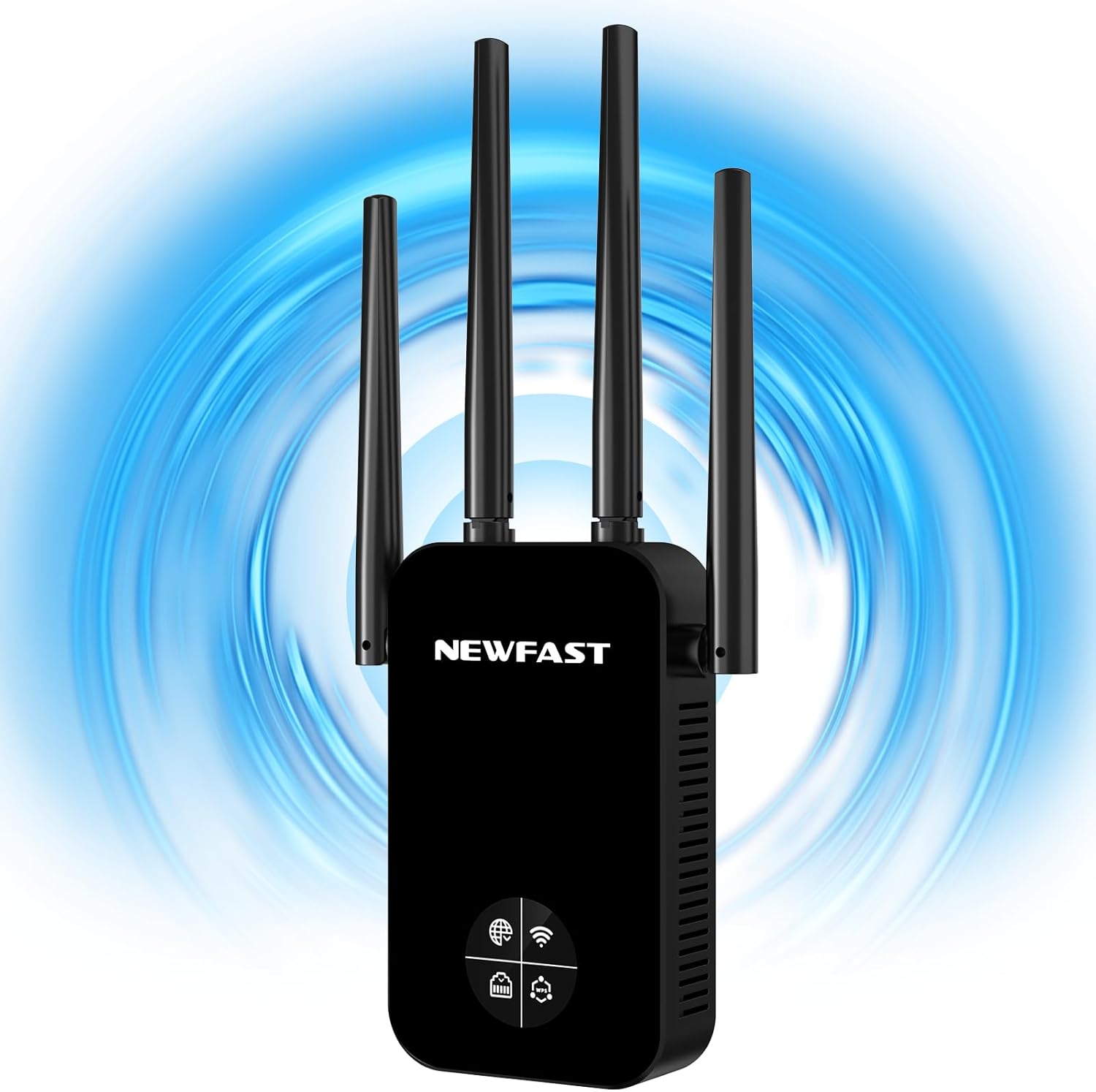
NEWFAST NF-RE523 AC1200 WiFi Extender - 1200Mbps Dual Band Signal Booster & Internet Repeater
$18.5 $36.99
48% OFF
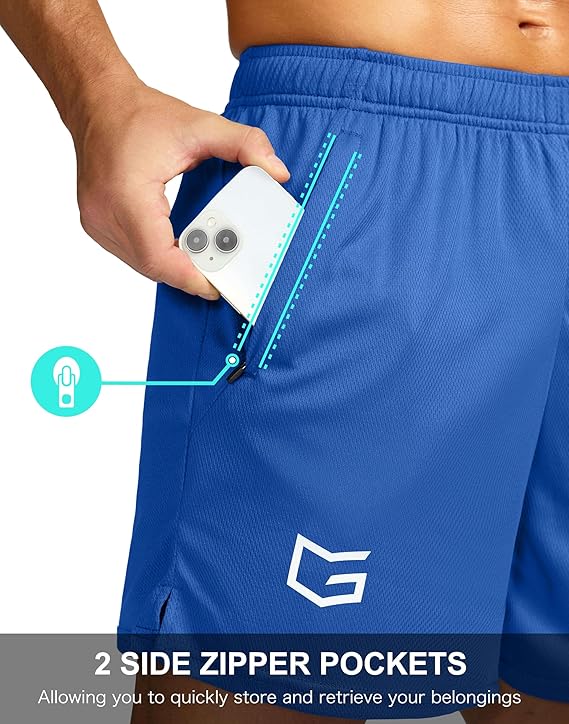
G Gradual Men's 7-inch Workout Running Shorts - Lightweight, Quick-Dry, Comfort
$12.91 $24.99
30% OFF
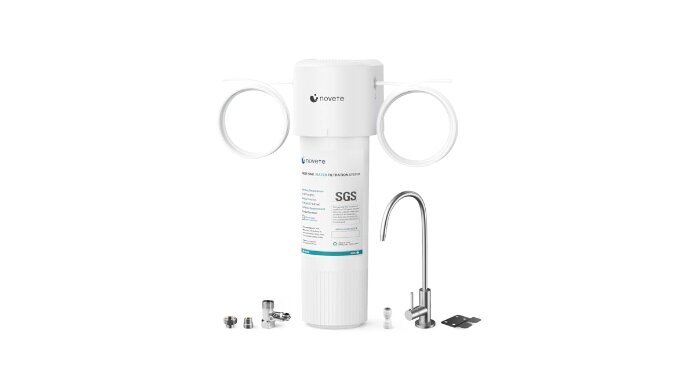
NOVETE Under Sink Water Filter - 3 Years, 30,000 Gallons, High-Efficiency Filtration
$41.99 $59.99
50% OFF

HDPE All-Weather Adirondack Chair with Built-In Cup Holder - Tool-Free Assembly (Grey)
$69.99 $139.99
60% OFF

HOMETUK Clear Plastic Storage Bins with Dividers - 3-Pack Stackable Acrylic Organizer Containers for Fridge and Pantry
$19.99 $49.99
58% OFF

G Gradual Men's Fishing Shirt - UPF 50+ Lightweight Short Sleeve Button Down with Zipper Pockets
$14.99 $35.99
55% OFF

Everyfun 60" Rectangular Platform Tree Swing - 700lbs Heavy Duty Adjustable Outdoor Swing (Colorful)
$49.99 $110.99
61% OFF

Ekouaer Women's Casual Loose Jumpsuit - One-Piece Printed Sleeveless Wide Leg Romper with Pockets
$14.99 $37.99
36% OFF

Men's Athletic Running Shorts with Zipper Pockets - Lightweight & Quick Dry
$12.74 $19.99
61% OFF

Modern Ceiling Fan with Light and Remote - Reversible Quiet DC Motor
$69.3 $179.99
50% OFF

MOOKA H13 True HEPA Air Purifier for Home Large Room - 1076 sq ft Odor Eliminator
$39.97 $79.95
40% OFF
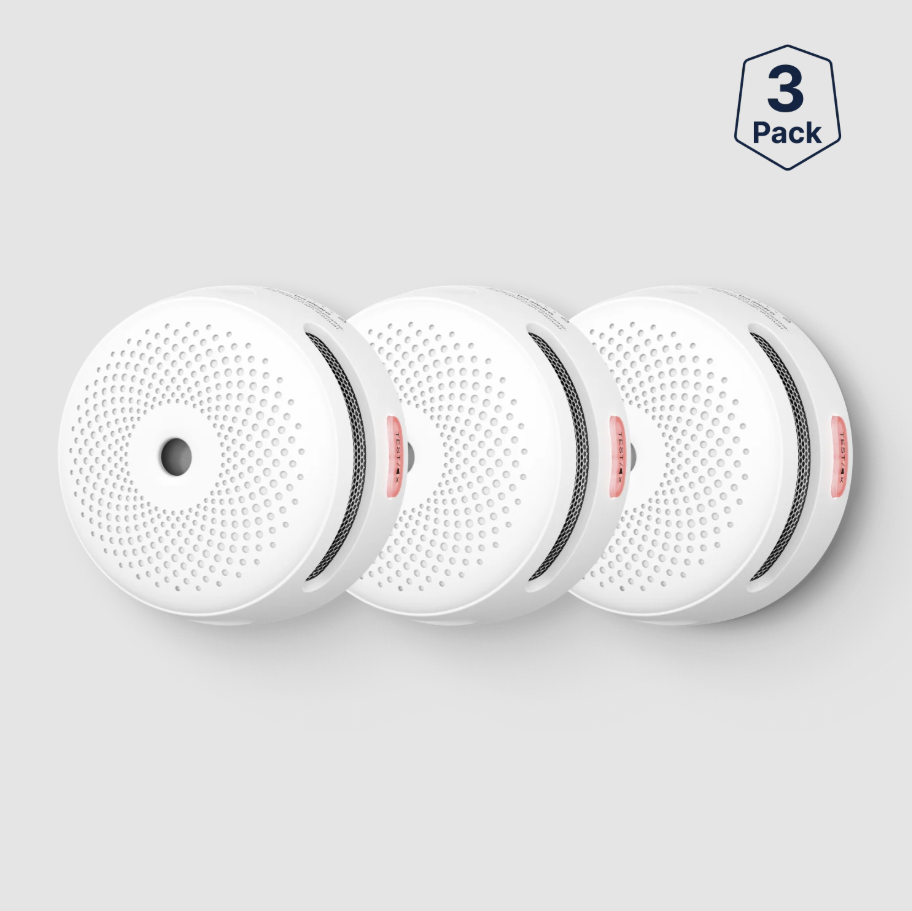
X-Sense XS01-WX Smart Smoke Alarm - 2.4 GHz Wi-Fi Photoelectric Fire Detector with Mobile App Alerts
$65.99 $109.99
11% OFF

VitaUp Beet Root Gummies with CoQ10 & Grape Seed - Nitric Oxide Circulation Support (60 Count)
$24.91 $27.91

Sealy 2-Pack Tritech 16" Twin Inflatable Air Mattress with Built-in AC Pump
$0 $113.99
20% OFF

INTEX Prism Frame 20ft x 52in Above Ground Pool Set - Round Steel Frame Swimming Pool
$695.99 $869.99

Gardner Pet 43" Heavy Duty Dog Crate with Wheels - Indestructible Folding Metal Cage (Black)
$0 $149.99




-

Diary of a CEO’s Steven Bartlett and John Lennox discuss AI, faith and the search for meaning
-

Belfast churches 'heartbroken' over unrest
-

Is there a two-tier Britain?
-
Churches must disciple well and listen well in response to rise of Christian nationalism
-

Biblical models and the creation of King Arthur
-

Welsh reverend speaks of culture of fear over LGBT issues
Most Popular
News
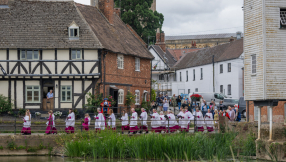
Gloucester churches come together to bless River Avon amid pollution concerns
It is part of a broader campaign against river pollution as concerns remain about the amount of untreated sewage in the Avon.

Life beyond burnout: how Christians can grow in the desert seasons
Christian Today speaks to author and Anglican priest Tish Harrison Warren about growth in desert seasons and why the Church shouldn’t treat all spiritual weariness as a problem to fix.

Iranian-born bishop stands in solidarity with Britain's Jews
2025 had the second highest number of antisemitic incidents on record.

Bishops protest Israeli arrest of another Palestinian Christian
An Evangelical Lutheran has been accused of "promoting terrorist activities".
MANSPOT Electric Pubic Hair Trimmer - Waterproof Body and Groin Shaver for Men and Women (Black)
$20.39
Lick-Safe Dog Paw and Nose Balm Stick - All-Natural Moisturizer with Coconut Oil for Dry, Cracked Pads and Snout
$11.69
Men's Quick Dry Moisture Wicking Polo Shirt - High Elasticity Slim Fit Athletic Top (Runs Small)
$6.99
Men's Running Shorts with Zipper Pockets - Lightweight, Quick-Dry, Multi-Sport
$12.95
NEWFAST NF-RE523 AC1200 WiFi Extender - 1200Mbps Dual Band Signal Booster & Internet Repeater
$18.5
G Gradual Men's 7-inch Workout Running Shorts - Lightweight, Quick-Dry, Comfort
$12.91
NOVETE Under Sink Water Filter - 3 Years, 30,000 Gallons, High-Efficiency Filtration
$41.99
HDPE All-Weather Adirondack Chair with Built-In Cup Holder - Tool-Free Assembly (Grey)
$69.99
HOMETUK Clear Plastic Storage Bins with Dividers - 3-Pack Stackable Acrylic Organizer Containers for Fridge and Pantry
$19.99
G Gradual Men's Fishing Shirt - UPF 50+ Lightweight Short Sleeve Button Down with Zipper Pockets
$14.99
Everyfun 60" Rectangular Platform Tree Swing - 700lbs Heavy Duty Adjustable Outdoor Swing (Colorful)
$49.99
Ekouaer Women's Casual Loose Jumpsuit - One-Piece Printed Sleeveless Wide Leg Romper with Pockets
$14.99
Men's Athletic Running Shorts with Zipper Pockets - Lightweight & Quick Dry
$12.74
Modern Ceiling Fan with Light and Remote - Reversible Quiet DC Motor
$69.3
MOOKA H13 True HEPA Air Purifier for Home Large Room - 1076 sq ft Odor Eliminator
$39.97
X-Sense XS01-WX Smart Smoke Alarm - 2.4 GHz Wi-Fi Photoelectric Fire Detector with Mobile App Alerts
$65.99
VitaUp Beet Root Gummies with CoQ10 & Grape Seed - Nitric Oxide Circulation Support (60 Count)
$24.91
Sealy 2-Pack Tritech 16" Twin Inflatable Air Mattress with Built-in AC Pump
$0
INTEX Prism Frame 20ft x 52in Above Ground Pool Set - Round Steel Frame Swimming Pool
$695.99
Gardner Pet 43" Heavy Duty Dog Crate with Wheels - Indestructible Folding Metal Cage (Black)
$0