
The number of people killed by AIDS worldwide edged down for a second straight year in 2007 after rising for more than two decades, amid intensified global efforts to fight the disease, a U.N. agency said on Tuesday.
The AIDS epidemic is far from over, but appears to have leveled off with more people getting life-extending drugs and the number of new HIV infections falling in many places, UNAIDS said in a report.
Officials with Geneva-based UNAIDS and outside activists said much more needed to be done to beat this modern scourge.
Dr. Paul Zeitz, executive director of the Washington-based activist group Global AIDS Alliance, said the report showed the big increase in spending on prevention and treatment programs in sub-Saharan Africa and elsewhere had produced results.
"Based on this evidence, it's time to ramp up funding from all sources - not to slow down or go on to other things. We're on the path toward victory here. Let's invest more," he said.
Global AIDS deaths numbered about 2 million in 2007, down from 2.1 million in 2006, UNAIDS said. AIDS deaths peaked in 2005 at 2.2 million after a steady climb since the disease was first identified in the early 1980s, UNAIDS said.
"A six-fold increase in financing for HIV programs in low- and middle-income countries (from) 2001-2007 is beginning to bear fruit, as gains in lowering the number of AIDS deaths and preventing new infections are apparent in many countries," according to the report issued before an international AIDS conference in Mexico next week.
"Progress remains uneven, however, and the epidemic's future is still uncertain, underscoring the need for intensified action to move towards universal access to HIV prevention, treatment, care and support," the report read.
In 2007, about 33 million people were infected with human immunodeficiency virus, UNAIDS said. HIV is most often spread through sexual contact or injection drug use.
The total number of people living with HIV infections continues to inch higher as more people in hard-hit regions like sub-Saharan Africa, with two-thirds of all global cases, receive drugs that help them live longer, the report showed.
NEW INFECTIONS
New HIV infection rates were basically the same in 2007 as in 2006 - about 2.7 million people, with a very small increase last year over the prior year, the agency said.
The report cited a big increase in the number of people receiving AIDS drugs in low- and middle-income countries, numbering about 3 million. But many more still lack access.
"There are still five new infections for every two people who are newly added on treatment. So clearly, we're not pushing back the epidemic enough," Dr. Paul De Lay of UNAIDS said.
Rates of new infections are rising in many countries, including China, Indonesia, Kenya, Mozambique, Papua New Guinea, Russia, Ukraine and Vietnam, and even rich nations such as Germany, Britain and Australia.
UNAIDS said its report used data from 147 countries, but De Lay said he was disappointed the United States did not provide its 2007 AIDS figures because U.S. officials continue to "refine" the numbers and will announce them soon.
Last week, the U.S. Congress passed a bill to triple spending on a program to fight AIDS, malaria and tuberculosis in Africa and other parts of the world, with President George W. Bush scheduled to sign it into law this week.
It calls for $48 billion over the next five years.
The Black AIDS Institute activist group issued a report saying the U.S. government had neglected the epidemic among black Americans even as it fights the disease overseas.
50% OFF
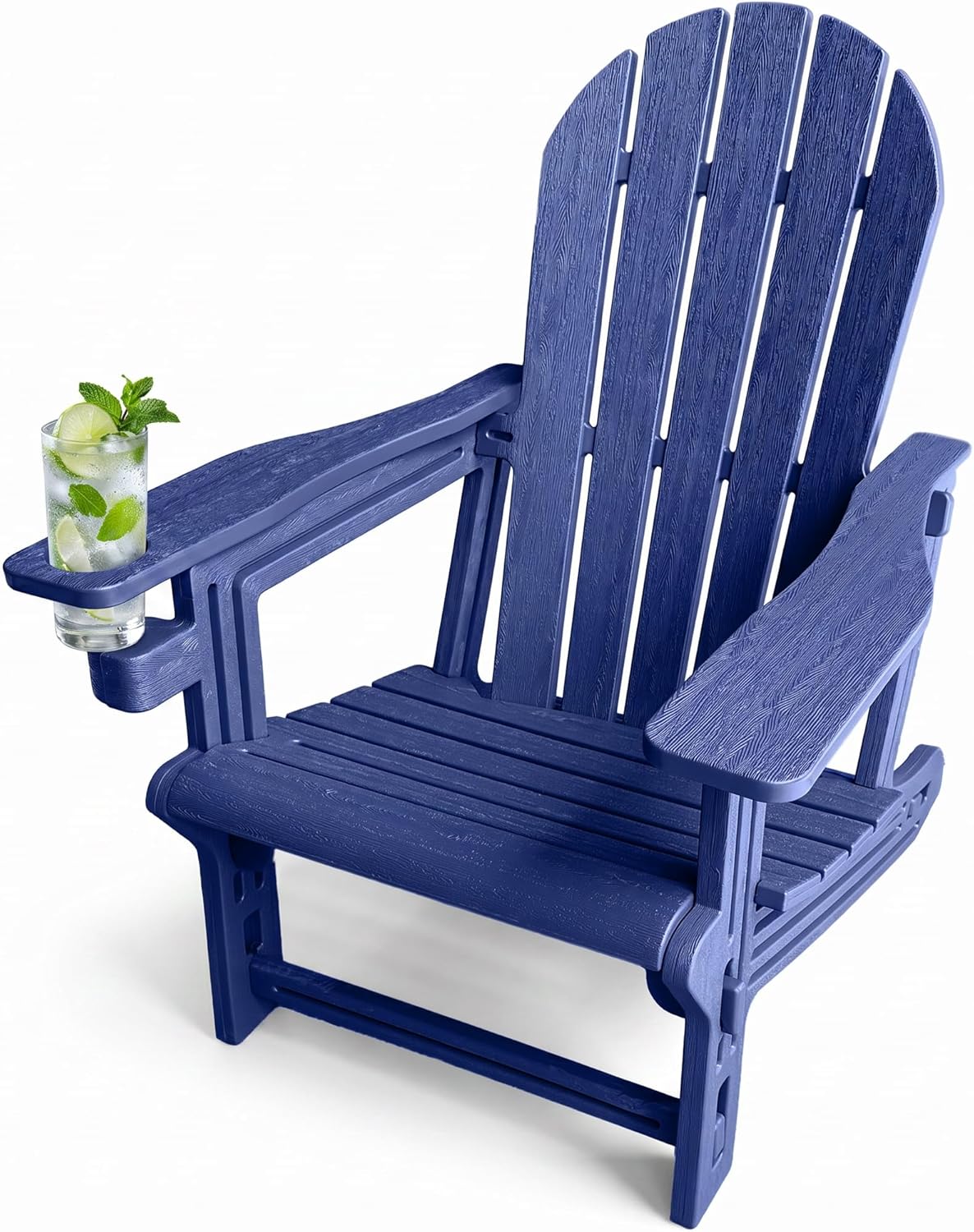
All-Weather HDPE Plastic Adirondack Chair with Cup Holder – Navy Blue
$70 $139.99
50% OFF

7-Color LED Red Light Therapy Mask for Face and Anti-Aging
$29.99 $59.99
49% OFF
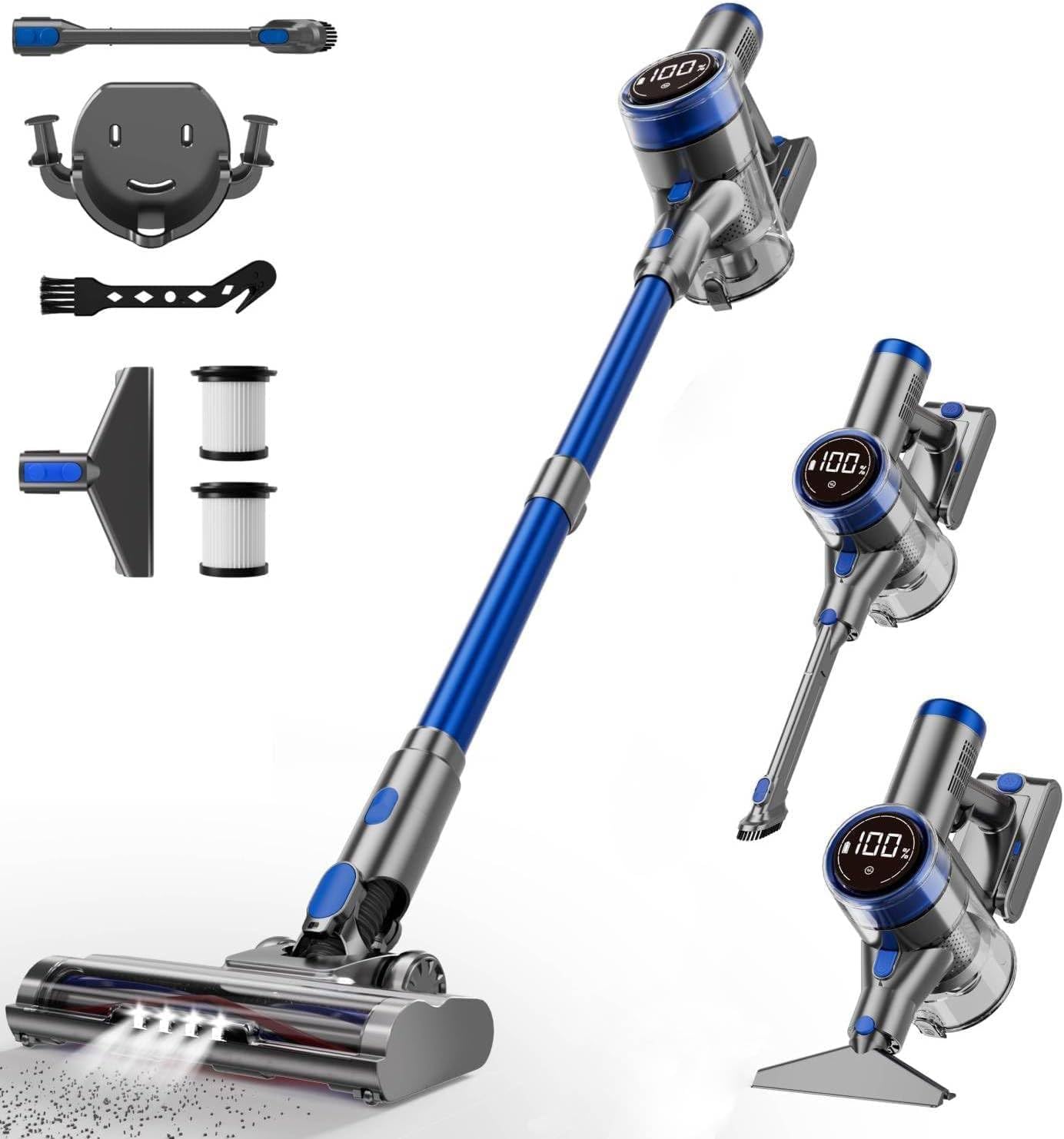
Cordless Vacuum Cleaner - 480W/45Kpa Powerful Stick Vacuum with LED Smart Touch Screen
$55.99 $109.99
20% OFF

Hypoallergenic Pet Wipes for Dogs & Cats - 400 Count Extra Large Coconut Scented Grooming Wipes
$24.79 $30.99
49% OFF
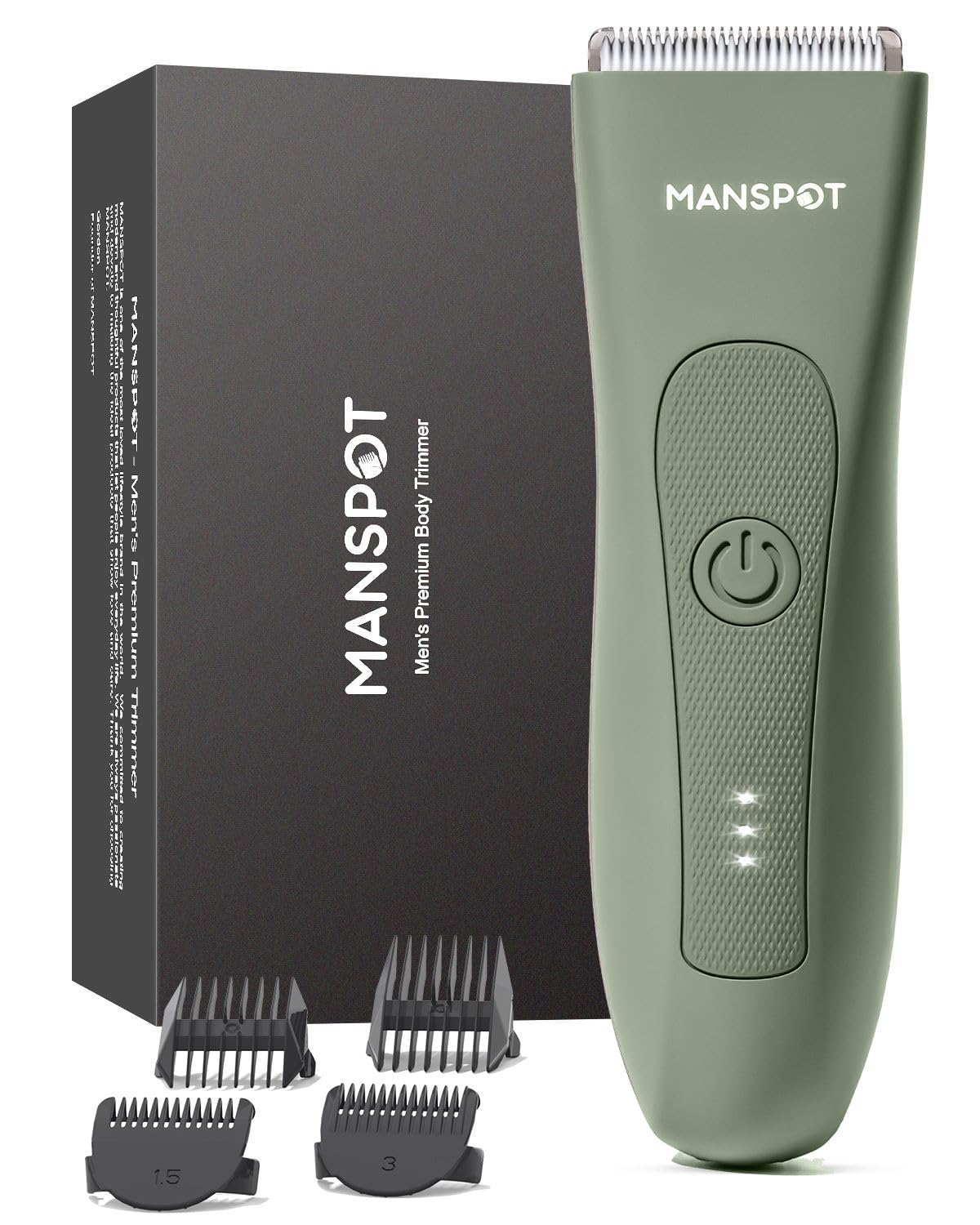
MANSPOT Electric Pubic Hair Trimmer - Waterproof Body and Groin Shaver for Men and Women (Black)
$20.39 $40
25% OFF
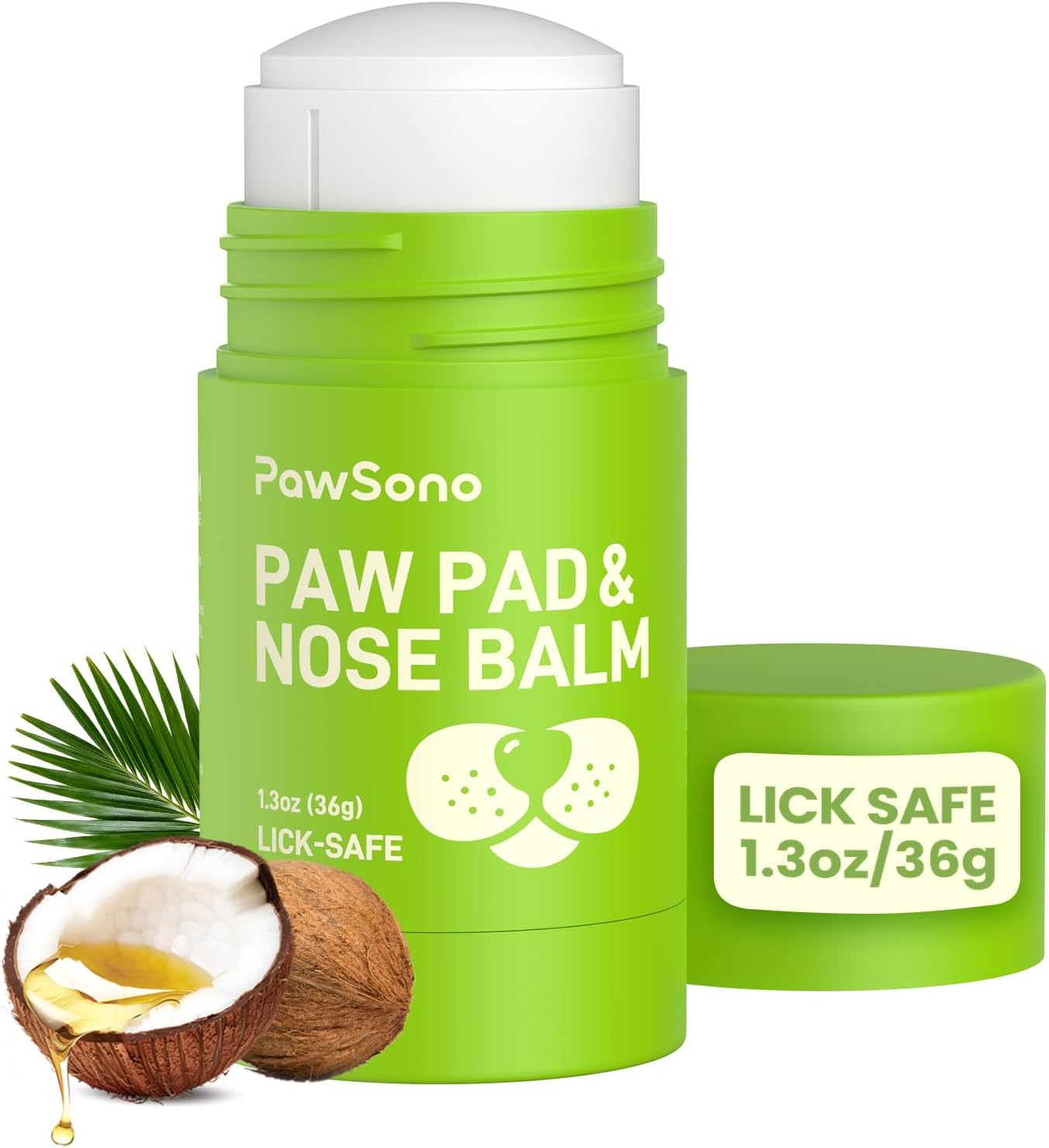
Lick-Safe Dog Paw and Nose Balm Stick - All-Natural Moisturizer with Coconut Oil for Dry, Cracked Pads and Snout
$11.69 $15.59
77% OFF
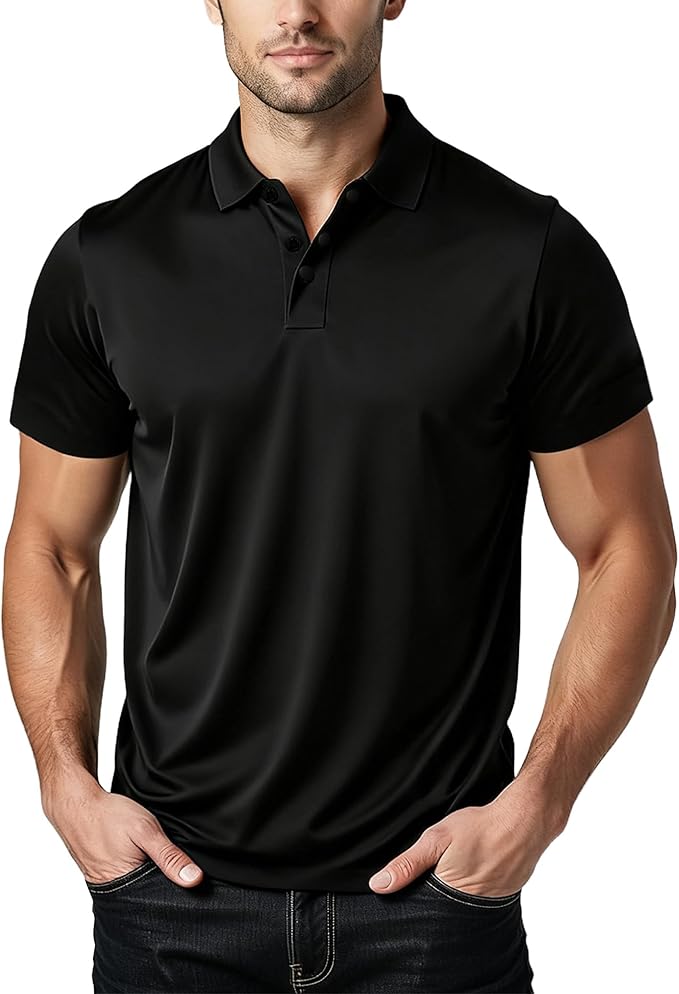
Men's Quick Dry Moisture Wicking Polo Shirt - High Elasticity Slim Fit Athletic Top (Runs Small)
$6.99 $29.99
46% OFF
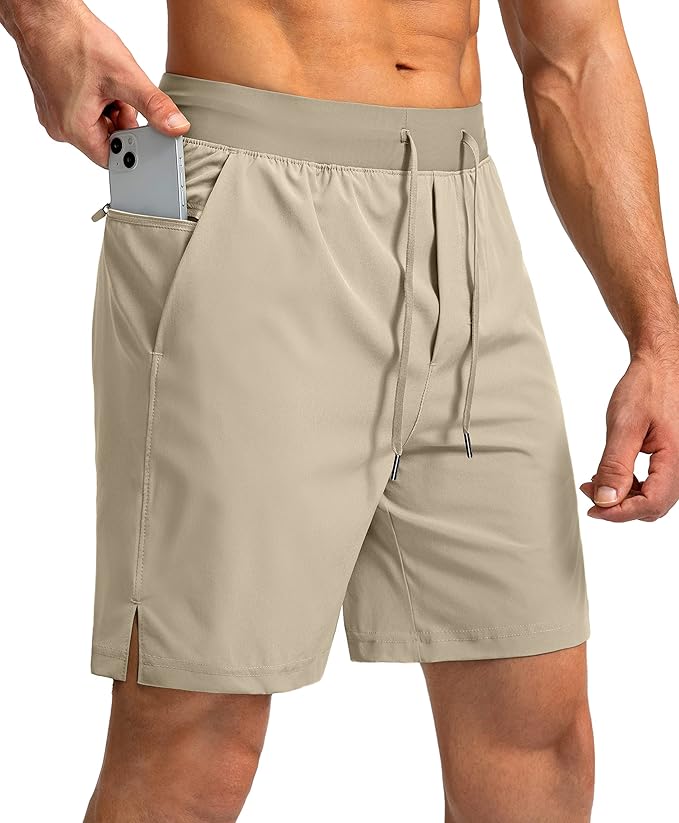
Men's Running Shorts with Zipper Pockets - Lightweight, Quick-Dry, Multi-Sport
$12.95 $23.99
50% OFF

NEWFAST NF-RE523 AC1200 WiFi Extender - 1200Mbps Dual Band Signal Booster & Internet Repeater
$18.5 $36.99
48% OFF

G Gradual Men's 7-inch Workout Running Shorts - Lightweight, Quick-Dry, Comfort
$12.91 $24.99
30% OFF
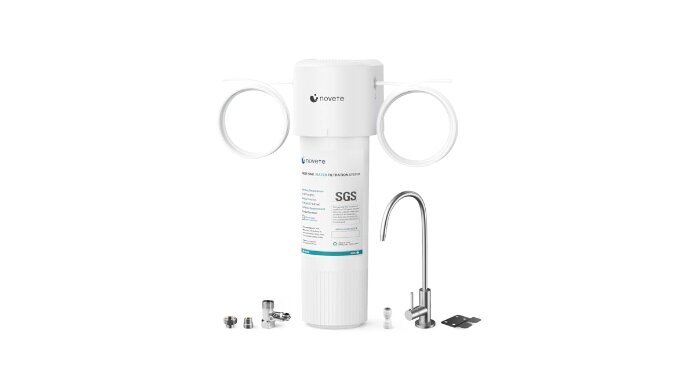
NOVETE Under Sink Water Filter - 3 Years, 30,000 Gallons, High-Efficiency Filtration
$41.99 $59.99
50% OFF

HDPE All-Weather Adirondack Chair with Built-In Cup Holder - Tool-Free Assembly (Grey)
$69.99 $139.99
60% OFF

HOMETUK Clear Plastic Storage Bins with Dividers - 3-Pack Stackable Acrylic Organizer Containers for Fridge and Pantry
$19.99 $49.99
58% OFF

G Gradual Men's Fishing Shirt - UPF 50+ Lightweight Short Sleeve Button Down with Zipper Pockets
$14.99 $35.99
55% OFF

Everyfun 60" Rectangular Platform Tree Swing - 700lbs Heavy Duty Adjustable Outdoor Swing (Colorful)
$49.99 $110.99
61% OFF

Ekouaer Women's Casual Loose Jumpsuit - One-Piece Printed Sleeveless Wide Leg Romper with Pockets
$14.99 $37.99
36% OFF

Men's Athletic Running Shorts with Zipper Pockets - Lightweight & Quick Dry
$12.74 $19.99
61% OFF

Modern Ceiling Fan with Light and Remote - Reversible Quiet DC Motor
$69.3 $179.99
50% OFF

MOOKA H13 True HEPA Air Purifier for Home Large Room - 1076 sq ft Odor Eliminator
$39.97 $79.95
40% OFF
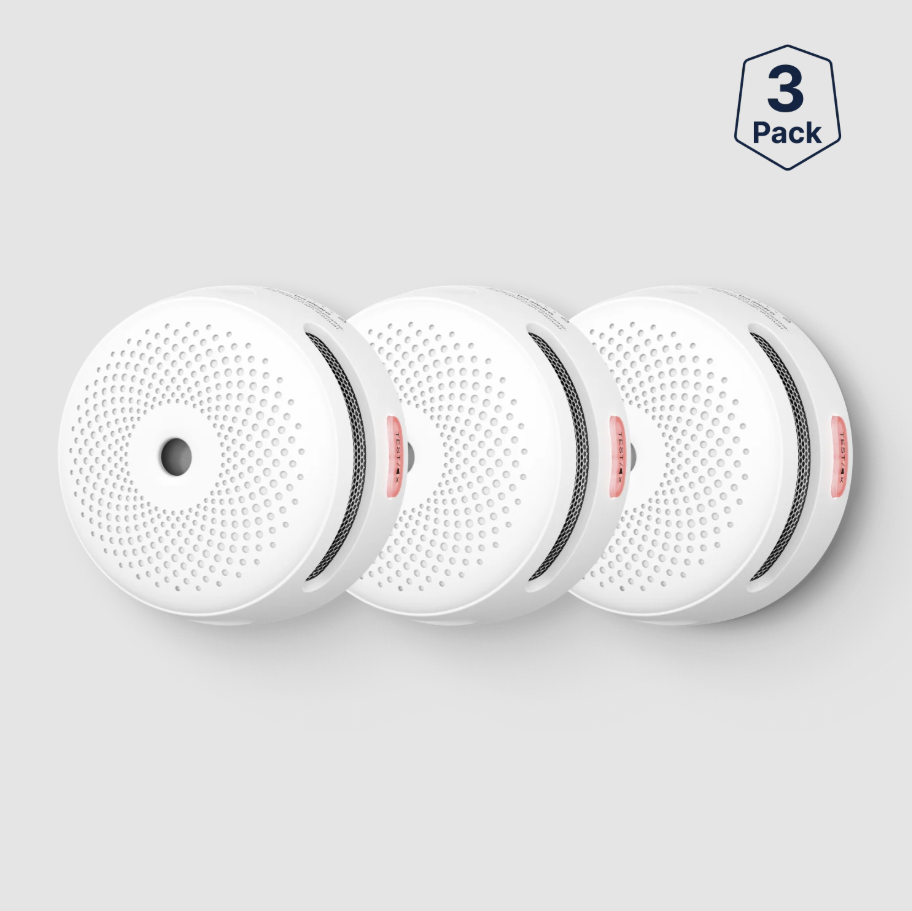
X-Sense XS01-WX Smart Smoke Alarm - 2.4 GHz Wi-Fi Photoelectric Fire Detector with Mobile App Alerts
$65.99 $109.99
-

Life beyond burnout: how Christians can grow in the desert seasons
-

New attempt to revive assisted suicide bill faces opposition
-

A Christian reflection on men’s health week: Jesus - the man we were created to be
-

Anti-Christian hate crimes across Europe surge in May as arson attacks reach 2026 high
News
-

Anti-Christian hate crimes across Europe surge in May as arson attacks reach 2026 high
-

Belfast churches 'heartbroken' over unrest
-
South Wales Police back down on imposing Islamic 'blasphemy law'
-

Churches must disciple well and listen well in response to rise of Christian nationalism
-

Welsh reverend speaks of culture of fear over LGBT issues
-

Making cohabitation equal with marriage is 'unfair', Christians argue
Most Popular
News

African Christian leaders demand justice after Mozambican bishop shot dead
Christian leaders across Africa have called for a full investigation into the killing of a Mozambican bishop who was shot dead at his residence.

Lebanese Christians on the brink as peace deal agreed
The Christian population of the Middle East has drastically declined due to ongoing conflict.

A Christian reflection on men’s health week: Jesus - the man we were created to be
As Men’s Health Week reminds us of the challenges many men face, perhaps there is no better time to look again at Jesus Christ. In Him we find not only a model for manhood, but the way to life itself.

Kyiv’s Dormition Cathedral badly damaged in major Russian strikes on Ukrainian capital
Kyiv’s historic Dormition Cathedral, part of the UNESCO-listed Pechersk Lavra monastery complex, caught fire overnight after a wave of Russian missile and drone strikes on the Ukrainian capital.
All-Weather HDPE Plastic Adirondack Chair with Cup Holder – Navy Blue
$70
7-Color LED Red Light Therapy Mask for Face and Anti-Aging
$29.99
Cordless Vacuum Cleaner - 480W/45Kpa Powerful Stick Vacuum with LED Smart Touch Screen
$55.99
Hypoallergenic Pet Wipes for Dogs & Cats - 400 Count Extra Large Coconut Scented Grooming Wipes
$24.79
MANSPOT Electric Pubic Hair Trimmer - Waterproof Body and Groin Shaver for Men and Women (Black)
$20.39
Lick-Safe Dog Paw and Nose Balm Stick - All-Natural Moisturizer with Coconut Oil for Dry, Cracked Pads and Snout
$11.69
Men's Quick Dry Moisture Wicking Polo Shirt - High Elasticity Slim Fit Athletic Top (Runs Small)
$6.99
Men's Running Shorts with Zipper Pockets - Lightweight, Quick-Dry, Multi-Sport
$12.95
NEWFAST NF-RE523 AC1200 WiFi Extender - 1200Mbps Dual Band Signal Booster & Internet Repeater
$18.5
G Gradual Men's 7-inch Workout Running Shorts - Lightweight, Quick-Dry, Comfort
$12.91
NOVETE Under Sink Water Filter - 3 Years, 30,000 Gallons, High-Efficiency Filtration
$41.99
HDPE All-Weather Adirondack Chair with Built-In Cup Holder - Tool-Free Assembly (Grey)
$69.99
HOMETUK Clear Plastic Storage Bins with Dividers - 3-Pack Stackable Acrylic Organizer Containers for Fridge and Pantry
$19.99
G Gradual Men's Fishing Shirt - UPF 50+ Lightweight Short Sleeve Button Down with Zipper Pockets
$14.99
Everyfun 60" Rectangular Platform Tree Swing - 700lbs Heavy Duty Adjustable Outdoor Swing (Colorful)
$49.99
Ekouaer Women's Casual Loose Jumpsuit - One-Piece Printed Sleeveless Wide Leg Romper with Pockets
$14.99
Men's Athletic Running Shorts with Zipper Pockets - Lightweight & Quick Dry
$12.74
Modern Ceiling Fan with Light and Remote - Reversible Quiet DC Motor
$69.3
MOOKA H13 True HEPA Air Purifier for Home Large Room - 1076 sq ft Odor Eliminator
$39.97
X-Sense XS01-WX Smart Smoke Alarm - 2.4 GHz Wi-Fi Photoelectric Fire Detector with Mobile App Alerts
$65.99