
Zimbabwean opposition leader Morgan Tsvangirai on Wednesday rejected talks on a unity government, saying President Robert Mugabe must first stop violence and accept him as the rightful election winner.
African Union leaders called at a summit on Tuesday for the two sides to negotiate to end the crisis after Mugabe's re-election in a June 27 ballot that was boycotted by the opposition and dismissed by much of the world as a sham.
Tsvangirai pulled out of the election because of attacks on his supporters. He had won a first round vote on March 29.
"Significantly the conditions prevailing in Zimbabwe are not conducive to negotiations. If dialogue is to be initiated, it is essential that ZANU-PF stops the violence, halts the persecution of MDC leaders and supporters," he told a news conference in Harare.
Tsvangirai said talks had to be based on recognising only the first round vote, which he won. He said his Movement for Democratic Change (MDC) should be the legitimate government after beating Mugabe's ZANU-PF in parallel parliamentary elections.
Mugabe's officials earlier welcomed the call from African leaders for talks on a power-sharing government.
"The AU resolution is in conformity to what President Mugabe said at his inauguration, when he said we are prepared to talk in order to resolve our problems," Information Minister Sikhanyiso Ndlovu told Reuters.
"We are committed to talk, not just with Tsvangirai but to other parties as well." Ndlovu later dismissed Tsvangirai's position on talks as grandstanding and said he was confident the two sides would soon be together at the bargaining table.
Tsvangirai said talking to Mugabe would be meaningless unless the African Union sent a permanent envoy to expand mediation efforts by South African President Thabo Mbeki, criticised for being too soft in his diplomacy with Mugabe.
EU PRESSURE
Despite the AU support for a power-sharing deal modelled on the one that ended post-election violence in Kenya earlier this year, disagreement over who should lead the government could prove an insurmountable obstacle.
Mugabe, 84, was sworn in for a new five-year term on Sunday after election authorities announced he had won about 85 percent of the vote in a run-off, which was condemned by monitors and much of world opinion as violent and unfair.
Zimbabwe's once prosperous economy has collapsed, bringing the world's highest rate of hyper-inflation, food and fuel shortages and 80 percent unemployment. Millions of Zimbabweans have fled to neighbouring countries.
Mugabe has branded the MDC a puppet of former colonial power Britain and the United States and vowed to never let it rule Zimbabwe.
Western countries are pushing for U.N. sanctions on Zimbabwe's leaders and a draft U.S. resolution called for a U.N. travel ban and asset freeze on Mugabe's inner circle. But some countries on the Security Council have shown little appetite for such measures, already imposed by Europe and the United States.
French Foreign Minister Bernard Kouchner, whose country has taken over the European Union presidency, said on Tuesday the EU would only accept a government led by Tsvangirai. The European Commission repeated that line on Wednesday.
"Any transitional government must include Morgan Tsvangirai as prime minister or head of government," Commission development spokesman John Clancy told a briefing in Brussels.
South African President Thabo Mbeki, however, told the South African Broadcasting Corp. that the outside world could not impose conditions for a solution to the impasse.
49% OFF
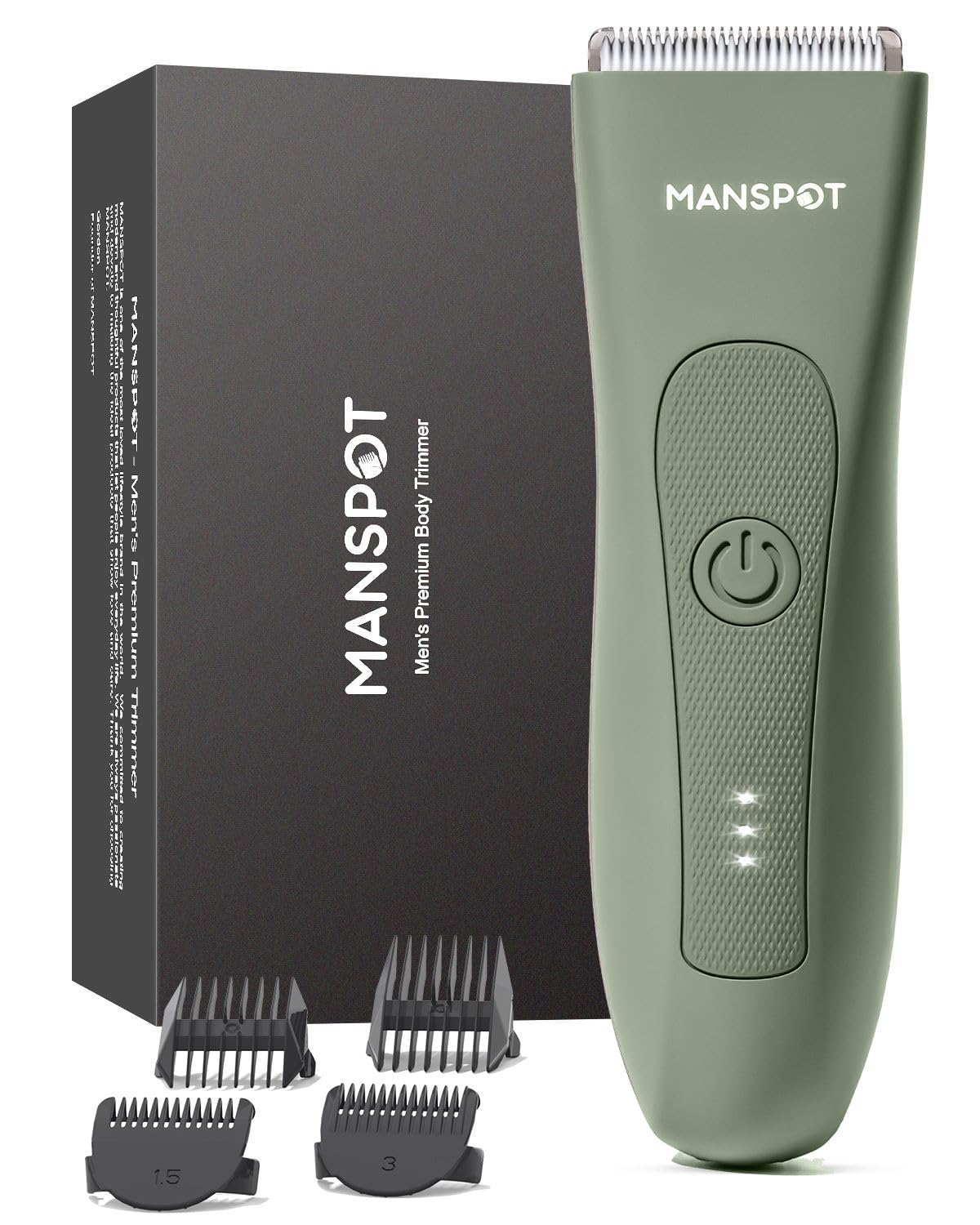
MANSPOT Electric Pubic Hair Trimmer - Waterproof Body and Groin Shaver for Men and Women (Black)
$20.39 $40
25% OFF

Lick-Safe Dog Paw and Nose Balm Stick - All-Natural Moisturizer with Coconut Oil for Dry, Cracked Pads and Snout
$11.69 $15.59
77% OFF
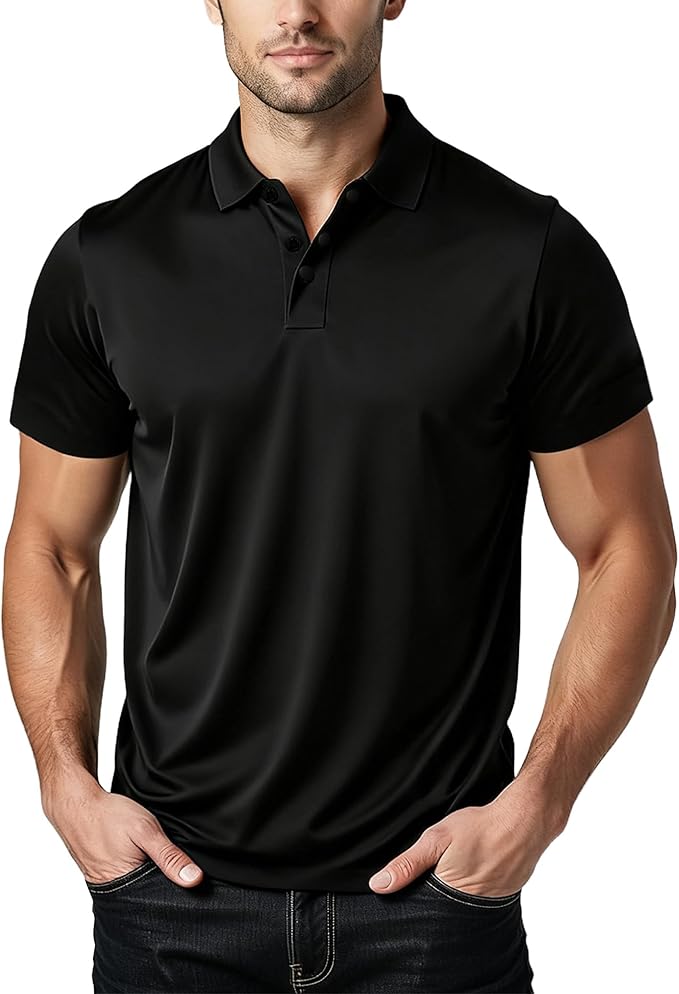
Men's Quick Dry Moisture Wicking Polo Shirt - High Elasticity Slim Fit Athletic Top (Runs Small)
$6.99 $29.99
46% OFF
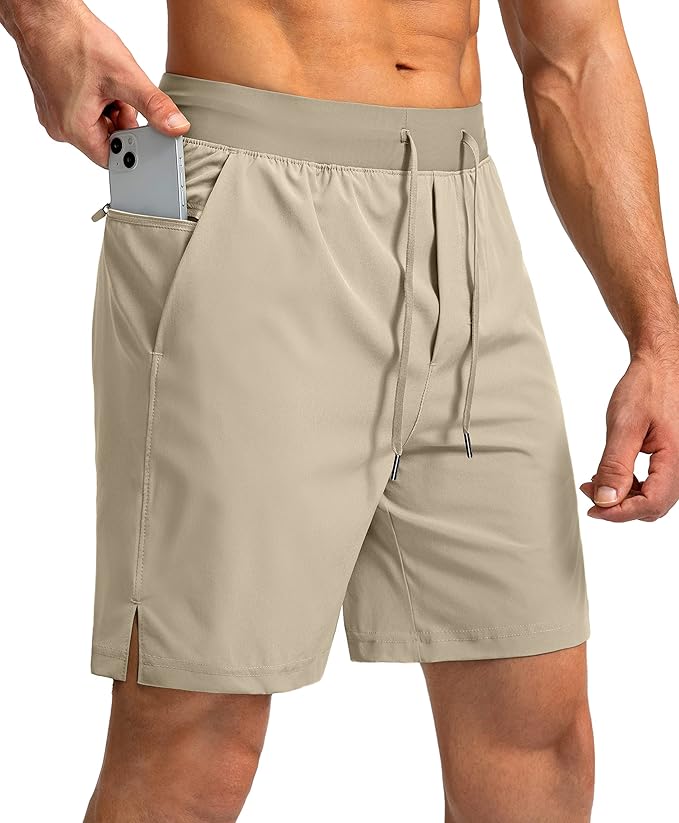
Men's Running Shorts with Zipper Pockets - Lightweight, Quick-Dry, Multi-Sport
$12.95 $23.99
50% OFF
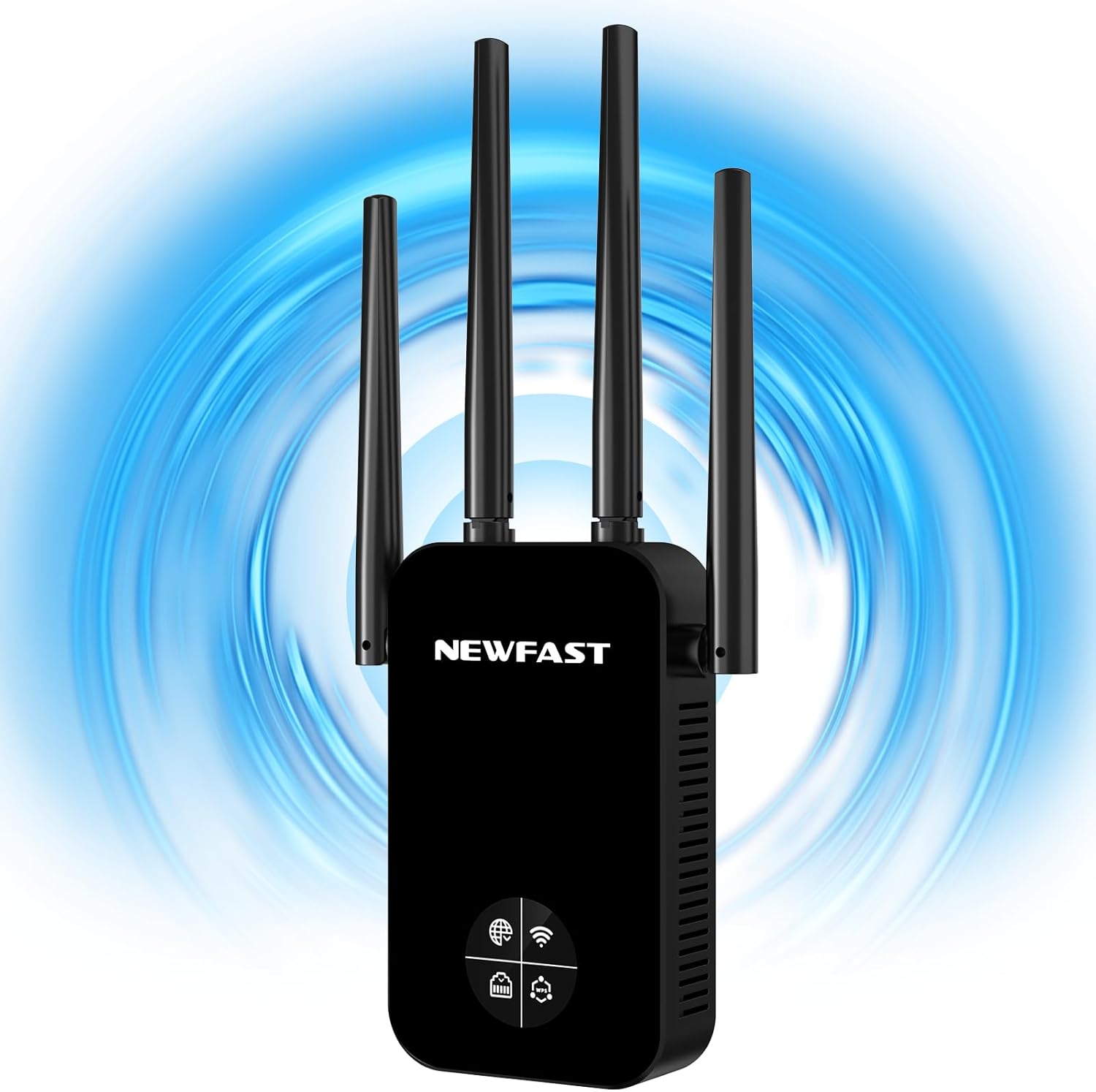
NEWFAST NF-RE523 AC1200 WiFi Extender - 1200Mbps Dual Band Signal Booster & Internet Repeater
$18.5 $36.99
48% OFF
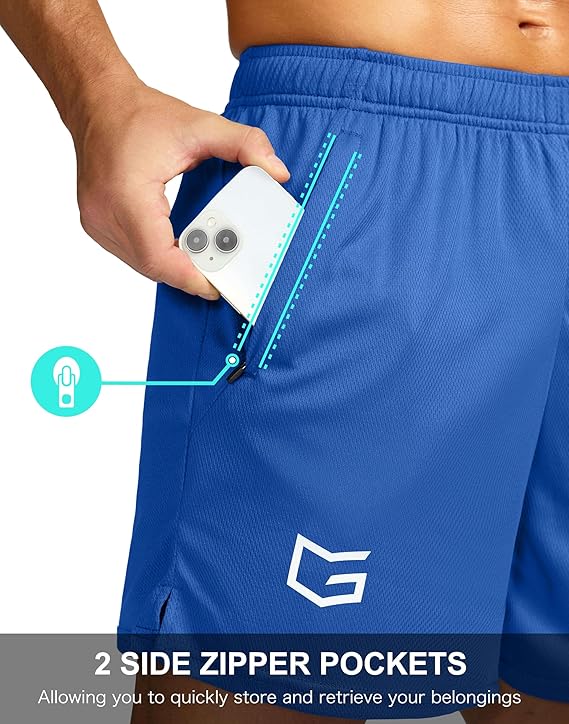
G Gradual Men's 7-inch Workout Running Shorts - Lightweight, Quick-Dry, Comfort
$12.91 $24.99
30% OFF
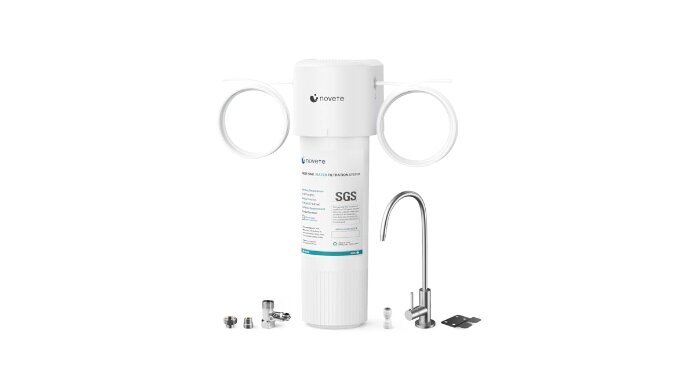
NOVETE Under Sink Water Filter - 3 Years, 30,000 Gallons, High-Efficiency Filtration
$41.99 $59.99
50% OFF

HDPE All-Weather Adirondack Chair with Built-In Cup Holder - Tool-Free Assembly (Grey)
$69.99 $139.99
60% OFF

HOMETUK Clear Plastic Storage Bins with Dividers - 3-Pack Stackable Acrylic Organizer Containers for Fridge and Pantry
$19.99 $49.99
58% OFF

G Gradual Men's Fishing Shirt - UPF 50+ Lightweight Short Sleeve Button Down with Zipper Pockets
$14.99 $35.99
55% OFF

Everyfun 60" Rectangular Platform Tree Swing - 700lbs Heavy Duty Adjustable Outdoor Swing (Colorful)
$49.99 $110.99
61% OFF

Ekouaer Women's Casual Loose Jumpsuit - One-Piece Printed Sleeveless Wide Leg Romper with Pockets
$14.99 $37.99
36% OFF

Men's Athletic Running Shorts with Zipper Pockets - Lightweight & Quick Dry
$12.74 $19.99
61% OFF

Modern Ceiling Fan with Light and Remote - Reversible Quiet DC Motor
$69.3 $179.99
50% OFF

MOOKA H13 True HEPA Air Purifier for Home Large Room - 1076 sq ft Odor Eliminator
$39.97 $79.95
40% OFF
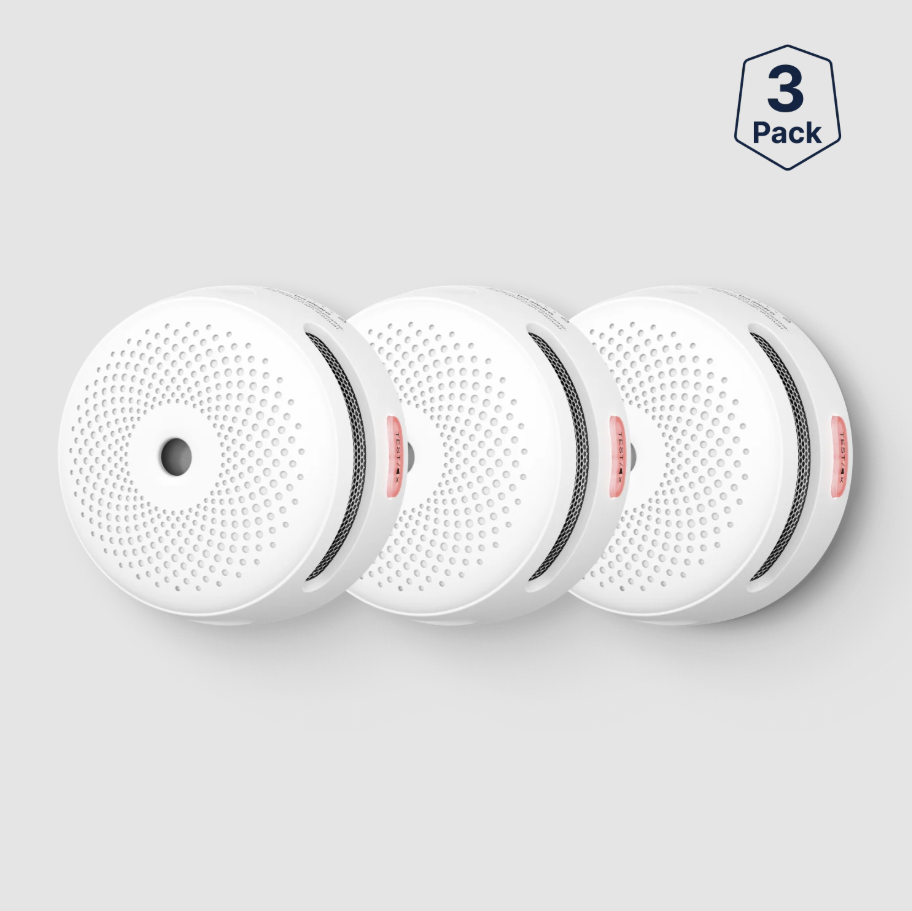
X-Sense XS01-WX Smart Smoke Alarm - 2.4 GHz Wi-Fi Photoelectric Fire Detector with Mobile App Alerts
$65.99 $109.99
11% OFF

VitaUp Beet Root Gummies with CoQ10 & Grape Seed - Nitric Oxide Circulation Support (60 Count)
$24.91 $27.91

Sealy 2-Pack Tritech 16" Twin Inflatable Air Mattress with Built-in AC Pump
$0 $113.99
20% OFF

INTEX Prism Frame 20ft x 52in Above Ground Pool Set - Round Steel Frame Swimming Pool
$695.99 $869.99

Gardner Pet 43" Heavy Duty Dog Crate with Wheels - Indestructible Folding Metal Cage (Black)
$0 $149.99




-

Diary of a CEO’s Steven Bartlett and John Lennox discuss AI, faith and the search for meaning
-

Belfast churches 'heartbroken' over unrest
-

Is there a two-tier Britain?
-

Churches must disciple well and listen well in response to rise of Christian nationalism
-

Biblical models and the creation of King Arthur
-

Welsh reverend speaks of culture of fear over LGBT issues
Most Popular
related articles
Tsvangirai gives Mugabe 24-hour deadline
Tsvangirai gives Mugabe 24-hour deadline
Tsvangirai says Zimbabweans being forced to vote
Tsvangirai says Zimbabweans being forced to vote
News
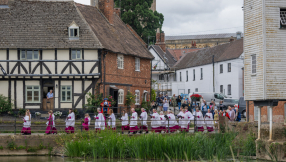
Gloucester churches come together to bless River Avon amid pollution concerns
It is part of a broader campaign against river pollution as concerns remain about the amount of untreated sewage in the Avon.

Life beyond burnout: how Christians can grow in the desert seasons
Christian Today speaks to author and Anglican priest Tish Harrison Warren about growth in desert seasons and why the Church shouldn’t treat all spiritual weariness as a problem to fix.

Iranian-born bishop stands in solidarity with Britain's Jews
2025 had the second highest number of antisemitic incidents on record.

Bishops protest Israeli arrest of another Palestinian Christian
An Evangelical Lutheran has been accused of "promoting terrorist activities".
MANSPOT Electric Pubic Hair Trimmer - Waterproof Body and Groin Shaver for Men and Women (Black)
$20.39
Lick-Safe Dog Paw and Nose Balm Stick - All-Natural Moisturizer with Coconut Oil for Dry, Cracked Pads and Snout
$11.69
Men's Quick Dry Moisture Wicking Polo Shirt - High Elasticity Slim Fit Athletic Top (Runs Small)
$6.99
Men's Running Shorts with Zipper Pockets - Lightweight, Quick-Dry, Multi-Sport
$12.95
NEWFAST NF-RE523 AC1200 WiFi Extender - 1200Mbps Dual Band Signal Booster & Internet Repeater
$18.5
G Gradual Men's 7-inch Workout Running Shorts - Lightweight, Quick-Dry, Comfort
$12.91
NOVETE Under Sink Water Filter - 3 Years, 30,000 Gallons, High-Efficiency Filtration
$41.99
HDPE All-Weather Adirondack Chair with Built-In Cup Holder - Tool-Free Assembly (Grey)
$69.99
HOMETUK Clear Plastic Storage Bins with Dividers - 3-Pack Stackable Acrylic Organizer Containers for Fridge and Pantry
$19.99
G Gradual Men's Fishing Shirt - UPF 50+ Lightweight Short Sleeve Button Down with Zipper Pockets
$14.99
Everyfun 60" Rectangular Platform Tree Swing - 700lbs Heavy Duty Adjustable Outdoor Swing (Colorful)
$49.99
Ekouaer Women's Casual Loose Jumpsuit - One-Piece Printed Sleeveless Wide Leg Romper with Pockets
$14.99
Men's Athletic Running Shorts with Zipper Pockets - Lightweight & Quick Dry
$12.74
Modern Ceiling Fan with Light and Remote - Reversible Quiet DC Motor
$69.3
MOOKA H13 True HEPA Air Purifier for Home Large Room - 1076 sq ft Odor Eliminator
$39.97
X-Sense XS01-WX Smart Smoke Alarm - 2.4 GHz Wi-Fi Photoelectric Fire Detector with Mobile App Alerts
$65.99
VitaUp Beet Root Gummies with CoQ10 & Grape Seed - Nitric Oxide Circulation Support (60 Count)
$24.91
Sealy 2-Pack Tritech 16" Twin Inflatable Air Mattress with Built-in AC Pump
$0
INTEX Prism Frame 20ft x 52in Above Ground Pool Set - Round Steel Frame Swimming Pool
$695.99
Gardner Pet 43" Heavy Duty Dog Crate with Wheels - Indestructible Folding Metal Cage (Black)
$0