ISIS' now-quashed reign of terror in Iraq saw the Islamists take loved ones, spread fear, destroy homes and force many to flee what they knew.
Now traumatised refugee children in Iraq are receiving healing help through the power of art therapy. Having experienced deep emotional pain and loss at the hands of ISIS, the children are getting restorative support from Christian persecution charity Open Doors.
The special power of artistry is providing a profound lens for children dealing with their ordeal, the charity said.
The childrens' work often includes dominant black figures. 'The dark figures represent IS and other evils the children had to endure,' says Maran, who runs the art classes.
'After a while, we see the children's paintings becoming more clear, bright and detailed, and the dark figures become smaller or disappear. This is a sign the children are processing their trauma.'
ISIS' destruction also included specifically anti-Christian targeting of churches: removing crosses or destroying buildings completely. 'When these kids visit the art class for the first time we ask them, "what is the thing you miss most from Iraq now that you live here?" Almost all of them draw their church,' said Maran.
'They used to go to church on a regular basis in Iraq, and they loved it. It's the place where they socialised. Many of these kids saw IS take down the crosses from their churches and it influenced them a lot.'
Another part of the therapy encourages the children to express their feelings, as well as the pain that can be transferred from parent to child. Because of shared trauma, 'There are a lot of mood swings going on in these families,' Maran said. 'The mother gets mad at the kids, the kids get mad at the mother, and they can't communicate well about it. In some cases, the mothers feel so powerless that they start beating their children.'
A 'mood clock' made by the children allowed them to 'set' their mood as either 'happy, okay, sad or mad'.
'Even some mothers are using it now to show to their children, "Today mummy is sad. I don't know why, but please give me some space,"' Maran explained.
The course ultimately invites the children to set positive, constructive goals for themselves, that once they're faced their trauma, they can put on a 'goals cloud' and hang on a wall. Maran explained: 'We replace the sadness and anger with good things. The kids put this by their bed so they can use it every day. It does not cost a lot, but it sure helps a lot.'
Maran is the founder of Jordanian aid group Al Hadaf, an organisation dedicated to serving the vulnerable, including restoring Iraqi Christian refugees, that has been partnering with Open Doors since 2015.
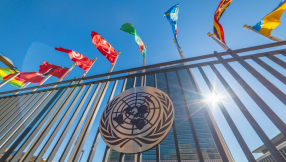
Open Doors is inviting signatories for its Hope for the Middle East petition, which will be presented to the UN on 11 December 2017. The petition currently has over 640,000 signatures from 142 countries, and comes as part of a seven-year campaign to ensure a future and hope for people of all faiths in the Middle East.