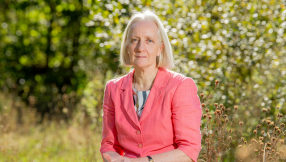
Leaders of churches and Christian organisations have spoken out in support of Tracey Crouch following her resignation as the minister responsible for gambling.
The government had announced earlier this year that the stake on Fixed Odds Betting Terminals (FOBTs) in betting shops would be cut from £100 to £2 to provide greater protection for the most vulnerable and limit the harm caused by problem gambling. The machine have been described as the 'crack cocaine' of gambling, allowing punters to lose as much as £100 every 20 seconds. They have been blamed for gambling addiction and for a range of mental, social and financial problems.
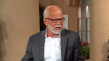
Crouch's action last night came after the government delayed introducing a £2 limit on FOBTs until October 2019. She was praised by, among others, the Archbishop of Canterbury, who tweeted about her 'principled and courageous' stance.
@tracey_crouch who resigned as Sports Minister over the delay to reducing the maximum stake on fixed odds betting machines, is principled and courageous. May God bless her commitment to doing right.
— Archbishop of Canterbury (@JustinWelby) November 1, 2018 " data-caption="null" data-credit="null">Leaders in the Church of England, the Methodist Church, the Baptist Union of Great Britain, the United Reformed Church, the Evangelical Alliance, CARE and Quaker Action on Alcohol and Drugs have supported Crouch's position.
In a joint statement they say: 'For the last five years, since she raised the issue of the harmful impact of FOBTs in her Chatham constituency in a debate in Parliament, Tracey Crouch has been committed to achieving a sensible maximum stake as soon as possible. As a minister, she has shown unfailing loyalty to government policy, while not concealing her real concern. We echo the tributes that have been made to her consistent, principled approach.
'No valid reasons have been given for delaying implementation of the £2 stake. Individuals, families and communities will continue to suffer – at the cost, even, of more avoidable deaths – for six months beyond April 2019, unless the government accepts that the same reasons which led it to accept the change must lead it to bring the date forward.'
The statement is signed by Mark Sheard, chair of the Mission and Public Affairs Council of the Church of England, Bala Gnanapragasam, vice-president of the Methodist Conference, Rev Stephen Keyworth, Baptist Union of Great Britain, Rev John Proctor, general secretary of the United Reformed Church, Dr David Landrum, director of advocacy for the Evangelical Alliance, Alison Mather, director of Quaker Action on Alcohol and Drugs, and Nola Leach, chief executive of CARE.