
|PIC1|The outbreak of swine flu in a number of nations worldwide is rightly a cause for concern. But it is not yet a cause for widespread anxiety.
The threat is real. Yet this situation is already showing signs of morphing into yet another example of the science and politics of fear.
Whatever we do to take action against swine flu, we must also guard against the panic or malaise that sustained fear brings.
Cases of infection have surfaced in countries as far apart as New Zealand, China and Israel. Around the world, governments and health authorities are trying to curtail the spread of the disease, by discouraging travel to affected areas and providing fast-track support to laboratories that are looking for an antidote.
Of course, this is the right response to a threat that may (I stress may) reach pandemic proportions. The 1914 Spanish flu, a variant of the H1N1 virus we now face, killed between 20 and 100 million people, depending on which reports you read.
This week The Lancet? a widely-known and respected medical journal, issued a press release saying that it "expects the number of those infected to increase and the spread of infection to expand."
Meanwhile, The Times reports that hundreds of schoolchildren in New York may be infected with the virus and some US health authorities believe that the world is on track for a pandemic.
In this global village, though, too many people are prone to turn real public threats into self-seeking opportunities to build constituencies or sell products, agendas or ideologies.
In human terms, fear is a good motivator in the short-term; it helps us react to emergencies, raising the fight or flight response mechanisms.
In the medium to longer term, though, fear is a very poor option. It is counterproductive, robbing us of the ability to think objectively and strategically and to act decisively.
If allowed to grow unchecked in our minds, fear breeds terror, panic and irrational responses to problems. In short, it cripples our ability to act wisely or creatively.
One of the children who tested positive for the virus after catching it at her New York school, told The Times: "It does seem scary when they put you in isolation, but it goes away. It's something to be afraid of, but you have to go on with your life."
Out of the mouths of babes?
About Mal Fletcher:
Mal Fletcher is an author, business and media consultant, media commentator, global conference speaker and broadcaster based in London.
He has pioneered several major leadership networks and is the chairman of 2020 Plus, a London-based leadership and communications consultancy which is helping business, media and community groups to proactively engage future change, especially in difficult times.
Mal hosts the annual Strategic Leadership Consultation, which he founded in 1998, and was the founding National Director of Youth Alive Australia, a large, nationwide organisation teaching positive values to young people and running drug and alcohol-free events.
Follow Mal on Twitter www.twitter.com/malfletcher or go to www.2020Plus.org for more information. Copyright Mal Fletcher 2009
-
Christian advent calendar sales 'soar' after online storm with Meghan Markle fans
-
Immigration fears shape views of Britishness and Christianity, report finds
-

Christian teacher challenges dismissal after sharing pro-life views in class
-

Pastor convicted of breaching abortion buffer zone set for appeal
News
-

Christian advent calendar sales 'soar' after online storm with Meghan Markle fans
-

Christian teacher challenges dismissal after sharing pro-life views in class
-

Televangelist Jim Bakker dies at 86
-

What’s so fascinating about Church of England vicars?
-

When ‘my truth’ replaces the truth
-

UK Christians unite for nine days of prayer as National Week of Prayer enters third year
Most Popular
News
Christian beliefs increasingly unfamiliar to British public, research finds
With more and more people unclear about basic Christian teachings, Britain “is a mission field” in need of faithful Gospel witness, says Ligonier Ministries, which commissioned the survey.
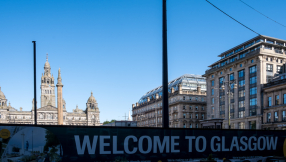
Half of Catholic churches in Glasgow to close
The city was once famed for its Catholic heritage.
The questions Britain must answer about Christian free speech
The case of Anita Meston, the teacher sacked by a secondary school for expressing pro-life views, deepens Britain’s reputation for suppressing Christian freedom of speech.

Do we truly give thanks for harvest and the harvesters?
This year’s harvest comes at a crisis moment for British farmers.








