
A top Sri Lankan government official has accused aid group Action Contre la Faim of being responsible for the massacre of 17 of their own local staff last year through "negligence" and "irresponsibility".
Rajiva Wijesinha, head of the government's peace secretariat and in charge of coordinating the island's battered peace process for the state, has written to the island's Human Rights Minister calling for an independent probe into the matter.
Nordic truce monitors have blamed the massacre, the worst attack on aid workers since the 2003 bomb attack on the United Nations office in Baghdad, on state security forces. The government denies this and says it is investigating.
"We have not dealt firmly enough with the original reason for the tragedy, which was the utter irresponsibility of the ACF organisation in putting such workers at risk," Wijesinha wrote in a letter to Human Rights Minister Mahinda Samarasinghe dated August 13, his office said.
Wijesinha said the government should insist on an independent probe into why the group's staff were told to stay put in their compound during fighting between troops and Tamil Tiger rebels and demand more compensation for the families of the victims.
"There is no doubt that such negligence, if addressed in a European court of law, would have resulted in the award of massive damages to the grieved families, rather than the puny amounts that I gather from NGO sources have been awarded," he added.
President Mahinda Rajapaksa's government denies security forces have been involved in rights abuses and says a presidential commission is probing the allegations. The government has also rejected calls for a United Nations rights monitoring mission.
International observers say the presidential inquiry into the massacre fails to meet international standards, and Action Contre la Faim is still waiting for answers as to who killed its staff a year on.
"If they want an inquiry, ACF agrees to cooperate, as long as it is an international and independent inquiry," said Loan Tran-Thanh, head of ACF's Sri Lanka mission.
"The main point is we shouldn't forget our focus, which is who did the killing and who held the weapons."
U.N. Under-Secretary-General for Humanitarian Affairs John Holmes said on a visit to Sri Lanka last week the island had one of the worst records in the world for humanitarian aid worker safety.
He said almost 30 aid workers had been killed over the past 18 months. The Consortium for Humanitarian Agencies, an umbrella group of 104 aid agencies operating in Sri Lanka, puts the number at 34, which the government questions.
The government has vilified Holmes, accusing him of bias, helping to tarnish the government's reputation and indiscretion.
Press freedom groups say Sri Lanka is also among the most dangerous places in the world to cover. Rights groups say around a dozen journalists and media workers have been killed since late 2005.
Nearly 70,000 people have been killed in the conflict in Sri Lanka since 1983 -- around 4,500 in the last year alone.
50% OFF

NEWFAST NF-RE523 AC1200 WiFi Extender - 1200Mbps Dual Band Signal Booster & Internet Repeater
$18.5 $36.99
48% OFF

G Gradual Men's 7-inch Workout Running Shorts - Lightweight, Quick-Dry, Comfort
$12.91 $24.99
50% OFF

HDPE All-Weather Adirondack Chair with Built-In Cup Holder - Tool-Free Assembly (Grey)
$69.99 $139.99
60% OFF

HOMETUK Clear Plastic Storage Bins with Dividers - 3-Pack Stackable Acrylic Organizer Containers for Fridge and Pantry
$19.99 $49.99
58% OFF

G Gradual Men's Fishing Shirt - UPF 50+ Lightweight Short Sleeve Button Down with Zipper Pockets
$14.99 $35.99
55% OFF

Everyfun 60" Rectangular Platform Tree Swing - 700lbs Heavy Duty Adjustable Outdoor Swing (Colorful)
$49.99 $110.99
61% OFF

Ekouaer Women's Casual Loose Jumpsuit - One-Piece Printed Sleeveless Wide Leg Romper with Pockets
$14.99 $37.99
40% OFF
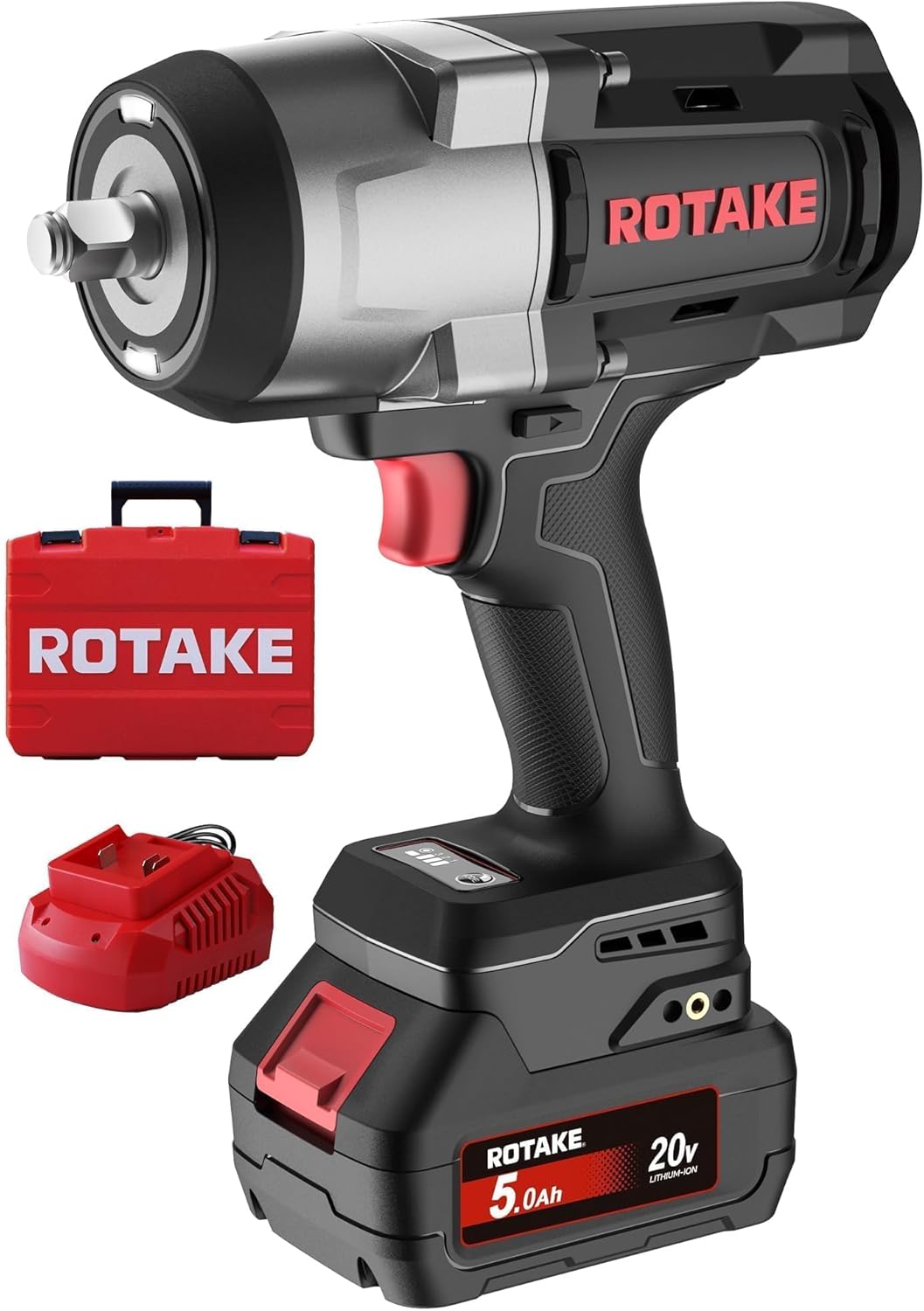
ROTAKE TB3 20V Heavy Duty 1/2" Cordless Impact Wrench Kit - 1380 Ft-Lbs Torque
$132 $219.99
36% OFF

Men's Athletic Running Shorts with Zipper Pockets - Lightweight & Quick Dry
$12.74 $19.99
61% OFF

Modern Ceiling Fan with Light and Remote - Reversible Quiet DC Motor
$69.3 $179.99
50% OFF

MOOKA H13 True HEPA Air Purifier for Home Large Room - 1076 sq ft Odor Eliminator
$39.97 $79.95
60% OFF

Ekouaer Women's Satin Silky Pajama Set - Short Sleeve Pullover Top & Wide-Leg Pants
$13.99 $34.99
55% OFF

Ekouaer 3-Piece Maternity & Nursing Pajamas Set - Short Sleeve Top with Shorts and Pants
$14.99 $32.99
11% OFF

VitaUp Beet Root Gummies with CoQ10 & Grape Seed - Nitric Oxide Circulation Support (60 Count)
$24.91 $27.91
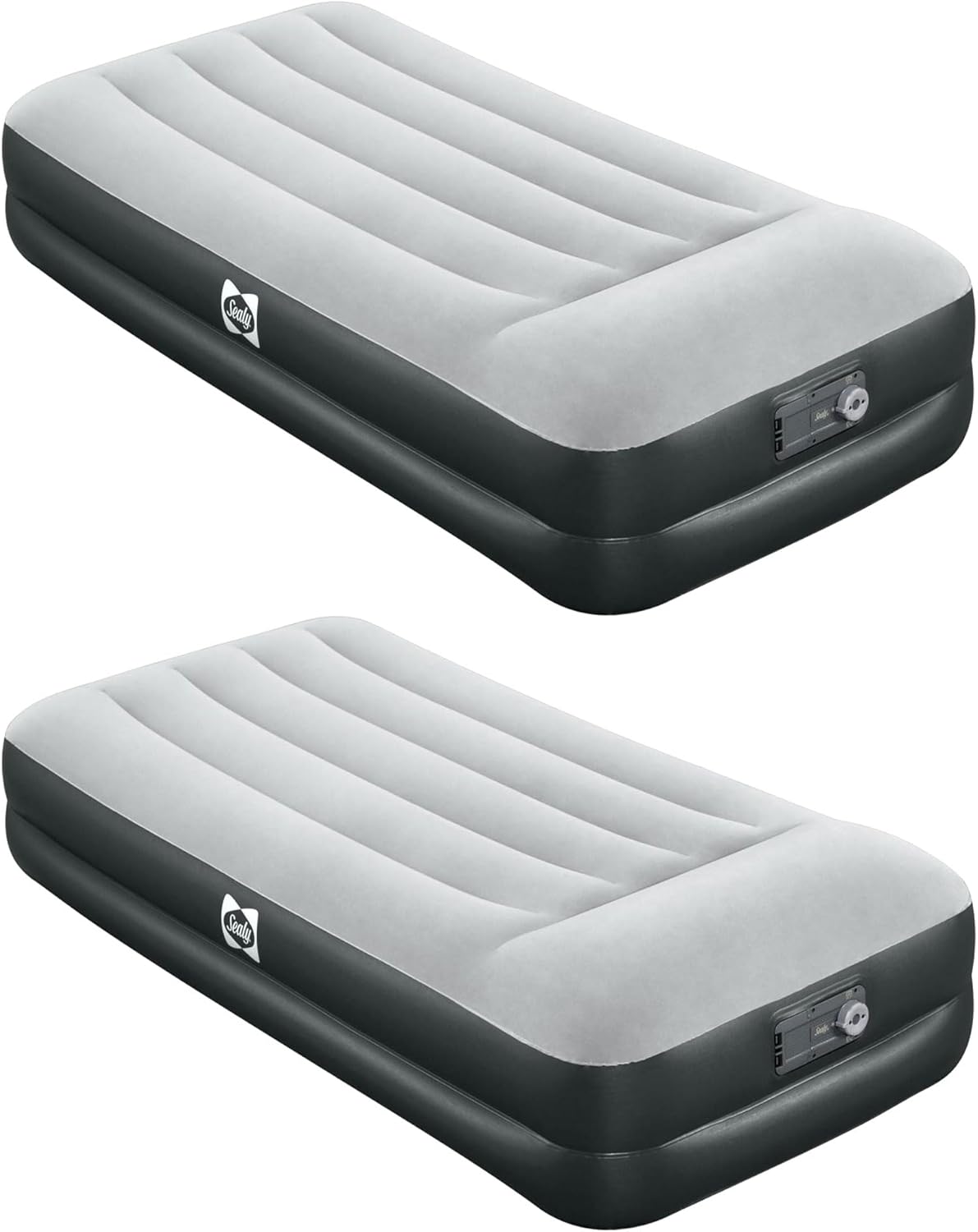
Sealy 2-Pack Tritech 16" Twin Inflatable Air Mattress with Built-in AC Pump
$0 $113.99
20% OFF
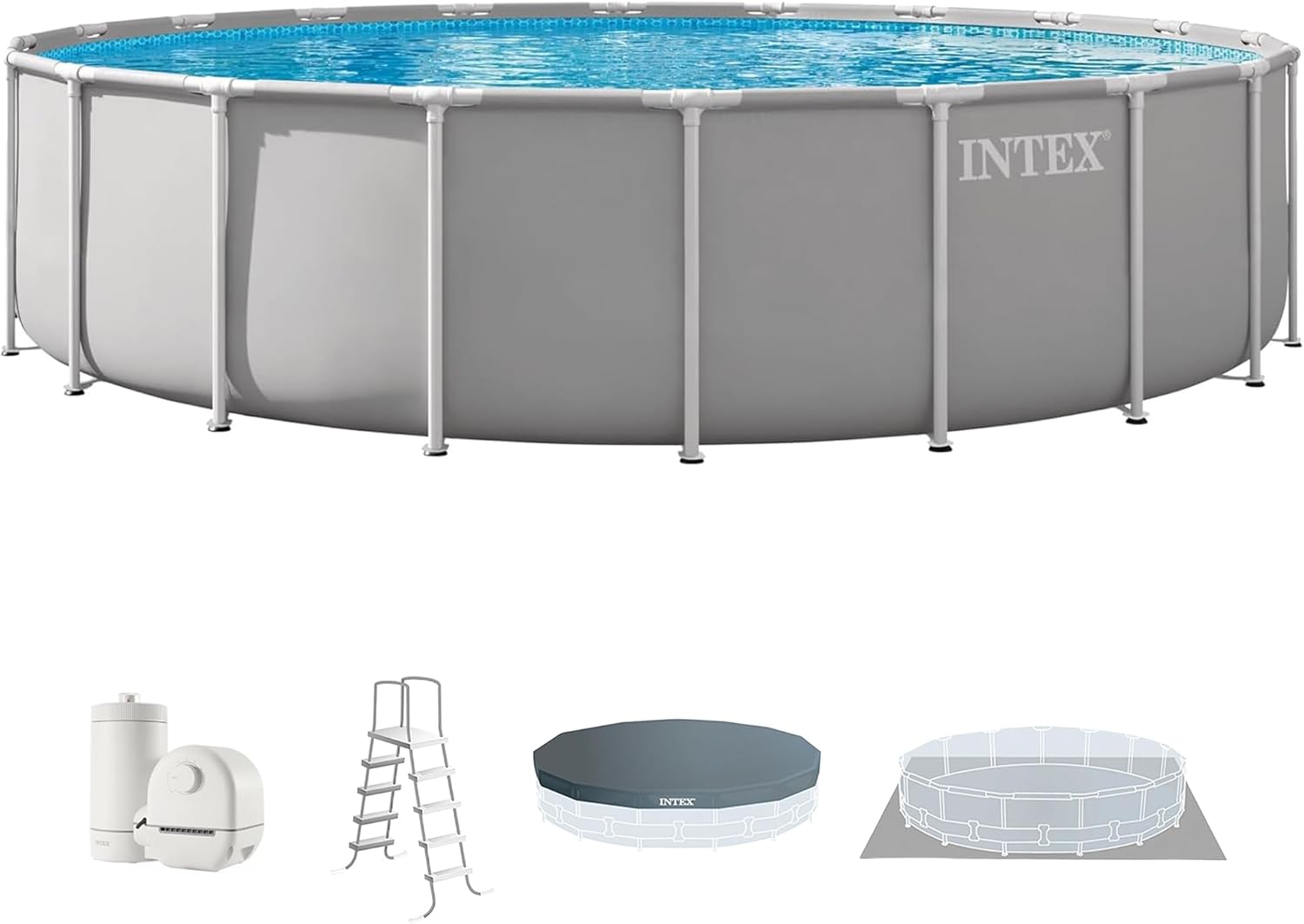
INTEX Prism Frame 20ft x 52in Above Ground Pool Set - Round Steel Frame Swimming Pool
$695.99 $869.99

Gardner Pet 43" Heavy Duty Dog Crate with Wheels - Indestructible Folding Metal Cage (Black)
$0 $149.99
12% OFF

Elegant Mid-Century Modern Bar Stools - Set of 4
$395.99 $449.99
23% OFF

Ergonomic Office Chair - Big and Tall Desk Chair with Adjustable Lumbar Support
$279.99 $363.99
26% OFF

Magnelex American Flag Windshield Sun Shade - High-Resolution UV Reflective Heat Shield (X-Large)
$19.9 $26.9




-

Historic Lancashire church secures £250,000 National Lottery grant for major roof repairs
-

Sunderland Minster PCC was right to push back over trans toilet sign
-

Report warns religious freedom protections in Mexico exist largely ‘on paper’
-

Bethel Church distances itself from Todd Bentley and Mike Bickle
-

Christian police officer reaches settlement over diversity training discrimination claim
-
Turkey's hidden Christian past: Extraordinary discoveries are rewriting the story of early Christianity
Most Popular
related articles
Ecumenical Mission Team to Visit Local Church Communities in Sri Lanka
Ecumenical Mission Team to Visit Local Church Communities in Sri Lanka
Sri Lanka Welcomes First Ecumenical Conflict Research Team
Sri Lanka Welcomes First Ecumenical Conflict Research Team
Sri Lanka Criticises UN Aid Chief Over Safety Fears
Sri Lanka Criticises UN Aid Chief Over Safety Fears
UN says Sri Lanka a Top Danger Spot for Aid Workers
UN says Sri Lanka a Top Danger Spot for Aid Workers
News

Praying for the World Cup
Let's pray that in a world of conflict and division the World Cup may bring joy to many this summer.

Pride and the Gospel: the way of self or the way of Christ?
As Christians, our understanding of pride is shaped not primarily by culture, but by Scripture.
Campaign urging greater support for Christian education
Unite for Education founder, Niel Deepnarain, said Christians must be willing to engage publicly with educational issues rather than remain silent.

Welsh reverend speaks of culture of fear over LGBT issues
Many people have already left the Church in Wales over its stance on same-sex relationships, an evangelical leader has said.
NEWFAST NF-RE523 AC1200 WiFi Extender - 1200Mbps Dual Band Signal Booster & Internet Repeater
$18.5
G Gradual Men's 7-inch Workout Running Shorts - Lightweight, Quick-Dry, Comfort
$12.91
HDPE All-Weather Adirondack Chair with Built-In Cup Holder - Tool-Free Assembly (Grey)
$69.99
HOMETUK Clear Plastic Storage Bins with Dividers - 3-Pack Stackable Acrylic Organizer Containers for Fridge and Pantry
$19.99
G Gradual Men's Fishing Shirt - UPF 50+ Lightweight Short Sleeve Button Down with Zipper Pockets
$14.99
Everyfun 60" Rectangular Platform Tree Swing - 700lbs Heavy Duty Adjustable Outdoor Swing (Colorful)
$49.99
Ekouaer Women's Casual Loose Jumpsuit - One-Piece Printed Sleeveless Wide Leg Romper with Pockets
$14.99
ROTAKE TB3 20V Heavy Duty 1/2" Cordless Impact Wrench Kit - 1380 Ft-Lbs Torque
$132
Men's Athletic Running Shorts with Zipper Pockets - Lightweight & Quick Dry
$12.74
Modern Ceiling Fan with Light and Remote - Reversible Quiet DC Motor
$69.3
MOOKA H13 True HEPA Air Purifier for Home Large Room - 1076 sq ft Odor Eliminator
$39.97
Ekouaer Women's Satin Silky Pajama Set - Short Sleeve Pullover Top & Wide-Leg Pants
$13.99
Ekouaer 3-Piece Maternity & Nursing Pajamas Set - Short Sleeve Top with Shorts and Pants
$14.99
VitaUp Beet Root Gummies with CoQ10 & Grape Seed - Nitric Oxide Circulation Support (60 Count)
$24.91
Sealy 2-Pack Tritech 16" Twin Inflatable Air Mattress with Built-in AC Pump
$0
INTEX Prism Frame 20ft x 52in Above Ground Pool Set - Round Steel Frame Swimming Pool
$695.99
Gardner Pet 43" Heavy Duty Dog Crate with Wheels - Indestructible Folding Metal Cage (Black)
$0
Elegant Mid-Century Modern Bar Stools - Set of 4
$395.99
Ergonomic Office Chair - Big and Tall Desk Chair with Adjustable Lumbar Support
$279.99
Magnelex American Flag Windshield Sun Shade - High-Resolution UV Reflective Heat Shield (X-Large)
$19.9