
Space shuttle Discovery blasted off a seaside launch pad at the Kennedy Space Center in Florida on Saturday to deliver Japan's huge new research laboratory to the International Space Station.
The start of NASA's 123rd shuttle mission was as smooth as they come, with no technical glitches and no weather issues as the countdown clock ticked down to 5:02 p.m. EDT (10:02 p.m. British time).
That was the moment when Earth's rotation positioned the shuttle for its most direct path to the orbiting space station.
The shuttle's twin booster rockets roared to life, joining the ship's three hydrogen-burning main engines to catapult the 4.5-million-pound (2.04-million-kg) ship into the air. The load was especially hefty with Japan's Kibo lab tipping the scales at more than 16 tonnes.
"While we all tend to live for today, Kibo will give us hope for tomorrow," said shuttle commander Mark Kelly. "Now stand by for the greatest show on Earth."
Kibo, a complex that cost Japan about $2 billion (1 billion pounds) to manufacture, is being installed aboard the space station in three flights. The elaborate complex includes a storage chamber, launched in March, the main lab aboard Discovery and an outdoor porch slated to fly next year.
Kibo's main segment is a 37-foot (11-metre) by 15-foot (4.6-metre) cylinder that took up much of the shuttle's 50-foot (15-metre) cargo bay.
Japan built a large complex to make sure there was plenty of room for its own ambitious science program as well as those of the station's other partner nations. The United States is entitled to half of Kibo's lab space in exchange for building and operating the station and launching the hardware.
NASA administrator Michael Griffin called the construction of a lab capable of supporting humans in space a milestone for Japan.
"With this step, Japan has shown itself to be fully capable of participating at the highest levels in space exploration," he said at a news conference after the launch.
The Kibo complex is as big as a tour bus and eventually will be outfitted with 23 refrigerator-sized racks, 10 of which will be devoted to science investigations.
SCIENCE AND CULTURE
In addition to fluid physics experiments, biomedical research and other microgravity studies, Japan plans cultural activities aboard Kibo, such as dance, art and sculpture.
"We're interested in creating a new art expression in space," Junichiro Shimizu, an official with the Japan Aerospace Exploration Agency, said in an interview.
Kibo was the main focus of Discovery's planned 14-day mission. Most of that time will be spent at the space station, which is in need of some maintenance and repair services.
Astronauts plan to replace a nitrogen tank that pressurizes the station's cooling system and clean a metal ring that is part of the solar power system. It is causing vibrations when it spins a pair of solar wing panels.
Discovery is also carrying a new pump for the space station's toilet, which needs to be manually flushed several times a day. Until the new commode is installed, the three-member station crew will be free to use the shuttle's toilet, NASA space flight chief Bill Gerstenmaier said.
A NASA official said a preliminary look at launch images showed that five pieces of insulating foam fell off the shuttle's external fuel tank during its climb to space. But none was expected to pose a danger to Discovery.
Fuel tank foam has been a concern for the space agency since it triggered the loss of the shuttle Columbia in 2003. A piece of foam knocked a hole in the spacecraft's wing during launch and the ship disintegrated on re-entry into Earth's atmosphere, killing the seven astronauts on board.
The Discovery crew includes lead spacewalker Mike Fossum and five rookies in space: pilot Kenneth Ham, flight engineer Ronald Garan, lead robotic arm operator Karen Nyberg, Japan's Akihiko Hoshide and space station flight engineer Gregory Chamitoff, who will swap places with NASA's Garrett Reisman.
NASA has seven missions planned to finish construction of the $100 billion station and two resupply flights before the shuttle fleet is retired in 2010.
It also plans to fly a final servicing call to the Hubble Space Telescope in October.
49% OFF
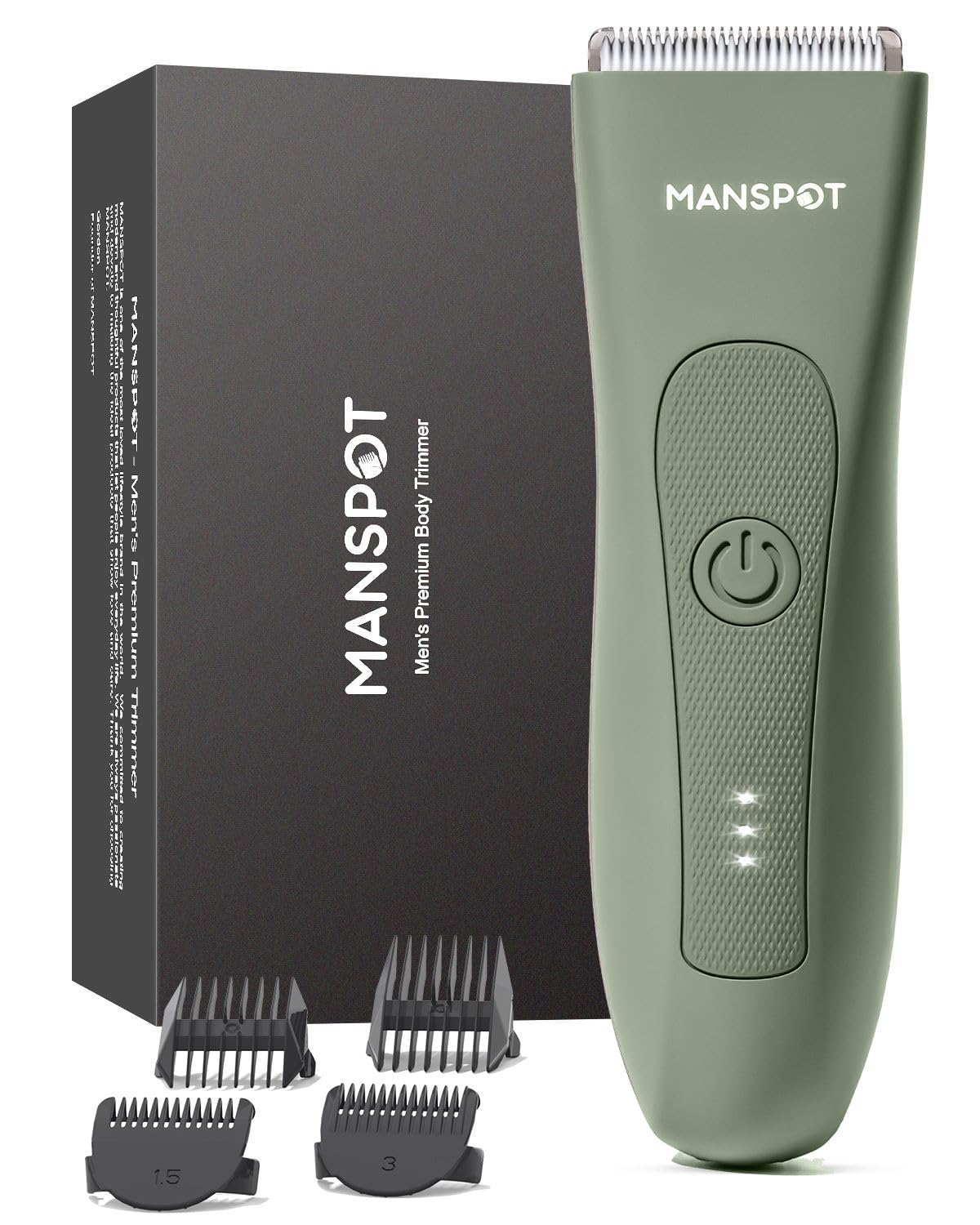
MANSPOT Electric Pubic Hair Trimmer - Waterproof Body and Groin Shaver for Men and Women (Black)
$20.39 $40
25% OFF
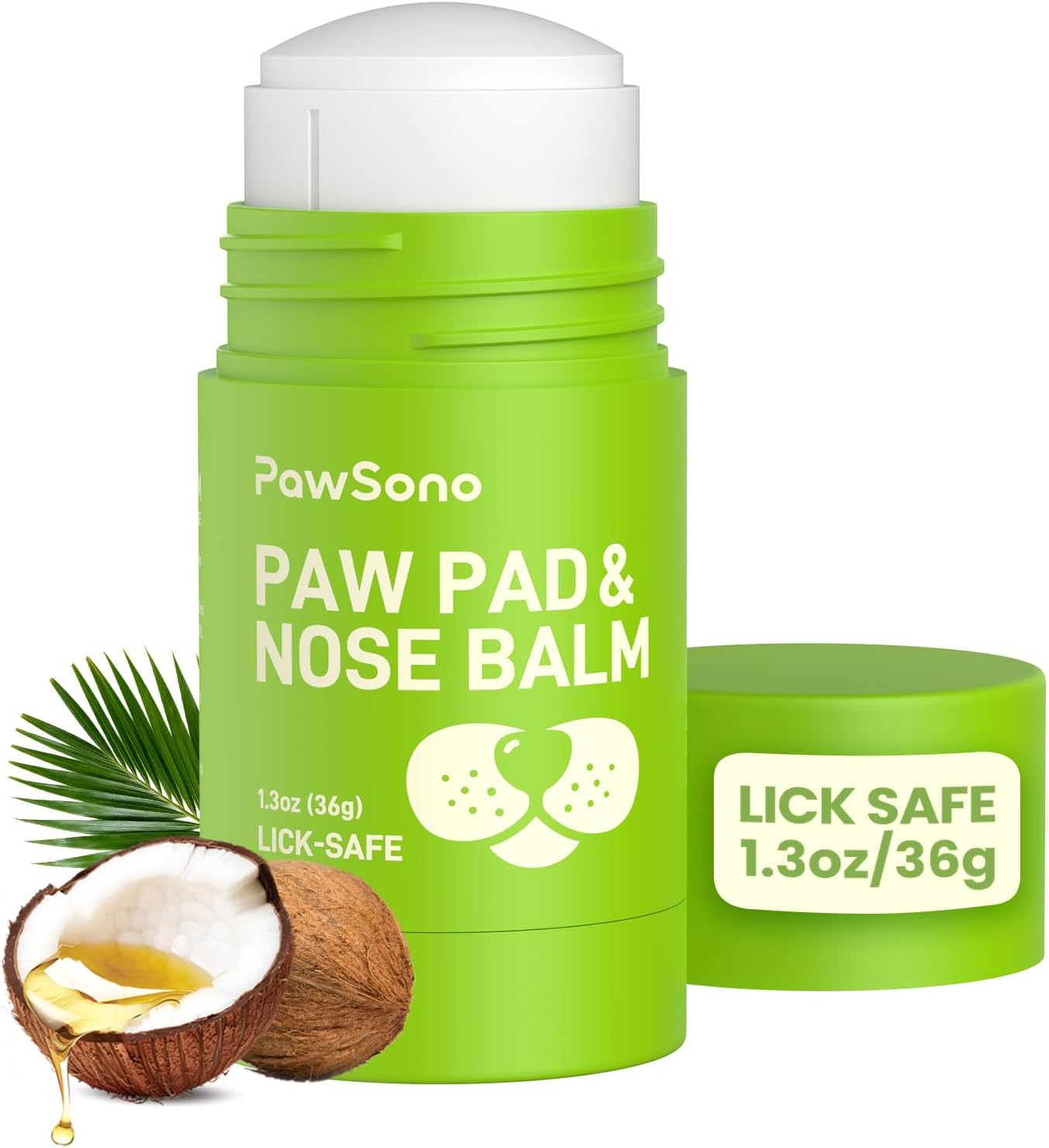
Lick-Safe Dog Paw and Nose Balm Stick - All-Natural Moisturizer with Coconut Oil for Dry, Cracked Pads and Snout
$11.69 $15.59
77% OFF
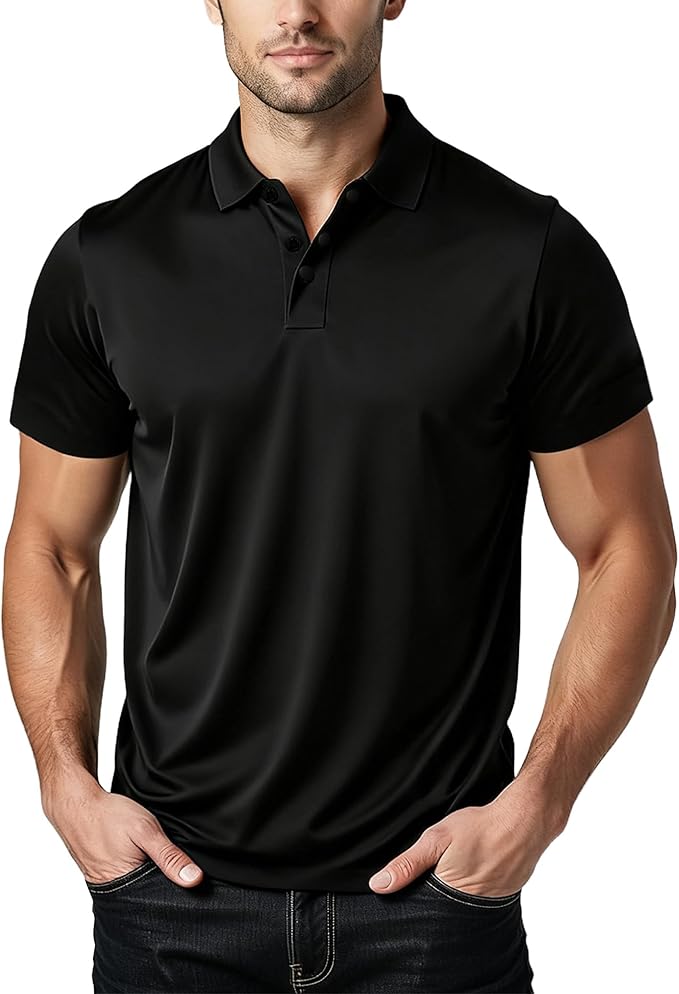
Men's Quick Dry Moisture Wicking Polo Shirt - High Elasticity Slim Fit Athletic Top (Runs Small)
$6.99 $29.99
46% OFF
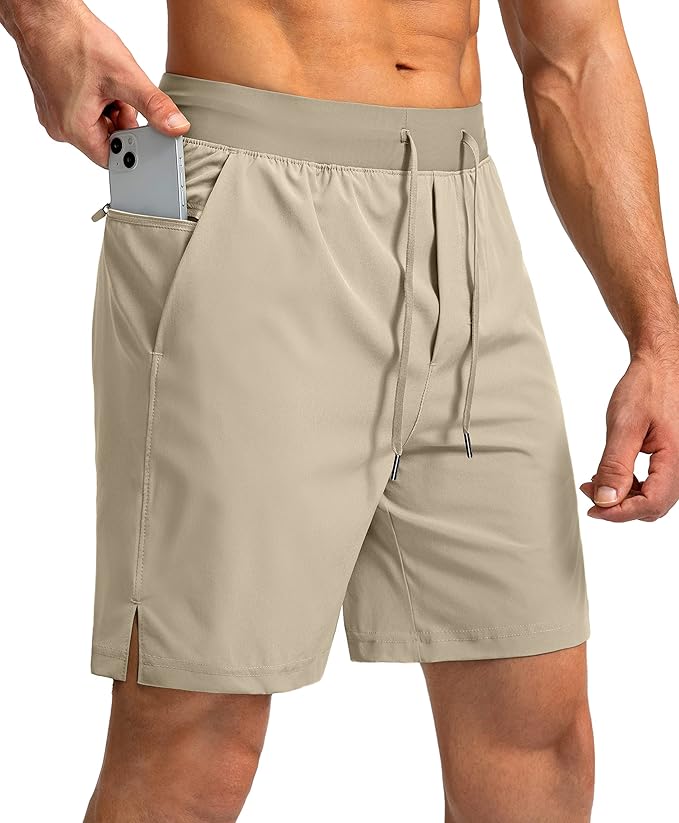
Men's Running Shorts with Zipper Pockets - Lightweight, Quick-Dry, Multi-Sport
$12.95 $23.99
50% OFF

NEWFAST NF-RE523 AC1200 WiFi Extender - 1200Mbps Dual Band Signal Booster & Internet Repeater
$18.5 $36.99
48% OFF
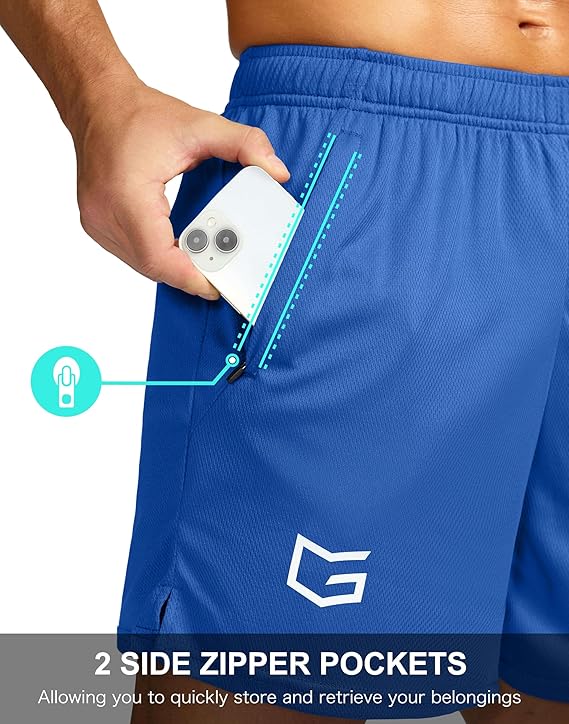
G Gradual Men's 7-inch Workout Running Shorts - Lightweight, Quick-Dry, Comfort
$12.91 $24.99
30% OFF
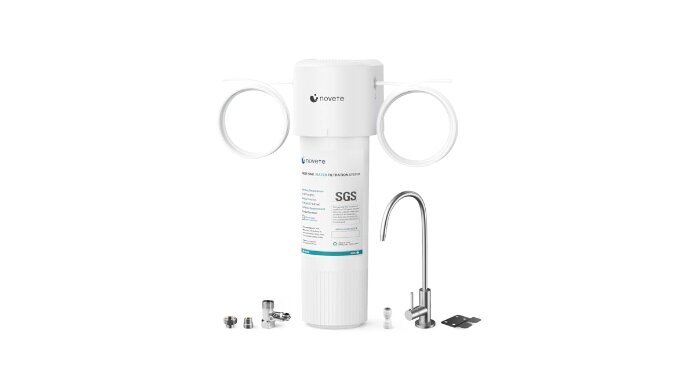
NOVETE Under Sink Water Filter - 3 Years, 30,000 Gallons, High-Efficiency Filtration
$41.99 $59.99
50% OFF

HDPE All-Weather Adirondack Chair with Built-In Cup Holder - Tool-Free Assembly (Grey)
$69.99 $139.99
60% OFF

HOMETUK Clear Plastic Storage Bins with Dividers - 3-Pack Stackable Acrylic Organizer Containers for Fridge and Pantry
$19.99 $49.99
58% OFF

G Gradual Men's Fishing Shirt - UPF 50+ Lightweight Short Sleeve Button Down with Zipper Pockets
$14.99 $35.99
55% OFF

Everyfun 60" Rectangular Platform Tree Swing - 700lbs Heavy Duty Adjustable Outdoor Swing (Colorful)
$49.99 $110.99
61% OFF

Ekouaer Women's Casual Loose Jumpsuit - One-Piece Printed Sleeveless Wide Leg Romper with Pockets
$14.99 $37.99
36% OFF

Men's Athletic Running Shorts with Zipper Pockets - Lightweight & Quick Dry
$12.74 $19.99
61% OFF

Modern Ceiling Fan with Light and Remote - Reversible Quiet DC Motor
$69.3 $179.99
50% OFF

MOOKA H13 True HEPA Air Purifier for Home Large Room - 1076 sq ft Odor Eliminator
$39.97 $79.95
40% OFF
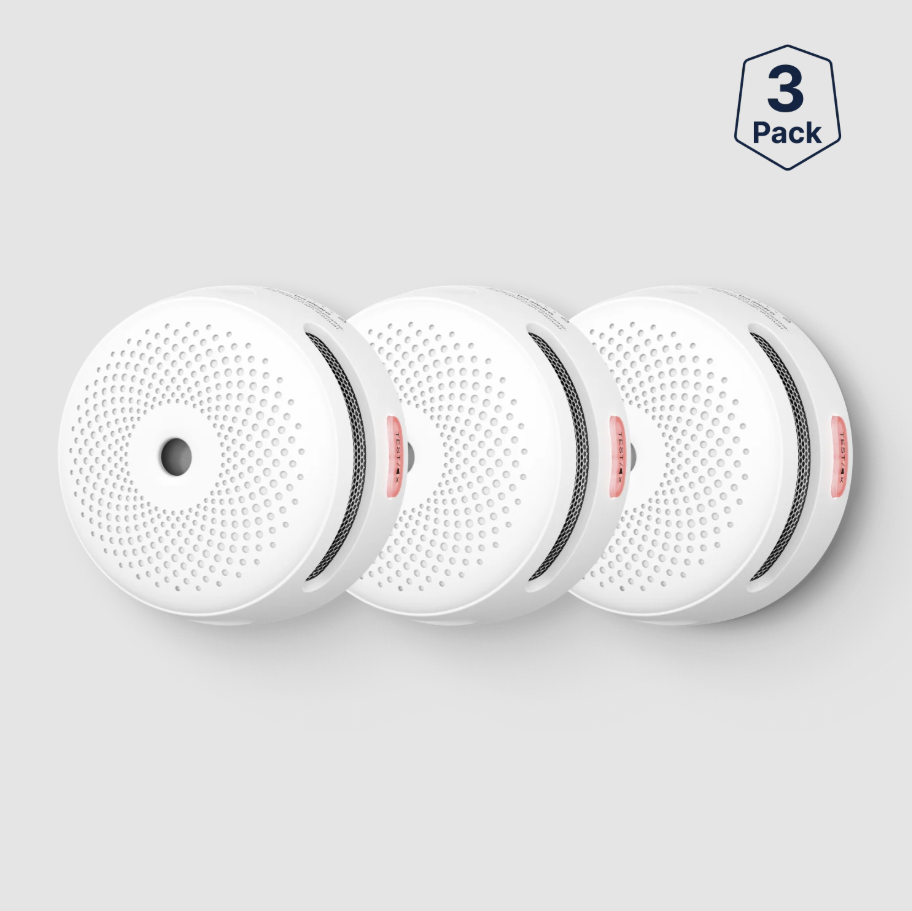
X-Sense XS01-WX Smart Smoke Alarm - 2.4 GHz Wi-Fi Photoelectric Fire Detector with Mobile App Alerts
$65.99 $109.99
11% OFF

VitaUp Beet Root Gummies with CoQ10 & Grape Seed - Nitric Oxide Circulation Support (60 Count)
$24.91 $27.91

Sealy 2-Pack Tritech 16" Twin Inflatable Air Mattress with Built-in AC Pump
$0 $113.99
20% OFF

INTEX Prism Frame 20ft x 52in Above Ground Pool Set - Round Steel Frame Swimming Pool
$695.99 $869.99

Gardner Pet 43" Heavy Duty Dog Crate with Wheels - Indestructible Folding Metal Cage (Black)
$0 $149.99




-

Diary of a CEO’s Steven Bartlett and John Lennox discuss AI, faith and the search for meaning
-

Belfast churches 'heartbroken' over unrest
-

Is there a two-tier Britain?
-

Churches must disciple well and listen well in response to rise of Christian nationalism
-

Biblical models and the creation of King Arthur
-

Welsh reverend speaks of culture of fear over LGBT issues
Most Popular
News

Gloucester churches come together to bless River Avon amid pollution concerns
It is part of a broader campaign against river pollution as concerns remain about the amount of untreated sewage in the Avon.

Life beyond burnout: how Christians can grow in the desert seasons
Christian Today speaks to author and Anglican priest Tish Harrison Warren about growth in desert seasons and why the Church shouldn’t treat all spiritual weariness as a problem to fix.

Iranian-born bishop stands in solidarity with Britain's Jews
2025 had the second highest number of antisemitic incidents on record.

Bishops protest Israeli arrest of another Palestinian Christian
An Evangelical Lutheran has been accused of "promoting terrorist activities".
MANSPOT Electric Pubic Hair Trimmer - Waterproof Body and Groin Shaver for Men and Women (Black)
$20.39
Lick-Safe Dog Paw and Nose Balm Stick - All-Natural Moisturizer with Coconut Oil for Dry, Cracked Pads and Snout
$11.69
Men's Quick Dry Moisture Wicking Polo Shirt - High Elasticity Slim Fit Athletic Top (Runs Small)
$6.99
Men's Running Shorts with Zipper Pockets - Lightweight, Quick-Dry, Multi-Sport
$12.95
NEWFAST NF-RE523 AC1200 WiFi Extender - 1200Mbps Dual Band Signal Booster & Internet Repeater
$18.5
G Gradual Men's 7-inch Workout Running Shorts - Lightweight, Quick-Dry, Comfort
$12.91
NOVETE Under Sink Water Filter - 3 Years, 30,000 Gallons, High-Efficiency Filtration
$41.99
HDPE All-Weather Adirondack Chair with Built-In Cup Holder - Tool-Free Assembly (Grey)
$69.99
HOMETUK Clear Plastic Storage Bins with Dividers - 3-Pack Stackable Acrylic Organizer Containers for Fridge and Pantry
$19.99
G Gradual Men's Fishing Shirt - UPF 50+ Lightweight Short Sleeve Button Down with Zipper Pockets
$14.99
Everyfun 60" Rectangular Platform Tree Swing - 700lbs Heavy Duty Adjustable Outdoor Swing (Colorful)
$49.99
Ekouaer Women's Casual Loose Jumpsuit - One-Piece Printed Sleeveless Wide Leg Romper with Pockets
$14.99
Men's Athletic Running Shorts with Zipper Pockets - Lightweight & Quick Dry
$12.74
Modern Ceiling Fan with Light and Remote - Reversible Quiet DC Motor
$69.3
MOOKA H13 True HEPA Air Purifier for Home Large Room - 1076 sq ft Odor Eliminator
$39.97
X-Sense XS01-WX Smart Smoke Alarm - 2.4 GHz Wi-Fi Photoelectric Fire Detector with Mobile App Alerts
$65.99
VitaUp Beet Root Gummies with CoQ10 & Grape Seed - Nitric Oxide Circulation Support (60 Count)
$24.91
Sealy 2-Pack Tritech 16" Twin Inflatable Air Mattress with Built-in AC Pump
$0
INTEX Prism Frame 20ft x 52in Above Ground Pool Set - Round Steel Frame Swimming Pool
$695.99
Gardner Pet 43" Heavy Duty Dog Crate with Wheels - Indestructible Folding Metal Cage (Black)
$0