Despite the global outrage triggered by Riyadh's announcement on Saturday that it executed 47 prisoners, including an influential Shiite cleric, Saudi Arabia is unlikely to face rebuke from the United Nations Human Rights Council, the world's top human rights body.
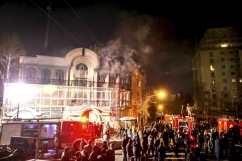
The Saudi executions triggered protests in Muslim countries with Shiite population, including Saudi Arabia itself, Lebanon, Iraq and Iran, the Huffington Post reported.
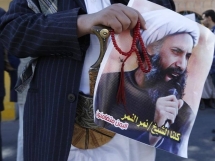
Shiite leaders from these countries issued fierce warnings that the execution of Sheikh Nimr al-Nimr, who supported regional anti-government protests and was arrested in 2012, would lead to the collapse of the Saudi monarchy.
European officials also denounced the mass executions, warning that Nimr's death could worsen sectarian tensions in the region.
Saudi Arabia's interior ministry defended the mass execution, saying those who received the punishment were convicted terrorists. Besides Nimr, they included at least three other Shiite political detainees and alleged al Qaeda militants.
Death sentences in Saudi Arabia are usually carried out by beheading with a sword.
"Regardless of the crimes allegedly committed, executing prisoners in mass only further stains Saudi Arabia's troubling human rights record," said Sarah Leah Whitson, the Middle East director for Human Rights Watch.
The 47 convicts executed recently were among 158 people who were meted capital punishment in Saudi Arabia in 2015—the highest number since 1995.
Despite the condemnations, Saudi Arabia is not expected to soften its policy on the form of punishment it gives to people found guilty of high crimes like terrorism.
The criticism is also not expected to weaken Saudi Arabia's influence on the U.N. Human Rights Council where it enjoys the support of world powers, including the U.S. and U.K., the Huffington Post said.
The council's 47 members are divided between five geographic regions and elected in a secret ballot of the U.N. General Assembly for a three-year term. Saudi Arabia was elected as one of the members from Asia in November 2013.
The Gulf nation was even selected to chair the five-member "consultative group" in the Council that helps select the experts who are assigned to examine human rights issues worldwide.
In late September, Saudi Arabia showed its clout on the Council when it succeeded in scrapping a draft Human Rights Council resolution by the Netherlands to establish an international inquiry into human rights violations in Yemen's war. Saudi Arabia is currently leading a coalition of Gulf states conducting airstrikes and providing group support to Yemeni troops and militias fighting Houthi rebels in the country.
Human rights groups have verified the use of child soldiers, banned cluster munitions and high civilian casualties throughout the nine-month war. However, the Council settled on a vague resolution that does not include a call for an international inquiry after the Saudis resisted.