
A demonstration was staged on the streets of Moscow by a small group of Russian Christians to protest against policies that they say violate their religious freedom. According to sources, 200 members of an evangelical church protested about the hardships their church was facing to get the authorities to grant the provision of land to use as places of worship.
"Our task is to teach people how to defend their rights," church leader Alexander Purshaga said to the gathering.
Russian journalist Sergei Blagov, a correspondent for CNSNews.com, wrote in a story that "The protest was the latest sign that all is not well when it comes to freedom to worship in Russia, where some Protestant groups are lumped together with sects and all regarded as troublesome.
"Last month, police raided a Pentecostal Church seminar in Izhevsk, a city northeast of Moscow, briefly detaining dozens of believers.
"In the Chekhov district south of Moscow, local Baptists are struggling to hold onto their new church, built to replace their previous one, which was destroyed in an arson attack last September. Similar attacks have occurred elsewhere."
According to Blagov, the two U.S. lawmakers who chair the Washington-based Commission for Security and Cooperation in Europe wrote to the Chekhov district administration in February 2005. The letter expressed concern about threats of violence against the congregation and alleged official efforts to demolish the place of worship rebuilt newly.
He reported that in an annual report released this month, the U.S. Commission on International Religious Freedom argued that conditions in Russia "have deteriorated in recent years."
"Growing government authoritarianism was a problem, as was the favoured treatment enjoyed by the Russian Orthodox Church," the report said.
"Some religious groups were prevented from registering - a legal requirement - and from being able to practice freely," said Blagov. "Anti-Semitism was another troubling issue, the group said.
"Some Russian officials have criticised what they call ‘totalitarian sects’ and accuse the U.S. of using such groups to undermine the state.
"Among the organisations lumped together and described as ‘imported sects’ are such diverse groups as the Salvation Army, Scientologists, Jehovah's Witnesses and Sun Myun Moon's Unification movement.
"Reflecting the official view, a Moscow school textbook - endorsed by city Mayor Yuri Luzhkov - counts the Salvation Army among ‘pseudo-religious organisations seeking all possible methods of using the Russian education system to spread their so-called religious teachings.’"
The book accuses the Salvation Army, a mainstream Protestant organisation, as "posing as an evangelical Protestant Church." Two high-ranking Salvation Army representatives from Britain and Denmark were refused entry to Russia "in the interests of state security."
"Officially, the Russian constitution has put an end to Soviet-era religious persecution. The fall of communism in 1991 brought not only a revival in the Russian Orthodox Church, but also the growth of other Christian denominations as well as sects," said the journalist.
"Many Russians became fearful of the arrival of some of these groups, and to address public concerns, the controversial law ‘On Freedom of Conscience and Religious Association’ was approved in 1997.
"The legislation was backed by the Orthodox Church, but other religious groups, the Vatican, human rights advocates and Western governments described it as discriminatory. The law, which ostensibly targets cults, requires religious groups to prove that they had been operating in Russia for at least 15 years - a requirement that effectively undercut most groups but favoured the Orthodox Church.
"The law also describes the Russian Orthodox Church as the country's dominant religion and mentions Islam, Judaism and Buddhism as other ‘traditional’ faiths. Other denominations are relegated to a secondary status, subjecting them to tough registration requirements.
"Groups failing to meet the 15-year requirement are unable to distribute literature or invite foreigners to preach. They are also barred from establishing educational centres or media outlets, and their clergy are not exempt from military service. Russian Orthodox Patriarch Alexiy II has praised the law, calling it a barrier against foreign ‘pseudo-missionaries’ whom he said had inundated Russia."
29% OFF
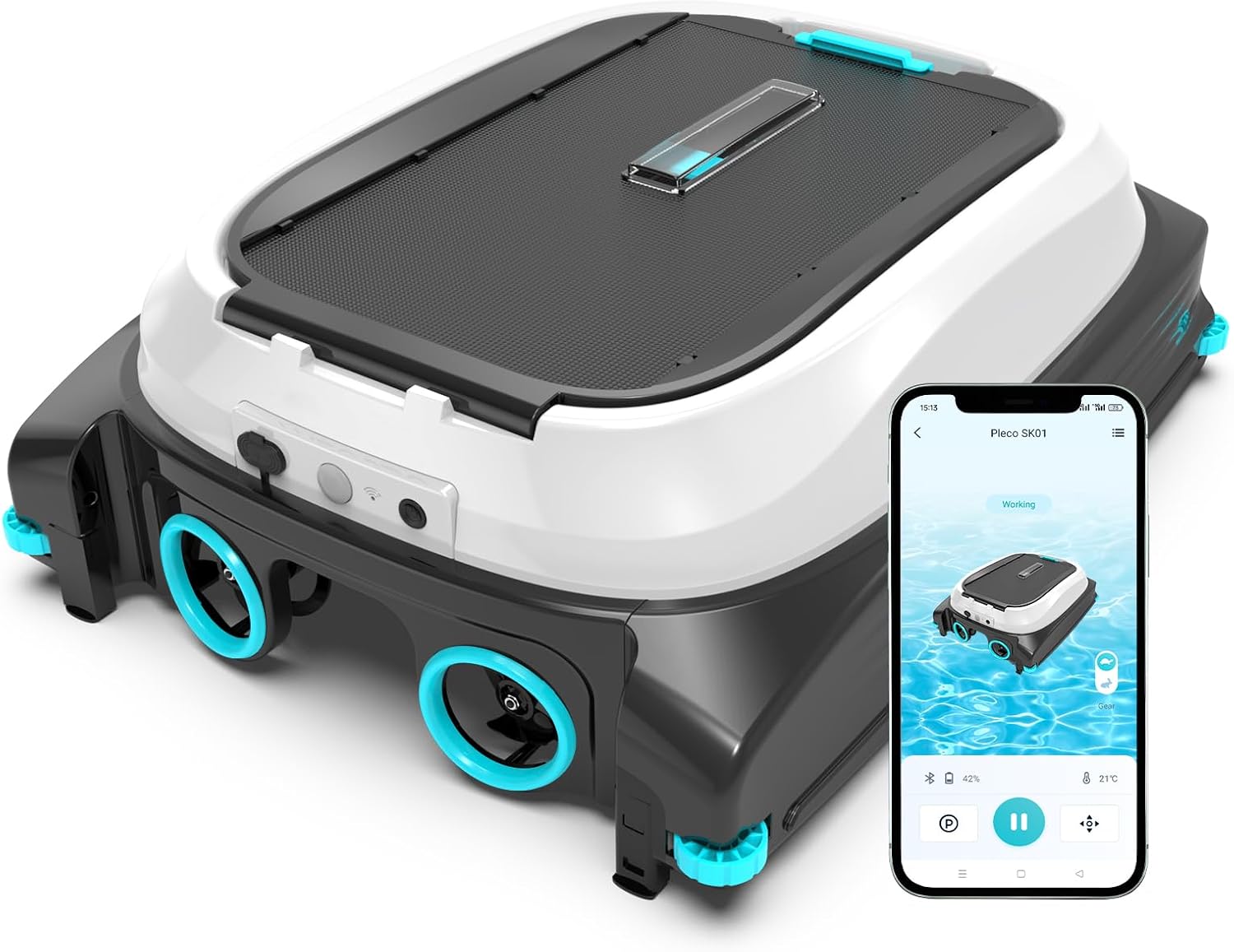
Pleco SK01 Solar Powered Robotic Pool Skimmer with App Control (Obsidian & Ivory)
$284.99 $399.99
52% OFF
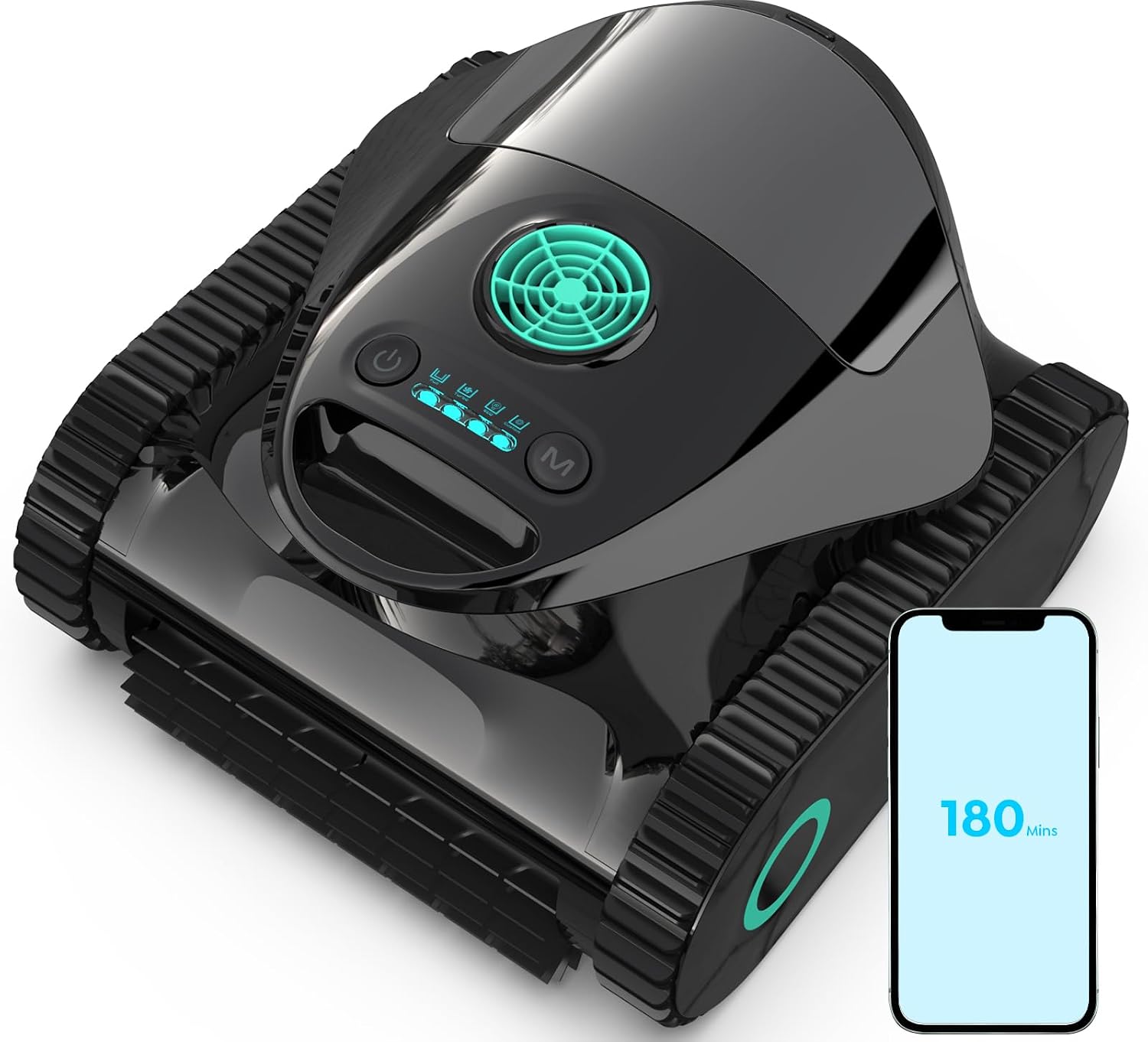
Cordless Robotic Pool Cleaner C1 with Wall Climbing and App Control (Glossy Black)
$290.69 $599.99
52% OFF
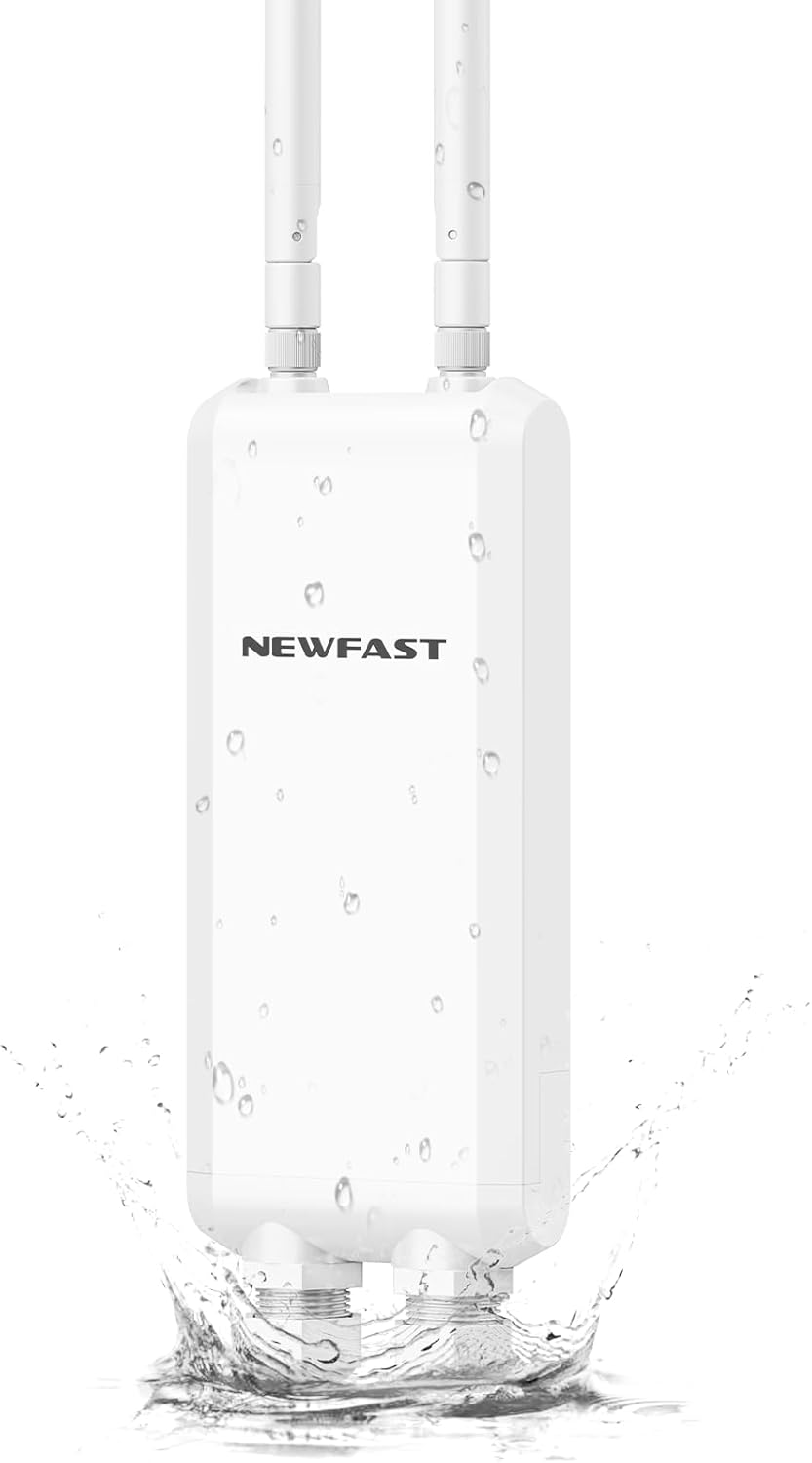
NEWFAST Outdoor WiFi Extender with MU-MIMO and 3 Gigabit Ports (IP66)
$47.99 $99.99
51% OFF
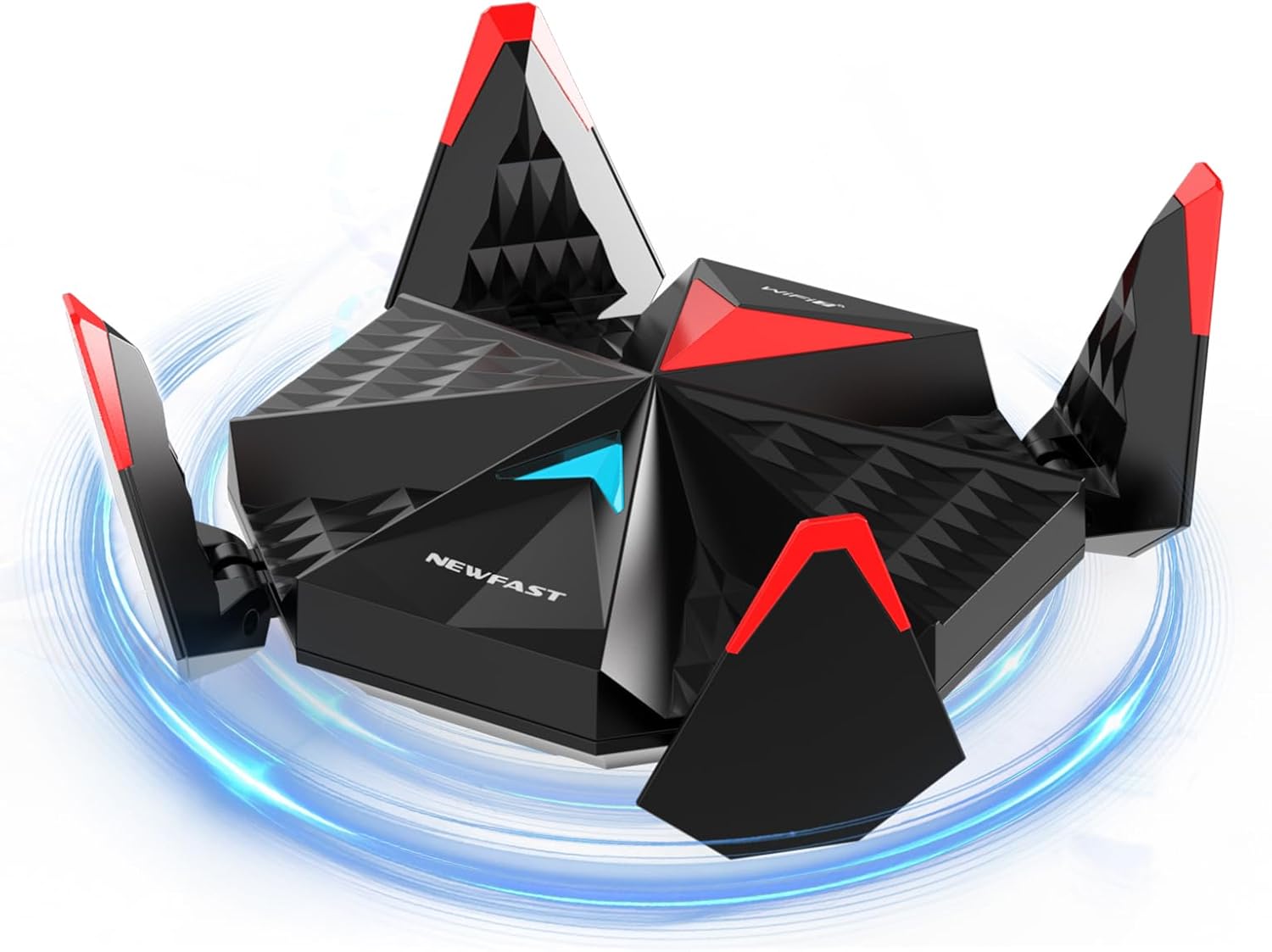
NEWFAST AXE5400 Tri-Band USB WiFi 6E Adapter with 4 Antennas (NF-U357)
$44.45 $89.99
20% OFF

COZEWARE Visio Series 12000 BTU 20 SEER2 Smart Mini Split AC with Heat Pump (230V, 1 Ton)
$431.99 $539.99
20% OFF

COZEWARE Visio Series 9000 BTU 18 SEER2 Ductless Mini Split AC with Heat Pump (115V)
$439.99 $549.99
20% OFF

COZEWARE Visio Series 24000 BTU 20 SEER2 Smart Mini Split AC with Heat Pump (230V, 2 Ton)
$959.99 $1199.99
20% OFF

COZEWARE Visio Series 18000 BTU 20 SEER2 Smart Mini Split AC with Heat Pump (230V, 1.5 Ton)
$607.99 $759.99
20% OFF

COZEWARE E-Save Series 12000 BTU 20 SEER2 Mini Split Air Conditioner (115V)
$592 $740
20% OFF

SmartHome Wi-Fi Water Leak Detector - Safeguard Your Home
$39.98 $49.99
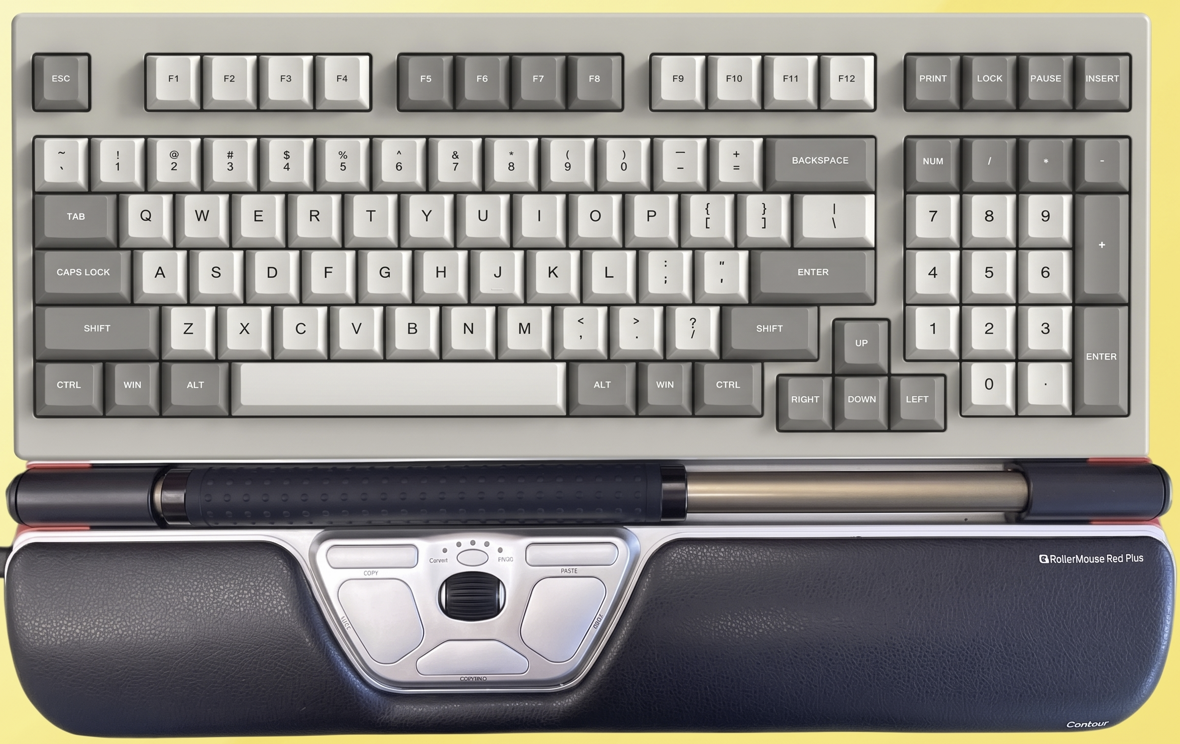
The $400 Mouse I Thought Was Ridiculously Expensive—Until It Changed How I Work
$0 $0
50% OFF

All-Weather HDPE Plastic Adirondack Chair with Cup Holder – Navy Blue
$70 $139.99
50% OFF

7-Color LED Red Light Therapy Mask for Face and Anti-Aging
$29.99 $59.99
49% OFF
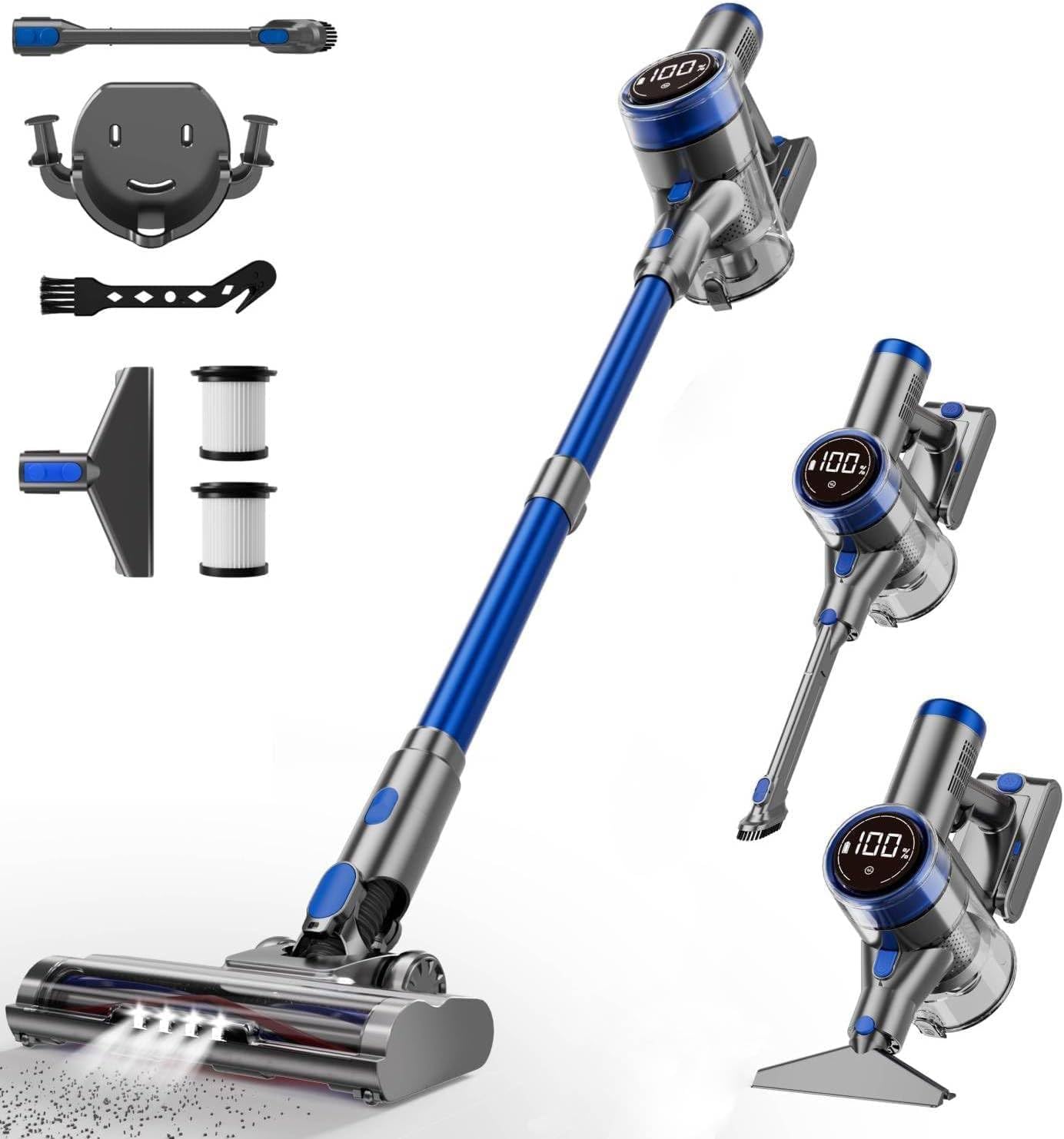
Cordless Vacuum Cleaner - 480W/45Kpa Powerful Stick Vacuum with LED Smart Touch Screen
$55.99 $109.99
20% OFF

Hypoallergenic Pet Wipes for Dogs & Cats - 400 Count Extra Large Coconut Scented Grooming Wipes
$24.79 $30.99
49% OFF
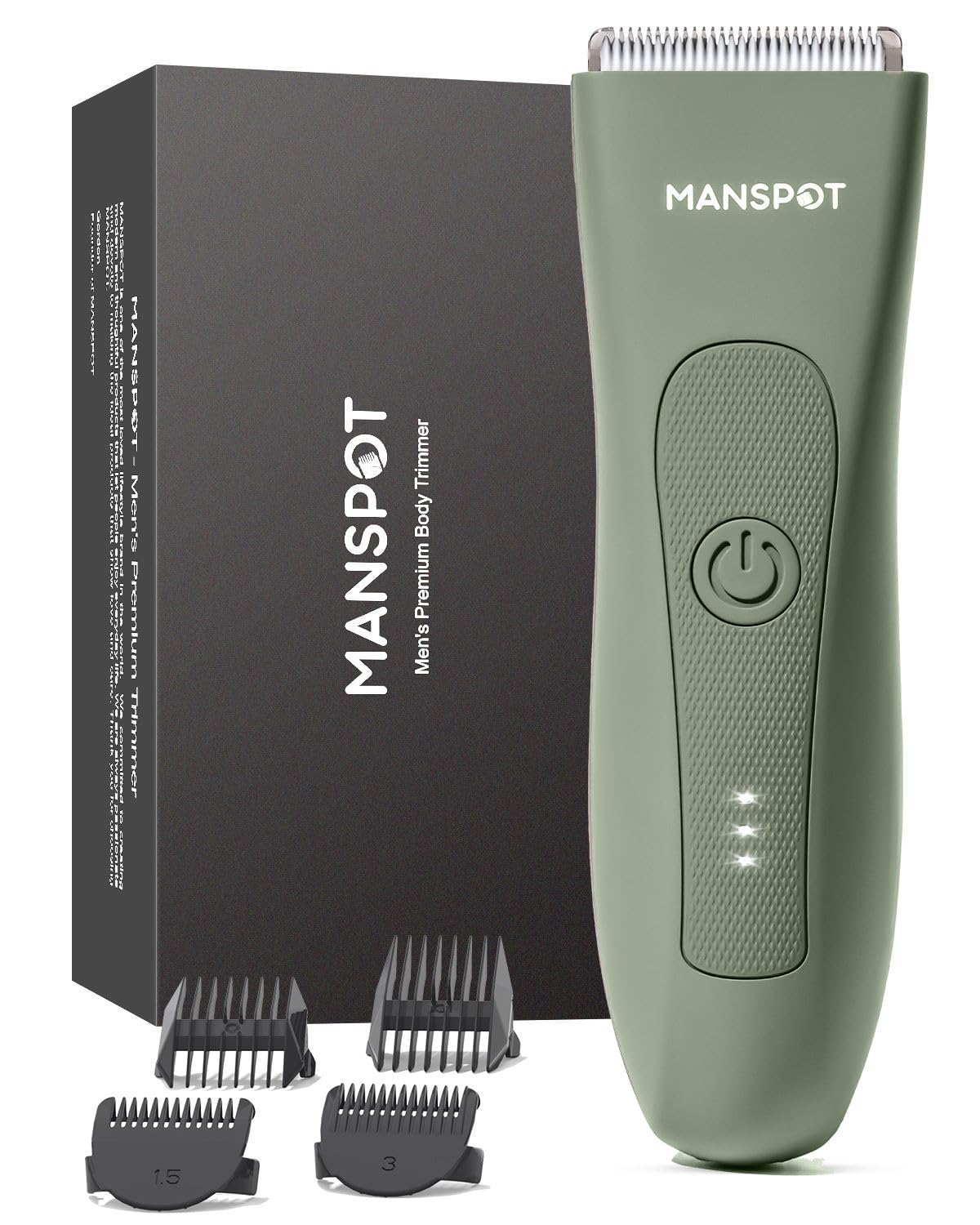
MANSPOT Electric Pubic Hair Trimmer - Waterproof Body and Groin Shaver for Men and Women (Black)
$20.39 $40
25% OFF

Lick-Safe Dog Paw and Nose Balm Stick - All-Natural Moisturizer with Coconut Oil for Dry, Cracked Pads and Snout
$11.69 $15.59
77% OFF
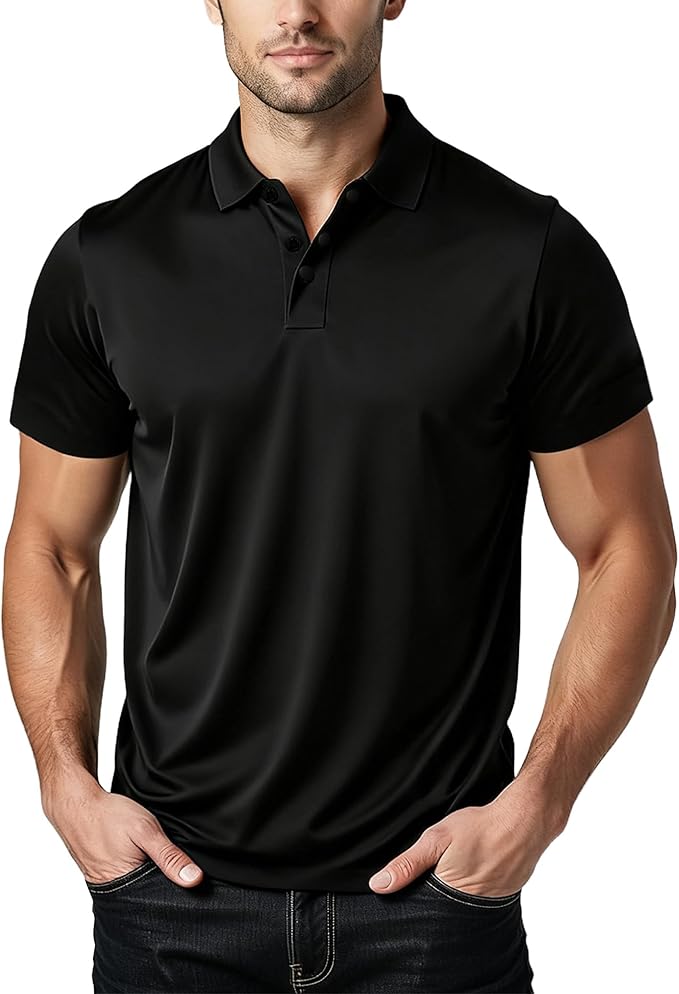
Men's Quick Dry Moisture Wicking Polo Shirt - High Elasticity Slim Fit Athletic Top (Runs Small)
$6.99 $29.99
46% OFF
Men's Running Shorts with Zipper Pockets - Lightweight, Quick-Dry, Multi-Sport
$12.95 $23.99
50% OFF

NEWFAST NF-RE523 AC1200 WiFi Extender - 1200Mbps Dual Band Signal Booster & Internet Repeater
$18.5 $36.99
-

Eric Metaxas on faith, freedom and the restoration of the West
-

Kate Forbes refused to compromise her Christian faith - and won
-

Counselling framework for those with unwanted same-sex attraction rejected
-

Carl Trueman on the crisis of the West and why nationalism and cultural Christianity are not the answer
News
-

From deconstruction to reconstruction: can the West be saved?
-

Kate Forbes refused to compromise her Christian faith - and won
-

Christians praying for the nation and next prime minister after Starmer resigns
-

The restoration of the West can't happen without Christianity - and more people are realising it
-
First memorial to Christians killed in Nigeria unveiled
-

Are witchcraft and paganism a threat to Christianity in modern Britain?
Most Popular
News

The challenge the Church of England faces over transgenderism
There is a reality that the Church of England has to face up to but so far it has failed to do this.
Carl Trueman on the crisis of the West and why nationalism and cultural Christianity are not the answer
Theologian Carl Trueman was at ARC 2026 to share his thoughts on why things have gone wrong in the West and what can be done to turn things around. He speaks to Christian Today about the challenges and why neither cultural Christianity nor nationalism are the answer.
Fulani terrorists kill 28 Christians in central Nigeria
Fulani herdsmen guided toward Christian leaders on Monday killed 28 Christians, including a pastor, in a raid on a village in Plateau state, Nigeria, sources said.

Teens grappling with questions about faith, the future and truth
American teenagers are increasingly wrestling with major questions about their future, identity, truth and faith, with many feeling pressure to find answers long before reaching adulthood, according to a study.
Pleco SK01 Solar Powered Robotic Pool Skimmer with App Control (Obsidian & Ivory)
$284.99
Cordless Robotic Pool Cleaner C1 with Wall Climbing and App Control (Glossy Black)
$290.69
NEWFAST Outdoor WiFi Extender with MU-MIMO and 3 Gigabit Ports (IP66)
$47.99
NEWFAST AXE5400 Tri-Band USB WiFi 6E Adapter with 4 Antennas (NF-U357)
$44.45
COZEWARE Visio Series 12000 BTU 20 SEER2 Smart Mini Split AC with Heat Pump (230V, 1 Ton)
$431.99
COZEWARE Visio Series 9000 BTU 18 SEER2 Ductless Mini Split AC with Heat Pump (115V)
$439.99
COZEWARE Visio Series 24000 BTU 20 SEER2 Smart Mini Split AC with Heat Pump (230V, 2 Ton)
$959.99
COZEWARE Visio Series 18000 BTU 20 SEER2 Smart Mini Split AC with Heat Pump (230V, 1.5 Ton)
$607.99
COZEWARE E-Save Series 12000 BTU 20 SEER2 Mini Split Air Conditioner (115V)
$592
SmartHome Wi-Fi Water Leak Detector - Safeguard Your Home
$39.98
The $400 Mouse I Thought Was Ridiculously Expensive—Until It Changed How I Work
$0
All-Weather HDPE Plastic Adirondack Chair with Cup Holder – Navy Blue
$70
7-Color LED Red Light Therapy Mask for Face and Anti-Aging
$29.99
Cordless Vacuum Cleaner - 480W/45Kpa Powerful Stick Vacuum with LED Smart Touch Screen
$55.99
Hypoallergenic Pet Wipes for Dogs & Cats - 400 Count Extra Large Coconut Scented Grooming Wipes
$24.79
MANSPOT Electric Pubic Hair Trimmer - Waterproof Body and Groin Shaver for Men and Women (Black)
$20.39
Lick-Safe Dog Paw and Nose Balm Stick - All-Natural Moisturizer with Coconut Oil for Dry, Cracked Pads and Snout
$11.69
Men's Quick Dry Moisture Wicking Polo Shirt - High Elasticity Slim Fit Athletic Top (Runs Small)
$6.99
Men's Running Shorts with Zipper Pockets - Lightweight, Quick-Dry, Multi-Sport
$12.95
NEWFAST NF-RE523 AC1200 WiFi Extender - 1200Mbps Dual Band Signal Booster & Internet Repeater
$18.5