
The royal flag was lowered from Nepal's royal place on Thursday as the Himalayan nation celebrated its first day as a republic following the abolition of its 239-year-old Hindu monarchy.
A special assembly elected in April consigned the once revered institution to history and gave the ousted King Gyanendra a fortnight to vacate the sprawling pink palace in Kathmandu. His palace will be turned into a museum.
That vote was a key condition of a 2006 peace deal with the Maoist former rebels who ended their decade-long civil war and joined mainstream politics.
"Vive la Republique," read a banner headline in the Kathmandu Post.
"A hope is born," said the Himalayan Times daily.
Authorities said the national flag will be raised in place of the royal standard.
"I feel really honoured," said 27-year-old university student Dev Raj Bhatta standing in sweltering sun outside the palace gate.
"The end of the monarchy has made me a proud Nepali citizen."
Nepalis waved colourful party flags, danced, sang and cheered the birth of a republic Wednesday night. Political parties and the Maoists say more celebrations were planned on Thursday.
WHAT NOW?
But challenges remain.
The Maoists, who won 220 seats in last month's elections to the 601-member assembly, are expected to head the new government. But they must fulfil tremendous expectations in one of the world's poorest countries.
Thousands of ex-Maoist fighters are still confined to camps. Maoists insist they must be integrated into the military. The army, traditionally seen as having royalist sympathies, has so far refused to allow them into their ranks.
During their election campaign the Maoists promised land to landless farmers in a country where more than 80 percent of its 26 million live on farms and jobs to the unemployed youth.
"There is now a big challenge for the Maoists both to prove their democratic credentials and to deliver on the mandate for the change," said Rhoderick Chalmers, Nepal head of the Brussels-based International Crisis Group.
Economic growth was just 2.3 percent in the year to July 2007 compared with 3.1 percent the year before.
Although tourists, a key source of income, have started to return after the end of war, businesses are yet to rebound. The economy is hugely dependent on foreign aid and remittances from Nepalis aboard.
"The new government must revive industries, end frequent labour strikes and resolve the acute problem of fuel as well as power supply to revive growth," one Asian diplomat said.
"This is a real challenge."
For now, on the streets of Kathmandu the mood was jubilant.
"I am very happy that we are a republic now," said Rupesh Ranjitkar,25.
"There will be peace now. I don't think any one will miss the king or shed any tears."




-

The dire American political situation: a brief overview for faithful Christians in Britain
-
Conversion therapy ban supporters want prayer to be criminalised - this must not be allowed
-

Why the US election results do not bode well for America
-

Police appeal for witnesses after head smashed off Jesus statue at church war memorial
-

Are we seeing the end of Western civilisation?
-
Archaeologists may have discovered identity of mystery skeleton in Westminster Abbey
Most Popular
News
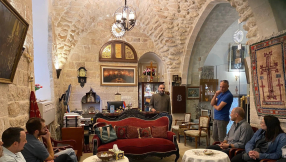
‘Major achievement’ hailed as Israeli officials step in to stop anti-Christian harassment
Harassment against Christian is sometimes justified by appeals to the Jewish religion.

What do Christian young women and men need to know about the opposite sex and themselves?
The first thing that Christian young women and men need to know is that the Bible is the operating manual for humans.
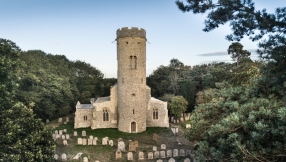
Saxon church saved from Historic England’s ‘at risk’ register after extensive repairs
Historic England has added 197 sites to its Heritage at Risk Register. However it has also managed to save dozens of buildings, including a 1,000-year-old church.

Trump’s midterm defeat and its implications for Christians on both sides of the Atlantic
America’s power and influence on the world stage, combined with Trump’s unpredictability and volatility, is a worrying mix.





