
The world's richest nations are falling short on pledges to double aid to Africa by 2010 at a time when soaring food prices risk destroying decades of economic progress on the continent, a watchdog said on Monday.
The Africa Progress Panel, set up to monitor commitments made at the Group of Eight (G8) summit in 2005 at Gleneagles in Scotland, said in a report rich nations would be $40 billion shy of their pledges based on current plans.
"Funding shortfalls against the 2010 targets should be addressed immediately - through a special plan to meet the pledge made at Gleneagles," the report said.
The Africa Progress Panel is chaired by former U.N. Secretary General Kofi Annan and includes former British Prime Minister Tony Blair, former International Monetary Fund chief Michel Camdessus and leading anti-poverty campaigner Bob Geldof.
The report, "Africa's Development: Promises and Prospects", said debt relief agreed at the 2005 summit had been significant because poor countries had boosted spending on health and education, over and above the amount of relief.
But unless rising food prices were halted and reversed, there would be a significant increase in hunger, malnutrition, and infant and child mortality in Africa.
"The food crisis is a major setback which is creating a major humanitarian emergency," the report said.
"In the immediate term, the supply of food to the world's most vulnerable citizens must be increased by raising the level of financial assistance."
GLOBAL LOTTERY
The G8 meets next month in Japan and steps to halt the surge in oil and food prices will be high on the agenda, partly because they are contributing to an economic slowdown in rich nations and a backlash from disgruntled voters.
But the Africa Progress Panel said it was increasingly clear the pressure on government finances in rich countries meant they would not meet their aid pledges to Africa.
It said they should come up with innovative funding mechanisms for increased aid, such as taxes on foreign exchange trades, carbon taxes, levies on air travel and freight transport -- or even a global lottery.
The report said there was a critical need for a rethink of trade policies to give Africans more access to markets and fair trading rules so they could generate enough income to buy food.
It said the market for fertilisers should be liberalised as part of multilateral trade talks so more were produced in a bid to boost agricultural output worldwide.
Developed nations should review subsidies for biofuels as the growth of crops as an energy source may be hurting food production and contributing to global food price rises.
Also, with climate change likely to hurt food production in Africa more severely than other parts of the world, rich nations should spend more on renewable energy sources on the continent.
"It may not be easy to overcome these problems, but the world has a stake in realising the African continent's huge potential to thrive," wrote Annan in a preface to the report.
30% OFF

Lumbar Support Pillow for Car with Headrest – Memory Foam Full-Length S-Curve Back & Neck Cushion for Long Drives, Fits Cars, SUVs & Trucks
$32.89 $46.99
46% OFF
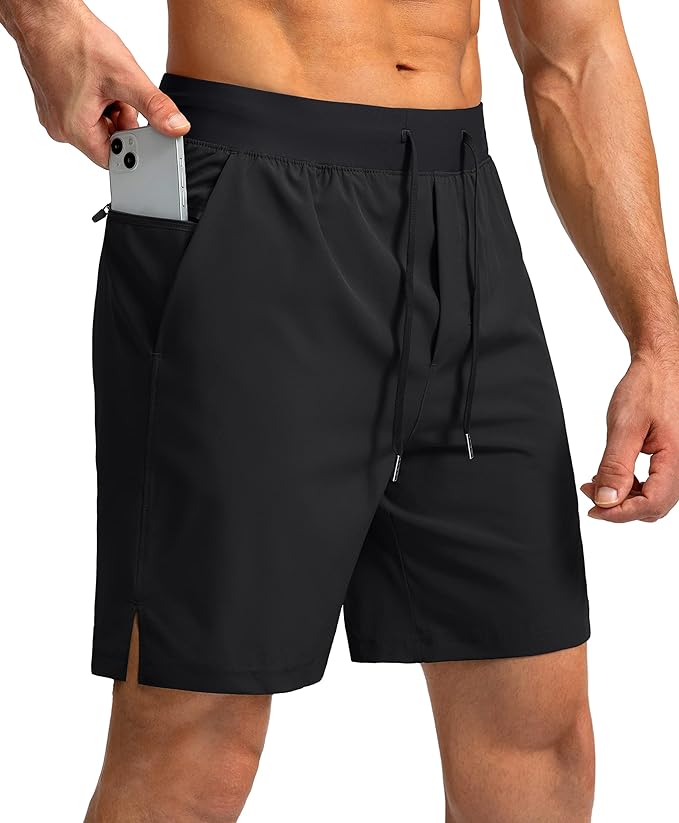
Soothfeel Men's Running Shorts with Zipper Pockets – Quick Dry Athletic Shorts in 9", 7" & 5" Inseams for Basketball, Gym & Workout
$12.91 $23.99
40% OFF
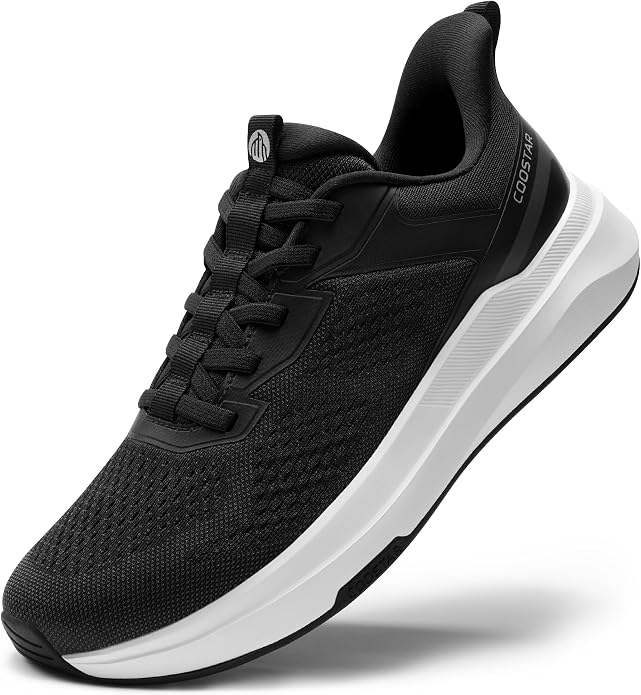
Men's Slip On Walking Shoes – Hands-Free Casual Sneakers with Arch Support, Wide Stable Base, Breathable Knit Upper, Non-Slip Traction
$29.99 $49.99
52% OFF
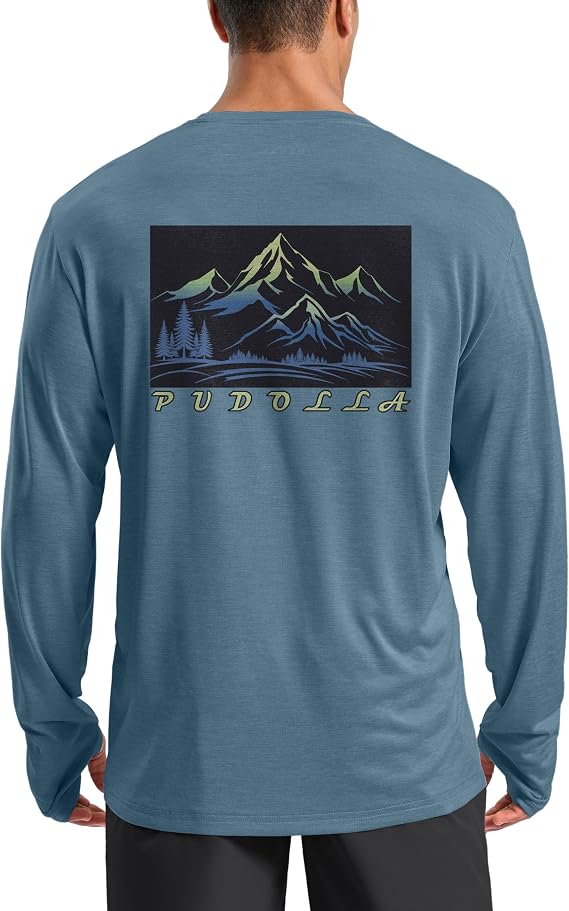
Pudolla Men's UPF 50+ Sun Shirt – Long Sleeve Quick Dry Hiking & Running Shirt with Thumb Holes, Lightweight Moisture-Wicking Rash Guard Base Layer
$11.99 $24.99
35% OFF
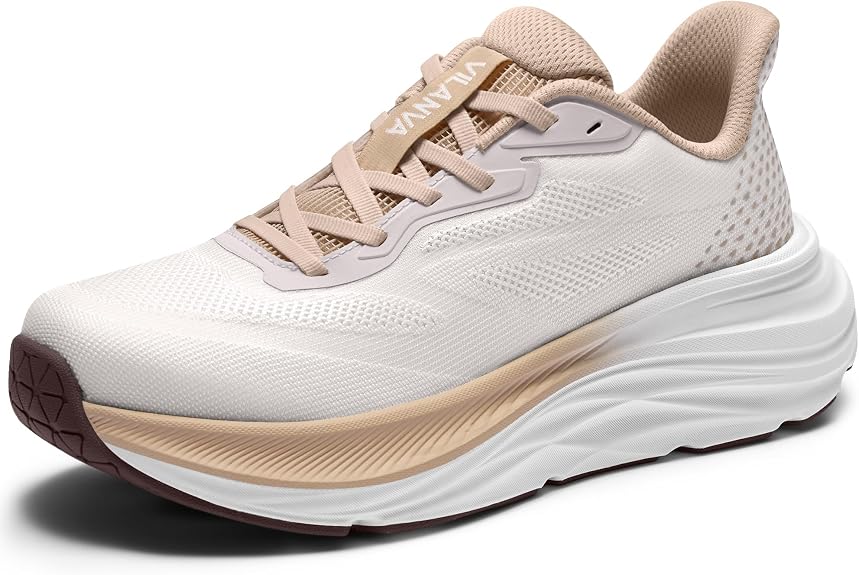
Vilanva Women's Walking Shoes – Cushioned Lightweight Running Sneakers with Slip-Resistant Sole, Breathable Woven Upper for Everyday Wear & Workouts
$35.09 $53.99
67% OFF
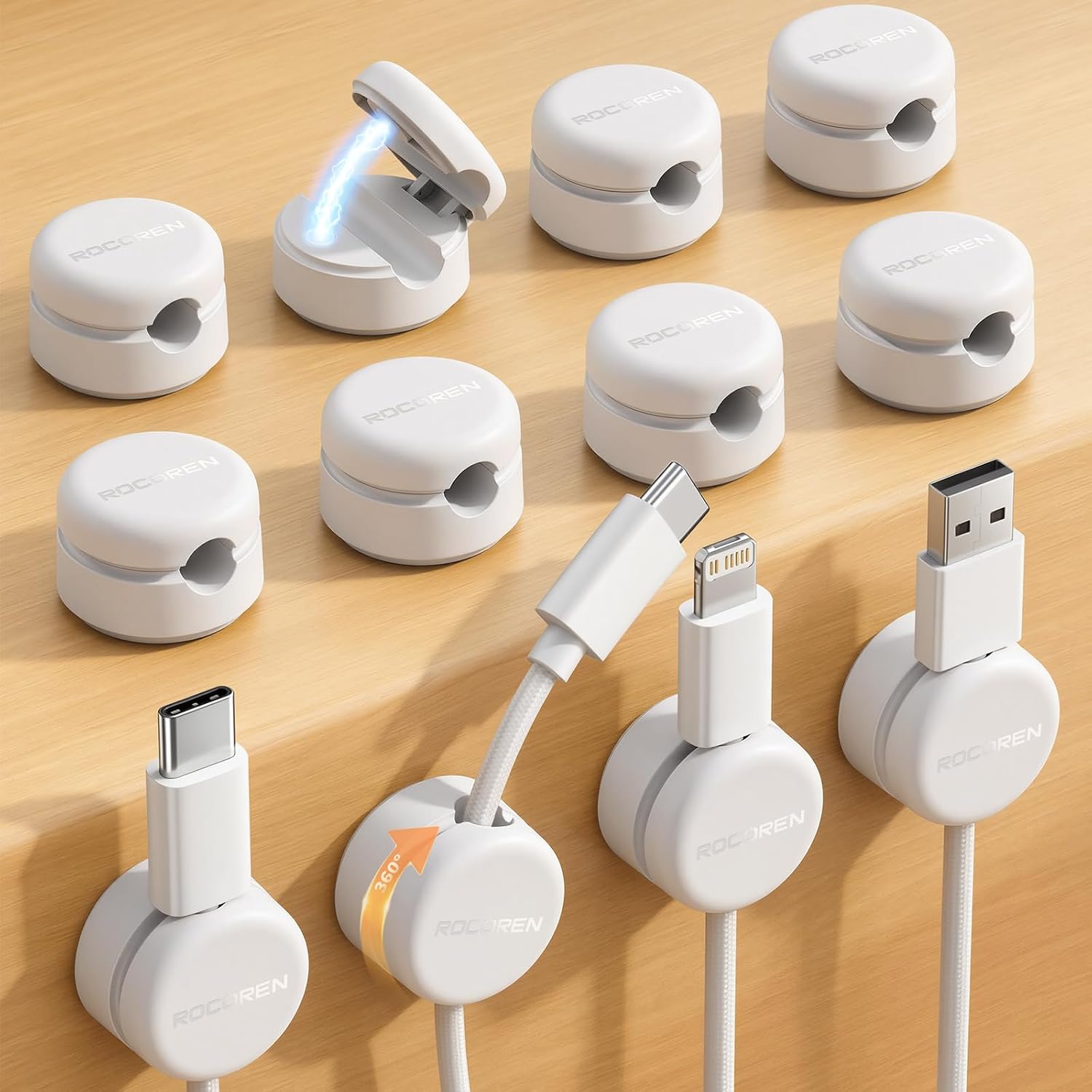
Rocoren 12-Pack Magnetic Cable Clips – 360° Rotating Cord Organizer with No-Residue Adhesive, Cord Holder for Desk, Nightstand, Wall, Car & Office, White
$6.5 $19.99
60% OFF

Red Light Therapy Mask for Face – 7-Color LED Silicone Facial Mask, Cordless Rechargeable Skincare Device with 240 LEDs for Home & Travel
$39.99 $99.99
77% OFF
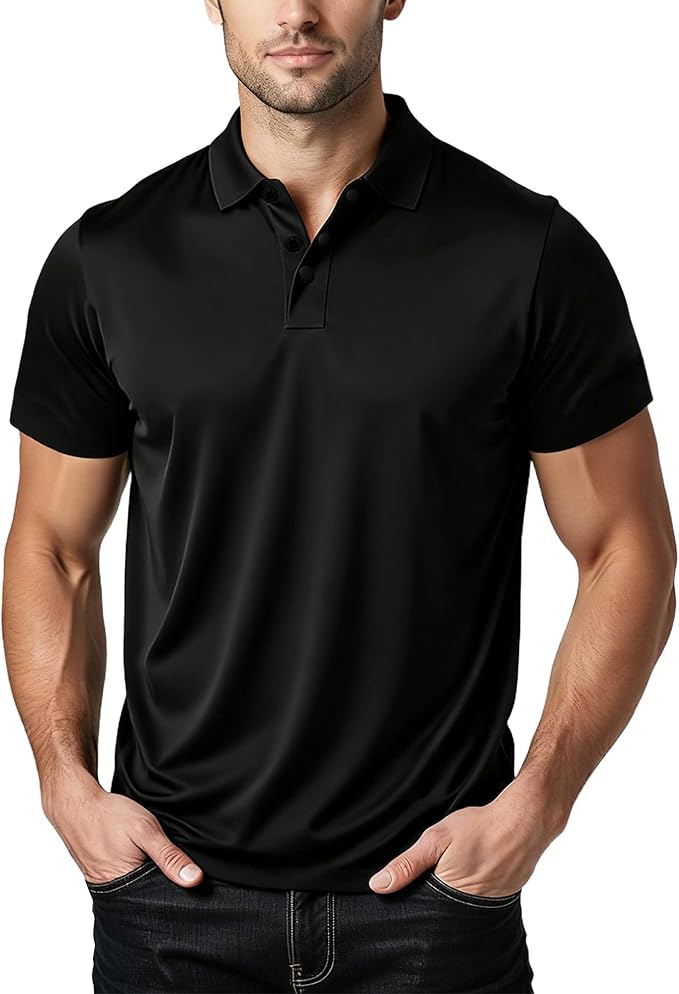
Men's Slim Fit Polo Shirt – Quick Dry Moisture Wicking, High Elasticity, Athletic Fit Polo for Golf, Tennis, Work & Casual Wear (Runs Small, Size Up)
$6.99 $29.99
28% OFF
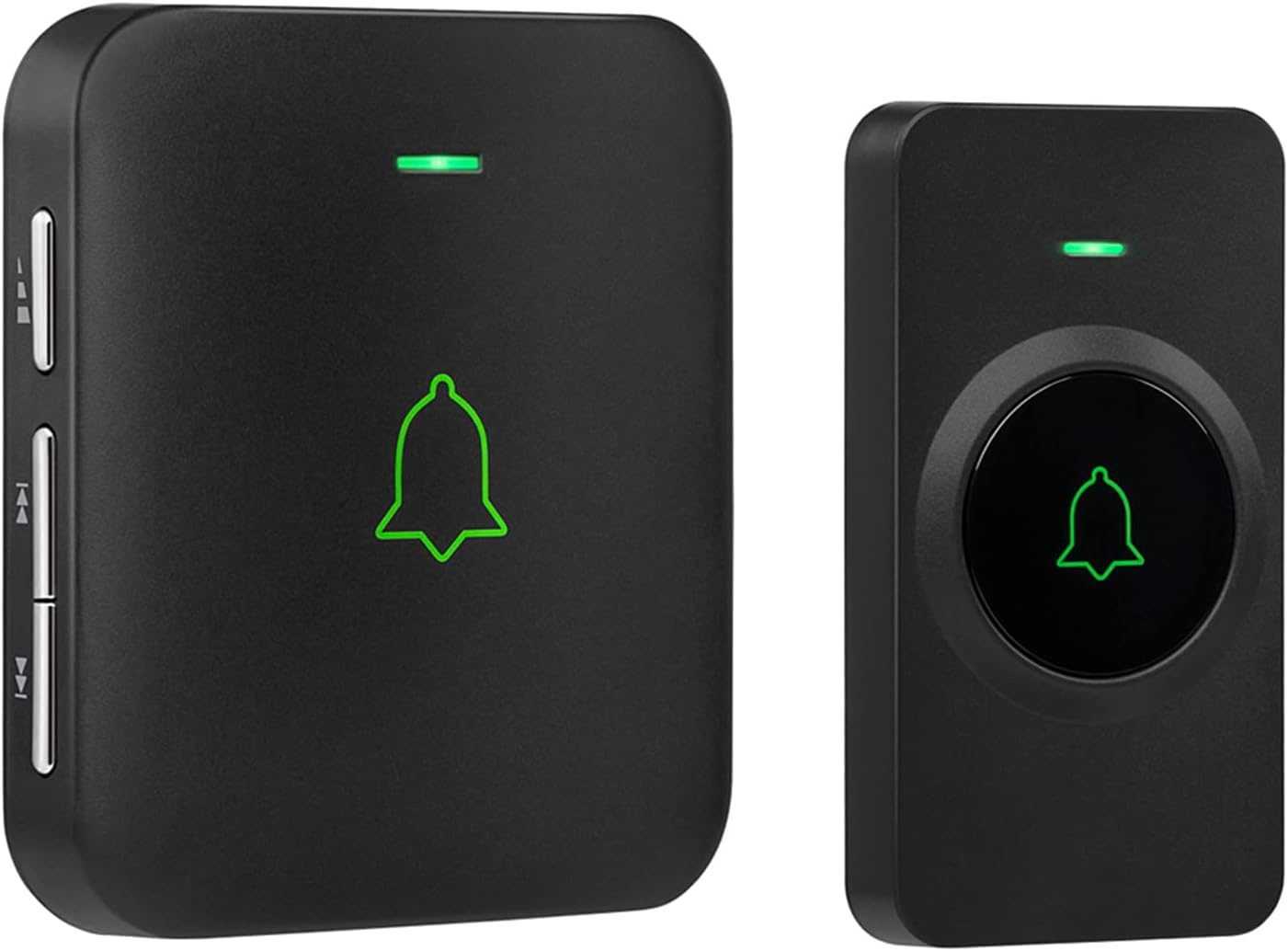
AVANTEK Wireless Doorbell CB-11 – 1000 ft Range, 1 Button + 1 Plug-In Receiver, 115 dB Volume, LED Flash, 52 Chimes, Waterproof, 3-Year Battery
$12.91 $17.99
50% OFF
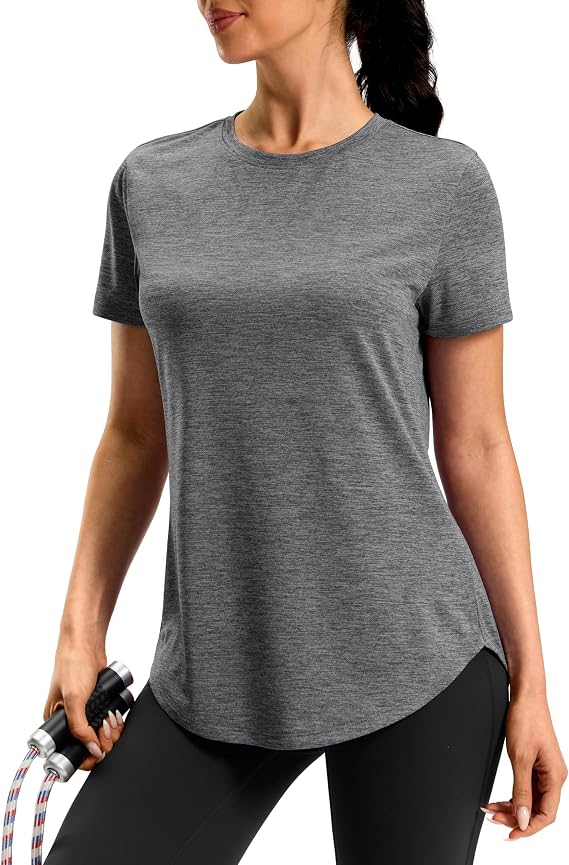
Women's Workout Shirts – Bum-Covering Length Short Sleeve Dry Fit Tops, Lightweight & Breathable for Athletic, Hiking, Running & Summer Wear
$6.99 $13.99
50% OFF
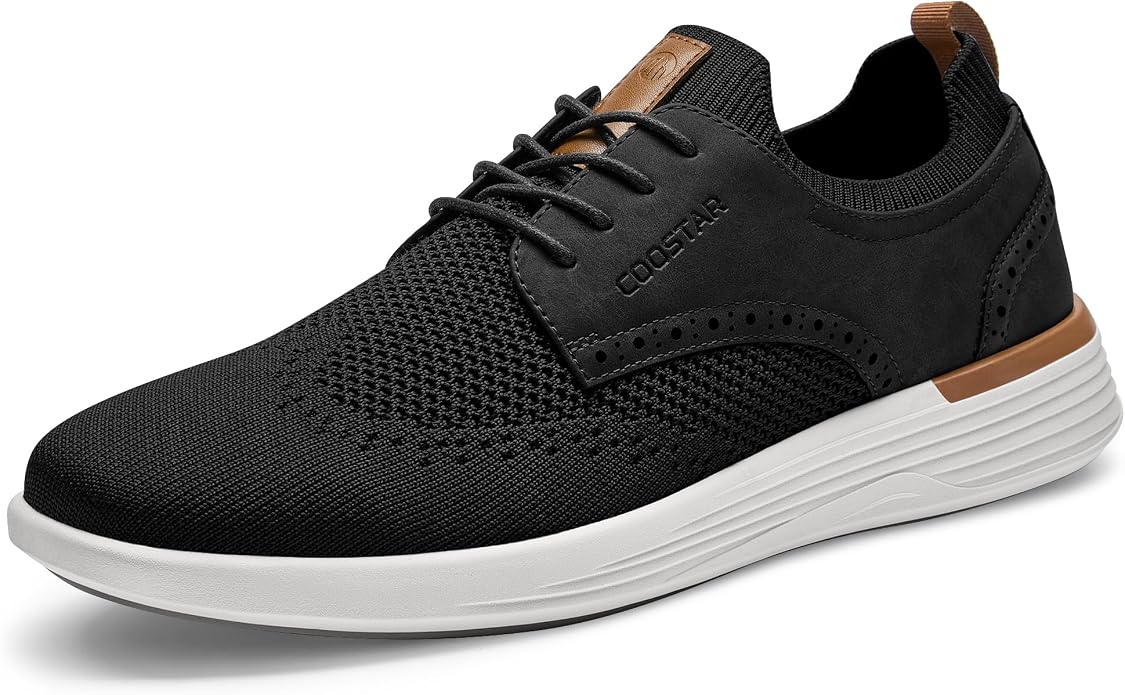
Coostar Men's Casual Dress Sneakers – Lightweight Wingtip Oxford Style with Breathable Knit Upper, Rubber Sole & Slip-On Elastic Collar, Business & Walking Shoe
$22.49 $44.99
45% OFF
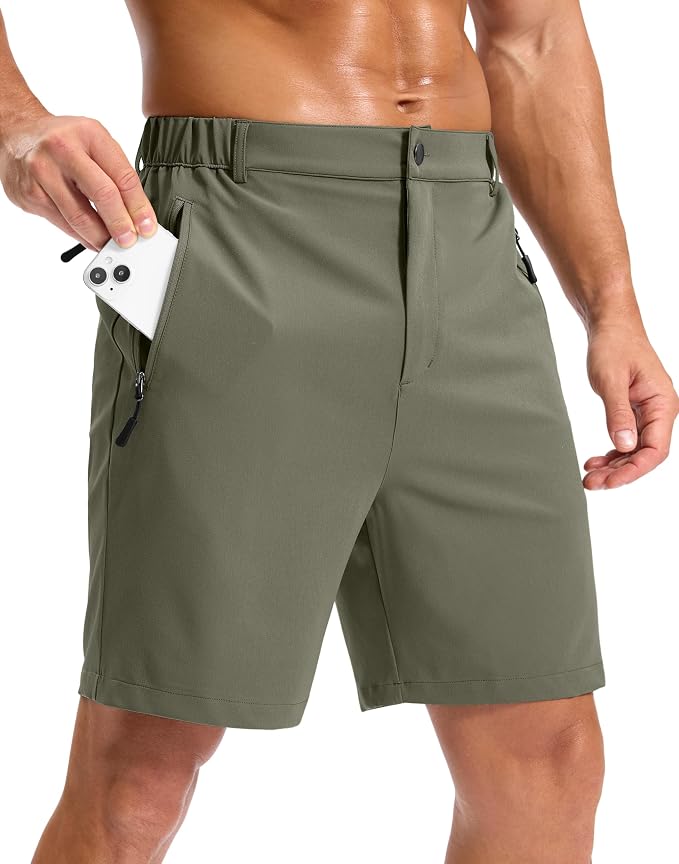
Pudolla Men's Quick Dry Hiking and Golf Shorts with 3 Zipper Pockets
$14.84 $26.99
50% OFF
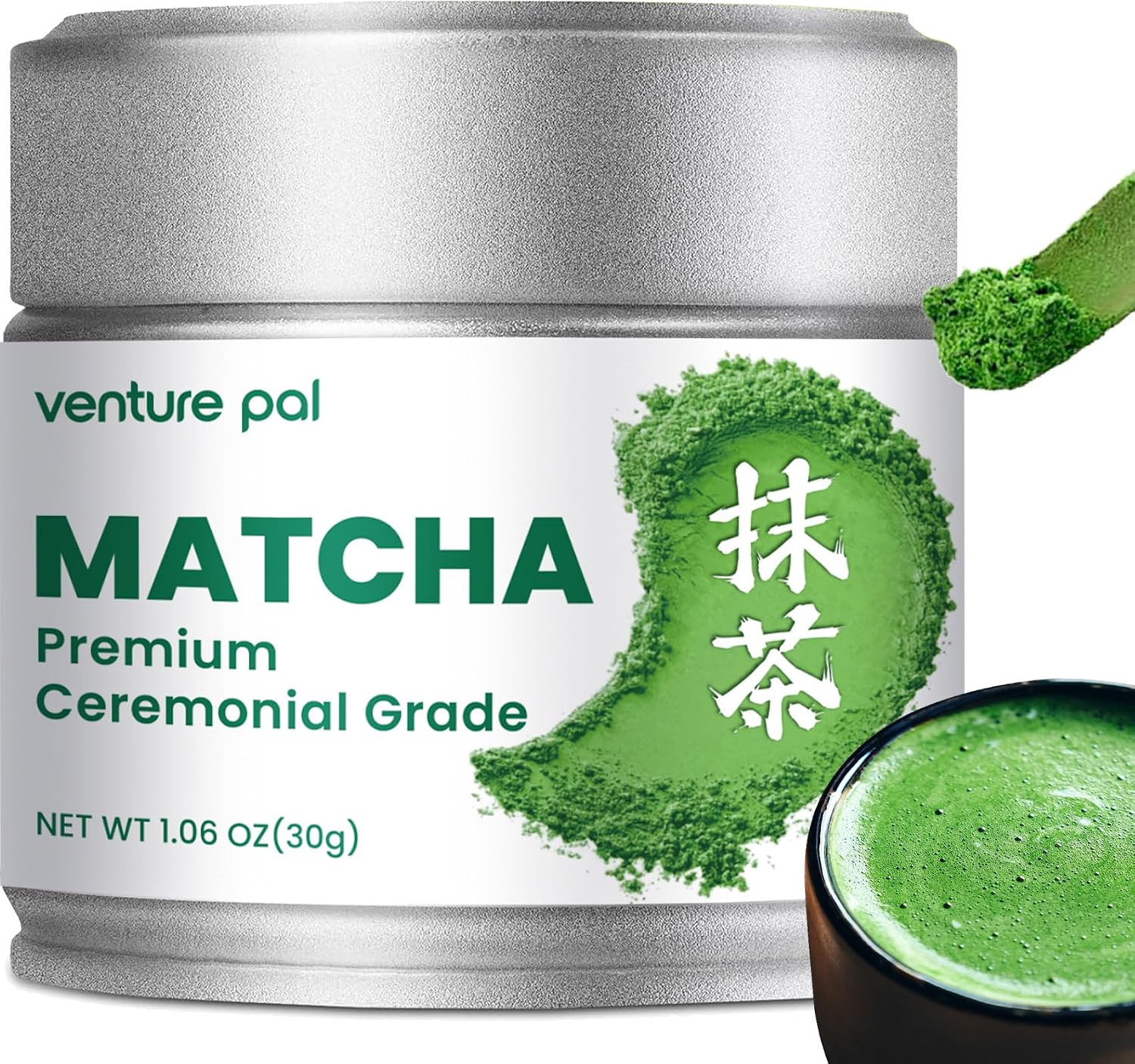
Venture Pal Ceremonial Grade Matcha Green Tea Powder – First Harvest, Shade Grown, 100% Pure with No Additives, Unsweetened, Vegan & Gluten-Free, 30g Tin
$7.5 $14.99
40% OFF
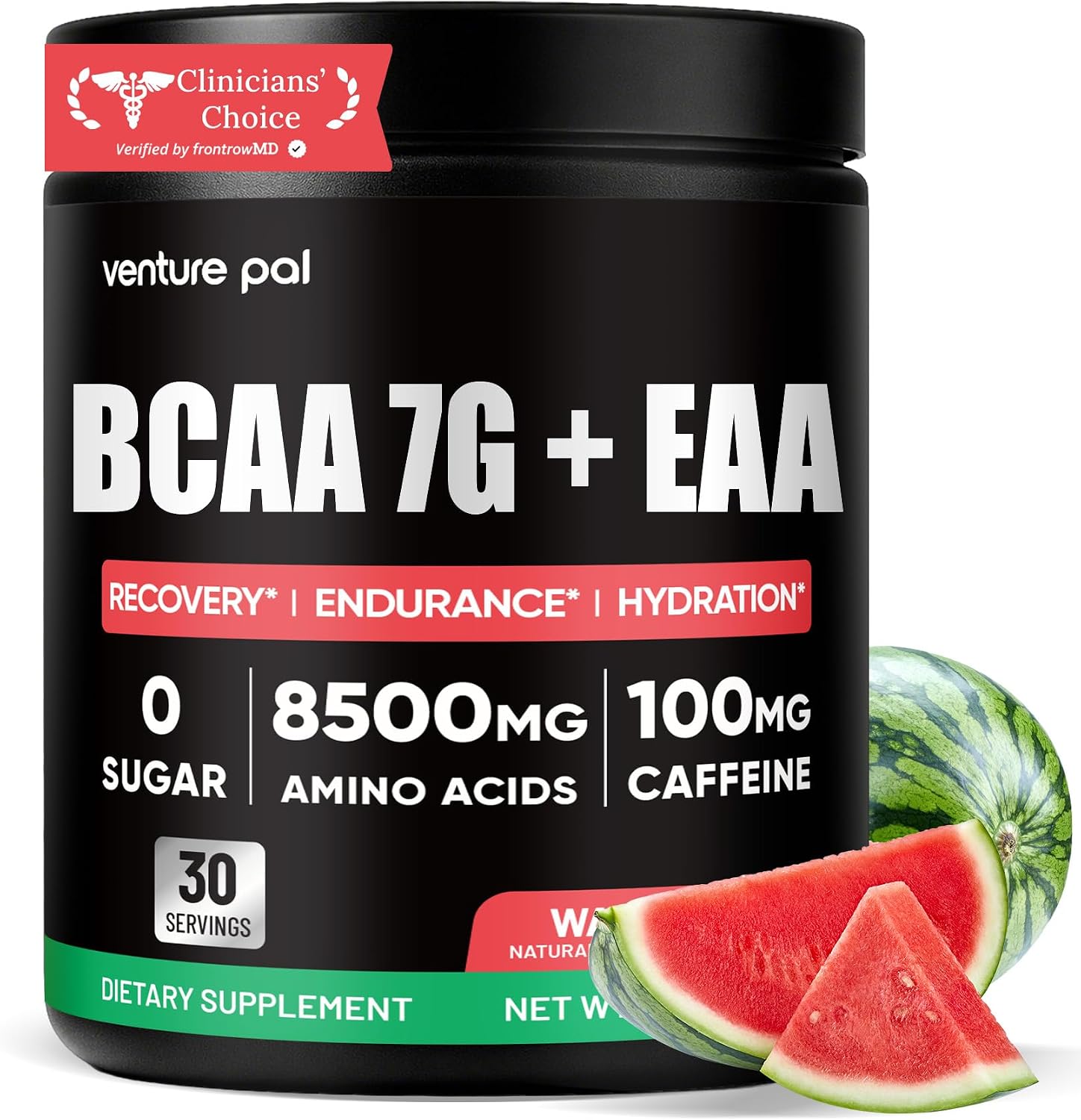
Venture Pal Sugar Free 7g BCAA + EAA Powder – 9 Essential Amino Acids with L-Glutamine, Caffeine, Electrolytes & Vitamins for Muscle Recovery, Growth & Hydration
$14.99 $24.99
30% OFF
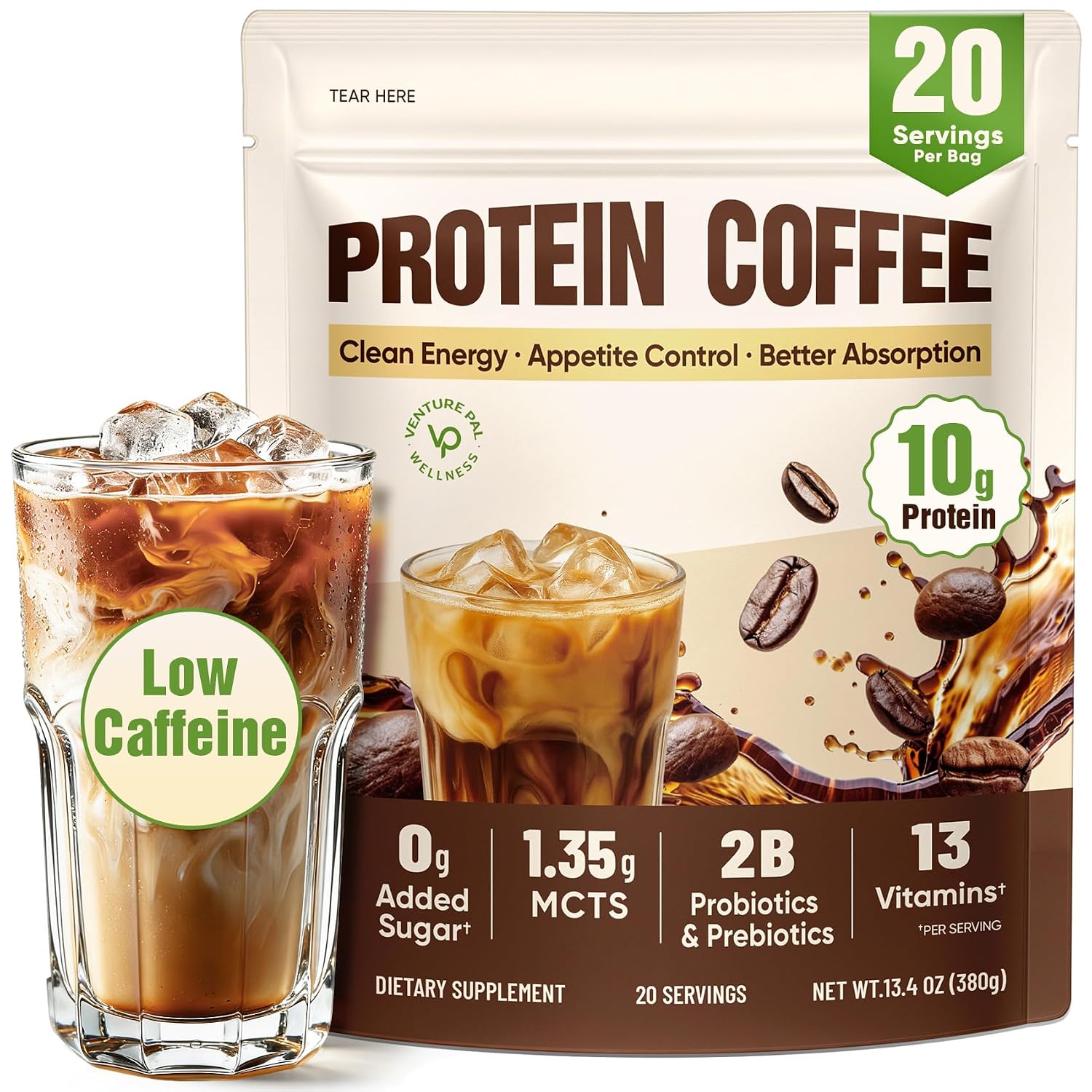
Venture Pal Sugar Free Protein Coffee – Cold Brew Mocha Instant Iced Coffee with MCT Oil, Probiotics, Fiber & 13 Vitamins, 70mg Caffeine, Keto & Gluten-Free, 20 Servings
$13.29 $18.99
20% OFF
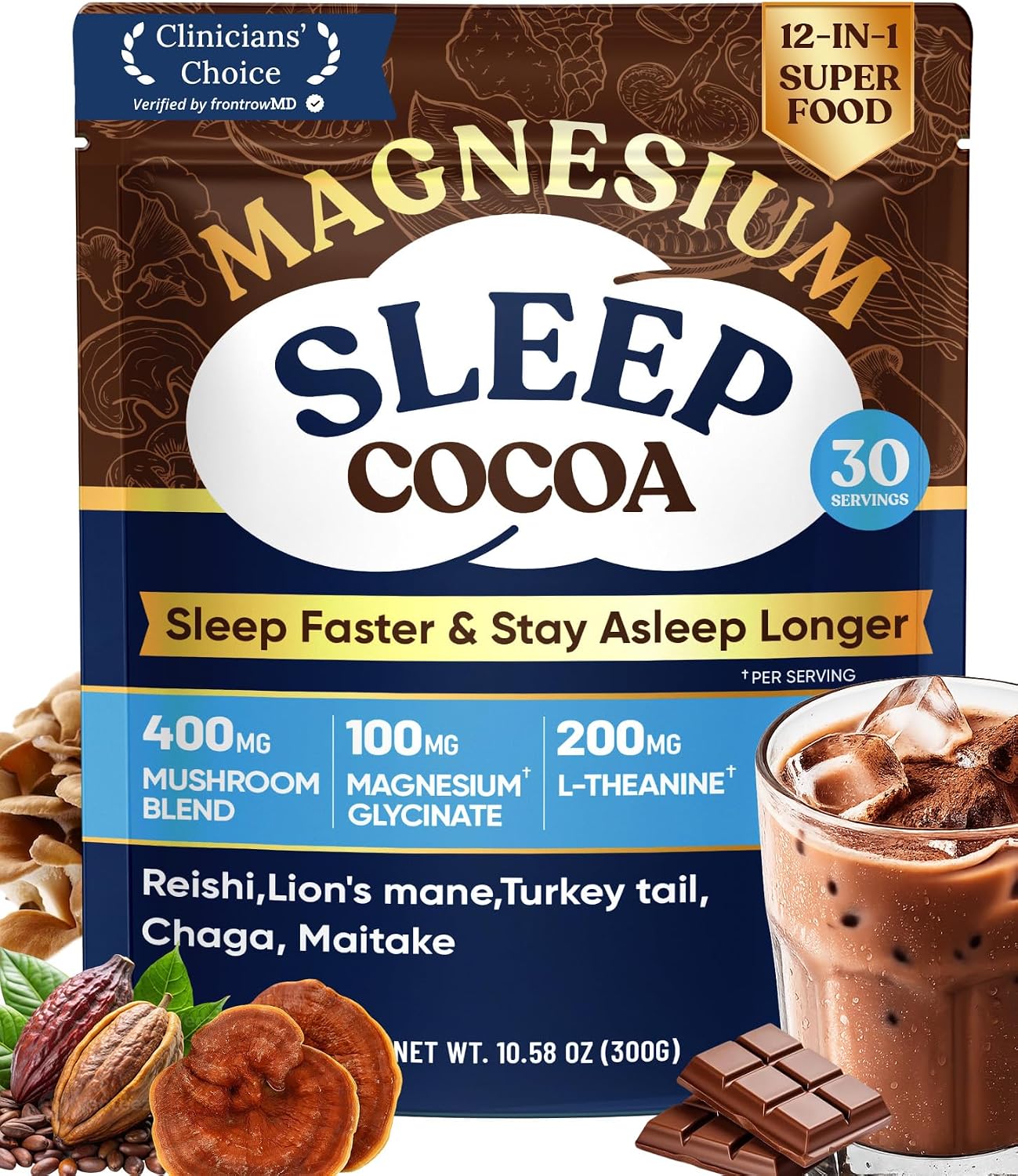
Venture Pal Mushroom Hot Cocoa – Natural Sleep Aid with 12 Superfoods, Melatonin 3mg, Magnesium Glycinate, L-Theanine, Glycine, Lion's Mane, Reishi & Turkey Tail, Bedtime Cocoa Mix, 30 Servings
$23.99 $29.99
24% OFF
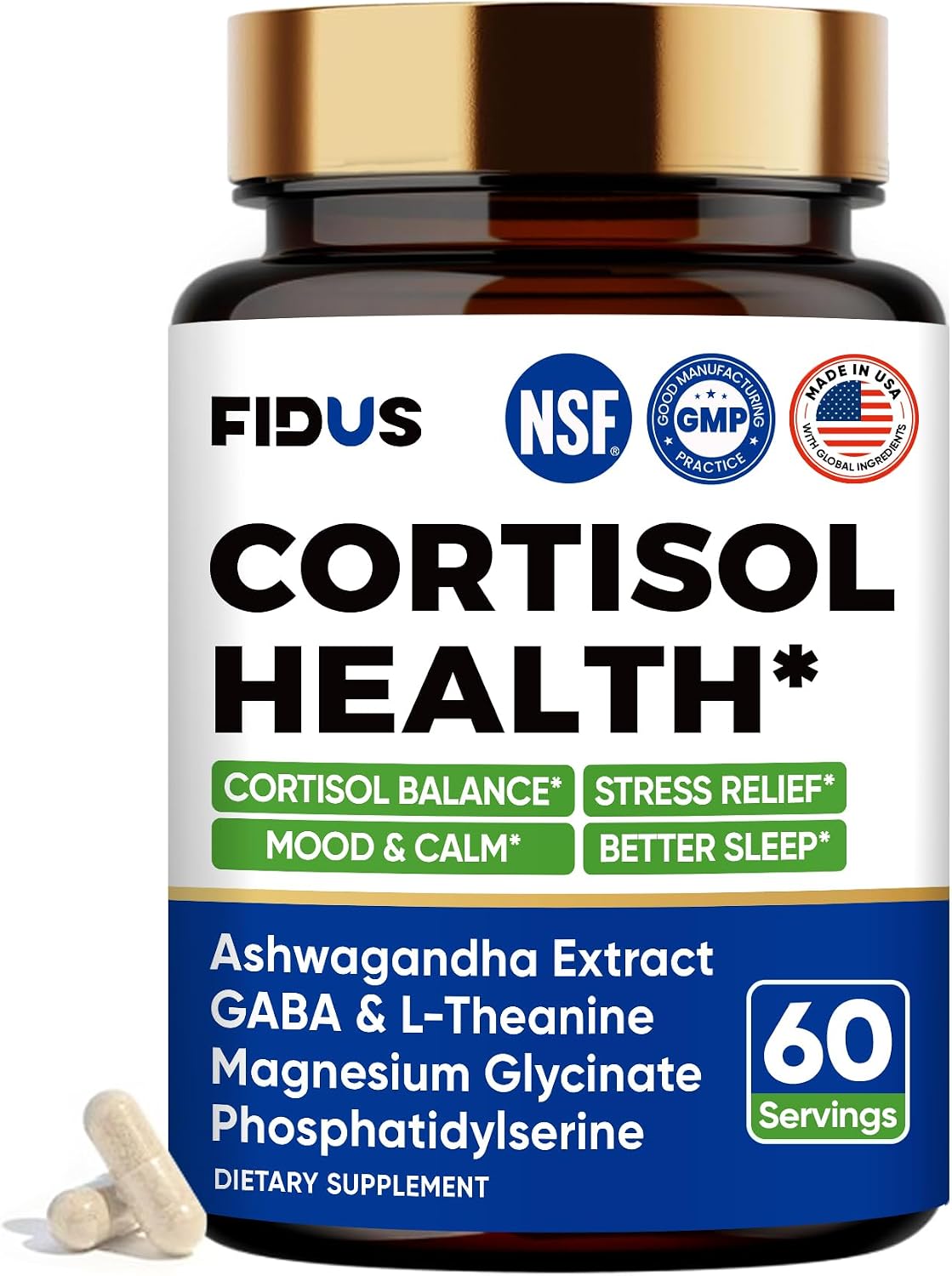
Cortisol Supplement for Women & Men with Ashwagandha & GABA – Magnesium, L-Theanine & Rhodiola, Stress Support for Sleep, Mood & Focus, 60-Day Supply, Made in USA
$15.29 $19.99
50% OFF
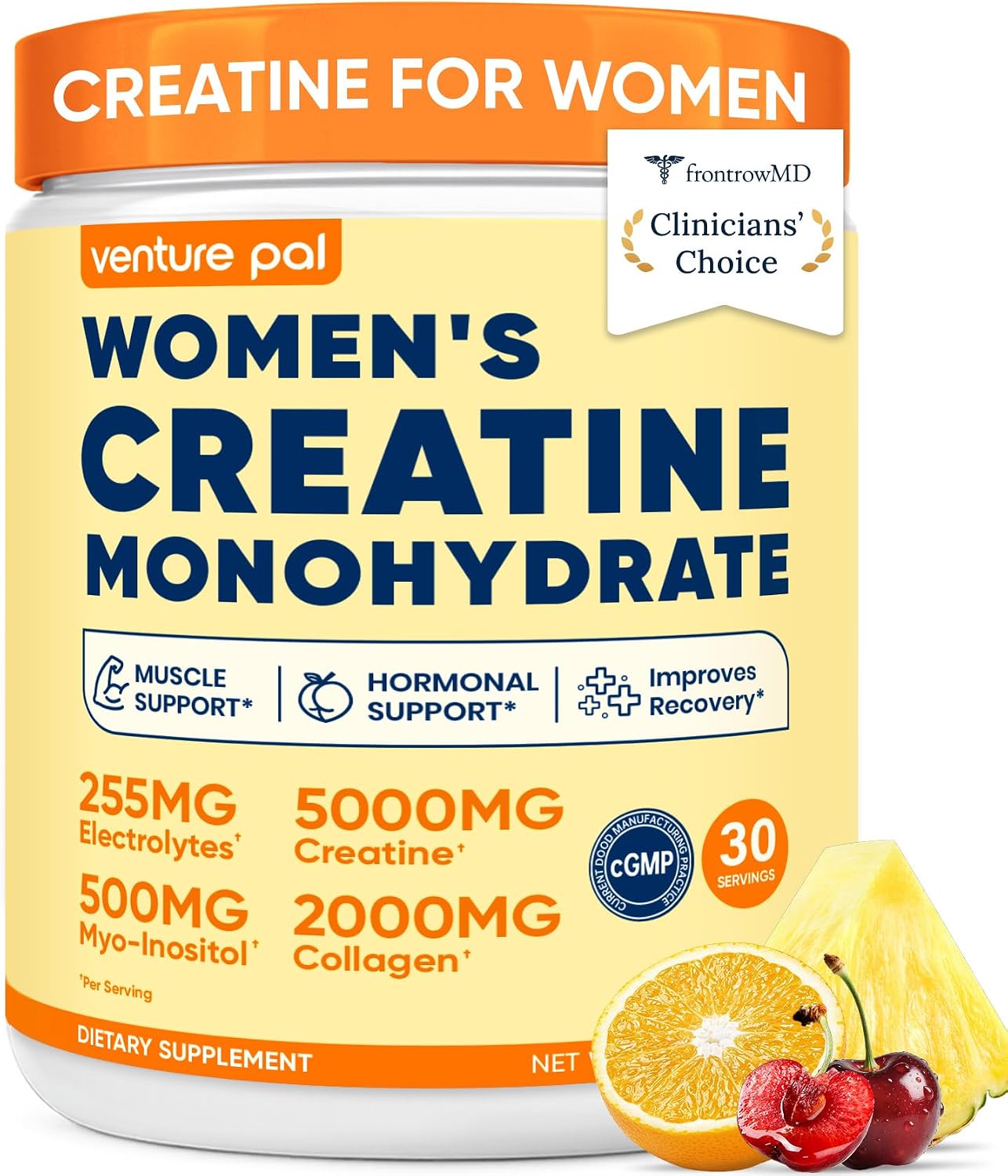
Venture Pal 18-in-1 Creatine for Women – Creatine Monohydrate with Collagen, Myo & D-Chiro Inositol, Electrolytes & Vitamins for Strength, Recovery & Skin Support, Sugar Free, 10.58 oz
$14.99 $29.99
32% OFF
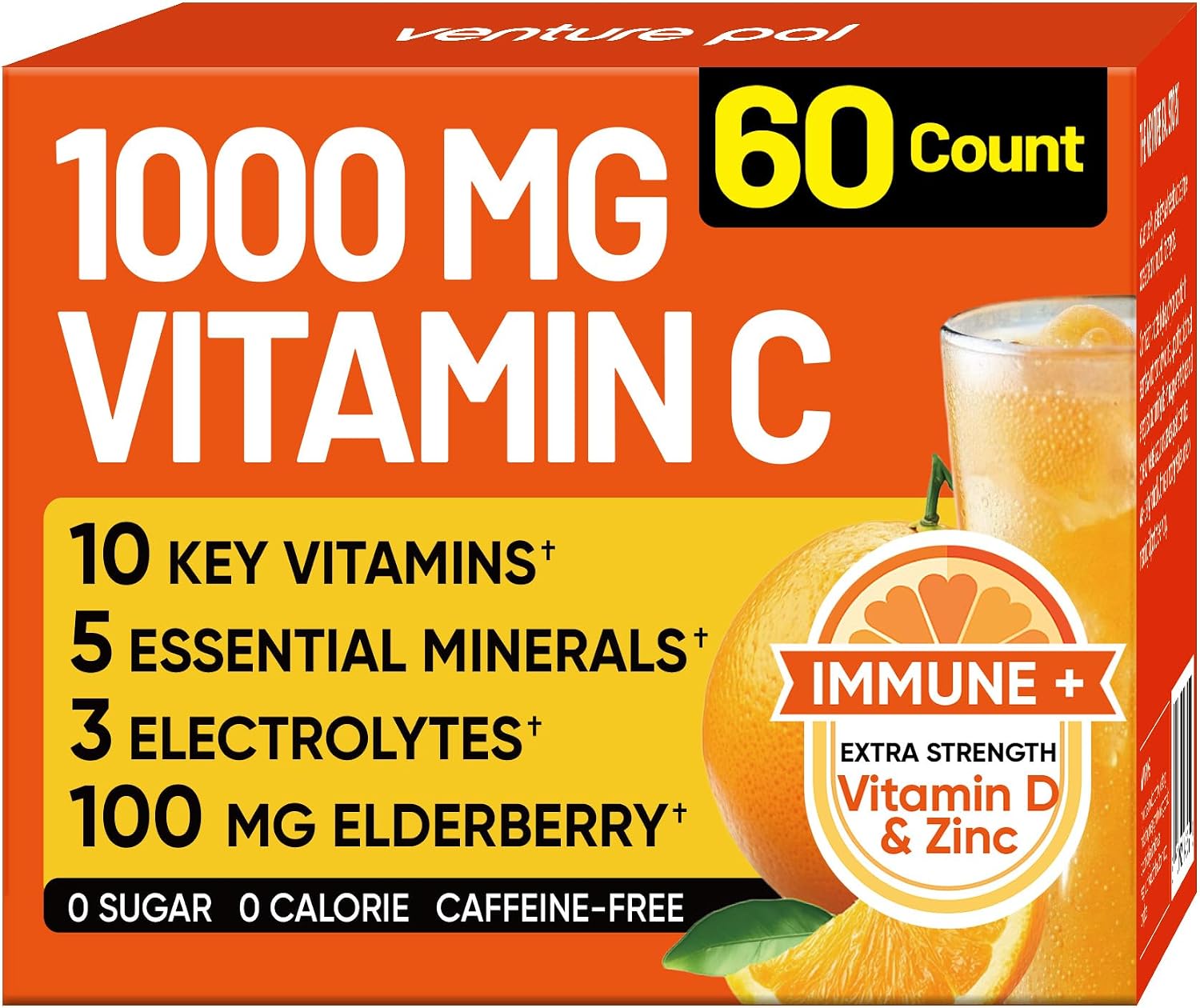
Venture Pal 1000mg Vitamin C Powder with Zinc & Elderberry – Sugar Free B Complex, 10 Vitamins, Minerals & Electrolytes, Daily Immune & Energy Support Packets, 60 Count
$13.59 $19.99
20% OFF
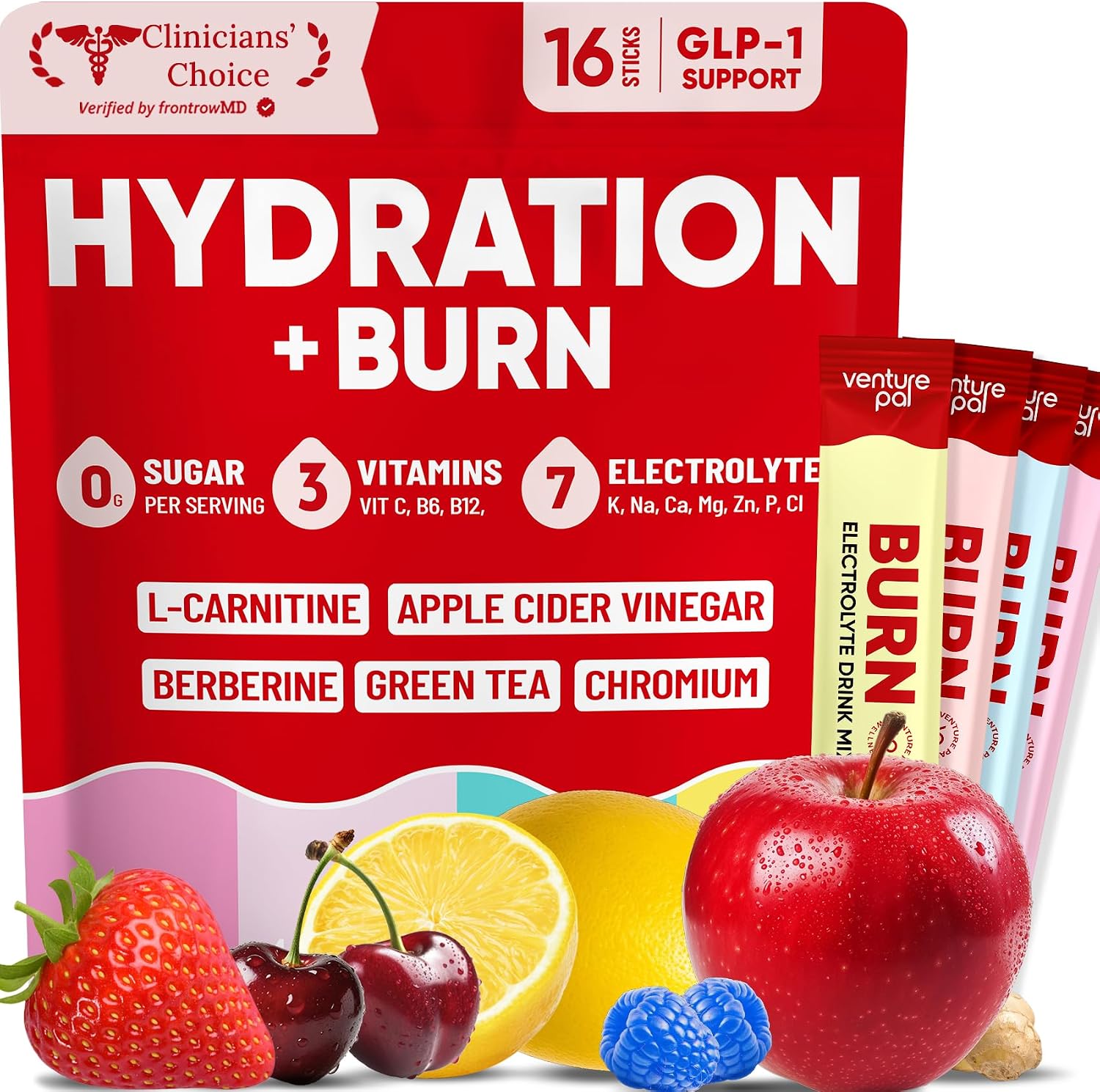
Venture Pal Burn Electrolyte Packets – Sugar Free Hydration with 7 Electrolytes, L-Carnitine, Berberine, ACV & Chromium, Metabolic & Satiety Support, Keto & Vegan, 16 Sticks
$15.99 $19.99




-

Canadian family claim Christian grandmother was euthanised against her wishes
-

Bethel pausing sale of The Passion Translation amid backlash
-

Requiem Mass held for Ann Widdecombe at Buckfast Abbey
-

Jen Hatmaker says she no longer believes in Hell
-

Christian claims insurance broker told him to remove ‘Jesus Loves You’ car stickers
-

Are churches missing out in the bitcoin boom?
Most Popular
News

Global church body concerned for Armenian Church amid dispute with state
The Armenian Apostolic Church (AAC) has been engaged in a years long cold war with the Armenian government.

Twenty African countries back charter affirming traditional marriage and opposition to abortion
Twenty African countries have endorsed a new charter affirming national sovereignty over issues including abortion, marriage and family policy, amid an ongoing debate over the influence of Western governments and international organisations on social policy across the continent.

Government cohabitation plans risk undermining marriage, Christian group warns
Had Taylor Swift and her former boyfriend been together under the government’s proposed system, Swift could potentially have been on the hook for tens of millions of dollars.

Why the Church should make the case for church weddings
The Church should be confident in explaining why getting married in church still matters.
Lumbar Support Pillow for Car with Headrest – Memory Foam Full-Length S-Curve Back & Neck Cushion for Long Drives, Fits Cars, SUVs & Trucks
$32.89
Soothfeel Men's Running Shorts with Zipper Pockets – Quick Dry Athletic Shorts in 9", 7" & 5" Inseams for Basketball, Gym & Workout
$12.91
Men's Slip On Walking Shoes – Hands-Free Casual Sneakers with Arch Support, Wide Stable Base, Breathable Knit Upper, Non-Slip Traction
$29.99
Pudolla Men's UPF 50+ Sun Shirt – Long Sleeve Quick Dry Hiking & Running Shirt with Thumb Holes, Lightweight Moisture-Wicking Rash Guard Base Layer
$11.99
Vilanva Women's Walking Shoes – Cushioned Lightweight Running Sneakers with Slip-Resistant Sole, Breathable Woven Upper for Everyday Wear & Workouts
$35.09
Rocoren 12-Pack Magnetic Cable Clips – 360° Rotating Cord Organizer with No-Residue Adhesive, Cord Holder for Desk, Nightstand, Wall, Car & Office, White
$6.5
Red Light Therapy Mask for Face – 7-Color LED Silicone Facial Mask, Cordless Rechargeable Skincare Device with 240 LEDs for Home & Travel
$39.99
Men's Slim Fit Polo Shirt – Quick Dry Moisture Wicking, High Elasticity, Athletic Fit Polo for Golf, Tennis, Work & Casual Wear (Runs Small, Size Up)
$6.99
AVANTEK Wireless Doorbell CB-11 – 1000 ft Range, 1 Button + 1 Plug-In Receiver, 115 dB Volume, LED Flash, 52 Chimes, Waterproof, 3-Year Battery
$12.91
Women's Workout Shirts – Bum-Covering Length Short Sleeve Dry Fit Tops, Lightweight & Breathable for Athletic, Hiking, Running & Summer Wear
$6.99
Coostar Men's Casual Dress Sneakers – Lightweight Wingtip Oxford Style with Breathable Knit Upper, Rubber Sole & Slip-On Elastic Collar, Business & Walking Shoe
$22.49
Pudolla Men's Quick Dry Hiking and Golf Shorts with 3 Zipper Pockets
$14.84
Venture Pal Ceremonial Grade Matcha Green Tea Powder – First Harvest, Shade Grown, 100% Pure with No Additives, Unsweetened, Vegan & Gluten-Free, 30g Tin
$7.5
Venture Pal Sugar Free 7g BCAA + EAA Powder – 9 Essential Amino Acids with L-Glutamine, Caffeine, Electrolytes & Vitamins for Muscle Recovery, Growth & Hydration
$14.99
Venture Pal Sugar Free Protein Coffee – Cold Brew Mocha Instant Iced Coffee with MCT Oil, Probiotics, Fiber & 13 Vitamins, 70mg Caffeine, Keto & Gluten-Free, 20 Servings
$13.29
Venture Pal Mushroom Hot Cocoa – Natural Sleep Aid with 12 Superfoods, Melatonin 3mg, Magnesium Glycinate, L-Theanine, Glycine, Lion's Mane, Reishi & Turkey Tail, Bedtime Cocoa Mix, 30 Servings
$23.99
Cortisol Supplement for Women & Men with Ashwagandha & GABA – Magnesium, L-Theanine & Rhodiola, Stress Support for Sleep, Mood & Focus, 60-Day Supply, Made in USA
$15.29
Venture Pal 18-in-1 Creatine for Women – Creatine Monohydrate with Collagen, Myo & D-Chiro Inositol, Electrolytes & Vitamins for Strength, Recovery & Skin Support, Sugar Free, 10.58 oz
$14.99
Venture Pal 1000mg Vitamin C Powder with Zinc & Elderberry – Sugar Free B Complex, 10 Vitamins, Minerals & Electrolytes, Daily Immune & Energy Support Packets, 60 Count
$13.59
Venture Pal Burn Electrolyte Packets – Sugar Free Hydration with 7 Electrolytes, L-Carnitine, Berberine, ACV & Chromium, Metabolic & Satiety Support, Keto & Vegan, 16 Sticks
$15.99