
U.S. Secretary of State Condoleezza Rice on Sunday pressed Israel to ease travel restrictions on Palestinians and called Jewish settlements in the occupied West Bank "particularly problematic".
But she said Washington believed an Israeli-Palestinian peace deal was still possible before U.S. President George W. Bush leaves office in January, praising the "seriousness and depth" of negotiations.
"We continue to believe it is an achievable goal to have an agreement between the Palestinians and the Israelis by the end of the year and by the end of President Bush's term," Rice said after meeting Palestinian President Mahmoud Abbas in Ramallah.
Negotiations on issues core to the Middle East conflict were launched at a U.S.-hosted international conference in Annapolis, Maryland in November. Abbas, at a news conference with Rice, voiced his commitment to peace efforts.
But Israeli-Palestinian talks have been clouded by violence, primarily along the border of the Gaza Strip, which is now controlled by Abbas's Islamist Hamas opponents, and by Israel's expansion of Jewish settlements in the West Bank, which Palestinians fear will deny them a viable state.
At the news conference, Rice said the United States regarded settlements as "particularly problematic to the atmosphere of trust that is needed".
A 2003 peace "road map" requires Israel halt construction in the settlements. Israel says it will keep major settlement blocs under any peace deal - a plan tacitly endorsed by Bush in 2004 - and recently approved new housing projects in the enclaves.
"I can assure you that Israel has no hidden agenda," Israeli Foreign Minister Tzipi Livni told reporters after later talks with Rice, in response to a question about the settlements.
ROADBLOCKS
Rice launched her latest two-day visit to the region on Saturday by saying she would assess Israel's steps on the ground to see if they had improved the daily lives of the Palestinians. These include the promised removal of West Bank roadblocks.
Rice said she had raised the question, with Israeli Prime Minister Ehud Olmert and Defence Minister Ehud Barak, of whether those roadblocks that are to be scrapped would have a significant effect on easing movement by Palestinians.
"We are trying to look not just at quantity, but also at quality of improvements," said Rice, who also stressed that the Palestinians needed to take further action to meet the road map demand that anti-Israel militant groups be reined in.
After Rice's last trip in late March, Israel said it planned to remove 61 barriers in the West Bank. But a U.N. survey subsequently found that only 44 obstacles had been scrapped - and that most of these were of little or no significance.
Western pressure is mounting on Olmert to do more to ease travel restrictions and take other steps to shore up Abbas, whose authority has been limited to the West Bank since Hamas seized control of the Gaza Strip in June.
Before her talks with Abbas, Rice met Barak in Jerusalem. He exerts great influence over Israel's network of checkpoints and roadblocks in the West Bank.
Palestinians view the barriers as collective punishment and a blight on their economy. Israel argues it needs to keep many travel restrictions in place to prevent suicide bombings.
Rice met Olmert on Saturday night in Jerusalem. Olmert, in broadcast remarks on Sunday, gave no details of the discussions other than to say they were "part of the (peace) effort, which we will not halt".
Abbas and Olmert are due to meet on Monday after Rice leaves.
49% OFF
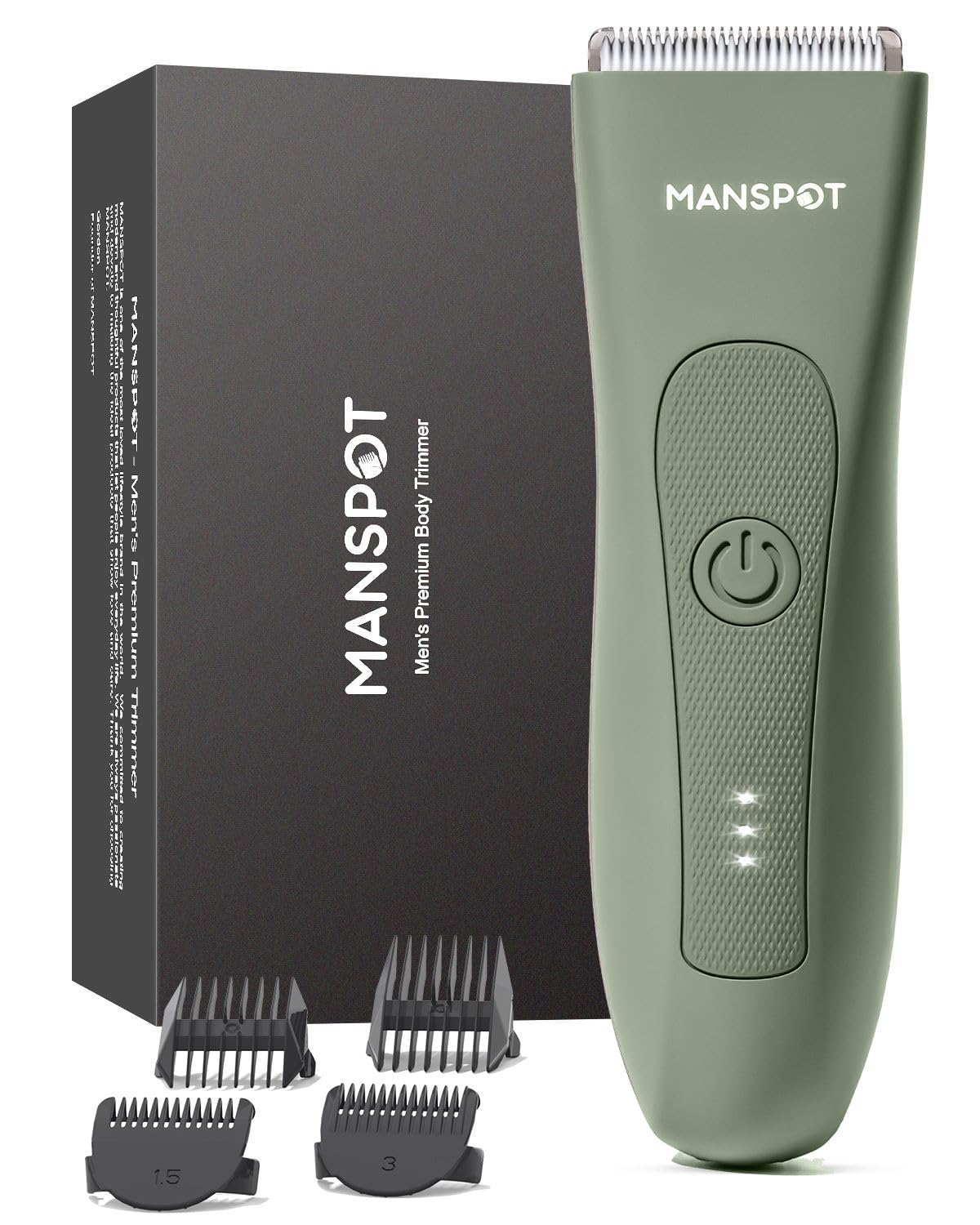
MANSPOT Electric Pubic Hair Trimmer - Waterproof Body and Groin Shaver for Men and Women (Black)
$20.39 $40
25% OFF
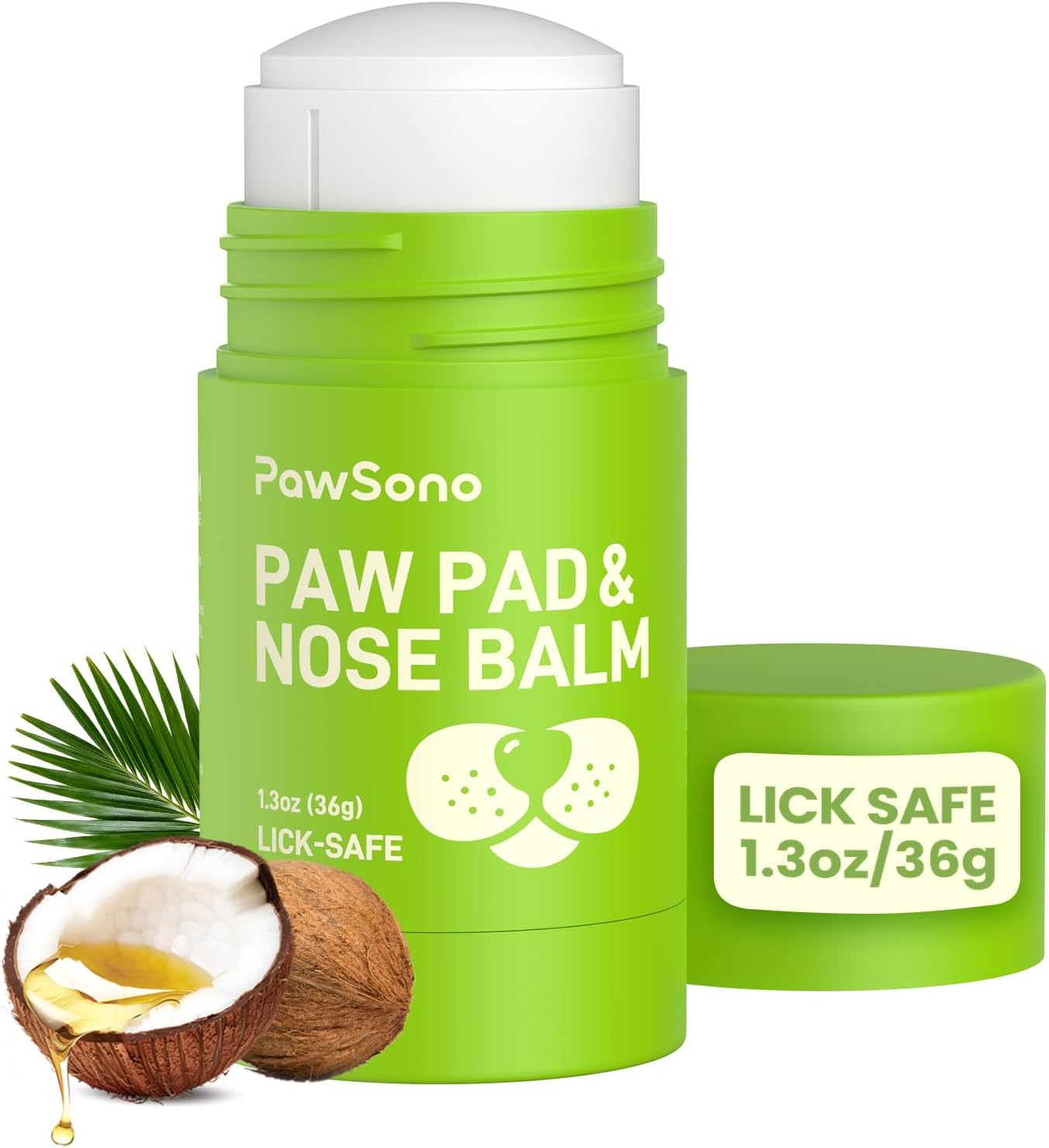
Lick-Safe Dog Paw and Nose Balm Stick - All-Natural Moisturizer with Coconut Oil for Dry, Cracked Pads and Snout
$11.69 $15.59
77% OFF
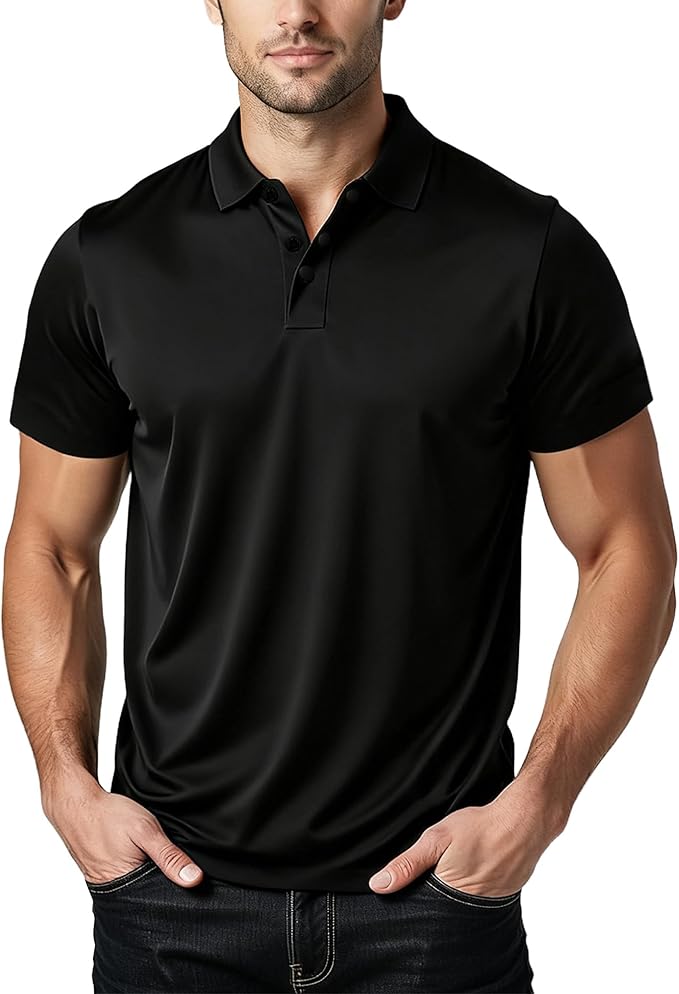
Men's Quick Dry Moisture Wicking Polo Shirt - High Elasticity Slim Fit Athletic Top (Runs Small)
$6.99 $29.99
46% OFF
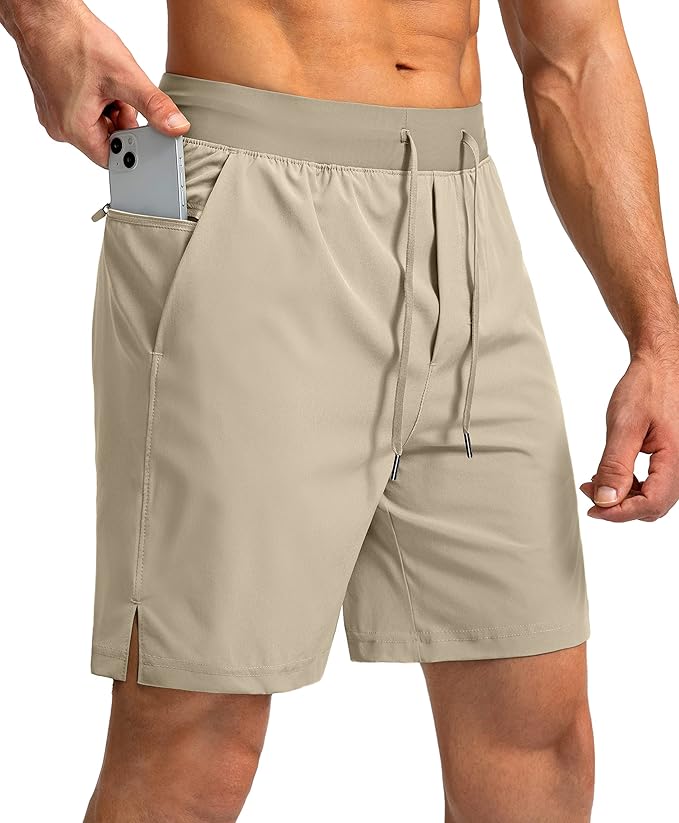
Men's Running Shorts with Zipper Pockets - Lightweight, Quick-Dry, Multi-Sport
$12.95 $23.99
50% OFF

NEWFAST NF-RE523 AC1200 WiFi Extender - 1200Mbps Dual Band Signal Booster & Internet Repeater
$18.5 $36.99
48% OFF
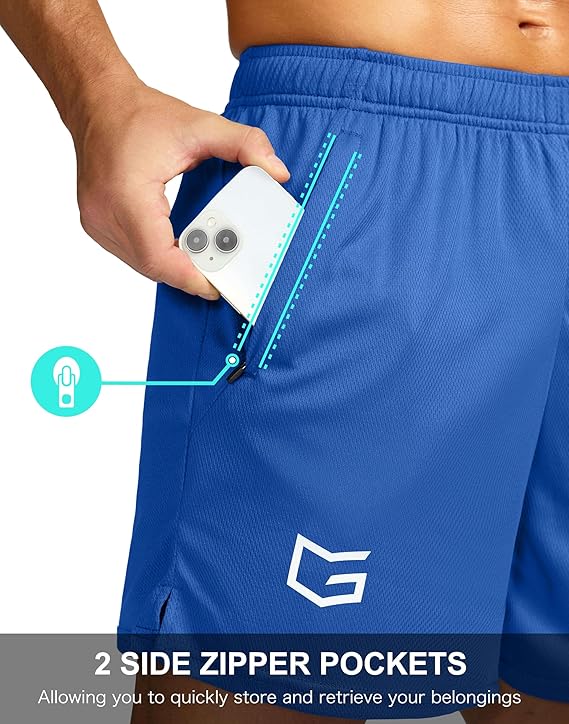
G Gradual Men's 7-inch Workout Running Shorts - Lightweight, Quick-Dry, Comfort
$12.91 $24.99
30% OFF
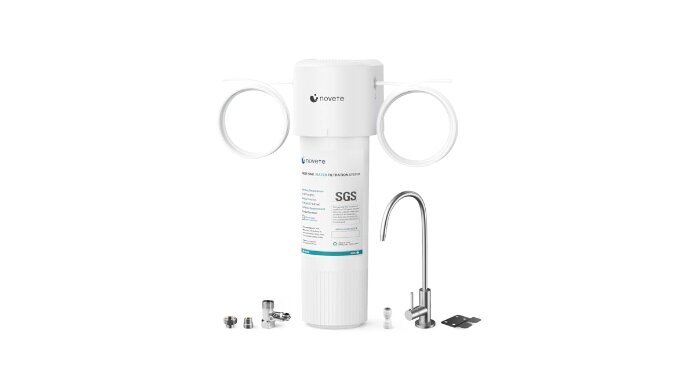
NOVETE Under Sink Water Filter - 3 Years, 30,000 Gallons, High-Efficiency Filtration
$41.99 $59.99
50% OFF
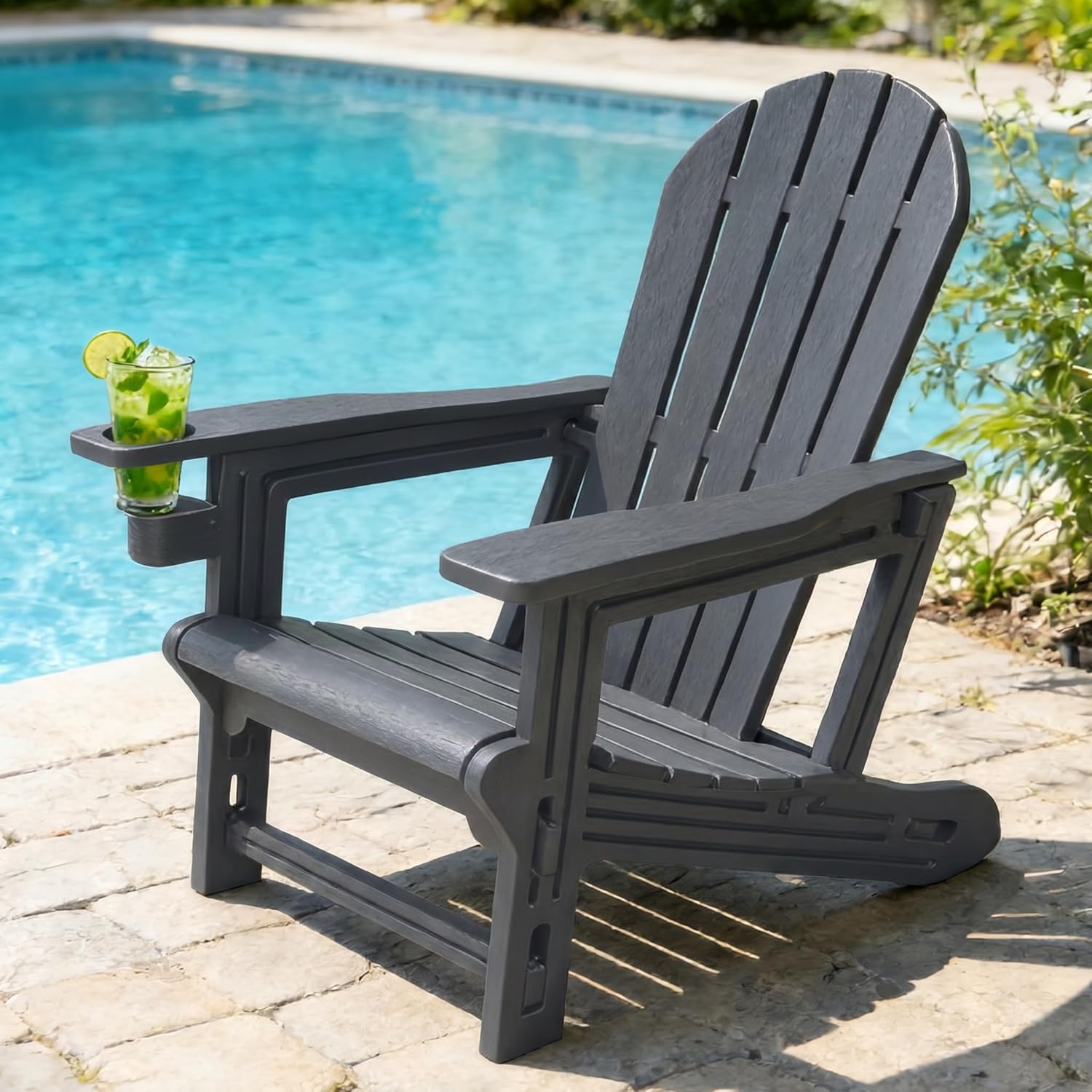
HDPE All-Weather Adirondack Chair with Built-In Cup Holder - Tool-Free Assembly (Grey)
$69.99 $139.99
60% OFF

HOMETUK Clear Plastic Storage Bins with Dividers - 3-Pack Stackable Acrylic Organizer Containers for Fridge and Pantry
$19.99 $49.99
58% OFF
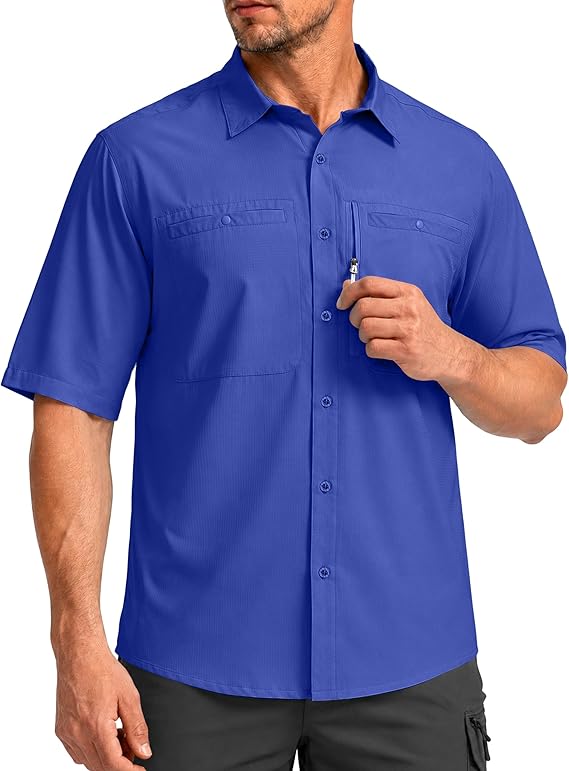
G Gradual Men's Fishing Shirt - UPF 50+ Lightweight Short Sleeve Button Down with Zipper Pockets
$14.99 $35.99
55% OFF
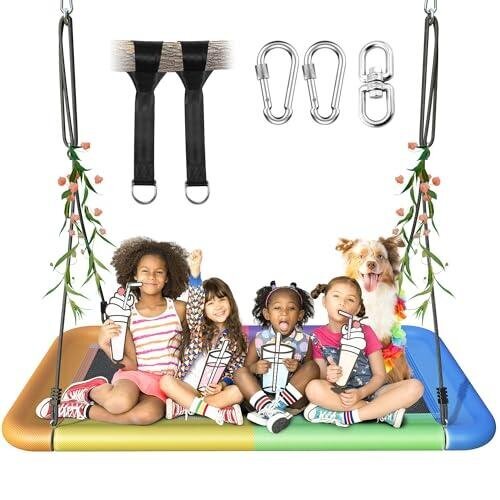
Everyfun 60" Rectangular Platform Tree Swing - 700lbs Heavy Duty Adjustable Outdoor Swing (Colorful)
$49.99 $110.99
61% OFF
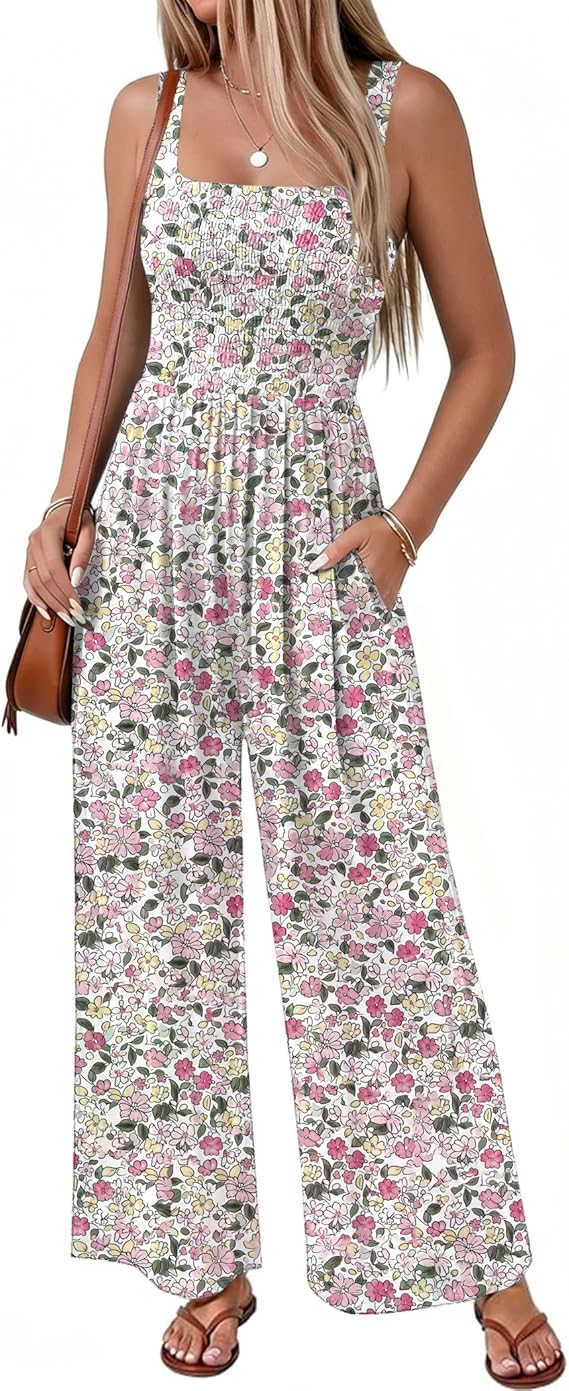
Ekouaer Women's Casual Loose Jumpsuit - One-Piece Printed Sleeveless Wide Leg Romper with Pockets
$14.99 $37.99
36% OFF
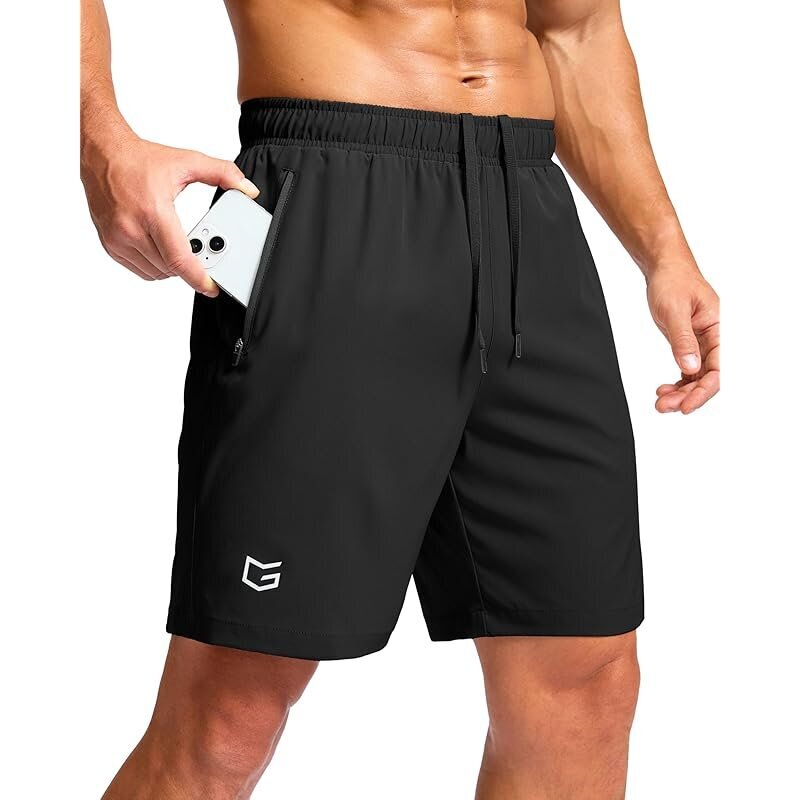
Men's Athletic Running Shorts with Zipper Pockets - Lightweight & Quick Dry
$12.74 $19.99
61% OFF
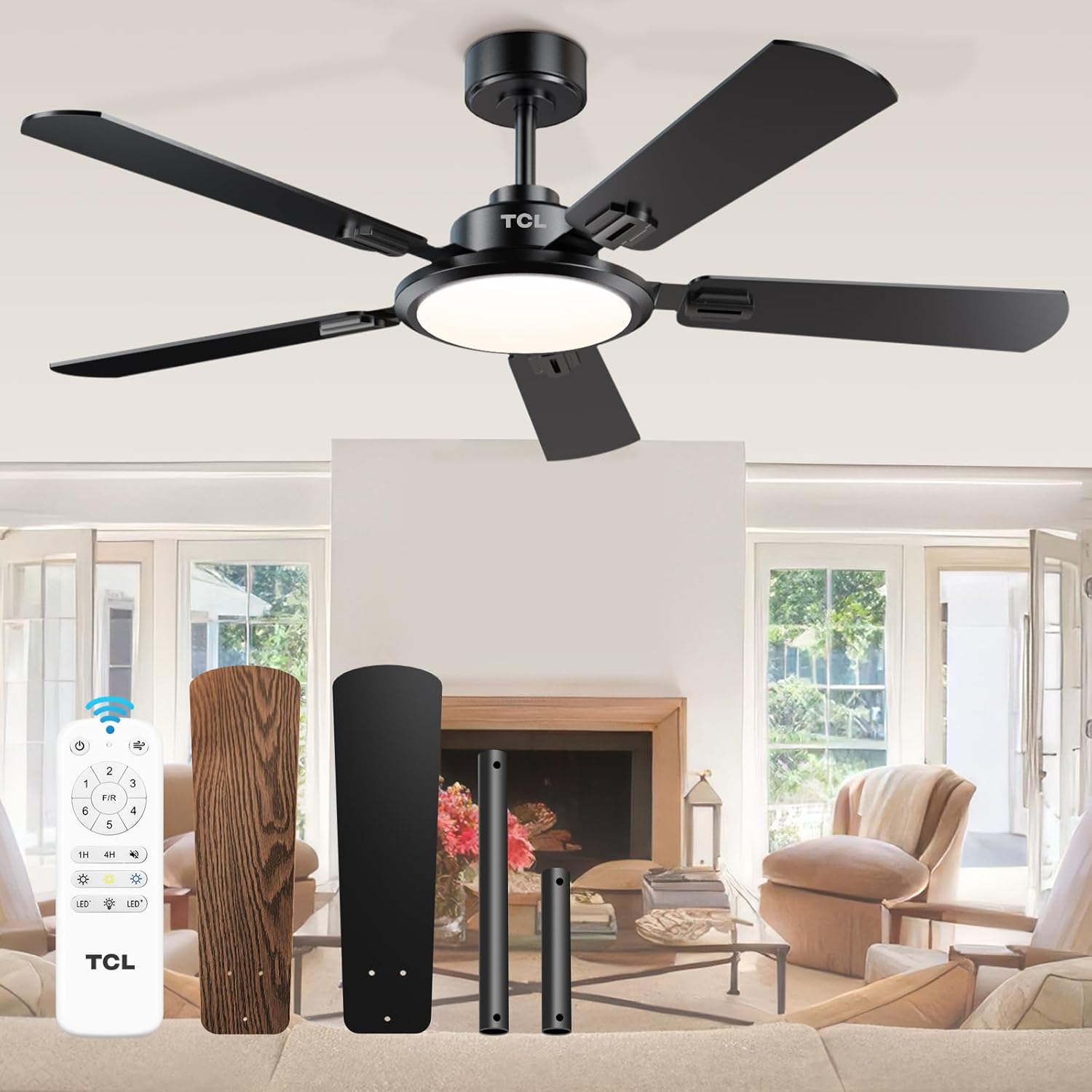
Modern Ceiling Fan with Light and Remote - Reversible Quiet DC Motor
$69.3 $179.99
50% OFF
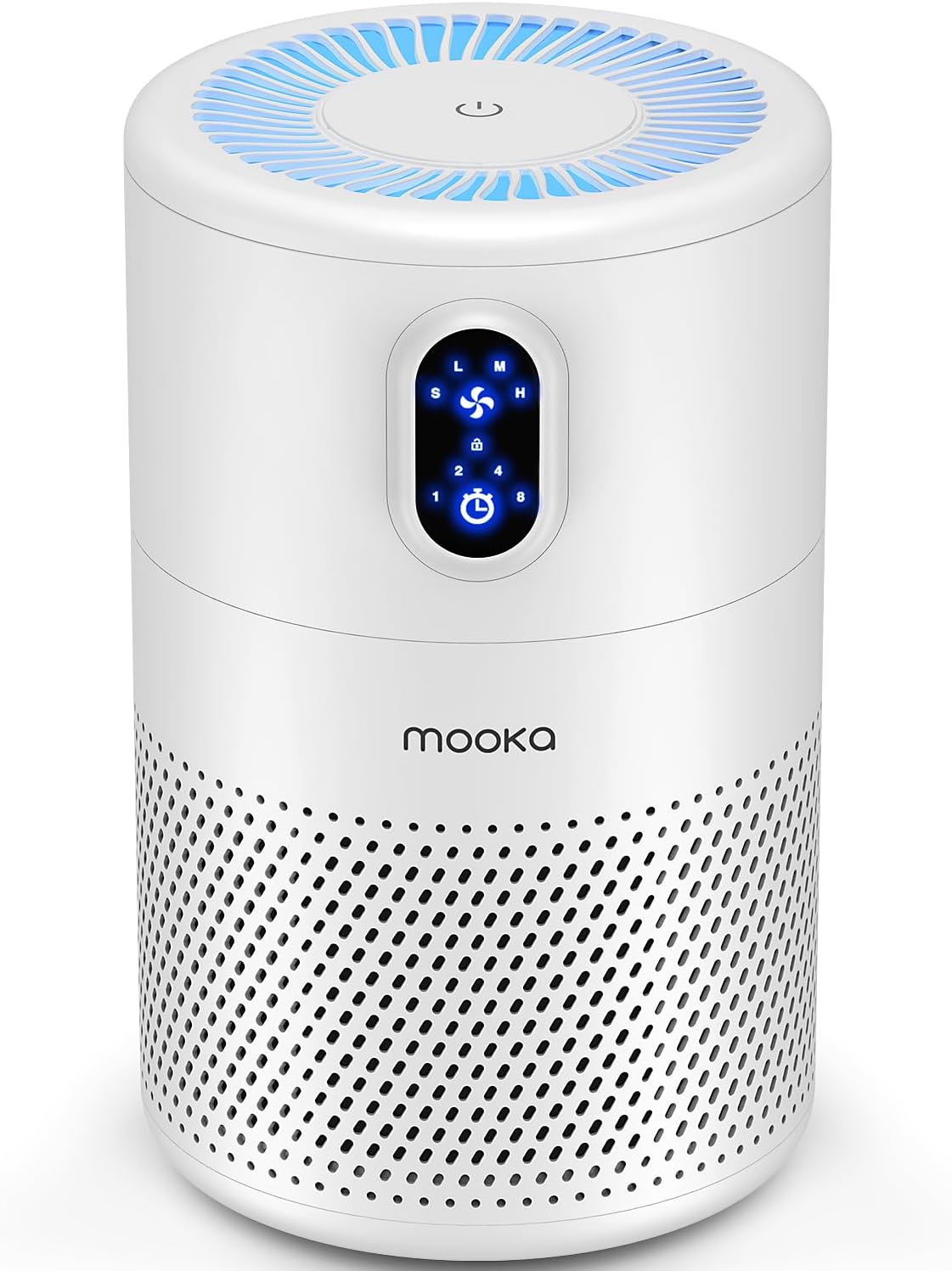
MOOKA H13 True HEPA Air Purifier for Home Large Room - 1076 sq ft Odor Eliminator
$39.97 $79.95
40% OFF
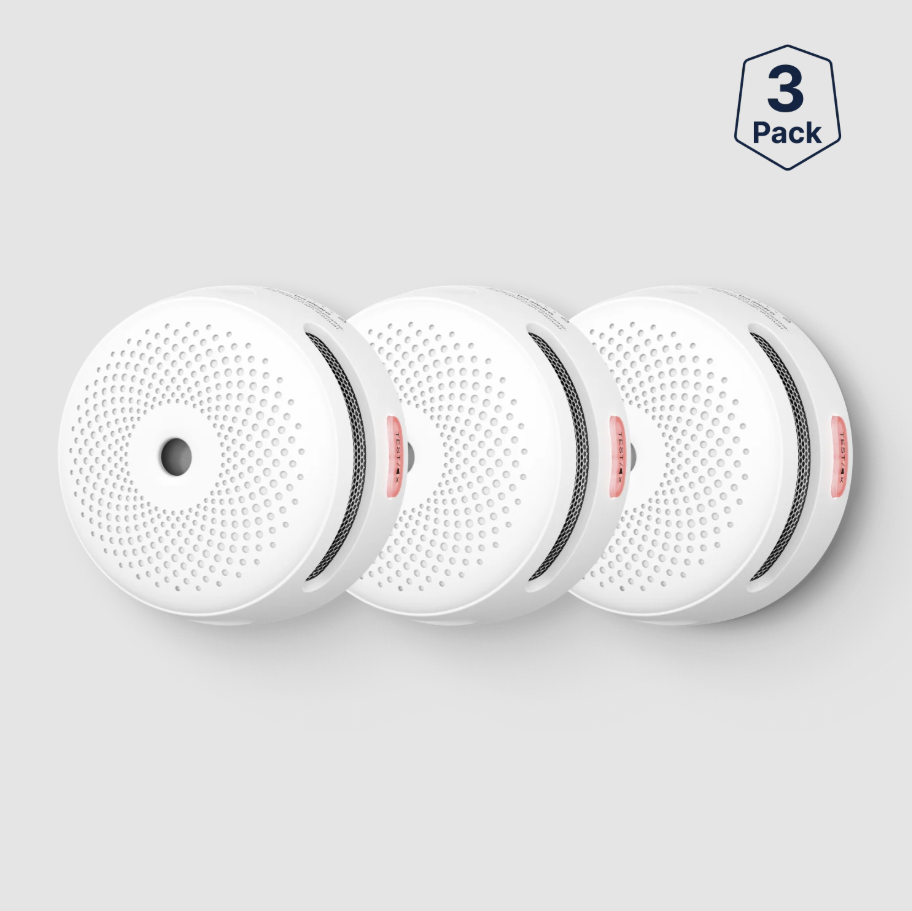
X-Sense XS01-WX Smart Smoke Alarm - 2.4 GHz Wi-Fi Photoelectric Fire Detector with Mobile App Alerts
$65.99 $109.99
11% OFF

VitaUp Beet Root Gummies with CoQ10 & Grape Seed - Nitric Oxide Circulation Support (60 Count)
$24.91 $27.91
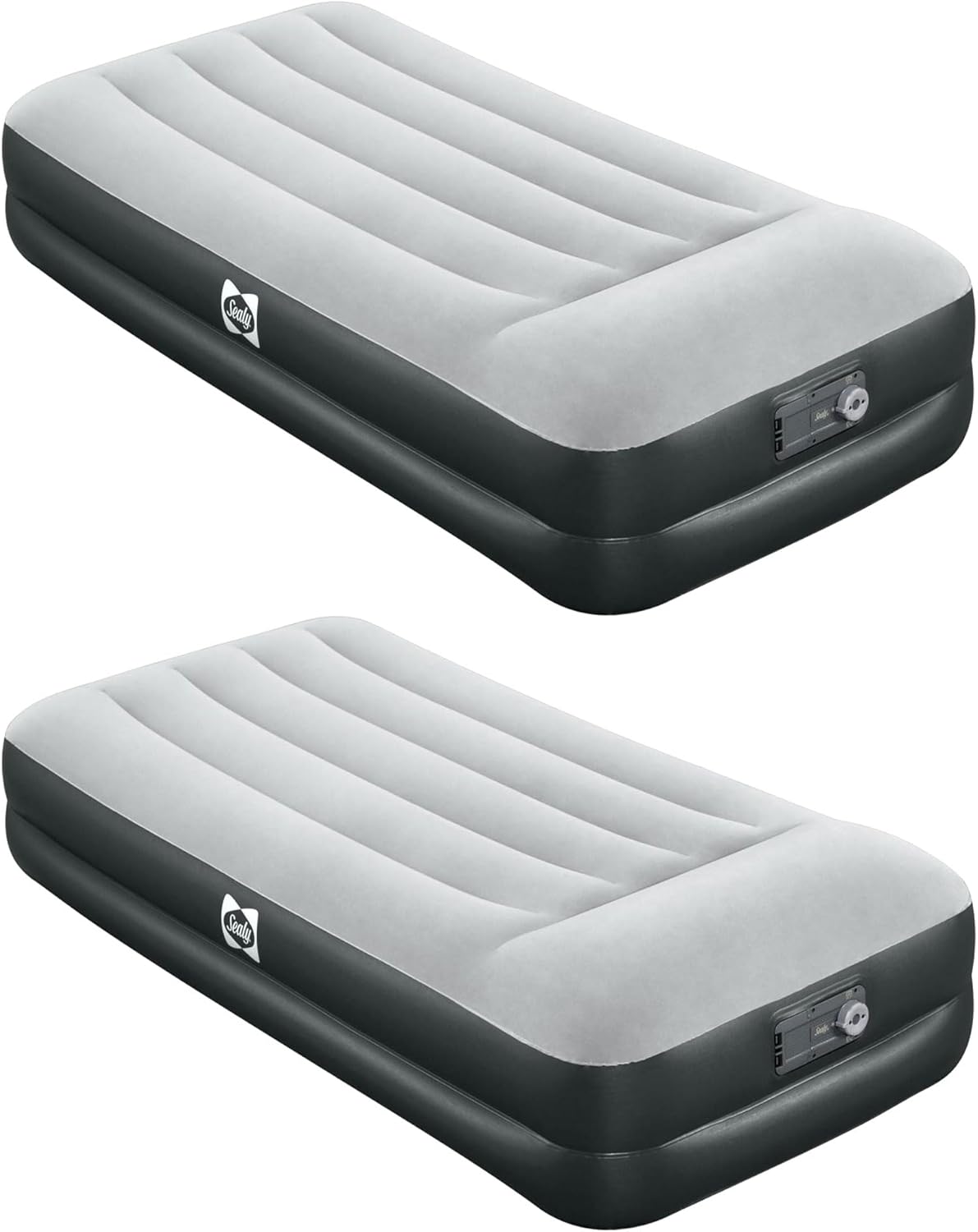
Sealy 2-Pack Tritech 16" Twin Inflatable Air Mattress with Built-in AC Pump
$0 $113.99
20% OFF
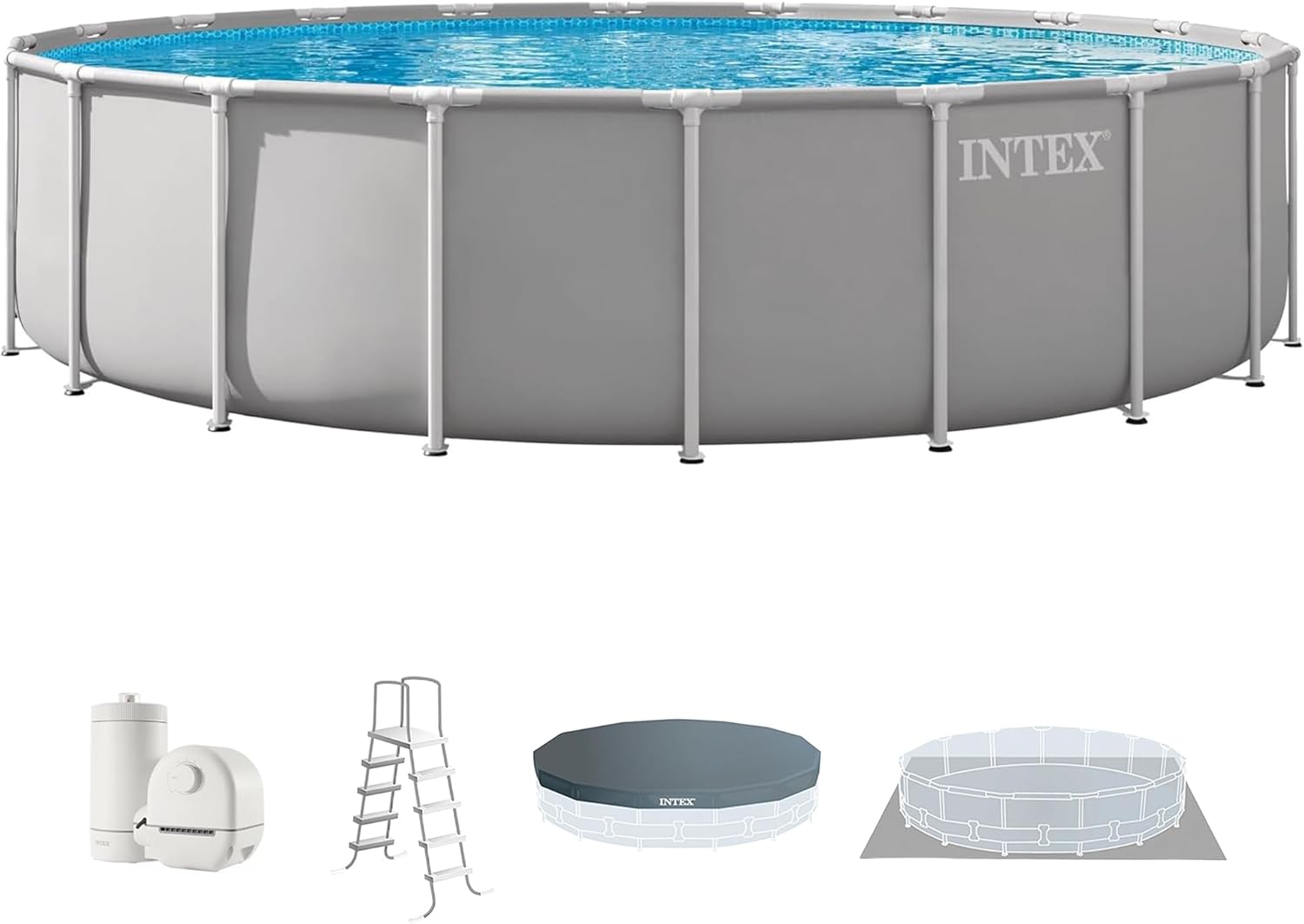
INTEX Prism Frame 20ft x 52in Above Ground Pool Set - Round Steel Frame Swimming Pool
$695.99 $869.99

Gardner Pet 43" Heavy Duty Dog Crate with Wheels - Indestructible Folding Metal Cage (Black)
$0 $149.99




-

Diary of a CEO’s Steven Bartlett and John Lennox discuss AI, faith and the search for meaning
-

Belfast churches 'heartbroken' over unrest
-

Is there a two-tier Britain?
-

Churches must disciple well and listen well in response to rise of Christian nationalism
-

Biblical models and the creation of King Arthur
-

Welsh reverend speaks of culture of fear over LGBT issues
Most Popular
News

Gloucester churches come together to bless River Avon amid pollution concerns
It is part of a broader campaign against river pollution as concerns remain about the amount of untreated sewage in the Avon.

Life beyond burnout: how Christians can grow in the desert seasons
Christian Today speaks to author and Anglican priest Tish Harrison Warren about growth in desert seasons and why the Church shouldn’t treat all spiritual weariness as a problem to fix.

Iranian-born bishop stands in solidarity with Britain's Jews
2025 had the second highest number of antisemitic incidents on record.

Bishops protest Israeli arrest of another Palestinian Christian
An Evangelical Lutheran has been accused of "promoting terrorist activities".
MANSPOT Electric Pubic Hair Trimmer - Waterproof Body and Groin Shaver for Men and Women (Black)
$20.39
Lick-Safe Dog Paw and Nose Balm Stick - All-Natural Moisturizer with Coconut Oil for Dry, Cracked Pads and Snout
$11.69
Men's Quick Dry Moisture Wicking Polo Shirt - High Elasticity Slim Fit Athletic Top (Runs Small)
$6.99
Men's Running Shorts with Zipper Pockets - Lightweight, Quick-Dry, Multi-Sport
$12.95
NEWFAST NF-RE523 AC1200 WiFi Extender - 1200Mbps Dual Band Signal Booster & Internet Repeater
$18.5
G Gradual Men's 7-inch Workout Running Shorts - Lightweight, Quick-Dry, Comfort
$12.91
NOVETE Under Sink Water Filter - 3 Years, 30,000 Gallons, High-Efficiency Filtration
$41.99
HDPE All-Weather Adirondack Chair with Built-In Cup Holder - Tool-Free Assembly (Grey)
$69.99
HOMETUK Clear Plastic Storage Bins with Dividers - 3-Pack Stackable Acrylic Organizer Containers for Fridge and Pantry
$19.99
G Gradual Men's Fishing Shirt - UPF 50+ Lightweight Short Sleeve Button Down with Zipper Pockets
$14.99
Everyfun 60" Rectangular Platform Tree Swing - 700lbs Heavy Duty Adjustable Outdoor Swing (Colorful)
$49.99
Ekouaer Women's Casual Loose Jumpsuit - One-Piece Printed Sleeveless Wide Leg Romper with Pockets
$14.99
Men's Athletic Running Shorts with Zipper Pockets - Lightweight & Quick Dry
$12.74
Modern Ceiling Fan with Light and Remote - Reversible Quiet DC Motor
$69.3
MOOKA H13 True HEPA Air Purifier for Home Large Room - 1076 sq ft Odor Eliminator
$39.97
X-Sense XS01-WX Smart Smoke Alarm - 2.4 GHz Wi-Fi Photoelectric Fire Detector with Mobile App Alerts
$65.99
VitaUp Beet Root Gummies with CoQ10 & Grape Seed - Nitric Oxide Circulation Support (60 Count)
$24.91
Sealy 2-Pack Tritech 16" Twin Inflatable Air Mattress with Built-in AC Pump
$0
INTEX Prism Frame 20ft x 52in Above Ground Pool Set - Round Steel Frame Swimming Pool
$695.99
Gardner Pet 43" Heavy Duty Dog Crate with Wheels - Indestructible Folding Metal Cage (Black)
$0