
DATU BLAH SINSUAT, Philippines - When Christians in the southern Philippines heard that the government and Islamic rebels had agreed to expand a homeland for Muslims on their island, they panicked.
"We started buying some weapons to defend our families and community," said Berting, a coconut farmer, whose farm sits in the heart of a mainly Muslim province in the southern Philippine island of Mindanao.
Berting, who declined to give his last name, is a Catholic whose grandfather settled in the area nearly 80 years ago when Christian farmers moved to the lush jungles and valleys of mostly Muslim Mindanao.
A conflict between Catholics and Muslims has raged on the island for the past 40 years, resulting in the deaths of 120,000 people. But now the sides say that they are close to a final peace deal and might sign an agreement next year.
After a decade of stop-start negotiations, the government and the country's largest Islamic rebel group agreed last month on the boundaries of a proposed homeland for Muslims, who make up around 20 percent of Mindanao's population.
The thought chills Berting.
"If things don't turn out that well, we might sell what we have here and move to my wife's place in another part of Mindanao. My neighbours were thinking the same thing, we'll leave this place and re-settle elsewhere."
In the 1960s, Muslims and Catholic militia groups fought violent wars over land ownership as the Christian settlers started to outnumber the original inhabitants.
"We don't want to go back to those days," said Moner Bajunaid, head of an Islamic education organistion in Mindanao.
"There must be real efforts by the two sides to allay the fears of the Christian settlers that their Muslim neighbours will reclaim their homes and farms."
OPEN TO ALL
Local politicians in nearby North Cotabato province, where hundreds of Muslim-dominated villages will be included in a proposed ancestral domain, said Berting's reaction reflected common fears within the minority Christian communities.
"It's bad news," Mohaqher Iqbal, chief peace negotiator of the MILF rebel group, told Reuters at the rebels' camp.
"We never intended to separate the Muslims and Christians ... Our doors are open to all," he said.
About five percent of the Philippines estimated 89 million people are Muslims, and about 81 percent of the population are Catholic.
In a two-day meeting in Kuala Lumpur last month, negotiators for the government and the MILF agreed to mark the land and sea boundaries of the Bangsamoro Juridical Entity (BJE), which refers to the areas that will be covered by the proposed ancestral homeland for Muslims in the south.
The new borders will expand the six provinces and one city covered by the Autonomous Region in Muslim Mindanao (ARMM).
The ARMM was created in 1989 based on an agreement with the older Moro National Liberation Front (MNLF). But the MNLF are not happy with the prospect of being supplanted by the MILF and the two groups have yet to work out a compromise.
Smoothing over differences with fellow rebels is just one of the potential hurdles to a final, historic deal.
The issue of governance, which has yet to be agreed, could also spell trouble. Powerful southern-based political clans would likely use force to prevent any loss of influence in one of the most resource rich areas of the country.
Military commanders with a vested interest in maintaining the conflict to boost their powers and careers may be another factor.
In an apparent sign the rebels were being more pragmatic, Iqbal said only about half of the 613 villages the government had initially suggested be part of the ancestral homeland would be included in the BJE because the other areas were too far away, Iqbal said the new map would be unveiled in January 2008 after the text of the deal is finalised this month.
That prospect frightens many Catholic settlers.
"We don't want that day to happen," Berting said, showing three rifles he bought on the black market.
"We'll defend our farms."
50% OFF

All-Weather HDPE Plastic Adirondack Chair with Cup Holder – Navy Blue
$70 $139.99
50% OFF

7-Color LED Red Light Therapy Mask for Face and Anti-Aging
$29.99 $59.99
49% OFF
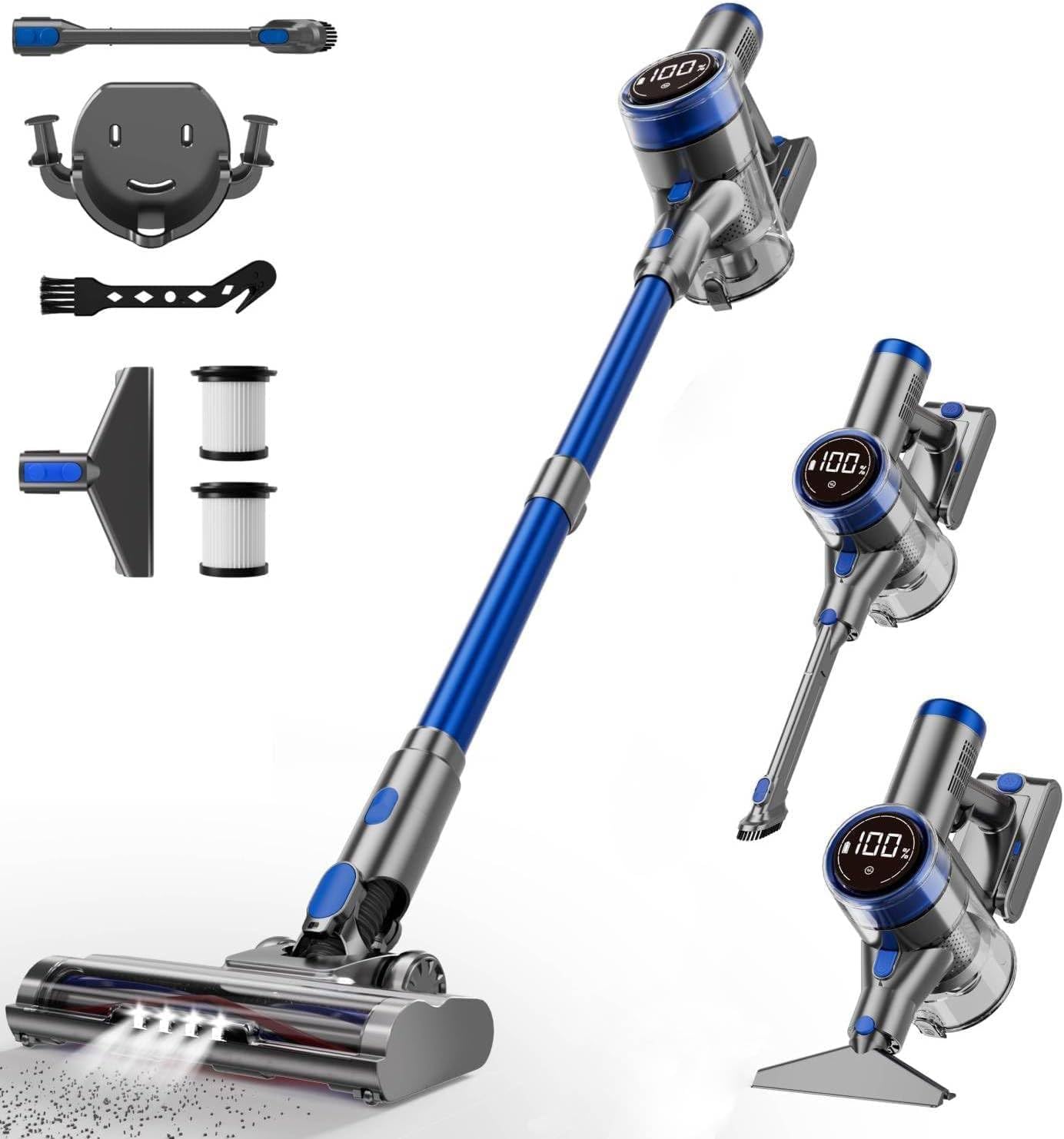
Cordless Vacuum Cleaner - 480W/45Kpa Powerful Stick Vacuum with LED Smart Touch Screen
$55.99 $109.99
20% OFF

Hypoallergenic Pet Wipes for Dogs & Cats - 400 Count Extra Large Coconut Scented Grooming Wipes
$24.79 $30.99
49% OFF
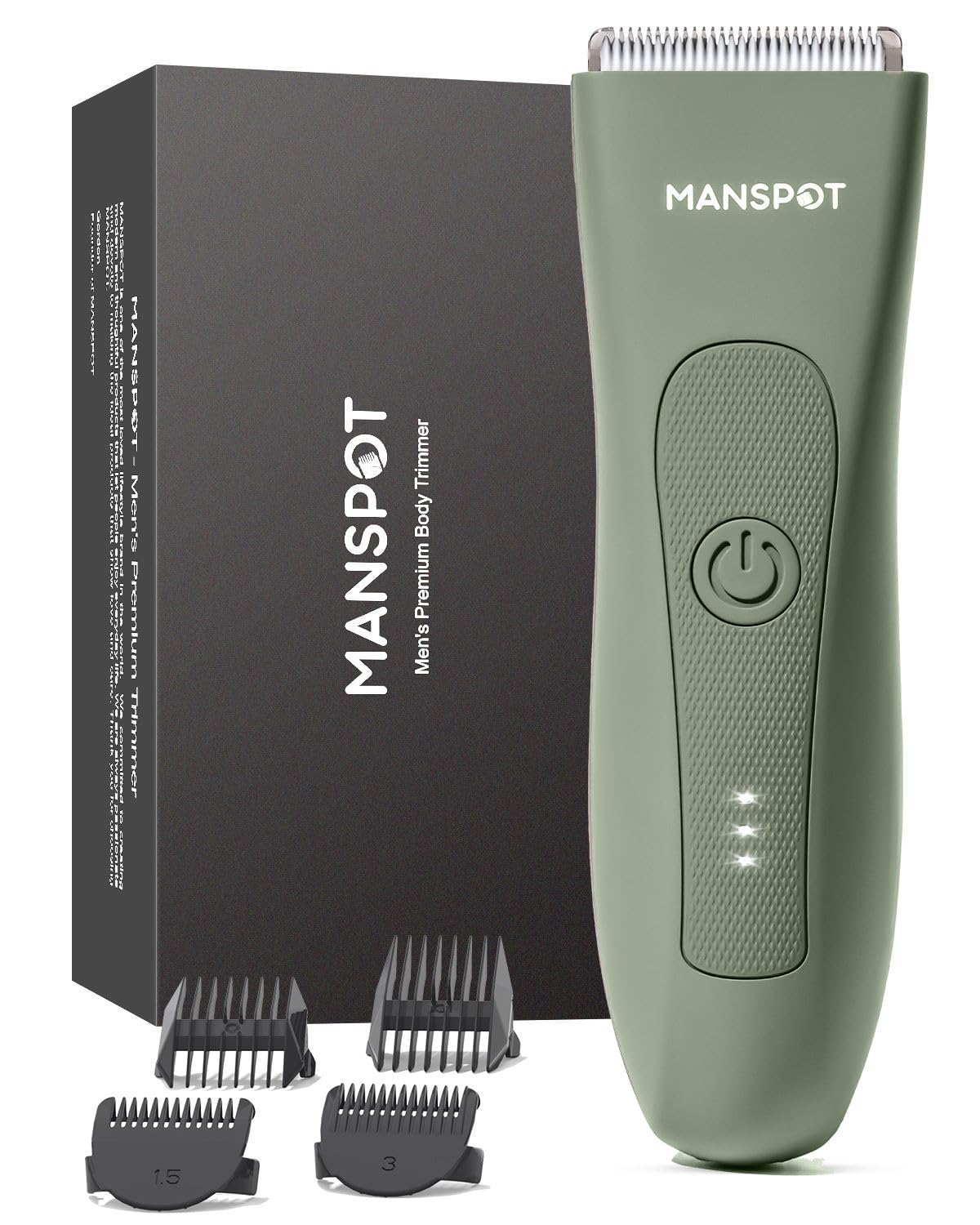
MANSPOT Electric Pubic Hair Trimmer - Waterproof Body and Groin Shaver for Men and Women (Black)
$20.39 $40
25% OFF

Lick-Safe Dog Paw and Nose Balm Stick - All-Natural Moisturizer with Coconut Oil for Dry, Cracked Pads and Snout
$11.69 $15.59
77% OFF
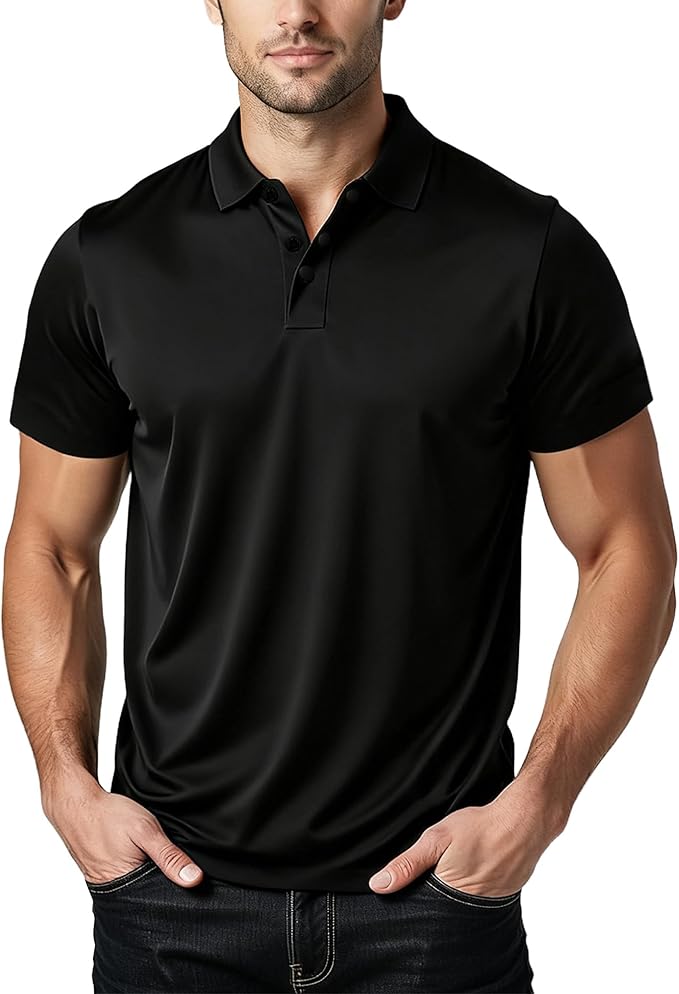
Men's Quick Dry Moisture Wicking Polo Shirt - High Elasticity Slim Fit Athletic Top (Runs Small)
$6.99 $29.99
46% OFF
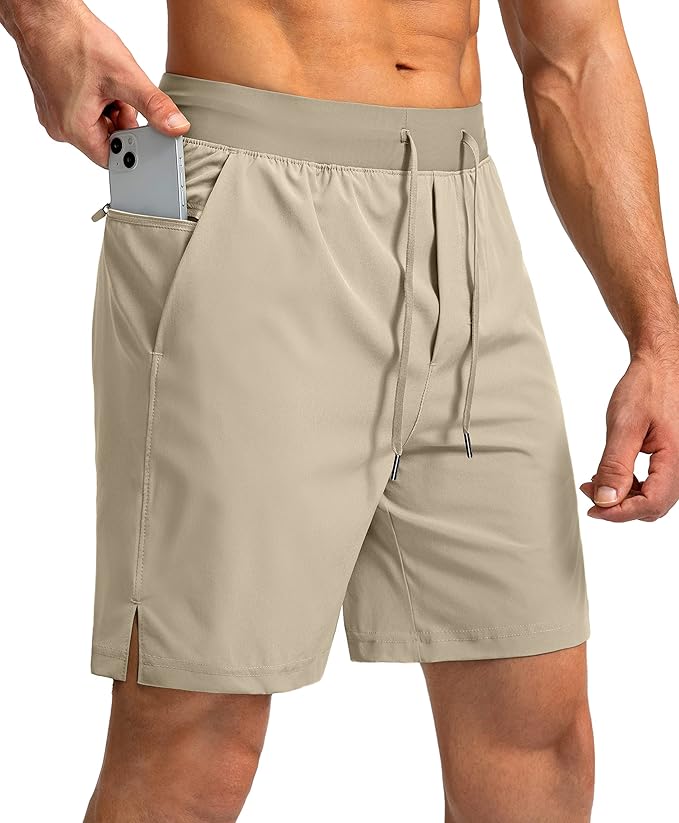
Men's Running Shorts with Zipper Pockets - Lightweight, Quick-Dry, Multi-Sport
$12.95 $23.99
50% OFF
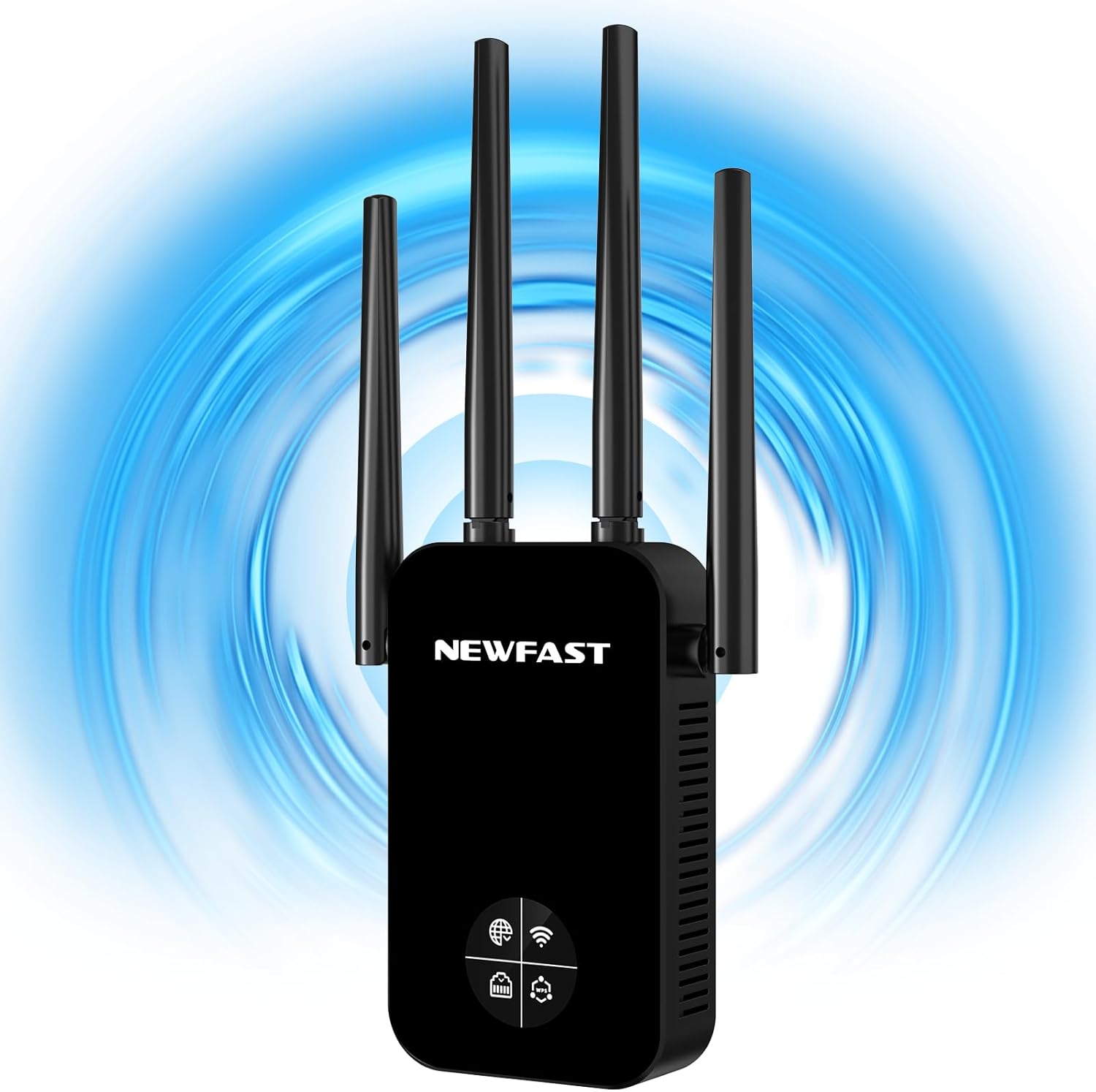
NEWFAST NF-RE523 AC1200 WiFi Extender - 1200Mbps Dual Band Signal Booster & Internet Repeater
$18.5 $36.99
48% OFF

G Gradual Men's 7-inch Workout Running Shorts - Lightweight, Quick-Dry, Comfort
$12.91 $24.99
30% OFF
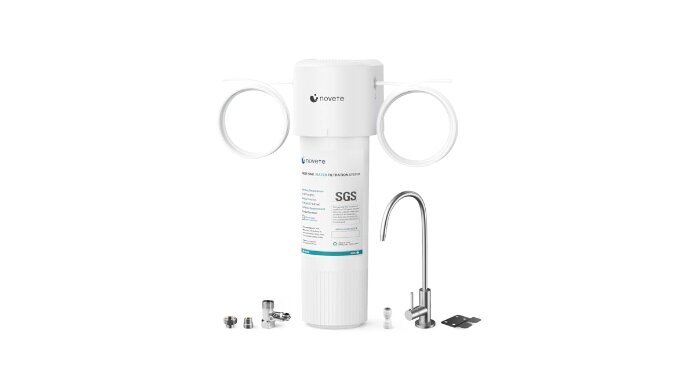
NOVETE Under Sink Water Filter - 3 Years, 30,000 Gallons, High-Efficiency Filtration
$41.99 $59.99
50% OFF
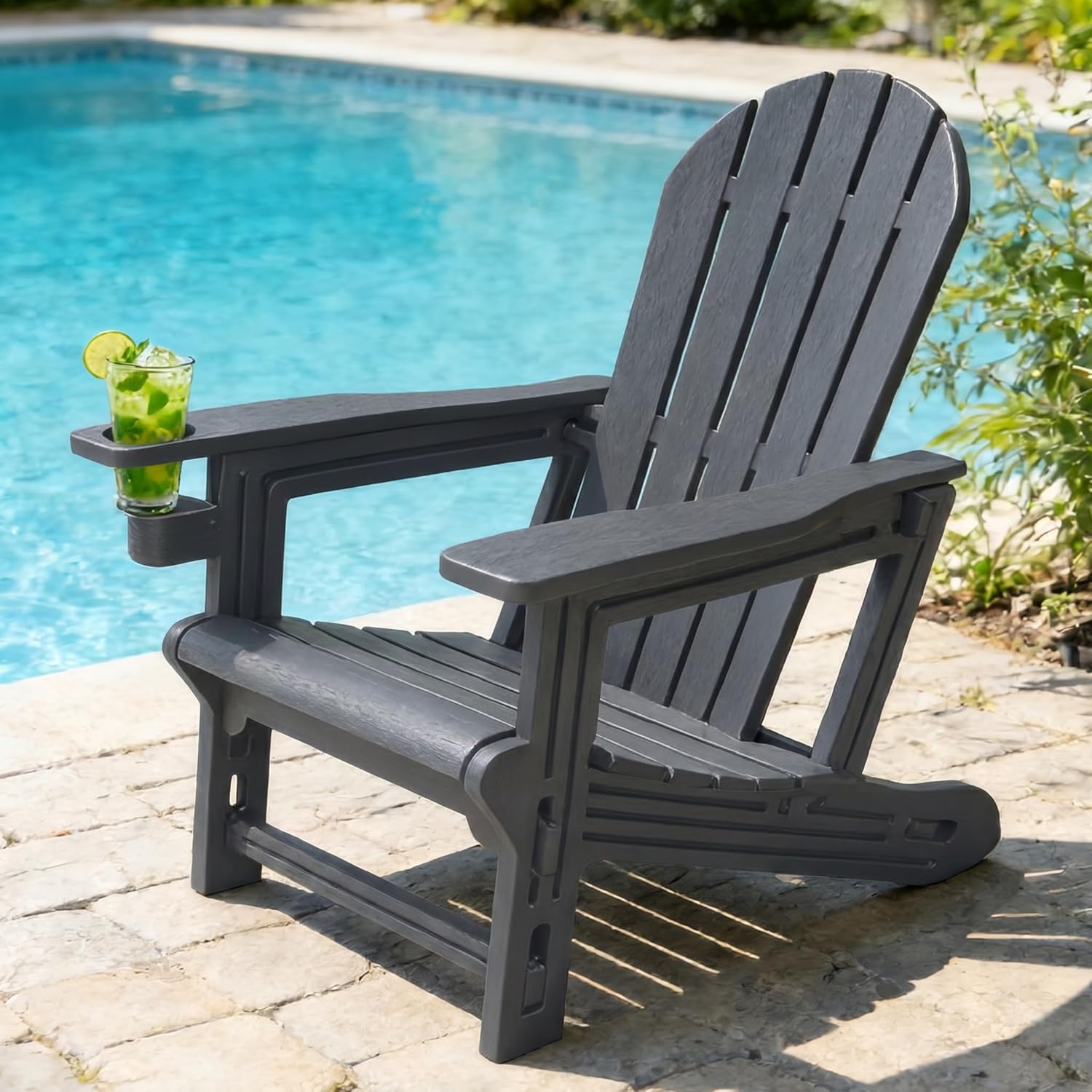
HDPE All-Weather Adirondack Chair with Built-In Cup Holder - Tool-Free Assembly (Grey)
$69.99 $139.99
60% OFF

HOMETUK Clear Plastic Storage Bins with Dividers - 3-Pack Stackable Acrylic Organizer Containers for Fridge and Pantry
$19.99 $49.99
58% OFF
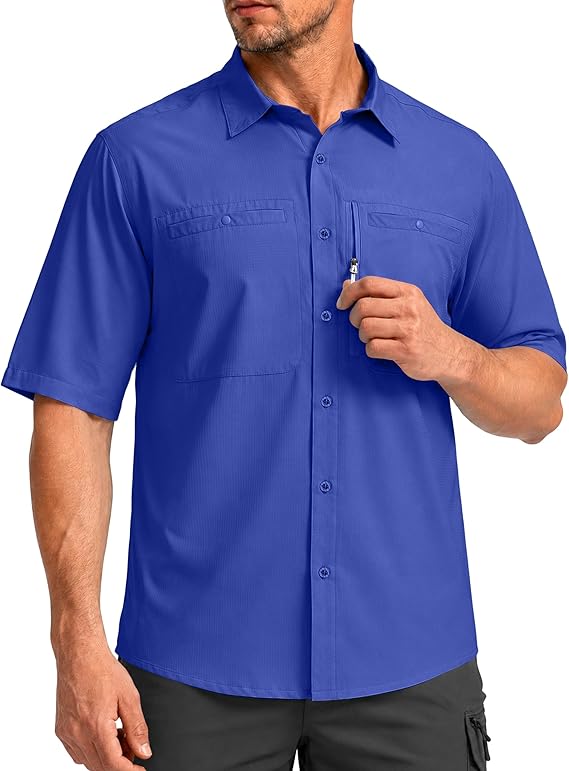
G Gradual Men's Fishing Shirt - UPF 50+ Lightweight Short Sleeve Button Down with Zipper Pockets
$14.99 $35.99
55% OFF

Everyfun 60" Rectangular Platform Tree Swing - 700lbs Heavy Duty Adjustable Outdoor Swing (Colorful)
$49.99 $110.99
61% OFF
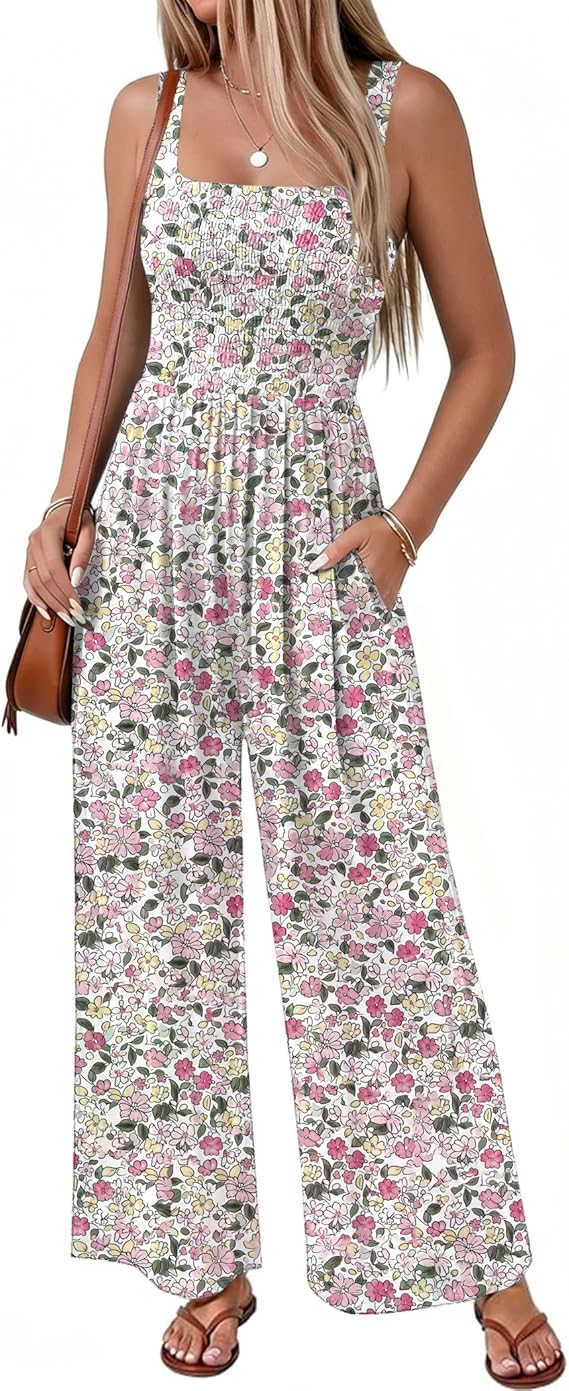
Ekouaer Women's Casual Loose Jumpsuit - One-Piece Printed Sleeveless Wide Leg Romper with Pockets
$14.99 $37.99
36% OFF

Men's Athletic Running Shorts with Zipper Pockets - Lightweight & Quick Dry
$12.74 $19.99
61% OFF
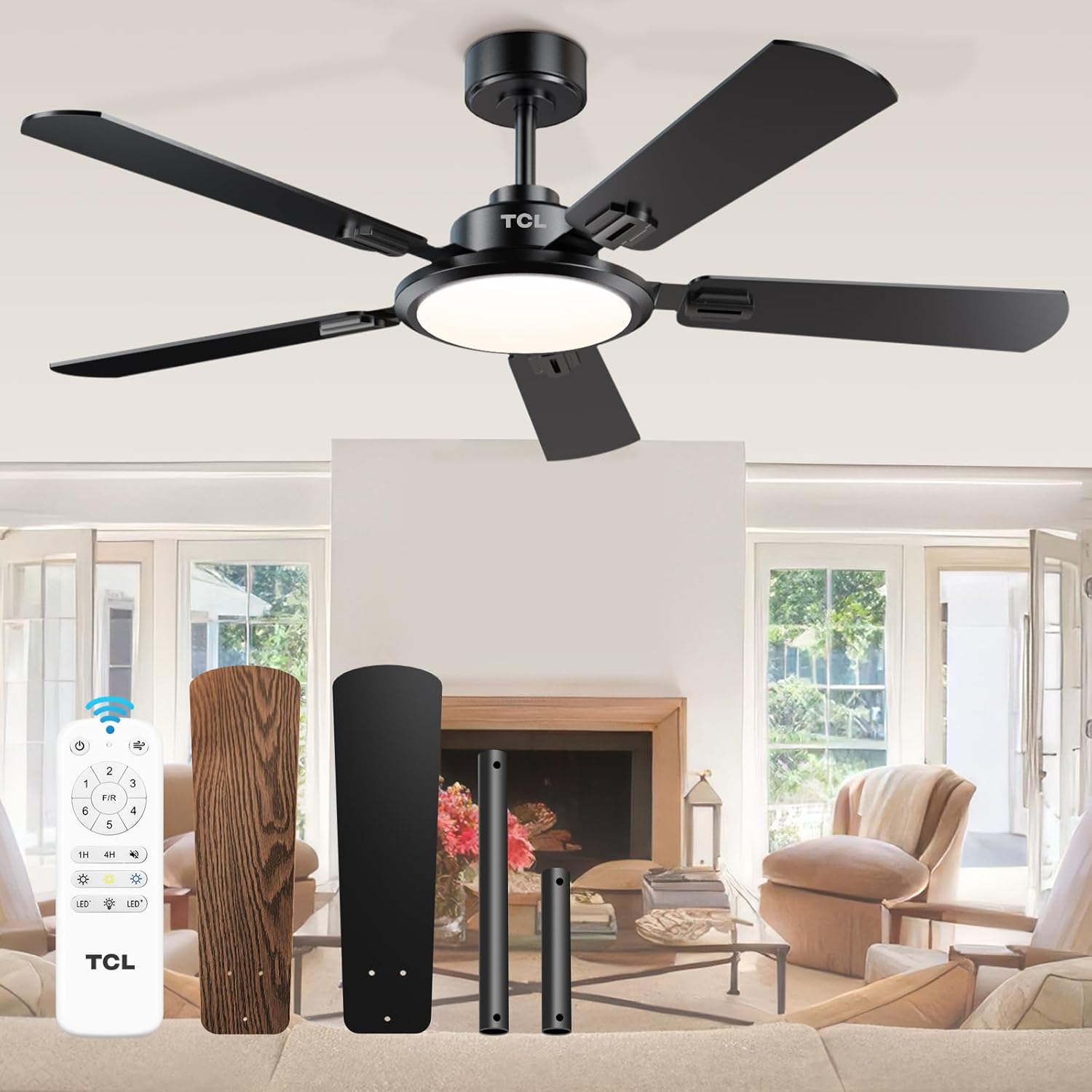
Modern Ceiling Fan with Light and Remote - Reversible Quiet DC Motor
$69.3 $179.99
50% OFF
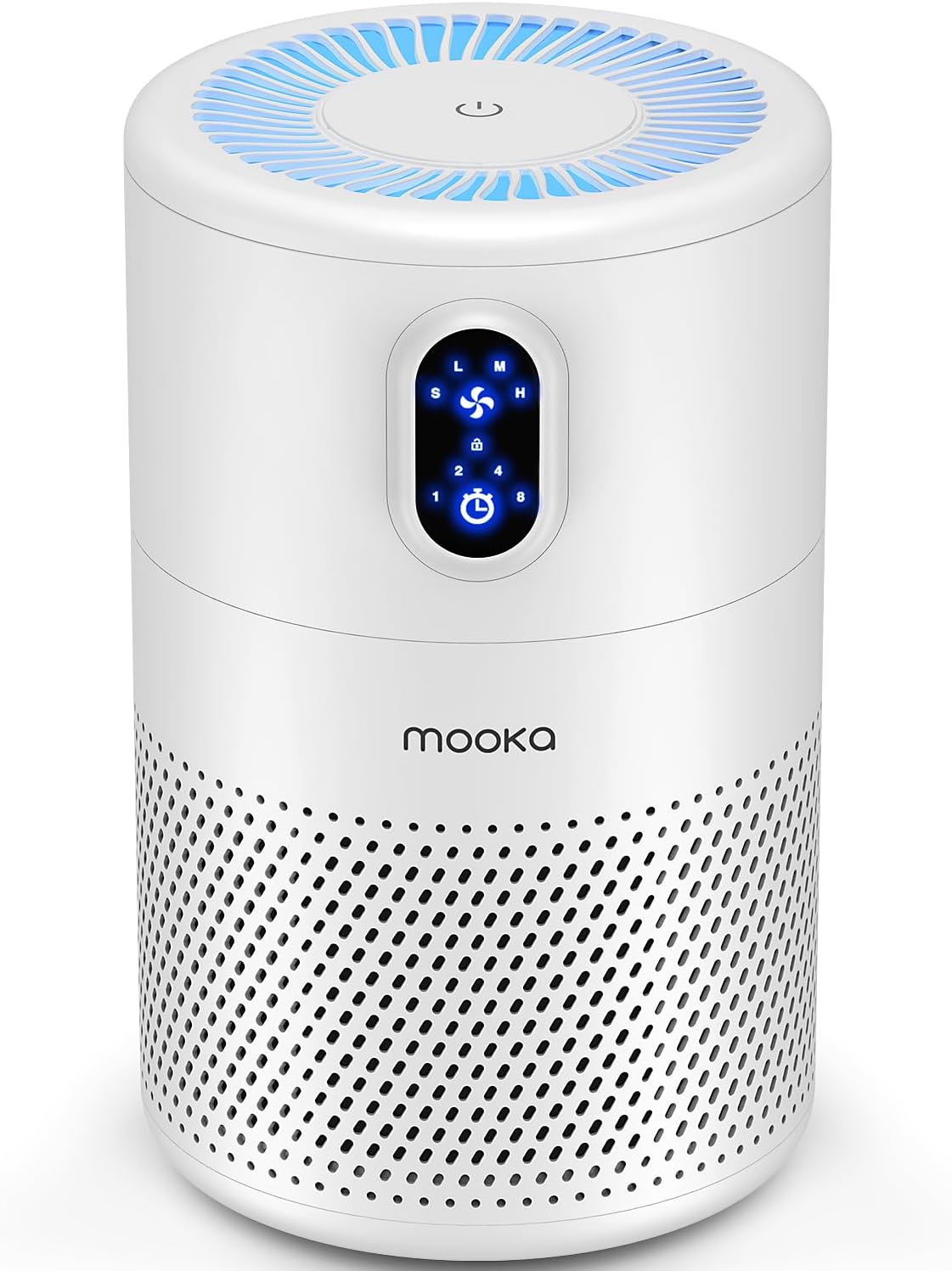
MOOKA H13 True HEPA Air Purifier for Home Large Room - 1076 sq ft Odor Eliminator
$39.97 $79.95
40% OFF
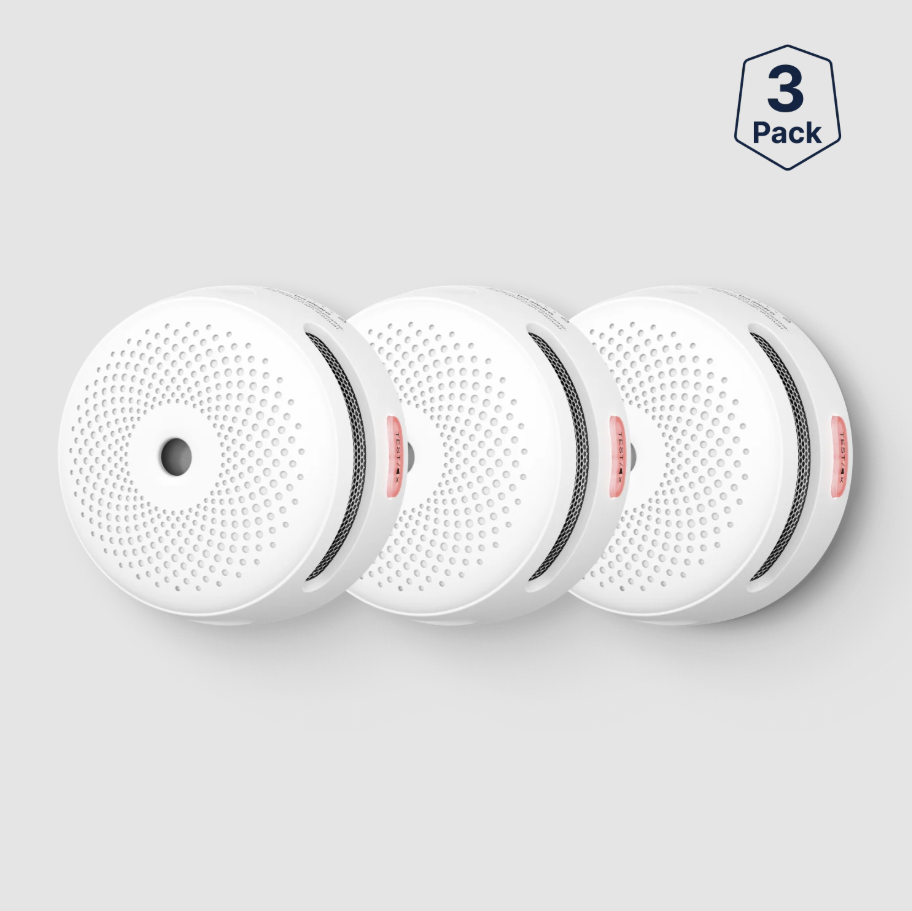
X-Sense XS01-WX Smart Smoke Alarm - 2.4 GHz Wi-Fi Photoelectric Fire Detector with Mobile App Alerts
$65.99 $109.99
-

Life beyond burnout: how Christians can grow in the desert seasons
-

New attempt to revive assisted suicide bill faces opposition
-

A Christian reflection on men’s health week: Jesus - the man we were created to be
-

Anti-Christian hate crimes across Europe surge in May as arson attacks reach 2026 high
News
-

Anti-Christian hate crimes across Europe surge in May as arson attacks reach 2026 high
-

Belfast churches 'heartbroken' over unrest
-

Churches must disciple well and listen well in response to rise of Christian nationalism
-

Welsh reverend speaks of culture of fear over LGBT issues
-

South Wales Police back down on imposing Islamic 'blasphemy law'
-

Making cohabitation equal with marriage is 'unfair', Christians argue
Most Popular
News
African Christian leaders demand justice after Mozambican bishop shot dead
Christian leaders across Africa have called for a full investigation into the killing of a Mozambican bishop who was shot dead at his residence.
Lebanese Christians on the brink as peace deal agreed
The Christian population of the Middle East has drastically declined due to ongoing conflict.

A Christian reflection on men’s health week: Jesus - the man we were created to be
As Men’s Health Week reminds us of the challenges many men face, perhaps there is no better time to look again at Jesus Christ. In Him we find not only a model for manhood, but the way to life itself.

Kyiv’s Dormition Cathedral badly damaged in major Russian strikes on Ukrainian capital
Kyiv’s historic Dormition Cathedral, part of the UNESCO-listed Pechersk Lavra monastery complex, caught fire overnight after a wave of Russian missile and drone strikes on the Ukrainian capital.
All-Weather HDPE Plastic Adirondack Chair with Cup Holder – Navy Blue
$70
7-Color LED Red Light Therapy Mask for Face and Anti-Aging
$29.99
Cordless Vacuum Cleaner - 480W/45Kpa Powerful Stick Vacuum with LED Smart Touch Screen
$55.99
Hypoallergenic Pet Wipes for Dogs & Cats - 400 Count Extra Large Coconut Scented Grooming Wipes
$24.79
MANSPOT Electric Pubic Hair Trimmer - Waterproof Body and Groin Shaver for Men and Women (Black)
$20.39
Lick-Safe Dog Paw and Nose Balm Stick - All-Natural Moisturizer with Coconut Oil for Dry, Cracked Pads and Snout
$11.69
Men's Quick Dry Moisture Wicking Polo Shirt - High Elasticity Slim Fit Athletic Top (Runs Small)
$6.99
Men's Running Shorts with Zipper Pockets - Lightweight, Quick-Dry, Multi-Sport
$12.95
NEWFAST NF-RE523 AC1200 WiFi Extender - 1200Mbps Dual Band Signal Booster & Internet Repeater
$18.5
G Gradual Men's 7-inch Workout Running Shorts - Lightweight, Quick-Dry, Comfort
$12.91
NOVETE Under Sink Water Filter - 3 Years, 30,000 Gallons, High-Efficiency Filtration
$41.99
HDPE All-Weather Adirondack Chair with Built-In Cup Holder - Tool-Free Assembly (Grey)
$69.99
HOMETUK Clear Plastic Storage Bins with Dividers - 3-Pack Stackable Acrylic Organizer Containers for Fridge and Pantry
$19.99
G Gradual Men's Fishing Shirt - UPF 50+ Lightweight Short Sleeve Button Down with Zipper Pockets
$14.99
Everyfun 60" Rectangular Platform Tree Swing - 700lbs Heavy Duty Adjustable Outdoor Swing (Colorful)
$49.99
Ekouaer Women's Casual Loose Jumpsuit - One-Piece Printed Sleeveless Wide Leg Romper with Pockets
$14.99
Men's Athletic Running Shorts with Zipper Pockets - Lightweight & Quick Dry
$12.74
Modern Ceiling Fan with Light and Remote - Reversible Quiet DC Motor
$69.3
MOOKA H13 True HEPA Air Purifier for Home Large Room - 1076 sq ft Odor Eliminator
$39.97
X-Sense XS01-WX Smart Smoke Alarm - 2.4 GHz Wi-Fi Photoelectric Fire Detector with Mobile App Alerts
$65.99