
Almost half a million health workers accepted a pay deal on Friday, bringing relief from ministers and almost certainly averting another bitter public sector wages row.
Almost two-thirds of members from Unison, accepted the government's three-year offer, which the union had said was worth a total of 8.1 percent.
The acceptance of the deal, from 64.91 per cent of members, will see workers get an extra 2.75 percent this year, a 2.4 percent rise in 2009 and 2.25 percent increase in 2010, officials said.
While some smaller unions have already rejected the pay deal, the Royal College of Nursing (RCN), the second largest union in the NHS, has also backed it.
The government hailed the result as great news for NHS staff and a fair deal for workers.
The move has almost certainly averted an ugly pay dispute for the government and helped Prime Minister Gordon Brown avoid another political headache, after battles with other public sector workers over wage conditions in recent months.
Unison officials will meet with chiefs of smaller unions next week to try to bring them on board, with a sign off expected shortly afterwards.
Before voting, Unison leaders had made no recommendation as to whether or not their members should accept the deal.
"Unison gave all our health members the opportunity to make their vote count and the ballot result shows what a tough decision it has been," the union's head of health, Karen Jennings, said in a statement.
Because of the rising costs of food, fuel and energy, she said the union had a "reoponer clause that we will not hesitate to trigger if inflation continues to rise".
Dr Peter Carter, the RCN's chief executive and general secretary, said his union was "delighted" with the deal.
The decision comes as the National Health Service said it was forecasting a surplus of almost 1.7 billion pounds for its 2007/08 financial year, equivalent to around two percent of its overall budget.
The NHS returned to overall surplus last year after two years of deficits that saw a jobs freeze, wards closed and non-urgent operations delayed at many hospitals.
Many other public sector workers have already taken industrial action or are holding strike ballots over the latest pay offers from the government, putting pressure on Brown as his popularity in polls crumbles.
In April, about 100,000 workers from teachers to job centre staff and coastguards went on strike over pay deals which they said failed to match inflation.
About 800,000 council workers from Unison are currently voting on whether to turn down their pay award, with the union recommending strike action.
Of the NHS deal, health secretary Alan Johnson said: "The outcome is a fair settlement that will help those on the lowest wages, increase the earning potential for hundreds of thousands of staff and allow them to climb the pay ladder more quickly."
11% OFF

VitaUp Beet Root Gummies with CoQ10 & Grape Seed - Nitric Oxide Circulation Support (60 Count)
$24.91 $27.91
50% OFF

HDPE All-Weather Adirondack Chair with Built-In Cup Holder - Tool-Free Assembly (Grey)
$69.99 $139.99
60% OFF

HOMETUK Clear Plastic Storage Bins with Dividers - 3-Pack Stackable Acrylic Organizer Containers for Fridge and Pantry
$19.99 $49.99
58% OFF

G Gradual Men's Fishing Shirt - UPF 50+ Lightweight Short Sleeve Button Down with Zipper Pockets
$14.99 $35.99
55% OFF

Everyfun 60" Rectangular Platform Tree Swing - 700lbs Heavy Duty Adjustable Outdoor Swing (Colorful)
$49.99 $110.99
61% OFF

Ekouaer Women's Casual Loose Jumpsuit - One-Piece Printed Sleeveless Wide Leg Romper with Pockets
$14.99 $37.99
40% OFF
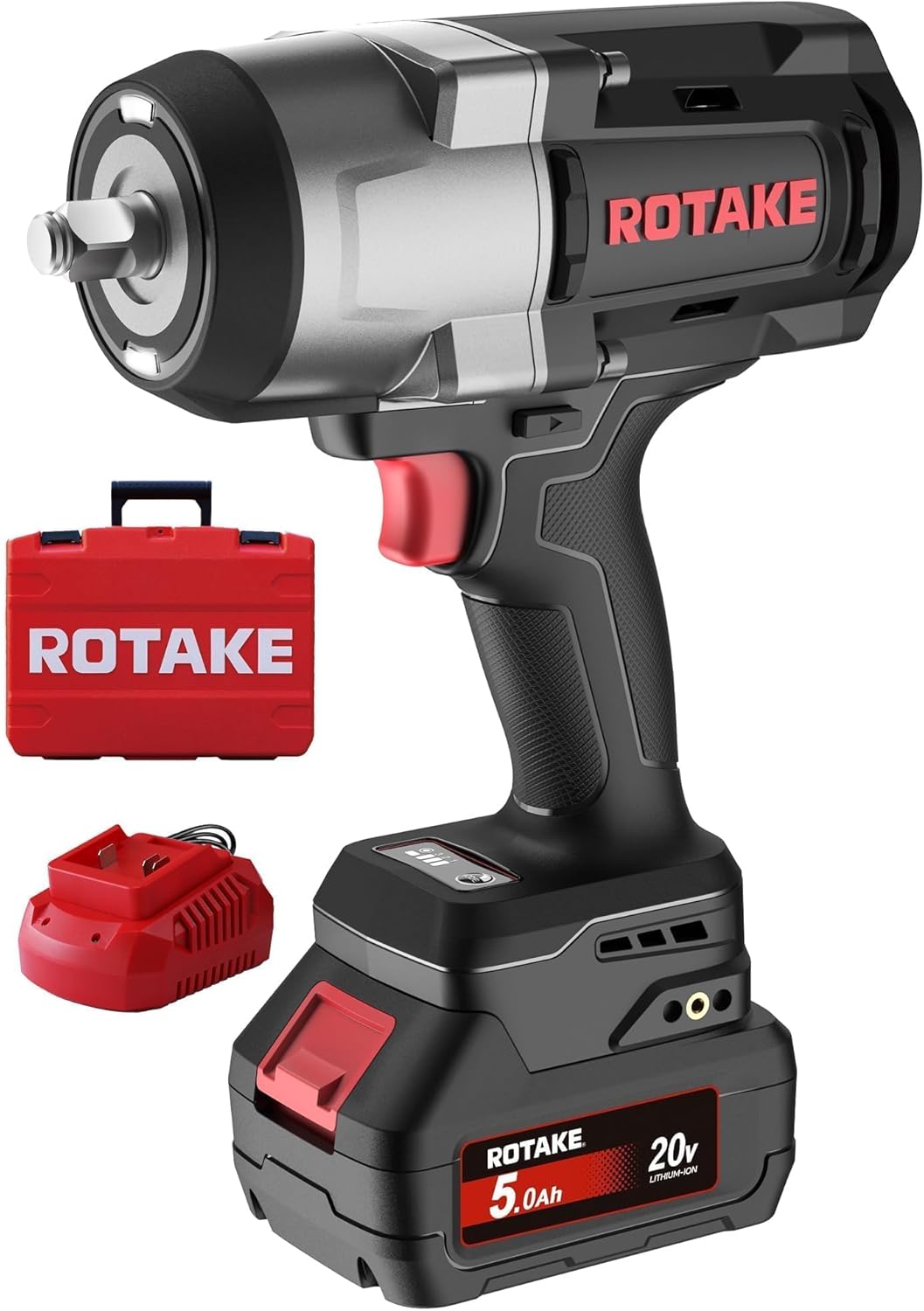
ROTAKE TB3 20V Heavy Duty 1/2" Cordless Impact Wrench Kit - 1380 Ft-Lbs Torque
$132 $219.99
36% OFF

Men's Athletic Running Shorts with Zipper Pockets - Lightweight & Quick Dry
$12.74 $19.99
61% OFF

Modern Ceiling Fan with Light and Remote - Reversible Quiet DC Motor
$69.3 $179.99
50% OFF

MOOKA H13 True HEPA Air Purifier for Home Large Room - 1076 sq ft Odor Eliminator
$39.97 $79.95
60% OFF

Ekouaer Women's Satin Silky Pajama Set - Short Sleeve Pullover Top & Wide-Leg Pants
$13.99 $34.99
55% OFF

Ekouaer 3-Piece Maternity & Nursing Pajamas Set - Short Sleeve Top with Shorts and Pants
$14.99 $32.99

Sealy 2-Pack Tritech 16" Twin Inflatable Air Mattress with Built-in AC Pump
$0 $113.99
20% OFF

INTEX Prism Frame 20ft x 52in Above Ground Pool Set - Round Steel Frame Swimming Pool
$695.99 $869.99

Gardner Pet 43" Heavy Duty Dog Crate with Wheels - Indestructible Folding Metal Cage (Black)
$0 $149.99
12% OFF

Elegant Mid-Century Modern Bar Stools - Set of 4
$395.99 $449.99
23% OFF
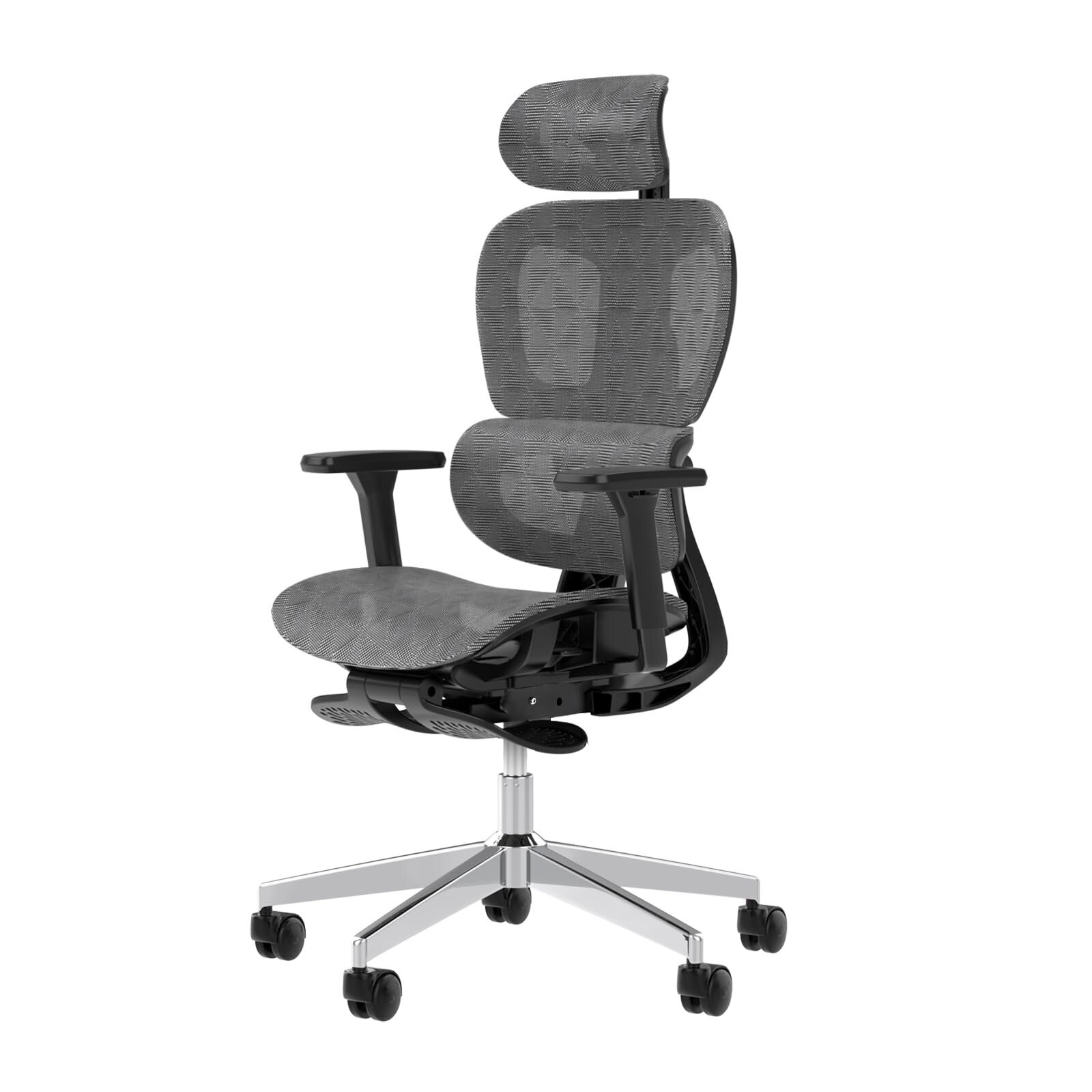
Ergonomic Office Chair - Big and Tall Desk Chair with Adjustable Lumbar Support
$279.99 $363.99
26% OFF
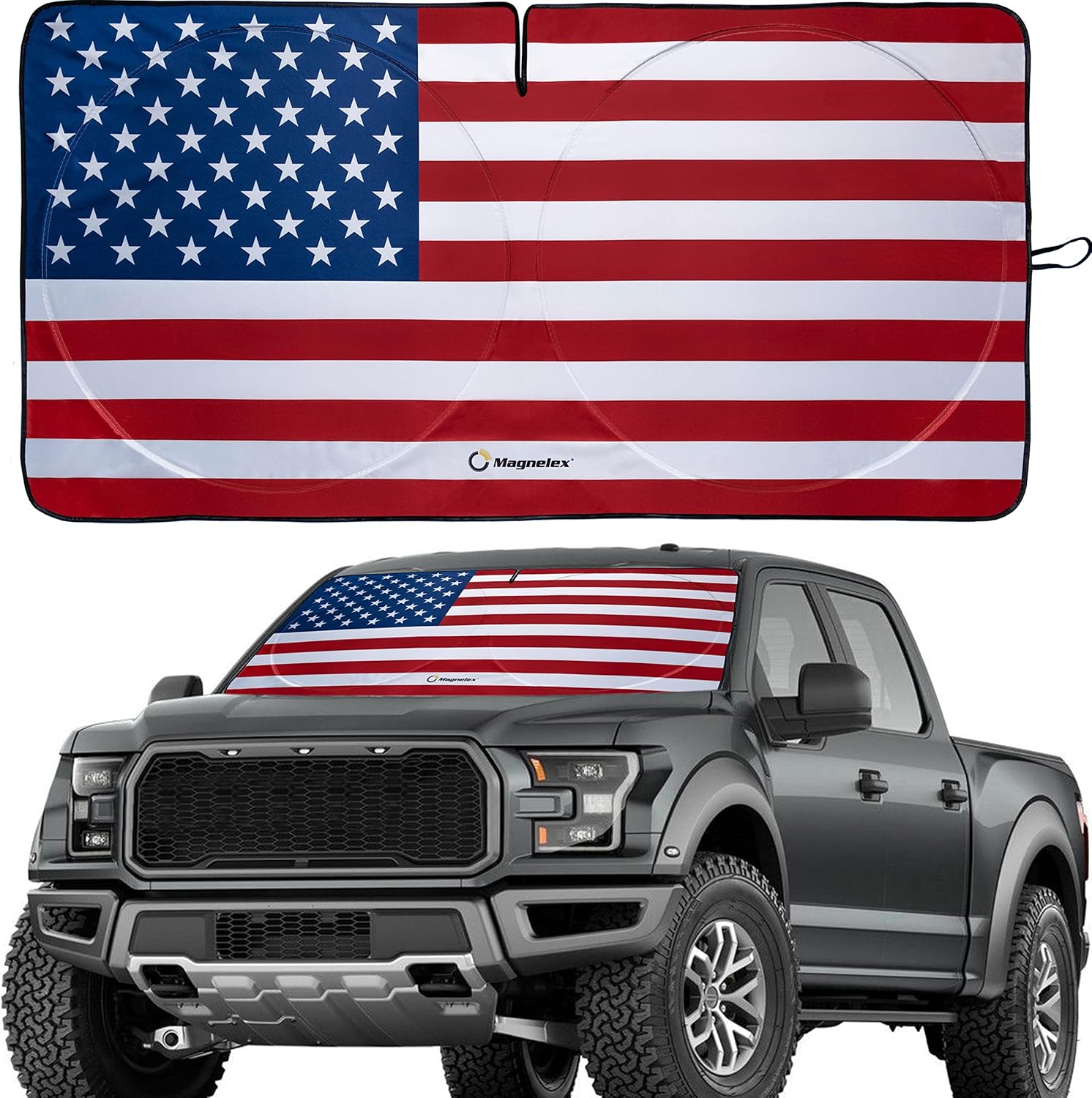
Magnelex American Flag Windshield Sun Shade - High-Resolution UV Reflective Heat Shield (X-Large)
$19.9 $26.9
20% OFF
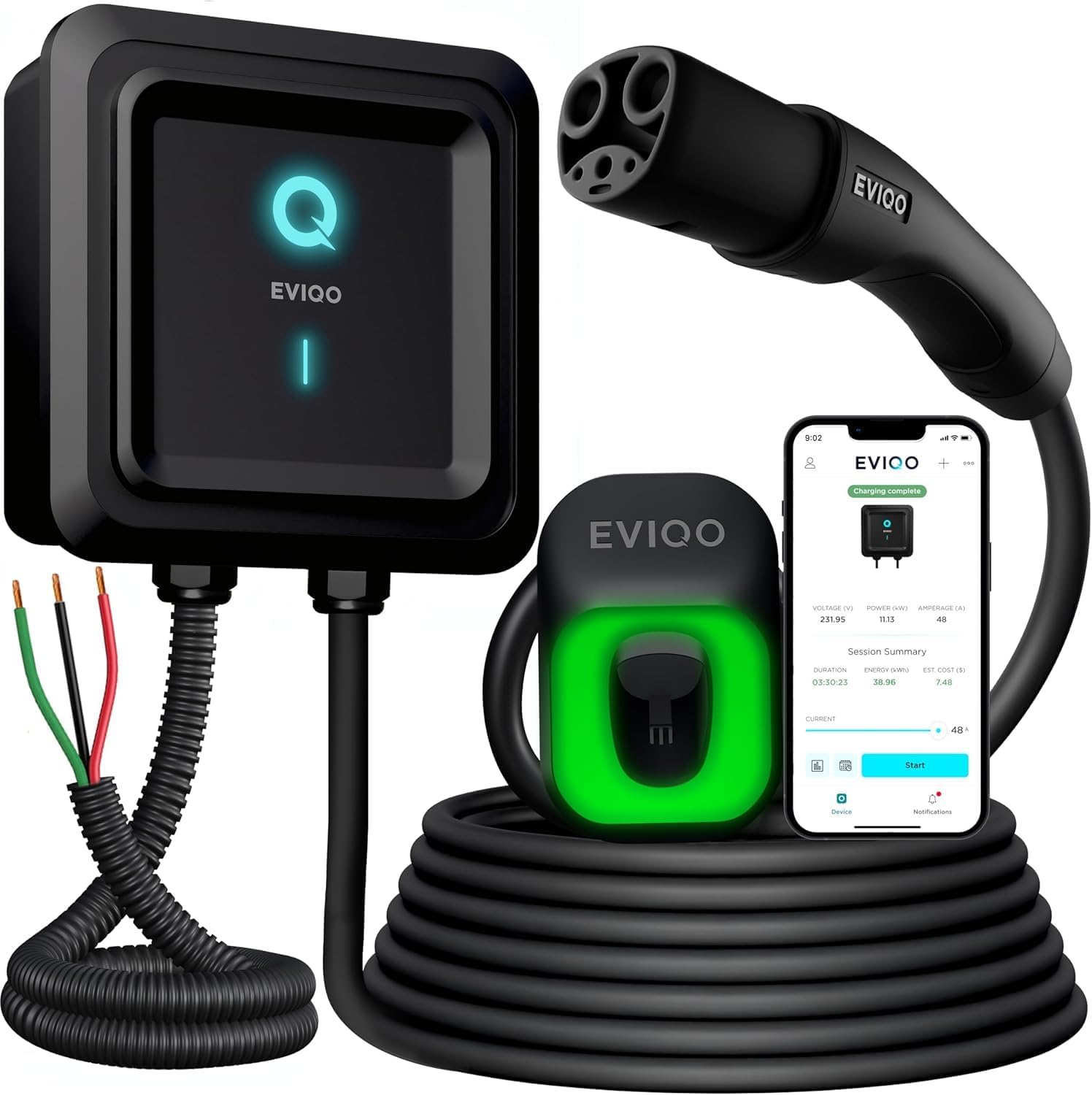
EVIQO 48 Amp NACS Level 2 EV Charger - Hardwired Smart WiFi Wall Charger for Tesla
$368.51 $458.55
50% OFF
DBFIT Air Purifier for Home Large Room
$29.99 $59.99




-

Historic Lancashire church secures £250,000 National Lottery grant for major roof repairs
-

Sunderland Minster PCC was right to push back over trans toilet sign
-

Secular group targets church over online preaching
-

Bethel Church distances itself from Todd Bentley and Mike Bickle
-

Christian police officer reaches settlement over diversity training discrimination claim
-

Christian loses case to remove LGBT symbols from workplace
Most Popular
News

Archbishop of Canterbury highlights benefits and risks of AI
Archbishop Sarah Mullally joined the Pope in raising concerns about AI.

Church of England more than doubles conservation grants
The significant rise in funding was attributed partly to support from the National Lottery Heritage Fund.

Male silence has helped shape UK abortion culture
“Men and abortion is an area that is even more silenced than many of the other areas connected with women and abortion, which are silenced," says bioethicist Dr Anthony McCarthy.

Diary of a CEO’s Steven Bartlett and John Lennox discuss AI, faith and the search for meaning
The Oxford professor shared fears of a “colossal power grab” as AI continues to evolve.
VitaUp Beet Root Gummies with CoQ10 & Grape Seed - Nitric Oxide Circulation Support (60 Count)
$24.91
HDPE All-Weather Adirondack Chair with Built-In Cup Holder - Tool-Free Assembly (Grey)
$69.99
HOMETUK Clear Plastic Storage Bins with Dividers - 3-Pack Stackable Acrylic Organizer Containers for Fridge and Pantry
$19.99
G Gradual Men's Fishing Shirt - UPF 50+ Lightweight Short Sleeve Button Down with Zipper Pockets
$14.99
Everyfun 60" Rectangular Platform Tree Swing - 700lbs Heavy Duty Adjustable Outdoor Swing (Colorful)
$49.99
Ekouaer Women's Casual Loose Jumpsuit - One-Piece Printed Sleeveless Wide Leg Romper with Pockets
$14.99
ROTAKE TB3 20V Heavy Duty 1/2" Cordless Impact Wrench Kit - 1380 Ft-Lbs Torque
$132
Men's Athletic Running Shorts with Zipper Pockets - Lightweight & Quick Dry
$12.74
Modern Ceiling Fan with Light and Remote - Reversible Quiet DC Motor
$69.3
MOOKA H13 True HEPA Air Purifier for Home Large Room - 1076 sq ft Odor Eliminator
$39.97
Ekouaer Women's Satin Silky Pajama Set - Short Sleeve Pullover Top & Wide-Leg Pants
$13.99
Ekouaer 3-Piece Maternity & Nursing Pajamas Set - Short Sleeve Top with Shorts and Pants
$14.99
Sealy 2-Pack Tritech 16" Twin Inflatable Air Mattress with Built-in AC Pump
$0
INTEX Prism Frame 20ft x 52in Above Ground Pool Set - Round Steel Frame Swimming Pool
$695.99
Gardner Pet 43" Heavy Duty Dog Crate with Wheels - Indestructible Folding Metal Cage (Black)
$0
Elegant Mid-Century Modern Bar Stools - Set of 4
$395.99
Ergonomic Office Chair - Big and Tall Desk Chair with Adjustable Lumbar Support
$279.99
Magnelex American Flag Windshield Sun Shade - High-Resolution UV Reflective Heat Shield (X-Large)
$19.9
EVIQO 48 Amp NACS Level 2 EV Charger - Hardwired Smart WiFi Wall Charger for Tesla
$368.51
DBFIT Air Purifier for Home Large Room
$29.99