New worship and prayer resources have been issued by the Church of England to mark a hundred years since the end of the First World War.
Churches and cathedrals across the UK are planning services of remembrance to coincide with the centenary of the Armistice of Compiègne, which came into effect on Monday 11 November 1918.
The Armistice brought an end to devastating hostilities between the Allies and Germany that spanned four years and cost over 18 million lives.
The brutality and human cost of the war, marked by horrific trench warfare, was such that it was dubbed 'the war to end all wars.'
Now, a hundred years later, the Church of England has made resources available to help communities remember the fallen and to continue to pray for peace.
The resources include a prayer for families to say while visiting a war grave or memorial:
Lord Jesus, we believe that you stood beside N and his
fellow-soldiers as they fought to bring peace to your world.
We believe that you have stood among us
as we have tried to imagine the fear and pain and loneliness
of the wounded and the dying on the battlefield.
We believe that you stand beside us now,
as we remember and honour N.
In your great mercy, bless our good memories,
comfort us when we grieve for the life that might have been,
and strengthen us in all we do to seek the peace and freedom
which are your desire for the world.
Amen.
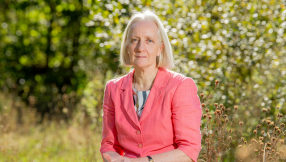
The Bishop at Lambeth, Tim Thornton, the Bishop to the Armed Forces, said: 'The season of remembrance each year sees churches and cathedrals come to the fore as communities bring to mind those lost and affected in any way in conflicts, give thanks for the sacrifices of our armed forces, and pray for peace.
'By connecting with ancestors or those locally who served in the First World War, our prayer in their names is above all for a peace which is lasting.'
Other resources include an Act of Commitment to work together for peace and a monologue incorporating suggested words and music, entitled Steps towards Reconciliation.
Bishop Thornton added: 'There are, of course, very few people now left to tell first hand stories of the First World War. As we commemorate its centenary, remembering those who gave their lives, it is important therefore also to pause and commemorate those who have lived with the memory of war, and the manifold challenges that brings.
'These resources offer an excellent way for churches, groups, families and individuals to connect with a generation whose lives were inexorably altered by desperate conflict.'
The resources, put together by members of the Liturgical Commission, are available on the Church of England website. A copy of the prayer and worship materials can be downloaded here.