
Jimmy Malish huddles under a blanket, looks at the darkening sky and prays that it doesn't rain again on him and the hundreds of other African migrants camped in the courtyard of a Johannesburg police station.
"We are living like dogs," the 26-year-old Sudanese refugee said on Tuesday at the Jeppe police station, more than a week after a mob, armed with knives and sticks, drove him and his foreign-born neighbours from their homes in a nearby township.
"Please tell somebody to help us."
His plea is echoed by Zimbabweans, Mozambicans and others from around the continent targeted in a wave of attacks in South Africa that have killed dozens of foreign workers and displaced tens of thousands.
Some estimates put the number of refugees at 80,000-100,000.
Although President Thabo Mbeki and other senior officials have condemned the violence, on the ground there are few signs the government has stepped in with significant aid for victims.
The lion's share of blankets, tents, clothes and food distributed in refugee shelters and camps have come from relief agencies, religious groups and individual citizens.
"This is a refugee crisis and it is unattended," said Muriel Cornelius of Medecins Sans Frontieres (Doctors Without Borders). The French humanitarian group is providing health care to displaced migrants throughout the country.
While praising the efforts of non-governmental agencies and individuals, she said the lack of an orchestrated government response threatened to worsen the plight of those displaced, some of whom sleep outside in near freezing temperatures.
DISEASE
Doctors and nurses report an array of respiratory infections, diarrhoea and other opportunistic diseases in overcrowded shelters and camps, posing a risk of wider outbreaks.
The Red Cross also has complained about the lack of national coordination by government.
The crisis has prompted thousands to return home.
At least 50,000 Mozambicans and Zimbabweans have left South Africa since the attacks, which have now subsided, began on May 11. Smaller numbers have gone back to Zambia and Malawi.
Zimbabweans are the largest immigrant group in South Africa, accounting for an estimated 60 percent of the 5 million migrants here. South Africa's population is about 50 million.
The bloodshed and subsequent exodus is embarassing to a country that has prided itself on welcoming immigrants and asylum seekers, and officials are taking steps to reintegrate migrants back into the community.
While some have accepted the offer, others say they are too scared to do so.
"We will be killed by our neighbours, " Ndubula Joelle, a pregnant mother of two from the Democratic Republic of Congo, said at the Jeppe police station. "They will cut my baby out. They told me."




-

The dire American political situation: a brief overview for faithful Christians in Britain
-

Conversion therapy ban supporters want prayer to be criminalised - this must not be allowed
-

Why the US election results do not bode well for America
-
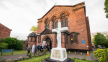
Police appeal for witnesses after head smashed off Jesus statue at church war memorial
-

Are we seeing the end of Western civilisation?
-

Archaeologists may have discovered identity of mystery skeleton in Westminster Abbey
Most Popular
News
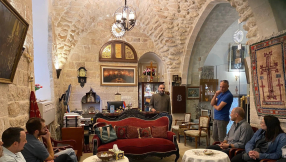
‘Major achievement’ hailed as Israeli officials step in to stop anti-Christian harassment
Harassment against Christian is sometimes justified by appeals to the Jewish religion.

What do Christian young women and men need to know about the opposite sex and themselves?
The first thing that Christian young women and men need to know is that the Bible is the operating manual for humans.
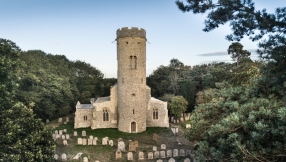
Saxon church saved from Historic England’s ‘at risk’ register after extensive repairs
Historic England has added 197 sites to its Heritage at Risk Register. However it has also managed to save dozens of buildings, including a 1,000-year-old church.

Trump’s midterm defeat and its implications for Christians on both sides of the Atlantic
America’s power and influence on the world stage, combined with Trump’s unpredictability and volatility, is a worrying mix.





