
There is much diversity among Lutheran churches in Africa with regard to healing, exorcism, testifying, speaking in tongues and other practices associated with Pentecostal churches, yet there are Lutheran theological convictions, such as the priority of God's grace, that are key for assessing such practices.
This was the crux of a 6-11 July theological seminar of the Lutheran World Federation (LWF) which brought together some 30 theologians from different parts of Africa and beyond to deliberate on the theme, "Critical Lutheran Beliefs and Practices in Relation to Neo-Pentecostalism."
Organised by the LWF Department for Theology and Studies (DTS), the seminar hosted by the Evangelical Lutheran Church in Southern Africa (ELCSA) in Soweto, South Africa, was the sixth in the DTS Theology in the Life of the Church (TLC) study series.
In his keynote address, Prof J Kwabena Asomoah-Gyadu, Trinity Theological Seminary in Accra, Ghana, distinguished between classical Pentecostalism and more recent neo-Pentecostal emphases on a theology of prosperity and upward mobility.
"The accessibility to and democratisation of charisma is a key factor
bringing life into churches perceived to have turned spiritually stagnant and overly-cerebral," he said.
Asomoah-Gyadu pointed out that churches in the New Testament were "thoroughly charismatic", in how they experienced God's empowering presence. He underlined the diverse, multi-faceted nature of Pentecostalism and charismatic renewal movements, saying, "Every such renewal movement is potentially a new church,
depending on how it is managed."
Biblical Interpretations
Dr Sarojini Nadar, University of Kwazulu-Natal in Pietermaritzburg, South Africa cautioned that sola scriptura (by Scripture alone) as understood by many neo-Pentecostals leads to a 'four Is' approach that views the Bible as inerrant,
infallible, inspired and immediate, rather than the Christological hermeneutic of Luther. She advocated approaches to biblical interpretations that take seriously the transforming work of the Holy Spirit and that affirm rather than deny life,
for example, for women in abusive relationships.
Argentine theologian Dr Guillermo Hansen, drawing on Latin American experiences of Pentecostalism critiqued its emphasis on sanctifying all that is profane. For Luther, in contrast, sanctification is "a matter of faith and love through the
created orders" of politics, economics and family life.
"The Holy Spirit "fulfills through our bodies and minds the commandments of the second table", affirming and fulfilling all of creation, he noted.
Participatory Worship
Emphasising liturgy as a drama that moves from Good Friday to Easter, Bishop Musawenkosi D Biyela, ELCSA Eastern Diocese, pointed out that Pentecostals focus mostly just on Easter, rather than on how the Cross transforms suffering today.
"There is need for a good balance between structure (order, dignity) and
ecstasy. Worship needs to be participatory, not just a one-person show by the pastor."
He also cautioned against so-called miracle crusades. "Did Jesus ever advertise his miracles?"
Rev Gertrud Toensing, Lutheran Theological Institute in Pietermaritzburg, provided a critical analysis of theology in popular Pentecostal praise songs, which increasingly are used in many Lutheran churches.
In group discussions throughout the seminar, participants underscored the church's important role in addressing people's actual needs, developing more participatory worship, and honouring the diverse gifts and fruits of the Holy Spirit.
"A lot of people have left Lutheran churches because they feel they were not allowed to exercise their gifts of the Spirit," remarked Grace Ufan Friday, an evangelist in the Lutheran Church of Nigeria.
While some of the African Lutheran churches have regular healing services and other charismatic practices, such as in Madagascar and Ethiopia, others are more hesitant.
"We need to change our churches," insisted Rev Faith Lugazia, Evangelical Lutheran Church in Tanzania.
For Rev Yako Galana Babusa, Kenya Evangelical Lutheran Church, "It's the false testifying that I have problems with; how can this be managed?"
Namibian theologian Dr Paul John Isaak, currently teaching at the Ecumenical Institute in Bossey, Switzerland, pointed out that right belief and practice are not sufficient, but need to also include "right-heartedness" toward God and others.
All agreed that more attention should be given to teaching especially laity about the Holy Spirit and the wide array of the gifts of the Spirit.
49% OFF
MANSPOT Electric Pubic Hair Trimmer - Waterproof Body and Groin Shaver for Men and Women (Black)
$20.39 $40
25% OFF
Lick-Safe Dog Paw and Nose Balm Stick - All-Natural Moisturizer with Coconut Oil for Dry, Cracked Pads and Snout
$11.69 $15.59
77% OFF
Men's Quick Dry Moisture Wicking Polo Shirt - High Elasticity Slim Fit Athletic Top (Runs Small)
$6.99 $29.99
46% OFF
Men's Running Shorts with Zipper Pockets - Lightweight, Quick-Dry, Multi-Sport
$12.95 $23.99
50% OFF

NEWFAST NF-RE523 AC1200 WiFi Extender - 1200Mbps Dual Band Signal Booster & Internet Repeater
$18.5 $36.99
48% OFF

G Gradual Men's 7-inch Workout Running Shorts - Lightweight, Quick-Dry, Comfort
$12.91 $24.99
30% OFF
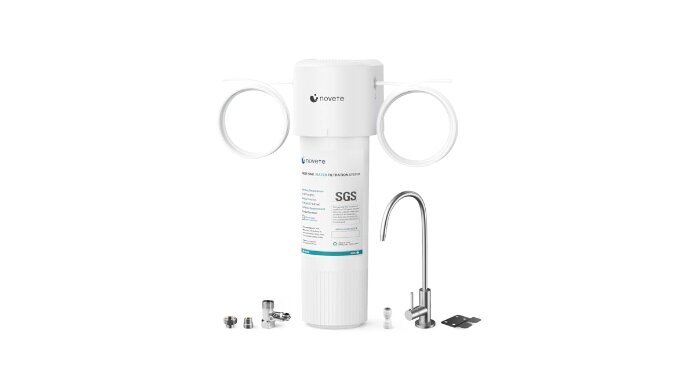
NOVETE Under Sink Water Filter - 3 Years, 30,000 Gallons, High-Efficiency Filtration
$41.99 $59.99
50% OFF

HDPE All-Weather Adirondack Chair with Built-In Cup Holder - Tool-Free Assembly (Grey)
$69.99 $139.99
60% OFF

HOMETUK Clear Plastic Storage Bins with Dividers - 3-Pack Stackable Acrylic Organizer Containers for Fridge and Pantry
$19.99 $49.99
58% OFF

G Gradual Men's Fishing Shirt - UPF 50+ Lightweight Short Sleeve Button Down with Zipper Pockets
$14.99 $35.99
55% OFF

Everyfun 60" Rectangular Platform Tree Swing - 700lbs Heavy Duty Adjustable Outdoor Swing (Colorful)
$49.99 $110.99
61% OFF

Ekouaer Women's Casual Loose Jumpsuit - One-Piece Printed Sleeveless Wide Leg Romper with Pockets
$14.99 $37.99
36% OFF

Men's Athletic Running Shorts with Zipper Pockets - Lightweight & Quick Dry
$12.74 $19.99
61% OFF

Modern Ceiling Fan with Light and Remote - Reversible Quiet DC Motor
$69.3 $179.99
50% OFF

MOOKA H13 True HEPA Air Purifier for Home Large Room - 1076 sq ft Odor Eliminator
$39.97 $79.95
40% OFF
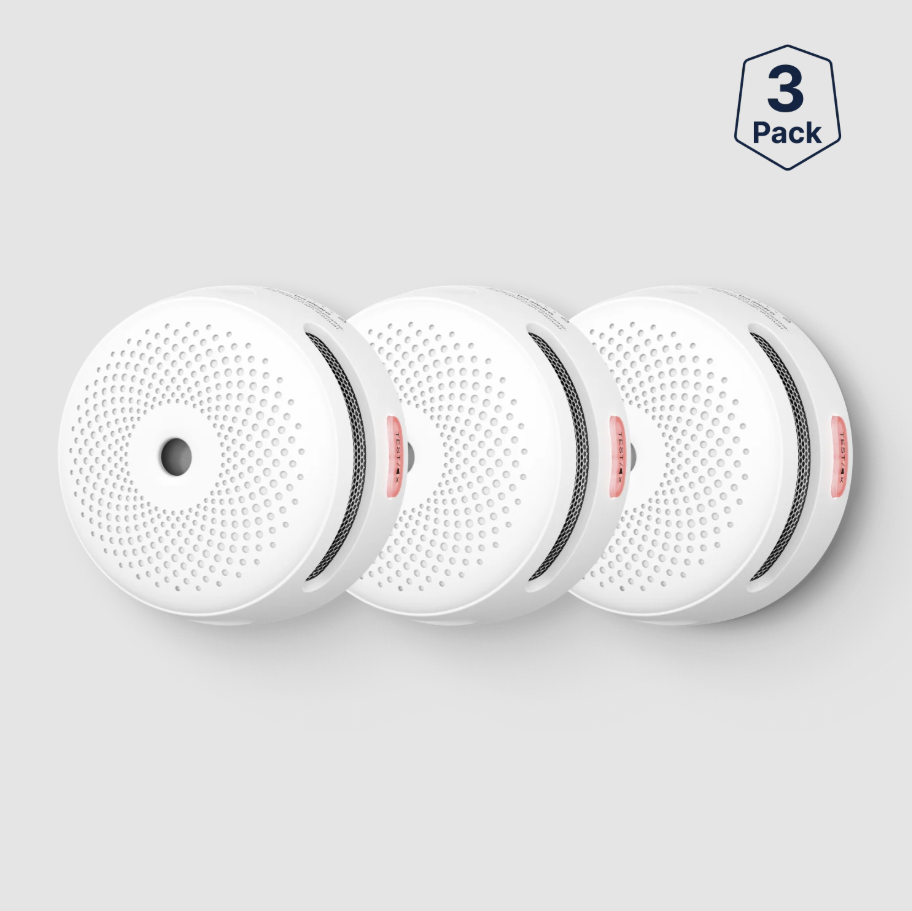
X-Sense XS01-WX Smart Smoke Alarm - 2.4 GHz Wi-Fi Photoelectric Fire Detector with Mobile App Alerts
$65.99 $109.99
11% OFF

VitaUp Beet Root Gummies with CoQ10 & Grape Seed - Nitric Oxide Circulation Support (60 Count)
$24.91 $27.91

Sealy 2-Pack Tritech 16" Twin Inflatable Air Mattress with Built-in AC Pump
$0 $113.99
20% OFF

INTEX Prism Frame 20ft x 52in Above Ground Pool Set - Round Steel Frame Swimming Pool
$695.99 $869.99

Gardner Pet 43" Heavy Duty Dog Crate with Wheels - Indestructible Folding Metal Cage (Black)
$0 $149.99




-

Diary of a CEO’s Steven Bartlett and John Lennox discuss AI, faith and the search for meaning
-

Anti-Christian hate crimes across Europe surge in May as arson attacks reach 2026 high
-

Belfast churches 'heartbroken' over unrest
-

Is there a two-tier Britain?
-

Churches must disciple well and listen well in response to rise of Christian nationalism
-

Welsh reverend speaks of culture of fear over LGBT issues
Most Popular
News

Anti-Christian hate crimes across Europe surge in May as arson attacks reach 2026 high
Anti-Christian incidents across Europe rose sharply in May, with new figures showing the highest monthly number of arson-related attacks recorded so far this year.

Gloucester churches come together to bless River Avon amid pollution concerns
It is part of a broader campaign against river pollution as concerns remain about the amount of untreated sewage in the Avon.

Life beyond burnout: how Christians can grow in the desert seasons
Christian Today speaks to author and Anglican priest Tish Harrison Warren about growth in desert seasons and why the Church shouldn’t treat all spiritual weariness as a problem to fix.

Iranian-born bishop stands in solidarity with Britain's Jews
2025 had the second highest number of antisemitic incidents on record.
MANSPOT Electric Pubic Hair Trimmer - Waterproof Body and Groin Shaver for Men and Women (Black)
$20.39
Lick-Safe Dog Paw and Nose Balm Stick - All-Natural Moisturizer with Coconut Oil for Dry, Cracked Pads and Snout
$11.69
Men's Quick Dry Moisture Wicking Polo Shirt - High Elasticity Slim Fit Athletic Top (Runs Small)
$6.99
Men's Running Shorts with Zipper Pockets - Lightweight, Quick-Dry, Multi-Sport
$12.95
NEWFAST NF-RE523 AC1200 WiFi Extender - 1200Mbps Dual Band Signal Booster & Internet Repeater
$18.5
G Gradual Men's 7-inch Workout Running Shorts - Lightweight, Quick-Dry, Comfort
$12.91
NOVETE Under Sink Water Filter - 3 Years, 30,000 Gallons, High-Efficiency Filtration
$41.99
HDPE All-Weather Adirondack Chair with Built-In Cup Holder - Tool-Free Assembly (Grey)
$69.99
HOMETUK Clear Plastic Storage Bins with Dividers - 3-Pack Stackable Acrylic Organizer Containers for Fridge and Pantry
$19.99
G Gradual Men's Fishing Shirt - UPF 50+ Lightweight Short Sleeve Button Down with Zipper Pockets
$14.99
Everyfun 60" Rectangular Platform Tree Swing - 700lbs Heavy Duty Adjustable Outdoor Swing (Colorful)
$49.99
Ekouaer Women's Casual Loose Jumpsuit - One-Piece Printed Sleeveless Wide Leg Romper with Pockets
$14.99
Men's Athletic Running Shorts with Zipper Pockets - Lightweight & Quick Dry
$12.74
Modern Ceiling Fan with Light and Remote - Reversible Quiet DC Motor
$69.3
MOOKA H13 True HEPA Air Purifier for Home Large Room - 1076 sq ft Odor Eliminator
$39.97
X-Sense XS01-WX Smart Smoke Alarm - 2.4 GHz Wi-Fi Photoelectric Fire Detector with Mobile App Alerts
$65.99
VitaUp Beet Root Gummies with CoQ10 & Grape Seed - Nitric Oxide Circulation Support (60 Count)
$24.91
Sealy 2-Pack Tritech 16" Twin Inflatable Air Mattress with Built-in AC Pump
$0
INTEX Prism Frame 20ft x 52in Above Ground Pool Set - Round Steel Frame Swimming Pool
$695.99
Gardner Pet 43" Heavy Duty Dog Crate with Wheels - Indestructible Folding Metal Cage (Black)
$0