
In a smart blue tunic and red ribbons in her hair, 12-year-old Komal's laughing eyes hide a fear of death that stalks every student in her village school.
Within months or years she could be dead, but while she lives she is fulfilling a dream -- of going to school again after she was expelled from her previous one because she was infected with HIV.
"They used to throw water on me and tear up my books," Komal said as she reminisced about her days at a regular school. "Still, I wanted to go to school, but one day my teacher said don't come back."
At Gokul, a school for HIV-infected children in this dusty village north of India's commercial hub of Mumbai, each student has a heart-wrenching tale of discrimination and suffering.
The disease orphaned all of them, some were thrown out of school for their HIV status or abandoned by families. All got the virus from their mothers.
The school is among only a few across the country run by voluntary groups, where infected children expelled by "normal" schools receive education.
Rights groups and HIV/AIDS workers say conservative India's fight against the disease is being undermined by ignorance and prejudice. Sufferers are often denied treatment by hospitals, thrown out by families, evicted by landlords or fired.
Children remain the hidden face of this suffering. When a parent is infected, children drop out of school to care for them, or go to work to replace the lost income, until they become orphans, health workers say.
Prejudice is so deep-rooted that a southern state, Kerala, failed to persuade schools to take in two infected children and was forced to bear the cost of their education at home.
Children do not figure on India's estimate of 2.5 million people infected with HIV, but the government says about 50,000 children below 15 years are infected by the virus every year.
BORN OUT OF REJECTION
Among the students in Bhoogaon is Ramesh, whose father, his care-giver says, infected his mother because he wanted her to suffer his deadly fate.
All the students are aware of the fatal nature of their ailment. Seven children have died at the school in the past few years.
All of the school's 53 pupils are HIV positive, but none has AIDS yet and they are receiving expensive anti-retroviral treatment.
"When one of us falls sick and is taken to hospital we keep wondering if he or she is going to come back," says Ramesh.
Some of them remember cremating their parents and then being subjected to torture by their relatives and finally fleeing home.
"Gokul was born out of the social rejection of these children," says Ujwala Lawate, the school's managing trustee.
"Some of them were sent from government remand homes, some we picked up from villages and some were brought in by their families."
The residential school, the size of half a football field, has students ranging from two to 16 years.
"Villagers threatened us. They said our children were a risk," says Lawate. "In fact they said if our children bit their children they could get AIDS."
The locals relented after government health workers intervened and promised to keep the children within the confines of the school's high walls.
INSTITUTIONALISING STIGMA?
Lawate says her school is an effort to provide dignity and purpose to the lives of HIV-infected children, but she has critics as well.
"Instead of separate schools we should fight for equal rights of an HIV/AIDS child," says Meena Sheshu, whose state-based anti-AIDS group "Sangram" opposes Lawate's efforts.
"No child should be thrown out of a school. But a separate school only institutionalises the stigma and discrimination."
The government's stand is ambiguous. It provides financial aid to schools such as Gokul and says no school should turn away any student, but at the same time the government has yet to ban discrimination against those with HIV/AIDS.
Lawate says her critics are ignoring the "practical problems".
"While we debate what is right and wrong, children are being discriminated against," she says as groups of smiling students jostle around her, their "kaki" or aunt.
"What would happen if these 53 children were not here? Maybe they would just be lying sick somewhere by the streets and waiting to die."
50% OFF
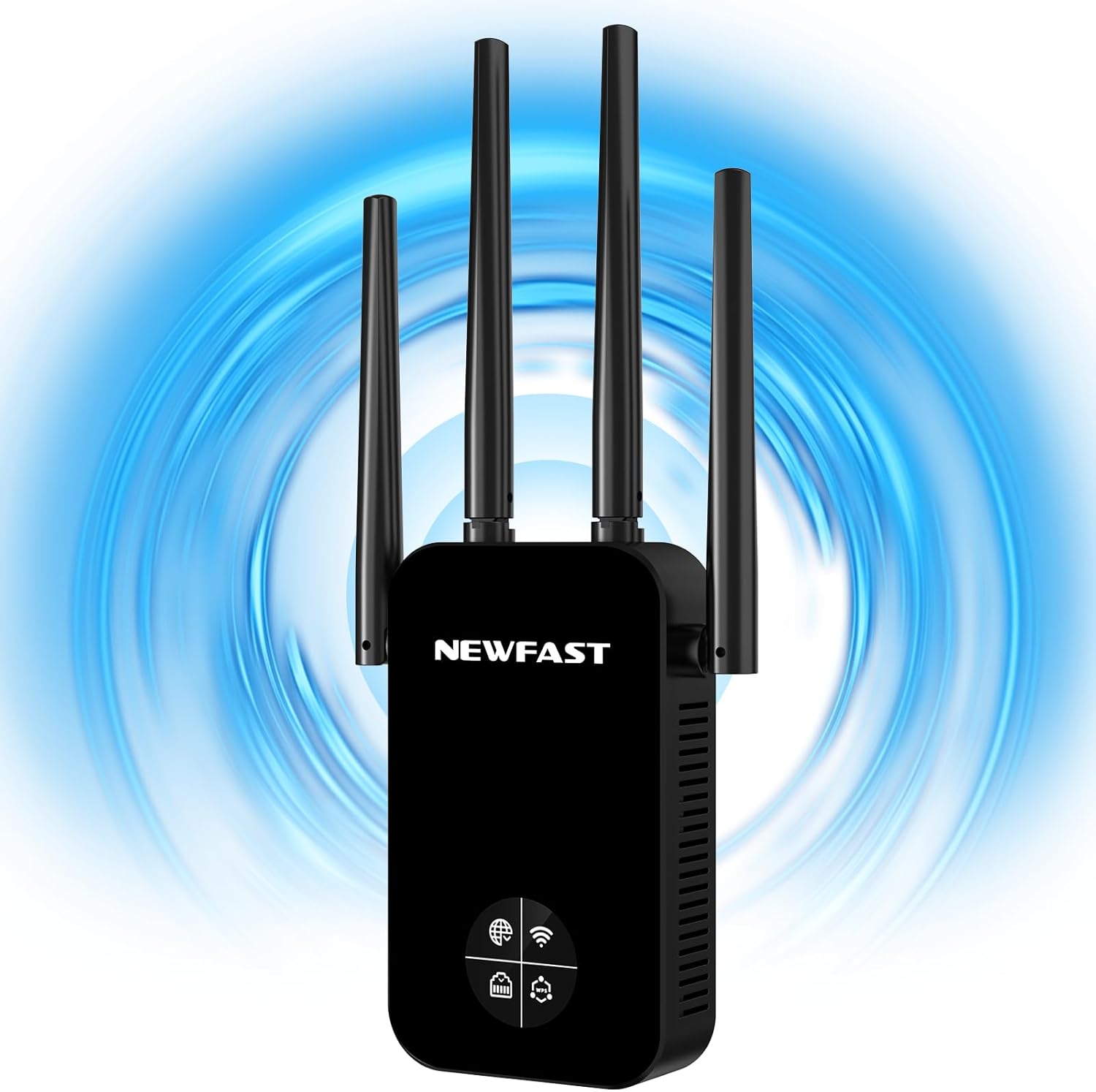
NEWFAST NF-RE523 AC1200 WiFi Extender - 1200Mbps Dual Band Signal Booster & Internet Repeater
$18.5 $36.99
48% OFF
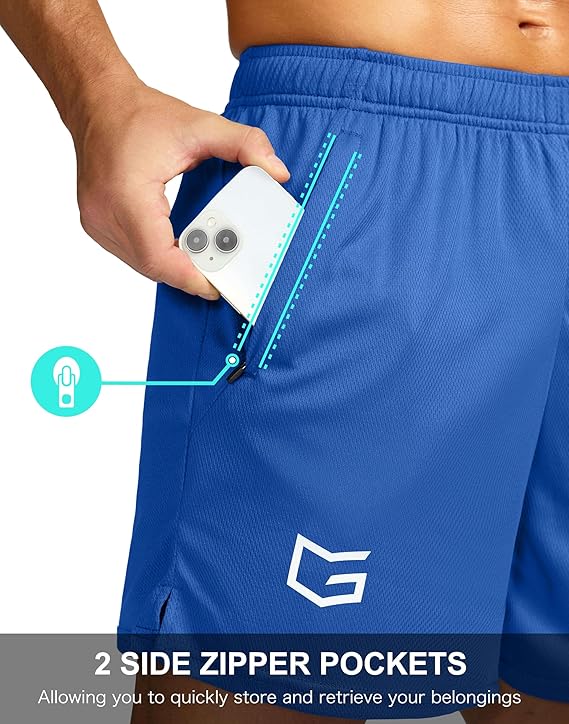
G Gradual Men's 7-inch Workout Running Shorts - Lightweight, Quick-Dry, Comfort
$12.91 $24.99
50% OFF

HDPE All-Weather Adirondack Chair with Built-In Cup Holder - Tool-Free Assembly (Grey)
$69.99 $139.99
60% OFF

HOMETUK Clear Plastic Storage Bins with Dividers - 3-Pack Stackable Acrylic Organizer Containers for Fridge and Pantry
$19.99 $49.99
58% OFF

G Gradual Men's Fishing Shirt - UPF 50+ Lightweight Short Sleeve Button Down with Zipper Pockets
$14.99 $35.99
55% OFF

Everyfun 60" Rectangular Platform Tree Swing - 700lbs Heavy Duty Adjustable Outdoor Swing (Colorful)
$49.99 $110.99
61% OFF

Ekouaer Women's Casual Loose Jumpsuit - One-Piece Printed Sleeveless Wide Leg Romper with Pockets
$14.99 $37.99
40% OFF
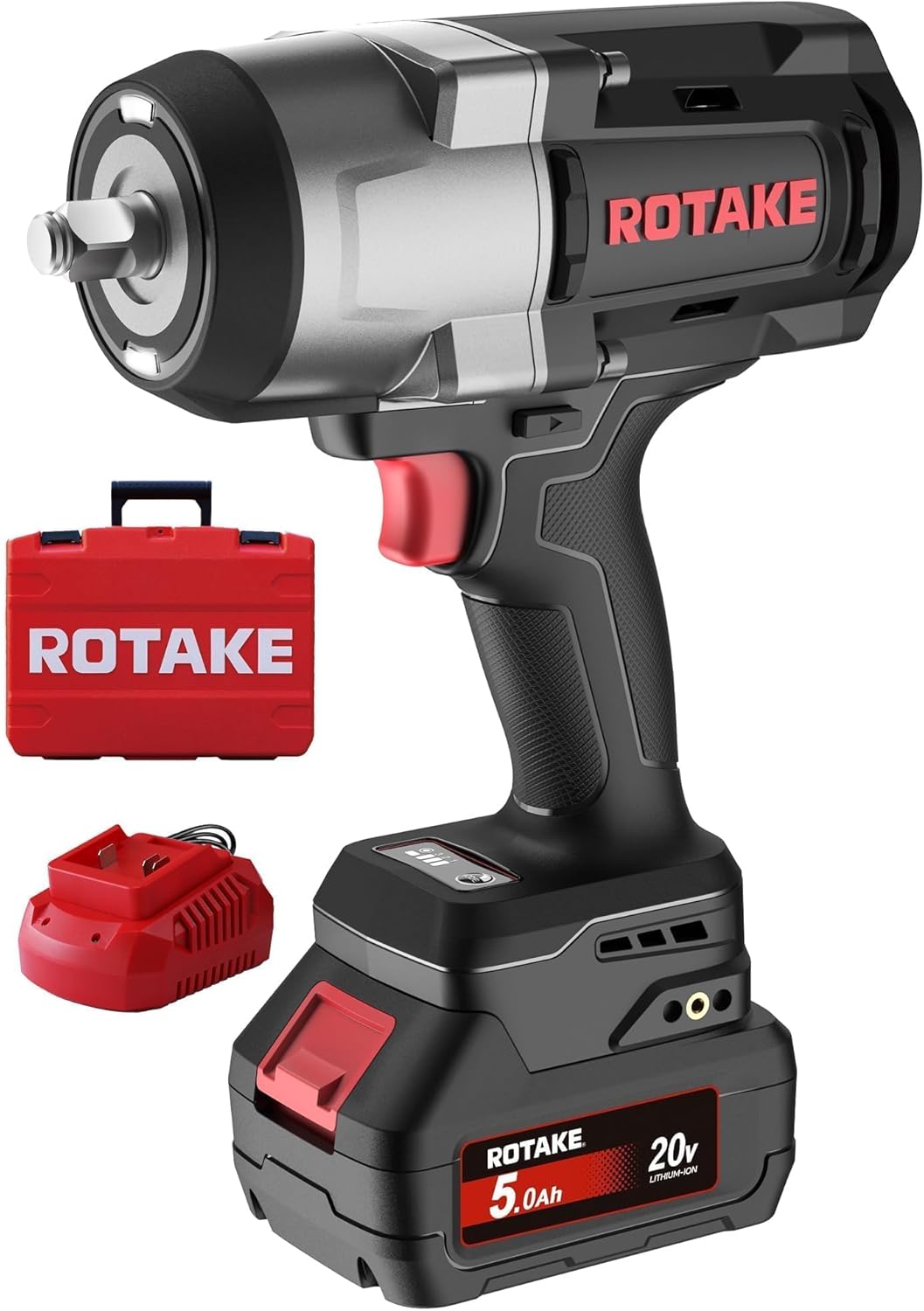
ROTAKE TB3 20V Heavy Duty 1/2" Cordless Impact Wrench Kit - 1380 Ft-Lbs Torque
$132 $219.99
36% OFF

Men's Athletic Running Shorts with Zipper Pockets - Lightweight & Quick Dry
$12.74 $19.99
61% OFF

Modern Ceiling Fan with Light and Remote - Reversible Quiet DC Motor
$69.3 $179.99
50% OFF

MOOKA H13 True HEPA Air Purifier for Home Large Room - 1076 sq ft Odor Eliminator
$39.97 $79.95
60% OFF

Ekouaer Women's Satin Silky Pajama Set - Short Sleeve Pullover Top & Wide-Leg Pants
$13.99 $34.99
55% OFF

Ekouaer 3-Piece Maternity & Nursing Pajamas Set - Short Sleeve Top with Shorts and Pants
$14.99 $32.99
11% OFF

VitaUp Beet Root Gummies with CoQ10 & Grape Seed - Nitric Oxide Circulation Support (60 Count)
$24.91 $27.91

Sealy 2-Pack Tritech 16" Twin Inflatable Air Mattress with Built-in AC Pump
$0 $113.99
20% OFF

INTEX Prism Frame 20ft x 52in Above Ground Pool Set - Round Steel Frame Swimming Pool
$695.99 $869.99

Gardner Pet 43" Heavy Duty Dog Crate with Wheels - Indestructible Folding Metal Cage (Black)
$0 $149.99
12% OFF

Elegant Mid-Century Modern Bar Stools - Set of 4
$395.99 $449.99
23% OFF

Ergonomic Office Chair - Big and Tall Desk Chair with Adjustable Lumbar Support
$279.99 $363.99
26% OFF

Magnelex American Flag Windshield Sun Shade - High-Resolution UV Reflective Heat Shield (X-Large)
$19.9 $26.9




-

Historic Lancashire church secures £250,000 National Lottery grant for major roof repairs
-

Sunderland Minster PCC was right to push back over trans toilet sign
-

Report warns religious freedom protections in Mexico exist largely ‘on paper’
-

Bethel Church distances itself from Todd Bentley and Mike Bickle
-

Christian police officer reaches settlement over diversity training discrimination claim
-
Turkey's hidden Christian past: Extraordinary discoveries are rewriting the story of early Christianity
Most Popular
News

Praying for the World Cup
Let's pray that in a world of conflict and division the World Cup may bring joy to many this summer.
Pride and the Gospel: the way of self or the way of Christ?
As Christians, our understanding of pride is shaped not primarily by culture, but by Scripture.
Campaign urging greater support for Christian education
Unite for Education founder, Niel Deepnarain, said Christians must be willing to engage publicly with educational issues rather than remain silent.

Welsh reverend speaks of culture of fear over LGBT issues
Many people have already left the Church in Wales over its stance on same-sex relationships, an evangelical leader has said.
NEWFAST NF-RE523 AC1200 WiFi Extender - 1200Mbps Dual Band Signal Booster & Internet Repeater
$18.5
G Gradual Men's 7-inch Workout Running Shorts - Lightweight, Quick-Dry, Comfort
$12.91
HDPE All-Weather Adirondack Chair with Built-In Cup Holder - Tool-Free Assembly (Grey)
$69.99
HOMETUK Clear Plastic Storage Bins with Dividers - 3-Pack Stackable Acrylic Organizer Containers for Fridge and Pantry
$19.99
G Gradual Men's Fishing Shirt - UPF 50+ Lightweight Short Sleeve Button Down with Zipper Pockets
$14.99
Everyfun 60" Rectangular Platform Tree Swing - 700lbs Heavy Duty Adjustable Outdoor Swing (Colorful)
$49.99
Ekouaer Women's Casual Loose Jumpsuit - One-Piece Printed Sleeveless Wide Leg Romper with Pockets
$14.99
ROTAKE TB3 20V Heavy Duty 1/2" Cordless Impact Wrench Kit - 1380 Ft-Lbs Torque
$132
Men's Athletic Running Shorts with Zipper Pockets - Lightweight & Quick Dry
$12.74
Modern Ceiling Fan with Light and Remote - Reversible Quiet DC Motor
$69.3
MOOKA H13 True HEPA Air Purifier for Home Large Room - 1076 sq ft Odor Eliminator
$39.97
Ekouaer Women's Satin Silky Pajama Set - Short Sleeve Pullover Top & Wide-Leg Pants
$13.99
Ekouaer 3-Piece Maternity & Nursing Pajamas Set - Short Sleeve Top with Shorts and Pants
$14.99
VitaUp Beet Root Gummies with CoQ10 & Grape Seed - Nitric Oxide Circulation Support (60 Count)
$24.91
Sealy 2-Pack Tritech 16" Twin Inflatable Air Mattress with Built-in AC Pump
$0
INTEX Prism Frame 20ft x 52in Above Ground Pool Set - Round Steel Frame Swimming Pool
$695.99
Gardner Pet 43" Heavy Duty Dog Crate with Wheels - Indestructible Folding Metal Cage (Black)
$0
Elegant Mid-Century Modern Bar Stools - Set of 4
$395.99
Ergonomic Office Chair - Big and Tall Desk Chair with Adjustable Lumbar Support
$279.99
Magnelex American Flag Windshield Sun Shade - High-Resolution UV Reflective Heat Shield (X-Large)
$19.9