
Former Bosnian Serb leader Radovan Karadzic appeared before a U.N. war crimes judge for the first time on Thursday to answer genocide charges and said he had been kidnapped and feared for his life.
Karadzic, who was arrested last week after 11 years on the run, wore a dark suit and tie, and appeared gaunt, his trademark shock of hair whiter and shorter than when he was last seen in public out of disguise more than a decade ago.
Karadzic began in composed mood, giving one-word answers and occasionally cracking a wry joke. But as the proceedings continued he became more animated, then defiant.
Karadzic faces two charges of genocide over the 43-month siege of Sarajevo and the 1995 massacre of some 8,000 Muslims at Srebrenica, the worst atrocity in Europe since World War Two.
He said he would enter a plea after studying the charges. The case is due to resume on August 29.
The leader of Bosnian Serbs during the 1992-95 Bosnia war is the most prominent Balkan war crimes suspect arrested since late Serbian President Slobodan Milosevic, who died in detention in 2006 before his trial ended.
Karadzic said his arrest was illegal. "In Belgrade I was arrested irregularly, I was held kidnapped for three days. I had no right to a telephone call or even an SMS," he said.
He also attacked former U.S. Bosnian peace mediator Richard Holbrooke, saying: "If Holbrooke wants my death and regrets there is no death sentence at this court, I want to know if his arm is long enough to reach me here."
Holbrooke, architect of the peace deal which ended the Bosnian war, did not immediately comment.
At the start of the proceedings, judge Alphons Orie noted Karadzic was alone. Smiling, the suspect replied: "I have an invisible adviser but I have decided to represent myself."
Offered a chance to have the indictment read to him, Karadzic declined.
"I'm not interested in having someone else read an indictment to me. I would rather receive the new indictment that has been announced and sufficient time to study it, then have my initial appearance after that and enter my plea."
He appeared at the court after spending his first night in a cell at the U.N. war crimes tribunal detention centre in The Hague. He occasionally wiped his brow and spoke in Serbian.
SHAVEN
Since his arrest in Belgrade he has shorn the flowing beard and long hair that helped disguise him as an alternative healer in the years following the war. He was flown to the Netherlands on Wednesday morning.
Chief Prosecutor Serge Brammertz said he would conduct the trial efficiently, learning from the Milosevic case.
"Of course it will take some months before the prosecution and defence will be ready to start. It will be a complex trial but we are fully aware of the importance of being efficient," he told reporters.
Karadzic's lawyer in Serbia had said his client would make use of the 30-day-period he is allocated to make a plea. Under court rules if he refuses to enter a plea, then a plea of 'not guilty' is entered for him.
Karadzic's delivery to The Hague was key to Serbia securing closer ties with the European Union and his arrest was seen as a pro-Western signal by the new government sworn in this month.
France, the current EU president, said in a statement that Karadzic's arrest and transfer "mark an important step in the process of reconciliation in the western Balkans and in the rapprochement between Serbia and Europe."
50% OFF
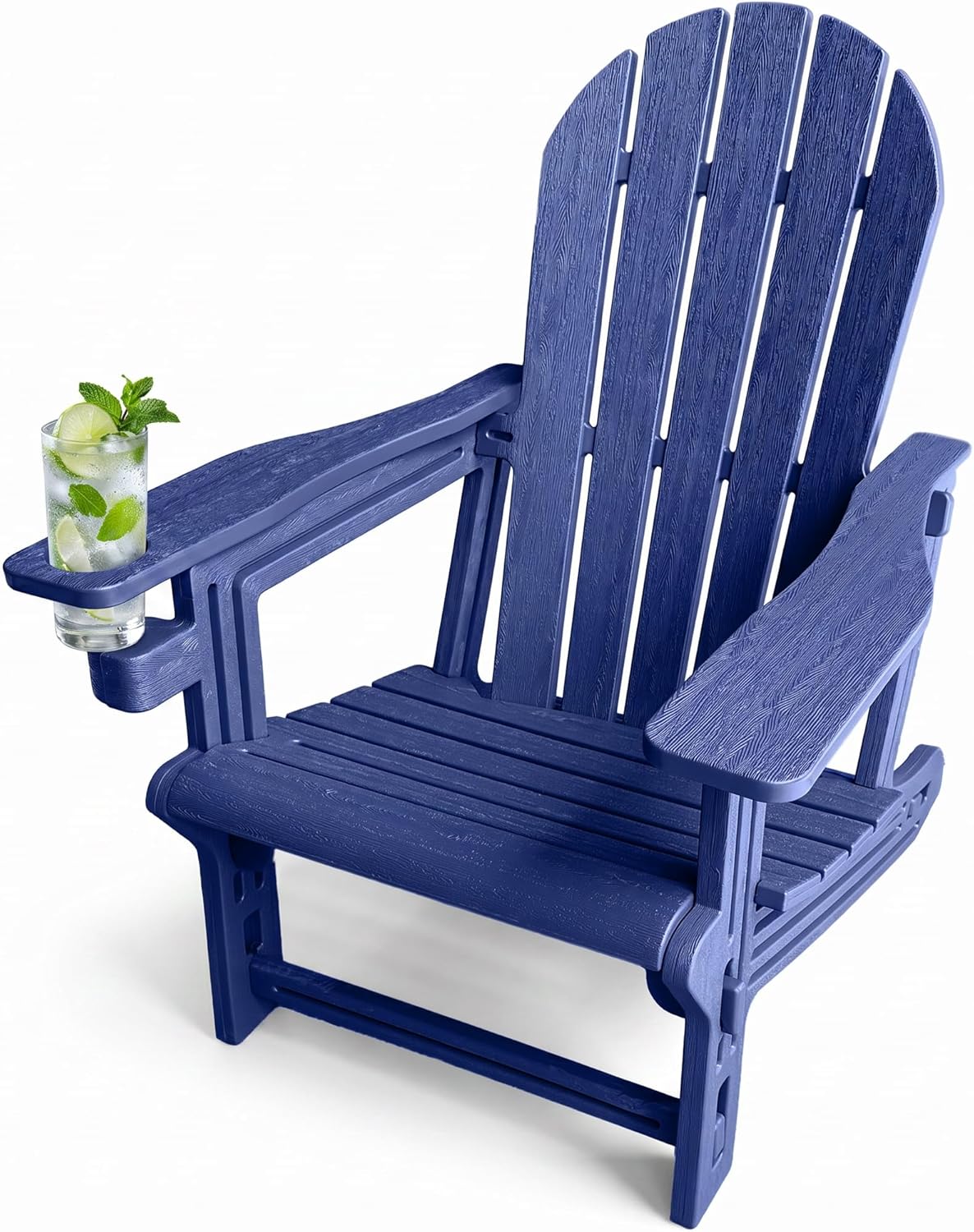
All-Weather HDPE Plastic Adirondack Chair with Cup Holder – Navy Blue
$70 $139.99
50% OFF

7-Color LED Red Light Therapy Mask for Face and Anti-Aging
$29.99 $59.99
49% OFF
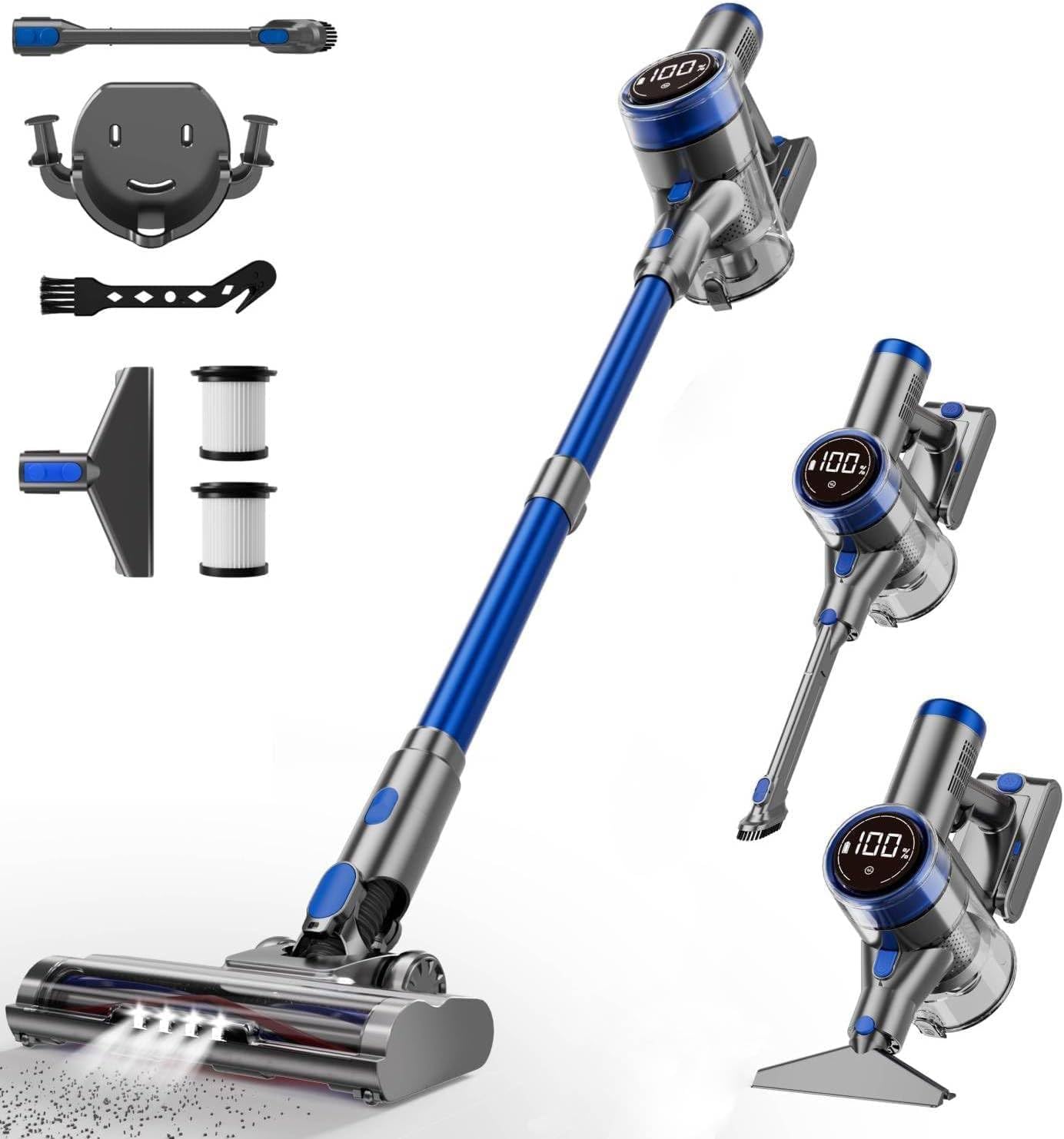
Cordless Vacuum Cleaner - 480W/45Kpa Powerful Stick Vacuum with LED Smart Touch Screen
$55.99 $109.99
20% OFF

Hypoallergenic Pet Wipes for Dogs & Cats - 400 Count Extra Large Coconut Scented Grooming Wipes
$24.79 $30.99
49% OFF
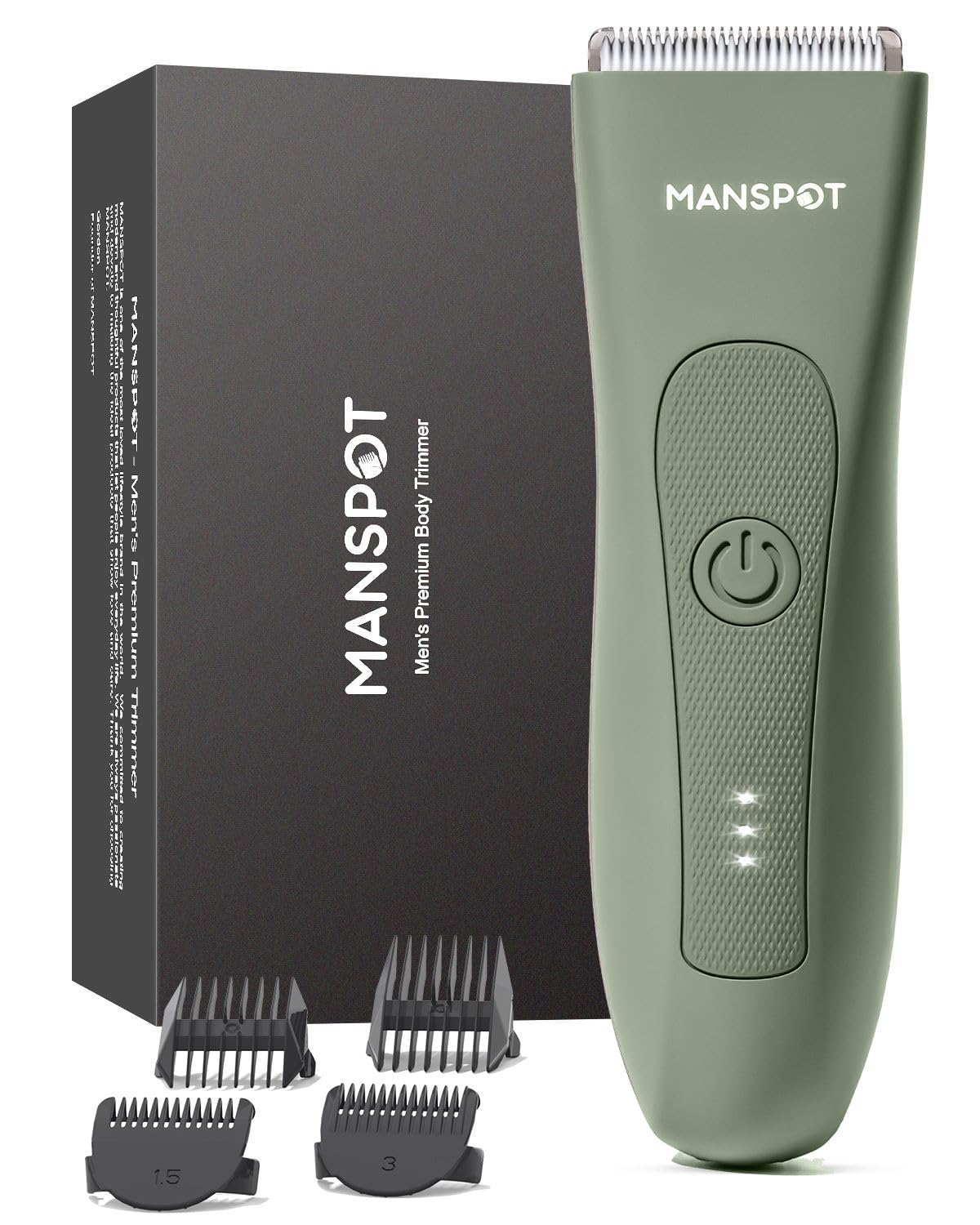
MANSPOT Electric Pubic Hair Trimmer - Waterproof Body and Groin Shaver for Men and Women (Black)
$20.39 $40
25% OFF
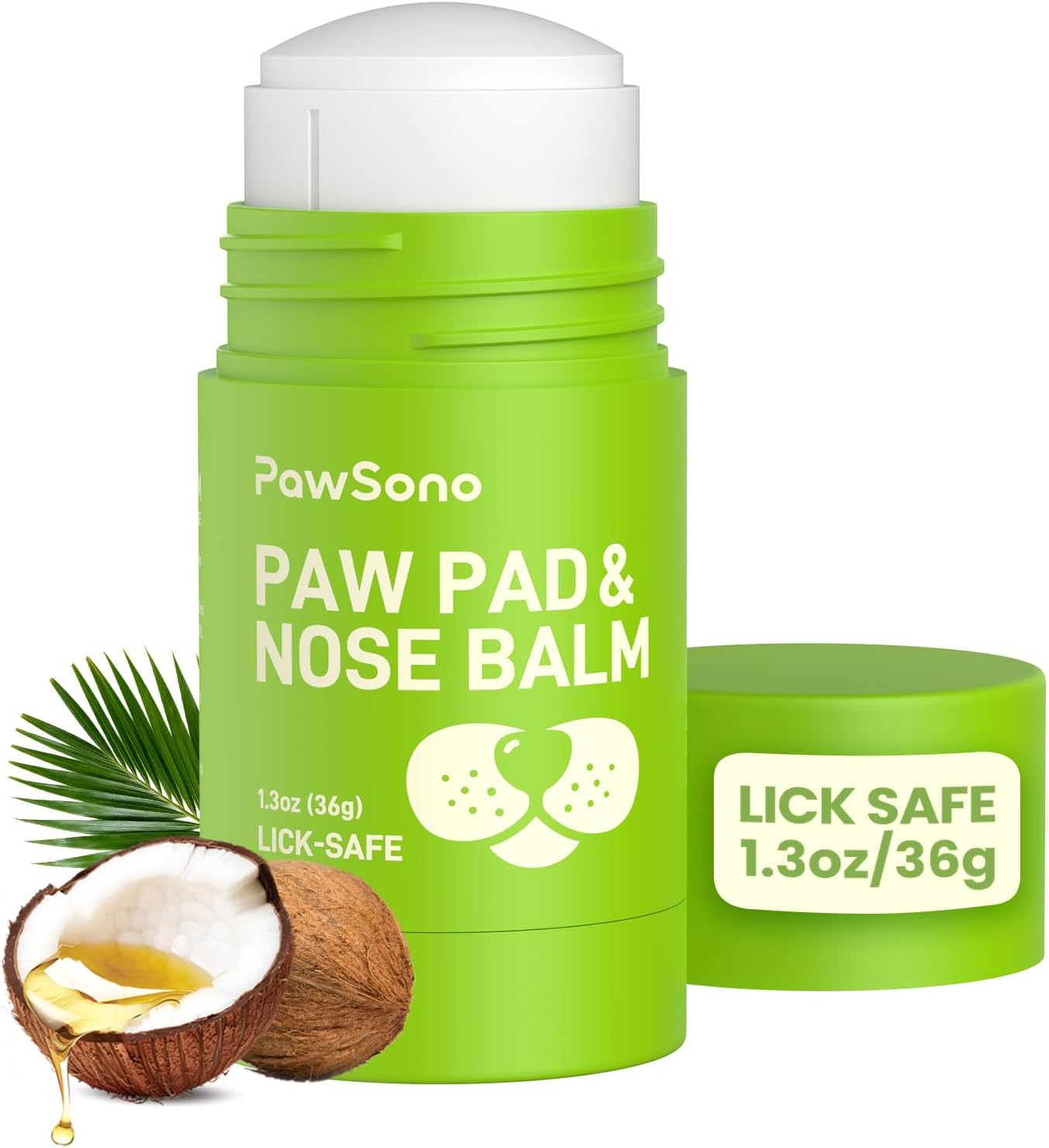
Lick-Safe Dog Paw and Nose Balm Stick - All-Natural Moisturizer with Coconut Oil for Dry, Cracked Pads and Snout
$11.69 $15.59
77% OFF
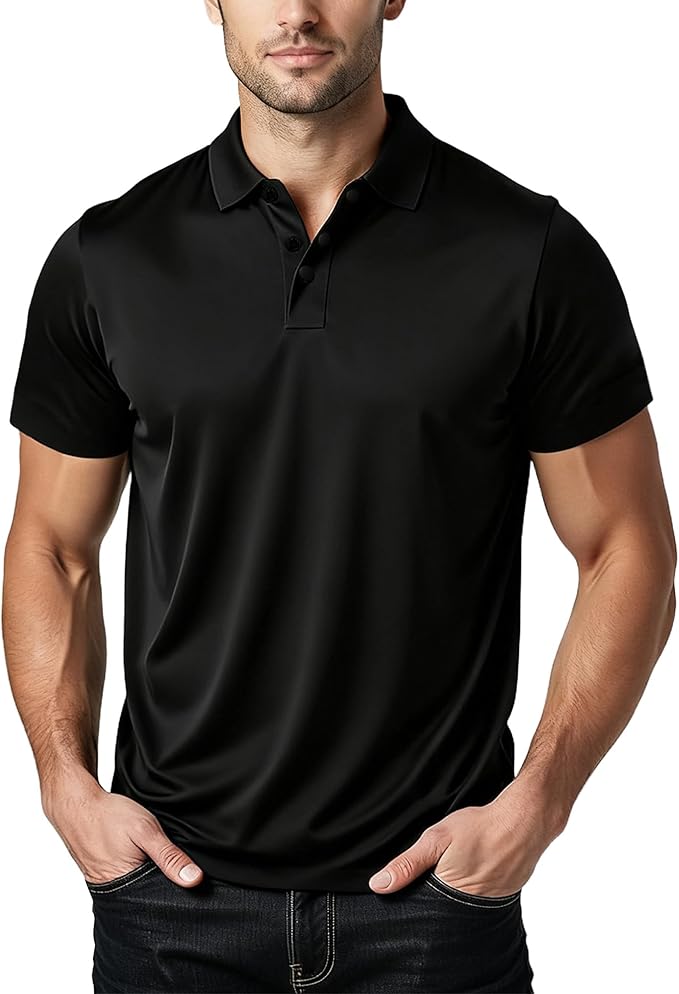
Men's Quick Dry Moisture Wicking Polo Shirt - High Elasticity Slim Fit Athletic Top (Runs Small)
$6.99 $29.99
46% OFF
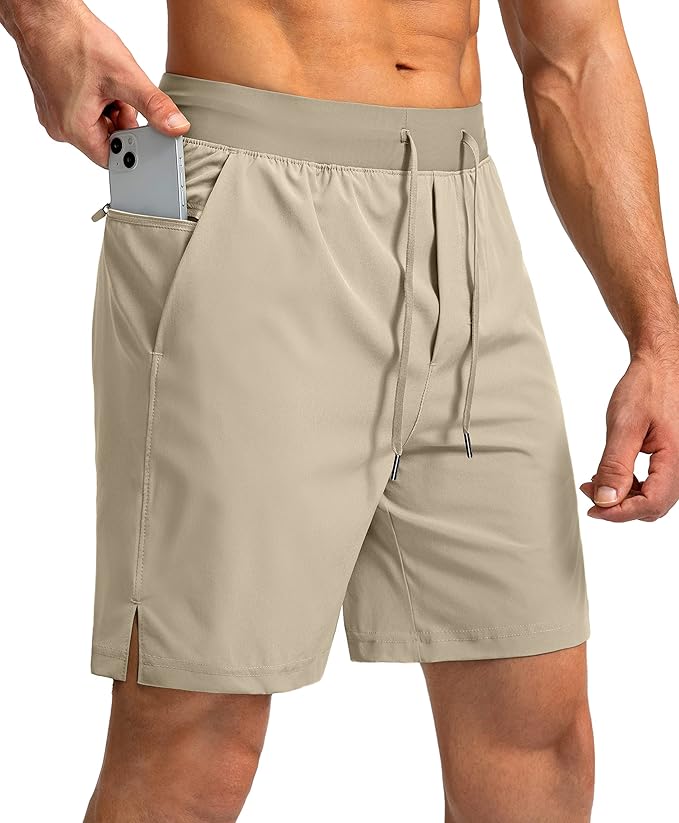
Men's Running Shorts with Zipper Pockets - Lightweight, Quick-Dry, Multi-Sport
$12.95 $23.99
50% OFF
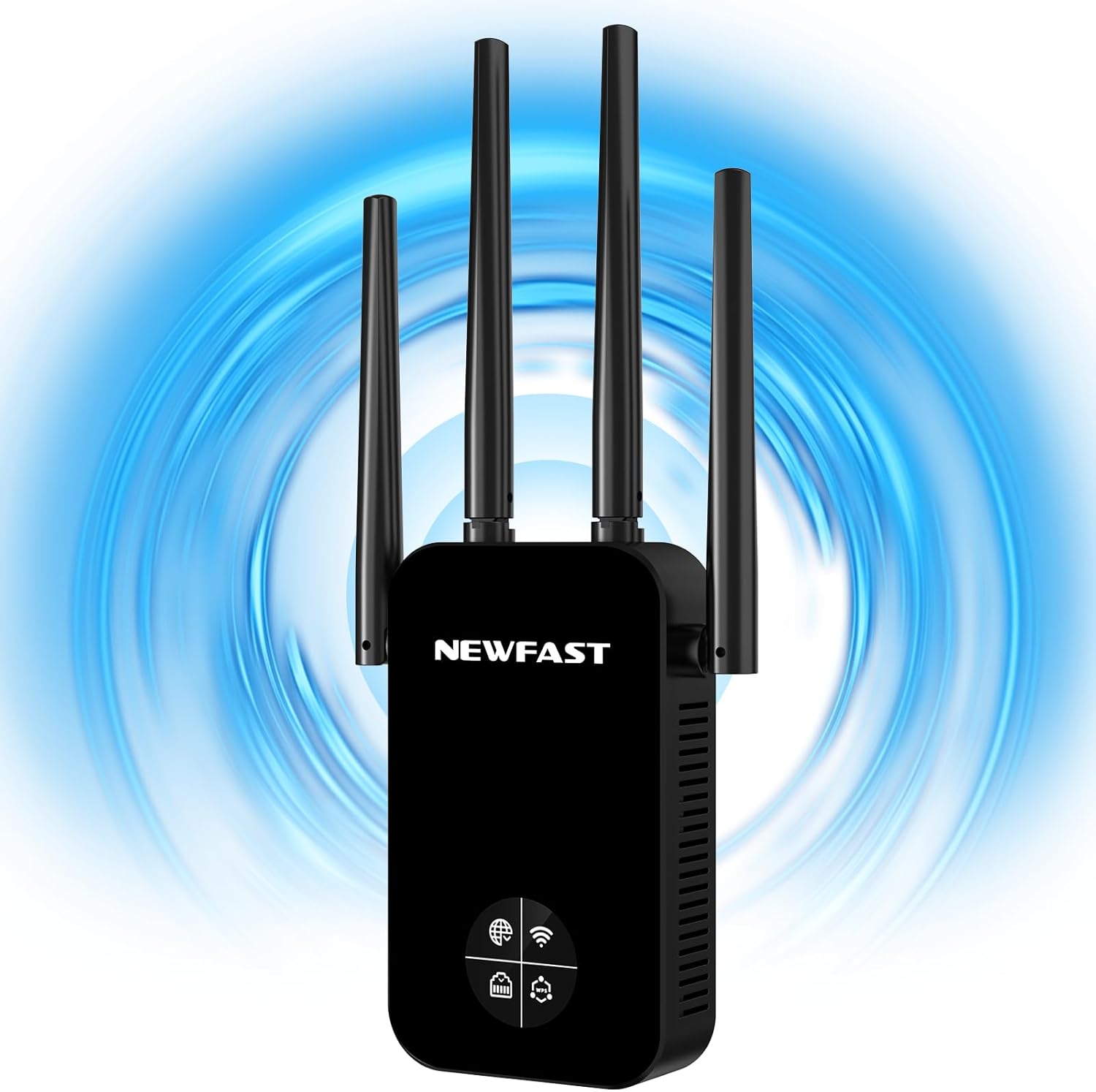
NEWFAST NF-RE523 AC1200 WiFi Extender - 1200Mbps Dual Band Signal Booster & Internet Repeater
$18.5 $36.99
48% OFF
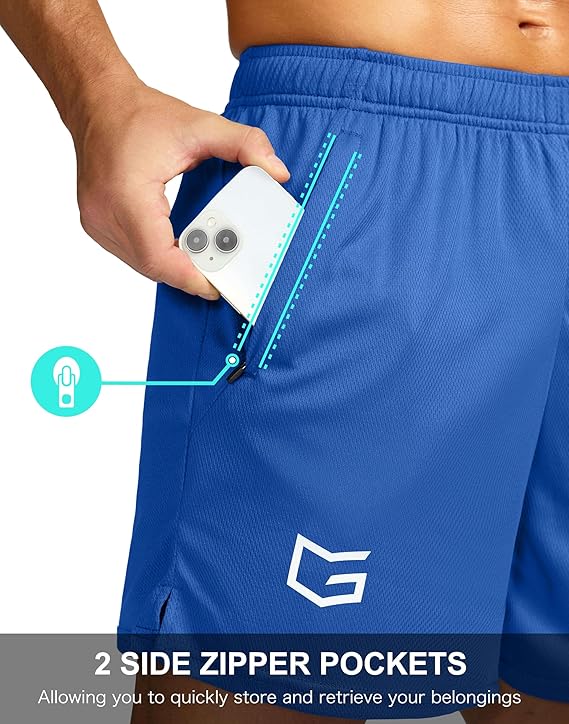
G Gradual Men's 7-inch Workout Running Shorts - Lightweight, Quick-Dry, Comfort
$12.91 $24.99
30% OFF
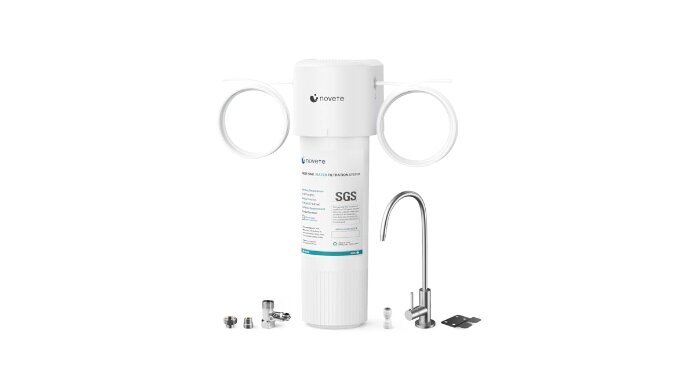
NOVETE Under Sink Water Filter - 3 Years, 30,000 Gallons, High-Efficiency Filtration
$41.99 $59.99
50% OFF
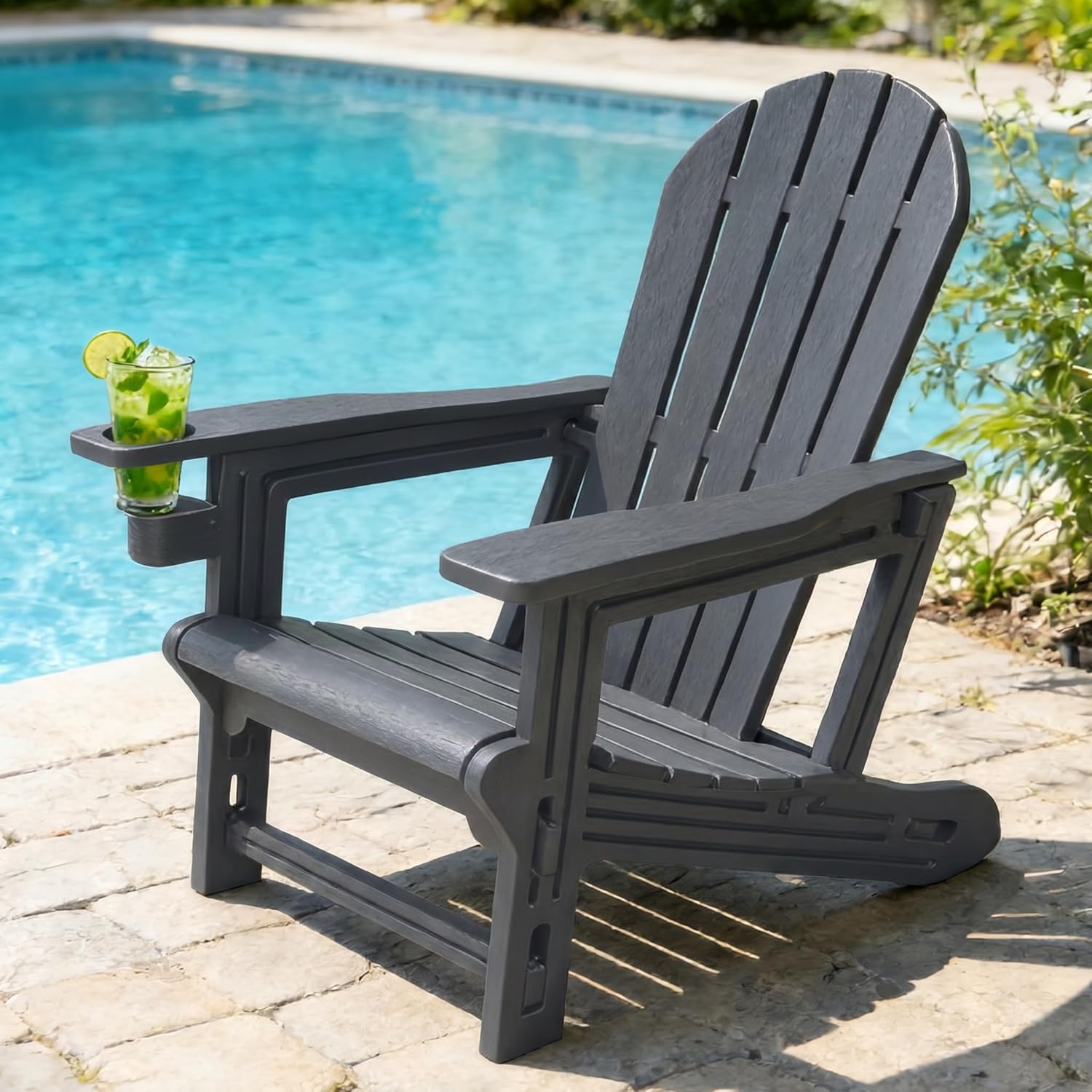
HDPE All-Weather Adirondack Chair with Built-In Cup Holder - Tool-Free Assembly (Grey)
$69.99 $139.99
60% OFF

HOMETUK Clear Plastic Storage Bins with Dividers - 3-Pack Stackable Acrylic Organizer Containers for Fridge and Pantry
$19.99 $49.99
58% OFF
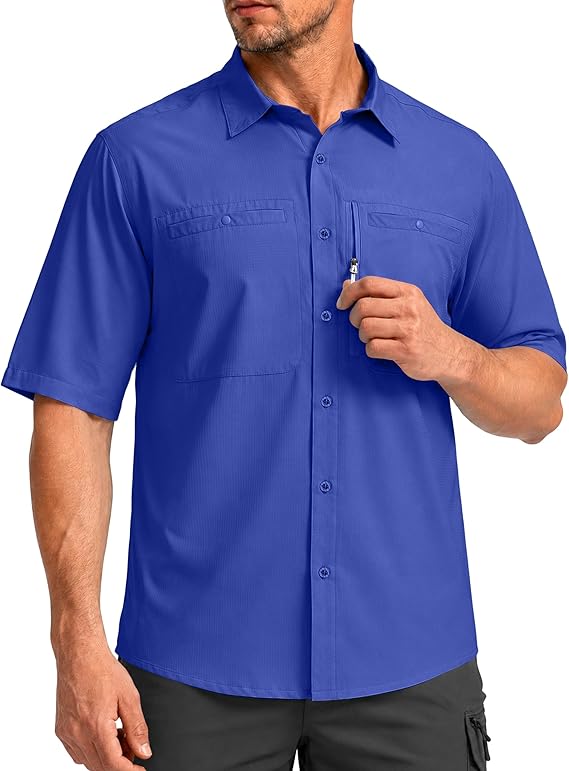
G Gradual Men's Fishing Shirt - UPF 50+ Lightweight Short Sleeve Button Down with Zipper Pockets
$14.99 $35.99
55% OFF
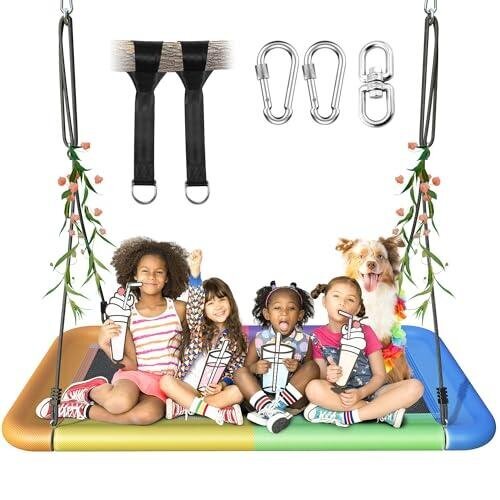
Everyfun 60" Rectangular Platform Tree Swing - 700lbs Heavy Duty Adjustable Outdoor Swing (Colorful)
$49.99 $110.99
61% OFF
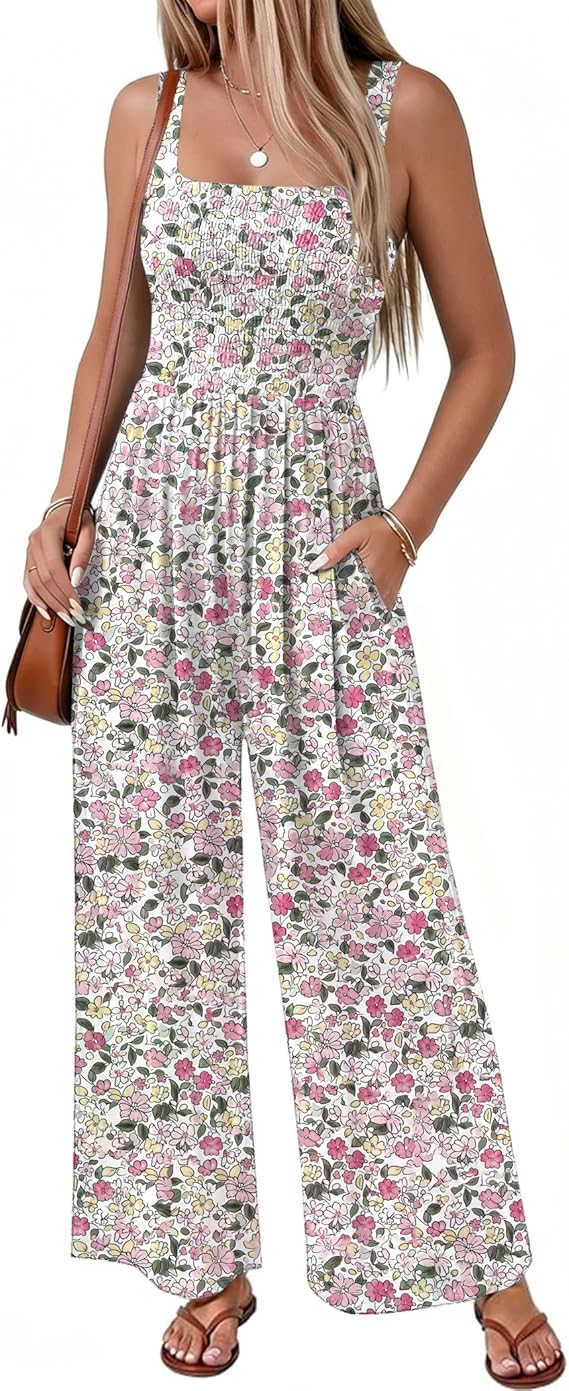
Ekouaer Women's Casual Loose Jumpsuit - One-Piece Printed Sleeveless Wide Leg Romper with Pockets
$14.99 $37.99
36% OFF
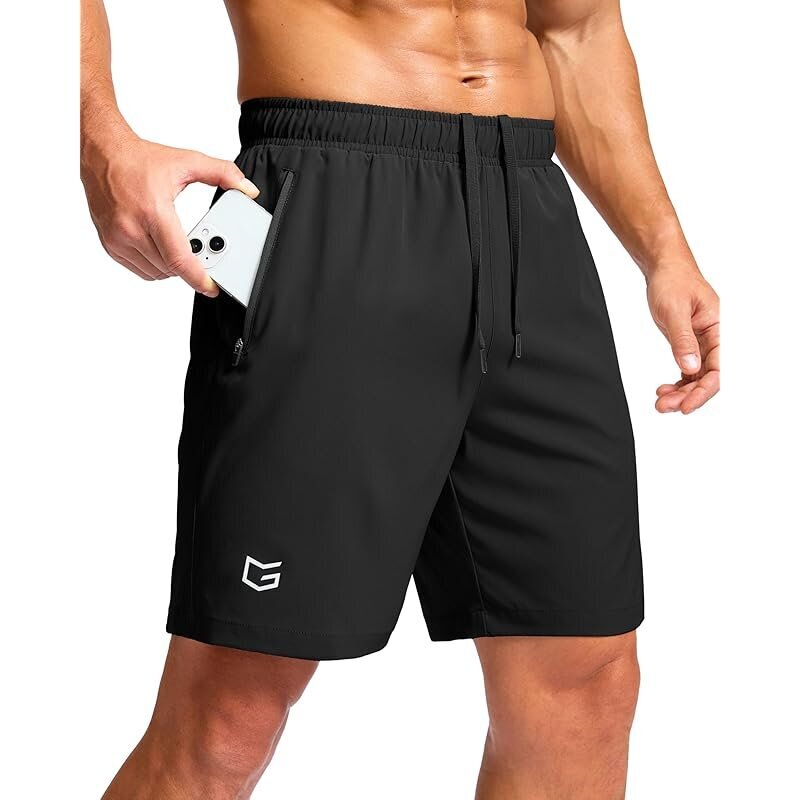
Men's Athletic Running Shorts with Zipper Pockets - Lightweight & Quick Dry
$12.74 $19.99
61% OFF
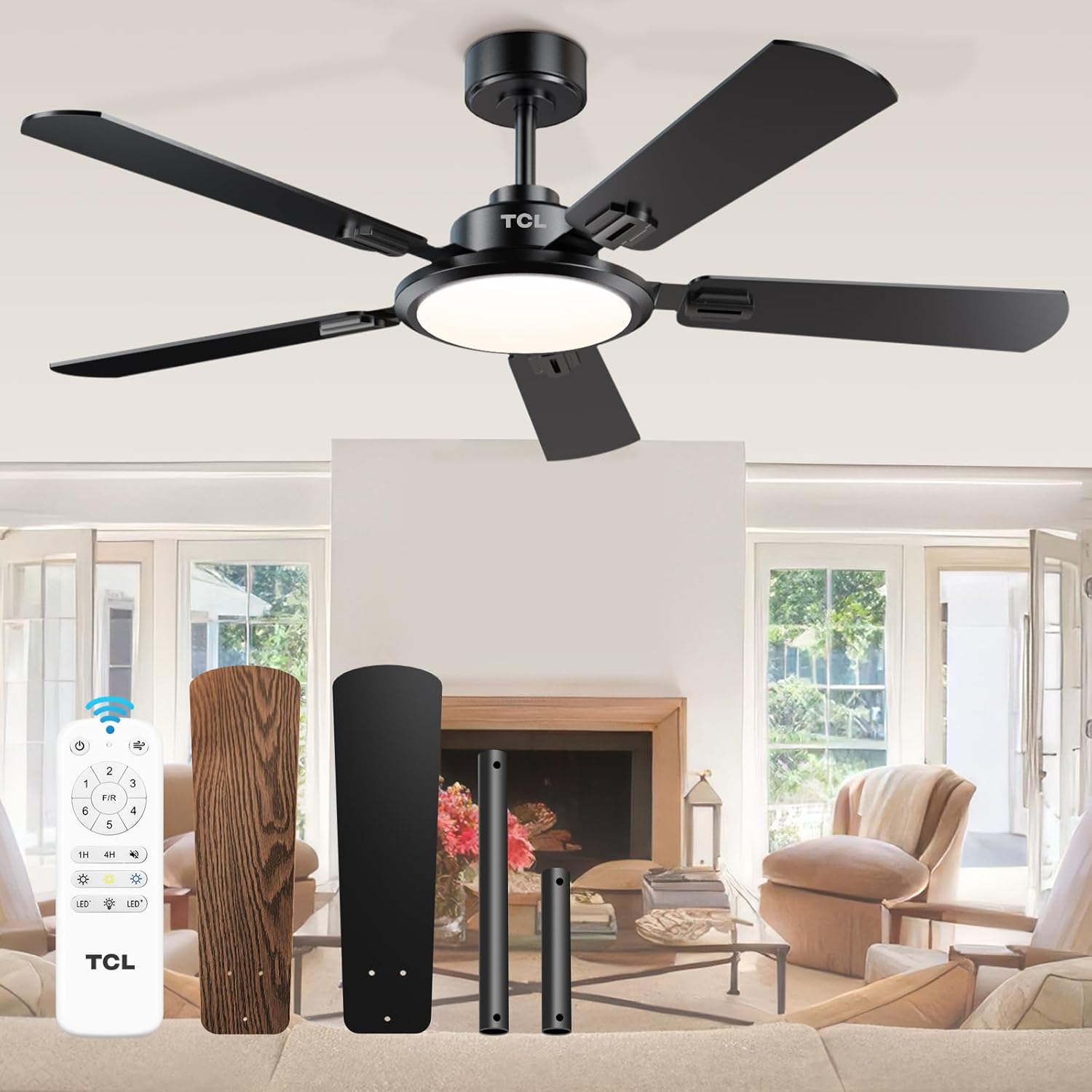
Modern Ceiling Fan with Light and Remote - Reversible Quiet DC Motor
$69.3 $179.99
50% OFF
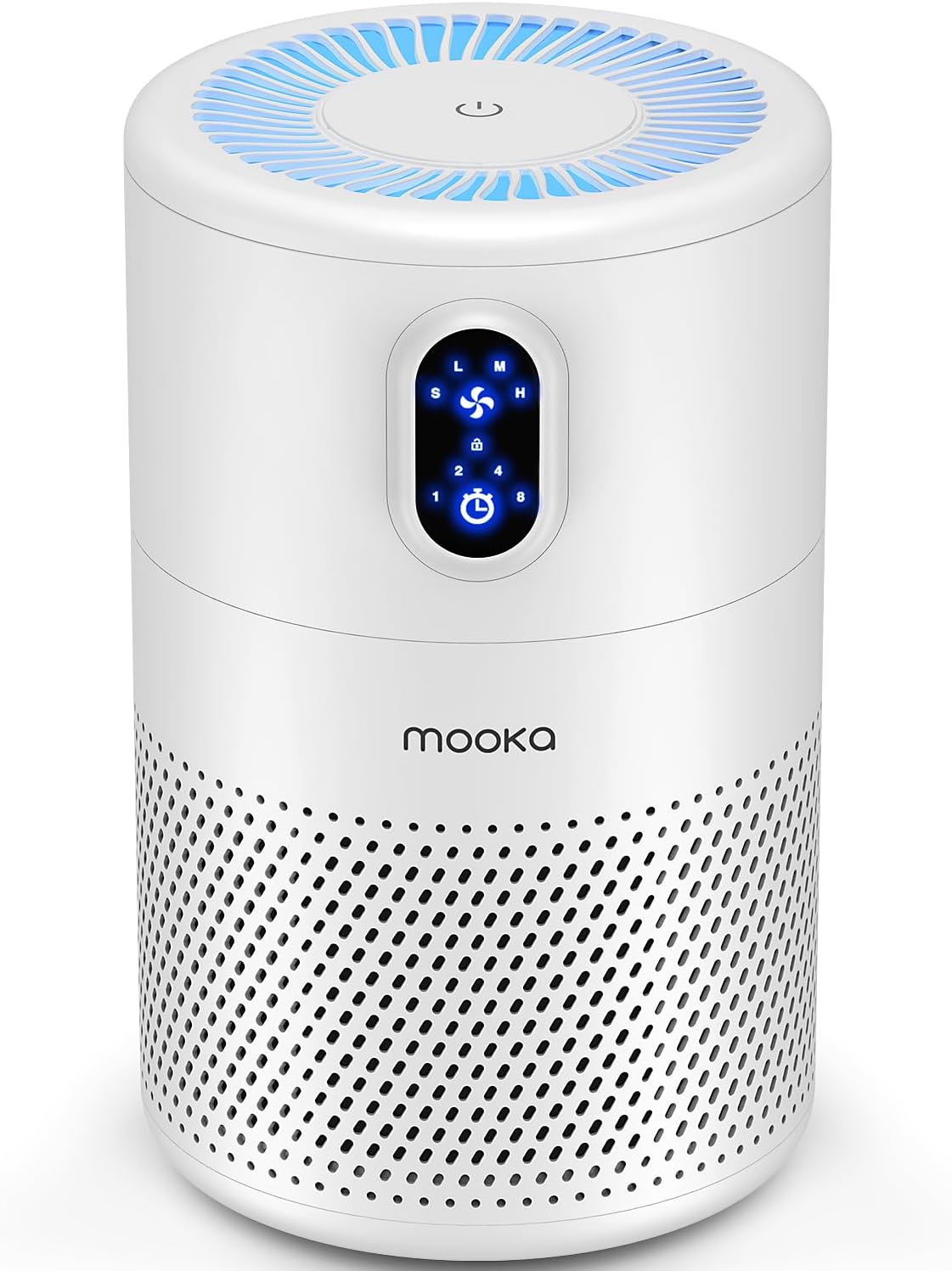
MOOKA H13 True HEPA Air Purifier for Home Large Room - 1076 sq ft Odor Eliminator
$39.97 $79.95
40% OFF
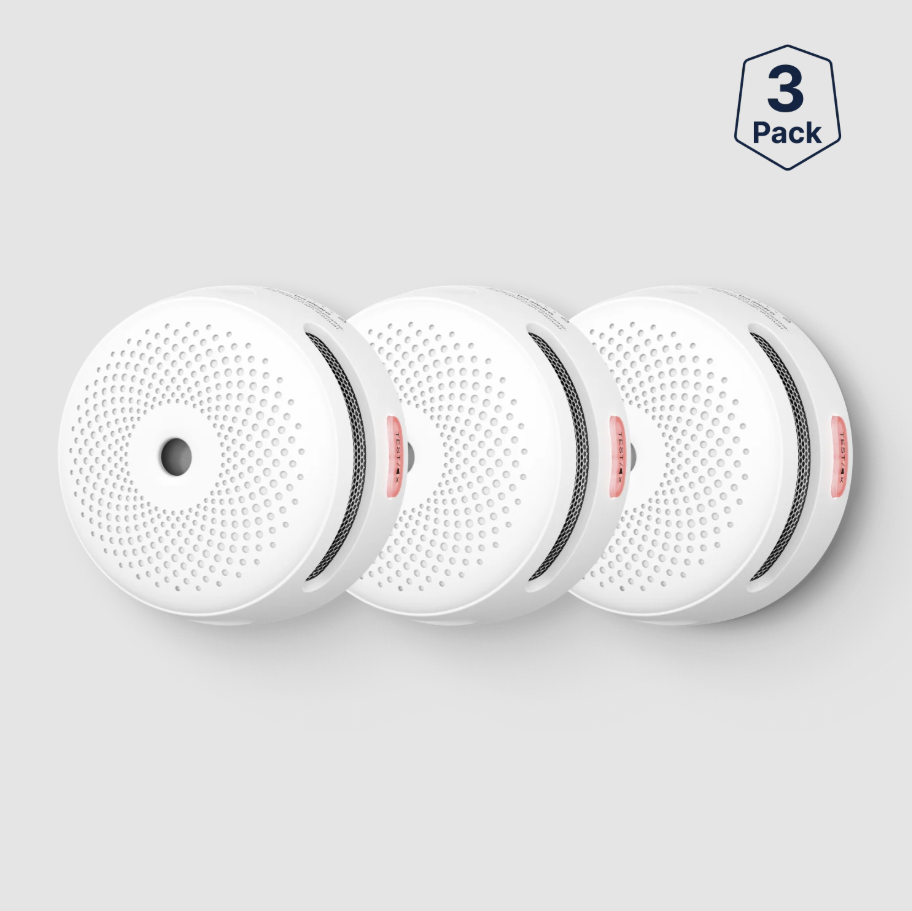
X-Sense XS01-WX Smart Smoke Alarm - 2.4 GHz Wi-Fi Photoelectric Fire Detector with Mobile App Alerts
$65.99 $109.99
-

Life beyond burnout: how Christians can grow in the desert seasons
-

New attempt to revive assisted suicide bill faces opposition
-

A Christian reflection on men’s health week: Jesus - the man we were created to be
-

Anti-Christian hate crimes across Europe surge in May as arson attacks reach 2026 high
News
-

Anti-Christian hate crimes across Europe surge in May as arson attacks reach 2026 high
-

Belfast churches 'heartbroken' over unrest
-

South Wales Police back down on imposing Islamic 'blasphemy law'
-

Welsh reverend speaks of culture of fear over LGBT issues
-

Making cohabitation equal with marriage is 'unfair', Christians argue
-

Life beyond burnout: how Christians can grow in the desert seasons
Most Popular
News

Pastors among hostages found dead amid tensions between Christian groups in Manipur
While the number of people unaccounted for in the northeastern Indian state of Manipur has fallen from 20 to two, with four of the six bodies recovered identified this week, retaliatory attacks continue following a cycle of abductions between Kuki-Zo and Naga groups, both predominantly Christian communities.

‘Eight years is too long’: Christian advocacy groups rally for abducted Nigerian schoolgirl's freedom
Christian Nigerian schoolgirl Leah Sharibu was abducted eight years ago by Islamic extremists. Unlike most of the classmates she was abducted with, she has never been freed.

New AI tool makes it easier for Iranians to access the Gospel
A ministry seeking to bring Christianity to the people of Iran has developed an AI tool to answer common questions about the faith.

Disclosure Day: What does Spielberg’s latest film tell us about the Church?
Disclosure Day asks some of the right questions and hints at all of the wrong answers, writes David Robertson.
All-Weather HDPE Plastic Adirondack Chair with Cup Holder – Navy Blue
$70
7-Color LED Red Light Therapy Mask for Face and Anti-Aging
$29.99
Cordless Vacuum Cleaner - 480W/45Kpa Powerful Stick Vacuum with LED Smart Touch Screen
$55.99
Hypoallergenic Pet Wipes for Dogs & Cats - 400 Count Extra Large Coconut Scented Grooming Wipes
$24.79
MANSPOT Electric Pubic Hair Trimmer - Waterproof Body and Groin Shaver for Men and Women (Black)
$20.39
Lick-Safe Dog Paw and Nose Balm Stick - All-Natural Moisturizer with Coconut Oil for Dry, Cracked Pads and Snout
$11.69
Men's Quick Dry Moisture Wicking Polo Shirt - High Elasticity Slim Fit Athletic Top (Runs Small)
$6.99
Men's Running Shorts with Zipper Pockets - Lightweight, Quick-Dry, Multi-Sport
$12.95
NEWFAST NF-RE523 AC1200 WiFi Extender - 1200Mbps Dual Band Signal Booster & Internet Repeater
$18.5
G Gradual Men's 7-inch Workout Running Shorts - Lightweight, Quick-Dry, Comfort
$12.91
NOVETE Under Sink Water Filter - 3 Years, 30,000 Gallons, High-Efficiency Filtration
$41.99
HDPE All-Weather Adirondack Chair with Built-In Cup Holder - Tool-Free Assembly (Grey)
$69.99
HOMETUK Clear Plastic Storage Bins with Dividers - 3-Pack Stackable Acrylic Organizer Containers for Fridge and Pantry
$19.99
G Gradual Men's Fishing Shirt - UPF 50+ Lightweight Short Sleeve Button Down with Zipper Pockets
$14.99
Everyfun 60" Rectangular Platform Tree Swing - 700lbs Heavy Duty Adjustable Outdoor Swing (Colorful)
$49.99
Ekouaer Women's Casual Loose Jumpsuit - One-Piece Printed Sleeveless Wide Leg Romper with Pockets
$14.99
Men's Athletic Running Shorts with Zipper Pockets - Lightweight & Quick Dry
$12.74
Modern Ceiling Fan with Light and Remote - Reversible Quiet DC Motor
$69.3
MOOKA H13 True HEPA Air Purifier for Home Large Room - 1076 sq ft Odor Eliminator
$39.97
X-Sense XS01-WX Smart Smoke Alarm - 2.4 GHz Wi-Fi Photoelectric Fire Detector with Mobile App Alerts
$65.99