Couples wanting to divorce in Ireland will soon be able to do so more quickly after the country voted overwhelmingly in favour of easing restrictions.
In a referendum on the waiting time, 82 per cent of people voted in favour of shortening it from the current four years to two.
At present, married couples can only divorce if they can prove that they have been living apart for at least four out of the last five years.
Legislation will now be introduced to Ireland's parliament to change the required period of separation for couples to two out of the last three years.
Justice Minister Charlie Flanagan insisted that the "core protections for marriage" would not be affected by the change.
"The Government wants to ensure that the process for obtaining a divorce is fair, dignified and humane, and allows both parties to move forward with their lives within a reasonable time frame," said Mr Flanagan.
"It is therefore my intention to reduce the living apart period to a minimum of two out of the preceding three years and to do so by way of ordinary legislation, which I will bring forward as soon as possible."
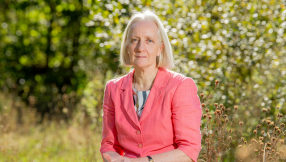
Josepha Madigan, Irish Culture Minister and one of the leading campaigners for the Yes vote, told RTE News: "I think it's an emphatic, unequivocal result, and, even though we have a very low marital breakdown in Ireland, it just demonstrates the amount of people who stand in solidarity with them.
"It's a real groundswell of support and compassion for all those people suffering from marital breakdown and I really want to thank the Irish people for coming out and supporting them."
Around 1.7 million cast their votes in the referendum on Friday before the results were announced on Sunday morning.
Divorce has been legal in the country since 1995 but there have been huge social shifts in recent years. In 2015 the country voted to legalise same-sex marriage while a referendum last year ended a constitutional ban on abortion.
The Catholic Church was outspoken in its opposition to changing the divorce laws.
Speaking ahead of the referendum, Bishop Kevin Doran had urged Catholics to vote against any change, suggesting that it would "have the effect of further weakening the social commitment to marriage".
"The original intention of the waiting time, as I understand it, was to give couples space to seek a resolution to their difficulties rather than divorcing 'at the first sign of trouble'," he said in a pastoral message.
He added: "The important parallel question that we need to ask is whether society is living up to its responsibility to prioritise the family and to provide the human supports that might help couples to resolve difficulties that arise in their relationship, before their differences become irreconcilable."
Writing in the Irish Times last week, Bishop Denis Nulty had said that shortening the waiting time "would not be in the interest of family life or of society in general".
"The objective of Friday's referendum is not to support marriage, but rather to liberalise divorce," he said.