
As Americans debate how long to keep their troops in Iraq and whether the government of Shi'ite Prime Minister Nuri al-Maliki can deliver peace, Iraqis too are torn over the same questions.
An informal survey by Reuters in several cities across Iraq shows many blame U.S. forces for insecurity and want to see them leave now. But many others say U.S. troops are preventing far worse violence and hope they stay.
Many say their own politicians have squandered an opportunity to resolve sectarian tensions. But others credit Maliki with making the best of a difficult situation.
U.S. ambassador Ryan Crocker and commander General David Petraeus will report to a divided Washington on Sept. 10 on the progress of President George W. Bush's strategy of sending 30,000 extra troops to Iraq this year.
The testimony of Crocker and Petraeus could be decisive in determining the fate of the 160,000-strong U.S. force in Iraq.
Democrats who control Congress, and some senior members of Bush's Republican Party, say U.S. forces should leave. Bush said on Monday any force reduction would be made from a position of strength, and would not come in response to political pressure.
Iraqis -- on the one hand fearful of American troops, on the other hand afraid of the sectarian violence that could erupt if they depart -- have similar arguments every day.
"The security situation has improved in Baghdad due to the new tactics used by the U.S forces to chase militiamen and Sunni insurgents," said Hadi Ali, 41, an Iraqi army officer in Tikrit, home town of Saddam Hussein.
"Pulling out U.S troops will disrupt all efforts to create a safe Iraq."
But across town, schoolteacher Raad Mohammed said: "The withdrawal of U.S forces is the dream of all honourable Iraqis. The occupation is a nightmare in our life."
U.S. officials say the "surge" of forces has improved security. But they have also expressed frustration that Iraqi politicians have made only limited progress toward enacting measures aimed at fostering national reconciliation.
A Congressional report on Tuesday said the Iraqi government has fallen short of several political benchmarks, a verdict Crocker is expected to echo next week.
Many Iraqis say Maliki, a member of a Shi'ite Islamist party, has failed to reach out to other groups.
"Maliki is only paying attention to his party, rather than considering the interests of Iraq," said Qadir Hussein, 36, a Baghdad civil servant.
"An independent prime minister is the only hope to have a unified, successful government in Iraq."
But Baghdad university professor Samer Qasim, 45, said: "Maliki is a good figure and not sectarian."
He added that a deal signed on Aug. 26 between Shi'ite, Kurdish and Sunni Arab political leaders to work towards reconciliation was "clear evidence that the government is acting seriously to reconcile all Iraqi parties".
"Maliki started with reconciliation but he did not see it through to success," added Ammar Hassan, 35, a day labourer in the southern, mainly-Shi'ite oil centre of Basra.
"I do not think Maliki failed, but he has big challenges."
Many Iraqis are well aware of the political debate in Washington and how it affects Baghdad.
"Maliki's fragile government is facing tremendous pressure to fulfil U.S. benchmarks, aimed at saving Bush's face," said Wael Mohammed al-Moussawi, 35, in the Shi'ite city of Najaf.
"But Maliki is too weak to meet the demands and he'd better quit for failing to lead the country towards the shore of safety."
Others fretted at what would happen if his government fell.
"The political process would go back to square one," said Ahmed Tahir, 45, a retired civil servant in the ethnically mixed northern city of Kirkuk.
11% OFF

VitaUp Beet Root Gummies with CoQ10 & Grape Seed - Nitric Oxide Circulation Support (60 Count)
$24.91 $27.91
50% OFF

HDPE All-Weather Adirondack Chair with Built-In Cup Holder - Tool-Free Assembly (Grey)
$69.99 $139.99
60% OFF

HOMETUK Clear Plastic Storage Bins with Dividers - 3-Pack Stackable Acrylic Organizer Containers for Fridge and Pantry
$19.99 $49.99
58% OFF

G Gradual Men's Fishing Shirt - UPF 50+ Lightweight Short Sleeve Button Down with Zipper Pockets
$14.99 $35.99
55% OFF

Everyfun 60" Rectangular Platform Tree Swing - 700lbs Heavy Duty Adjustable Outdoor Swing (Colorful)
$49.99 $110.99
61% OFF

Ekouaer Women's Casual Loose Jumpsuit - One-Piece Printed Sleeveless Wide Leg Romper with Pockets
$14.99 $37.99
40% OFF
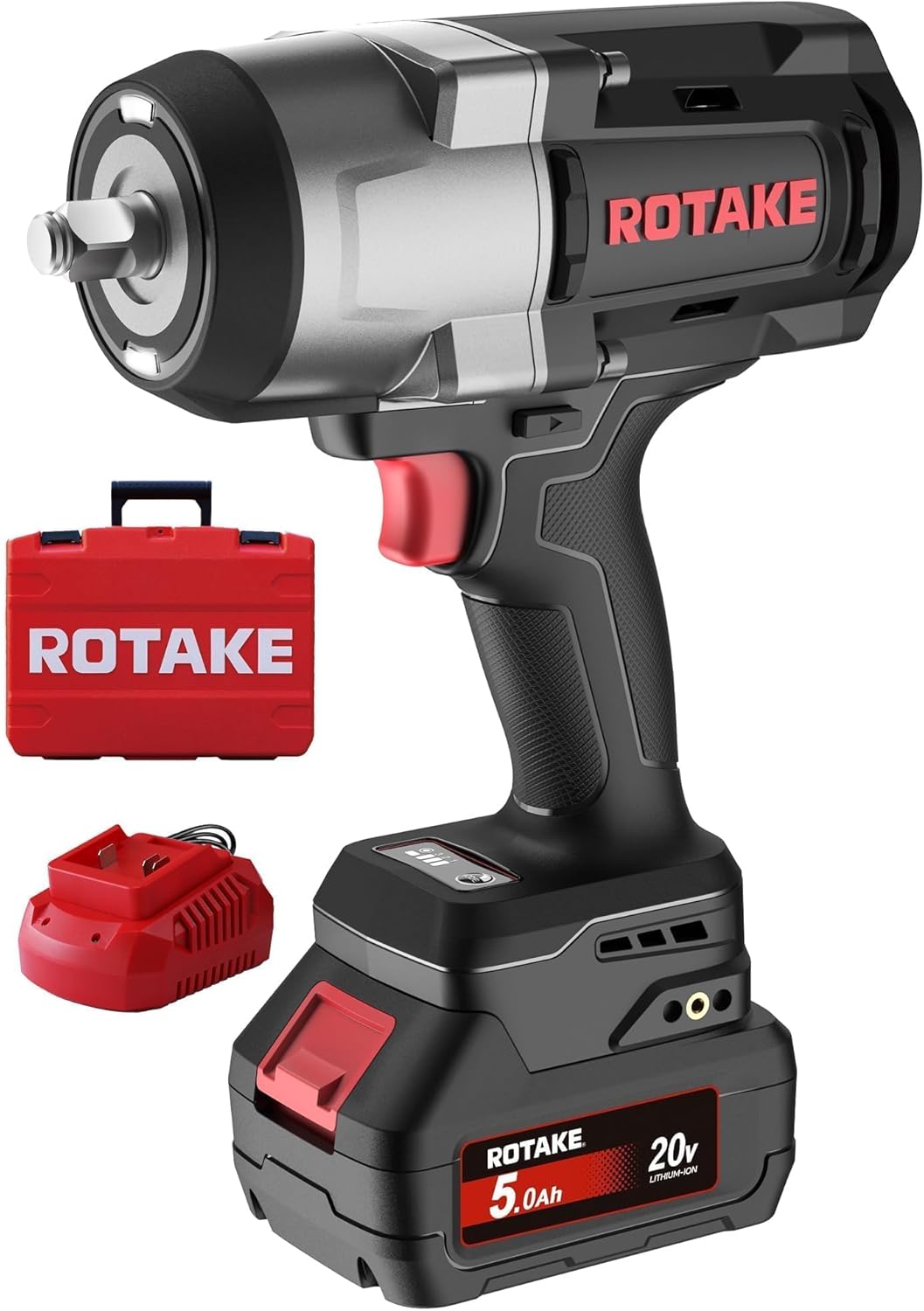
ROTAKE TB3 20V Heavy Duty 1/2" Cordless Impact Wrench Kit - 1380 Ft-Lbs Torque
$132 $219.99
36% OFF

Men's Athletic Running Shorts with Zipper Pockets - Lightweight & Quick Dry
$12.74 $19.99
61% OFF

Modern Ceiling Fan with Light and Remote - Reversible Quiet DC Motor
$69.3 $179.99
50% OFF

MOOKA H13 True HEPA Air Purifier for Home Large Room - 1076 sq ft Odor Eliminator
$39.97 $79.95
60% OFF

Ekouaer Women's Satin Silky Pajama Set - Short Sleeve Pullover Top & Wide-Leg Pants
$13.99 $34.99
55% OFF

Ekouaer 3-Piece Maternity & Nursing Pajamas Set - Short Sleeve Top with Shorts and Pants
$14.99 $32.99

Sealy 2-Pack Tritech 16" Twin Inflatable Air Mattress with Built-in AC Pump
$0 $113.99
20% OFF

INTEX Prism Frame 20ft x 52in Above Ground Pool Set - Round Steel Frame Swimming Pool
$695.99 $869.99

Gardner Pet 43" Heavy Duty Dog Crate with Wheels - Indestructible Folding Metal Cage (Black)
$0 $149.99
12% OFF

Elegant Mid-Century Modern Bar Stools - Set of 4
$395.99 $449.99
23% OFF

Ergonomic Office Chair - Big and Tall Desk Chair with Adjustable Lumbar Support
$279.99 $363.99
26% OFF

Magnelex American Flag Windshield Sun Shade - High-Resolution UV Reflective Heat Shield (X-Large)
$19.9 $26.9
20% OFF

EVIQO 48 Amp NACS Level 2 EV Charger - Hardwired Smart WiFi Wall Charger for Tesla
$368.51 $458.55
50% OFF

DBFIT Air Purifier for Home Large Room
$29.99 $59.99




-

Historic Lancashire church secures £250,000 National Lottery grant for major roof repairs
-

Sunderland Minster PCC was right to push back over trans toilet sign
-

Bethel Church distances itself from Todd Bentley and Mike Bickle
-

Christian police officer reaches settlement over diversity training discrimination claim
-
Turkey's hidden Christian past: Extraordinary discoveries are rewriting the story of early Christianity
-

Washington Archdiocese parts ways with exorcist priest over UFO remarks
Most Popular
News
Churches must disciple well and listen well in response to rise of Christian nationalism
Churches have a task on their hands to raise standards of theological literacy in their congregations amid growing Christian nationalism, while at the same time listening to and engaging with the concerns of people in their flock.

A Christian response to the crisis facing young people
The Church has a wonderful message of hope to share with young people increasingly feeling a sense of nihilism and hopelessness at the state of the world, writes Tim Farron.

Tributes paid to Operation Mobilisation co-founder Dale Rhoton
Tributes have been paid to Dale Rhoton, one of the co-founders of international mission organisation Operation Mobilisation (OM), after his death at the age of 88.

Doctors should work for good of the patient, not facilitate suicide, says Christian Medical Fellowship
Suicide is always a tragedy that should be resisted, the CMF suggested.
VitaUp Beet Root Gummies with CoQ10 & Grape Seed - Nitric Oxide Circulation Support (60 Count)
$24.91
HDPE All-Weather Adirondack Chair with Built-In Cup Holder - Tool-Free Assembly (Grey)
$69.99
HOMETUK Clear Plastic Storage Bins with Dividers - 3-Pack Stackable Acrylic Organizer Containers for Fridge and Pantry
$19.99
G Gradual Men's Fishing Shirt - UPF 50+ Lightweight Short Sleeve Button Down with Zipper Pockets
$14.99
Everyfun 60" Rectangular Platform Tree Swing - 700lbs Heavy Duty Adjustable Outdoor Swing (Colorful)
$49.99
Ekouaer Women's Casual Loose Jumpsuit - One-Piece Printed Sleeveless Wide Leg Romper with Pockets
$14.99
ROTAKE TB3 20V Heavy Duty 1/2" Cordless Impact Wrench Kit - 1380 Ft-Lbs Torque
$132
Men's Athletic Running Shorts with Zipper Pockets - Lightweight & Quick Dry
$12.74
Modern Ceiling Fan with Light and Remote - Reversible Quiet DC Motor
$69.3
MOOKA H13 True HEPA Air Purifier for Home Large Room - 1076 sq ft Odor Eliminator
$39.97
Ekouaer Women's Satin Silky Pajama Set - Short Sleeve Pullover Top & Wide-Leg Pants
$13.99
Ekouaer 3-Piece Maternity & Nursing Pajamas Set - Short Sleeve Top with Shorts and Pants
$14.99
Sealy 2-Pack Tritech 16" Twin Inflatable Air Mattress with Built-in AC Pump
$0
INTEX Prism Frame 20ft x 52in Above Ground Pool Set - Round Steel Frame Swimming Pool
$695.99
Gardner Pet 43" Heavy Duty Dog Crate with Wheels - Indestructible Folding Metal Cage (Black)
$0
Elegant Mid-Century Modern Bar Stools - Set of 4
$395.99
Ergonomic Office Chair - Big and Tall Desk Chair with Adjustable Lumbar Support
$279.99
Magnelex American Flag Windshield Sun Shade - High-Resolution UV Reflective Heat Shield (X-Large)
$19.9
EVIQO 48 Amp NACS Level 2 EV Charger - Hardwired Smart WiFi Wall Charger for Tesla
$368.51
DBFIT Air Purifier for Home Large Room
$29.99