The former Bristol home of renowned Methodist hymn writer Charles Wesley has reopened to the public after a year of limited access.
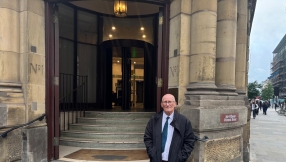
Located at 4 Charles Street, the restored Georgian townhouse was home to Wesley, his wife Sarah Gwynne, and their children from 1766 to 1771. The family later moved to London, but Wesley continued to use the Bristol property during visits until at least 1782.
The house has been accessible only to pre-booked groups for the past year. It is now open for general admission, with tickets starting at £8. A combined ticket costing £13 includes entry to both the Charles Wesley House and John Wesley’s New Room – the oldest Methodist chapel in the world.
Visitors can explore six restored rooms, including the parlour, music room, study, kitchen, and two bedrooms. The house is furnished in 18th-century style and features displays on the Wesleys' lives, their family history, and the legacy of the Methodist movement.
Charles Wesley was a key figure in the founding of Methodism alongside his brother John. He is best known for writing and contributing to more than 6,000 hymns, many of which remain popular in Christian worship today. These include Hark! The Herald Angels Sing, And Can It Be, O for a Thousand Tongues to Sing, and Christ the Lord Is Risen Today.
The house, built in 1742, may have been designed by George Tully, who was also responsible for the rebuilding of John Wesley’s New Room. It now forms part of Bristol’s wider Methodist heritage trail.
More information and booking details are available at www.newroombristol.org.uk