
The G8 rich countries said on Tuesday they want to work with the nearly 200 states involved in U.N. climate change talks to adopt a goal of at least halving greenhouse gas emissions by 2050.
The final climate communique agreed by the Group of Eight leaders at a summit in northern Japan also said mid-term goals would be needed to achieve the shared goal for 2050, but gave no numerical targets.
The statement puts the focus of fighting global warming on U.N.-led talks to create a new framework for when the Kyoto Protocol expires in 2012, and papers over differences inside the G8 itself. The U.N. talks are set to conclude in Copenhagen in December 2009.
The careful wording of the statement - always the most contentious part of summit negotiations - was also unlikely to satisfy those seeking much more specific targets.
Last year, the G8 club of rich nations - Japan, Britain, Canada, Germany, France, Italy, Russia and the United States - agreed merely to "seriously consider" a goal of halving global emissions by mid-century.
The European Union and Japan have been pressing for this year's summit to go beyond that, and Brussels wanted clear interim targets as well.
But U.S. President George W. Bush has insisted that Washington cannot agree to binding targets unless big polluters such as China and India rein in their emissions as well.
The European Union's executive welcomed the deal on climate change, saying it represented a "new, shared vision" and kept negotiations on track for a global deal in 2009.
"This is a strong signal to citizens around the world," European Commission President Jose Manuel Barroso said on Tuesday, adding the EU's benchmark for success had been achieved.
FOOD AND FUEL
Global warming ties into other big themes such as soaring food and fuel prices being discussed at the three-day meeting at a plush mountain-top hotel on the northern Japanese island of Hokkaido, where 21,000 police have been mobilised.
In another statement released on the second day of the summit, the leaders noted that the world economy faces uncertainty and downside risks, including that posed by a sharp rise in oil prices.
The group also made a thinly veiled call for China to let the yuan's tightly controlled exchange rate appreciate to help reduce global financial imbalances.
"In some emerging economies with large and growing current account surpluses, it is crucial that their effective exchange rates move so that necessary adjustment will occur," the G8 said in the statement.
The leaders also agreed to bring major oil producers and consumers together in a world energy forum to discuss output and prices.
The price of food and of oil, which hit a record high of $145.85 a barrel last week, is taking a particularly heavy toll on the world's poor. A World Bank study issued last week said up to 105 million more people could drop below the poverty line due to the leap in food prices, including 30 million in Africa.
"How we respond to this double jeopardy of soaring food and oil prices is a test of the global system's commitment to help the most vulnerable," World Bank President Robert Zoellick said on Monday. "It is a test we cannot afford to fail."
To help cushion the blow, officials said the G8 would unveil a series of measures to help Africa, especially its farmers, and would affirm its commitment to double aid to give $50 billion extra in aid by 2010, with half to go to the world's poorest continent.
The summit wraps up on Wednesday with a Major Economies Meeting comprising the G8 and eight other big greenhouse gas-emitting countries, including India, China and Australia.
50% OFF

NEWFAST NF-RE523 AC1200 WiFi Extender - 1200Mbps Dual Band Signal Booster & Internet Repeater
$18.5 $36.99
48% OFF
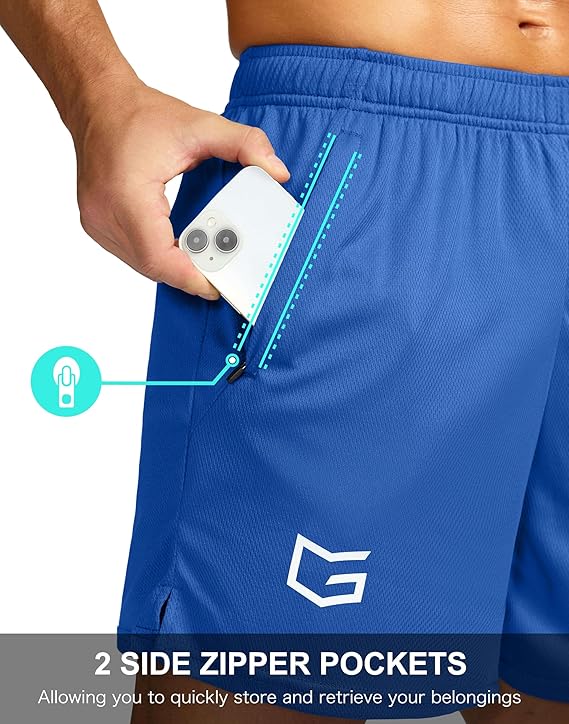
G Gradual Men's 7-inch Workout Running Shorts - Lightweight, Quick-Dry, Comfort
$12.91 $24.99
50% OFF
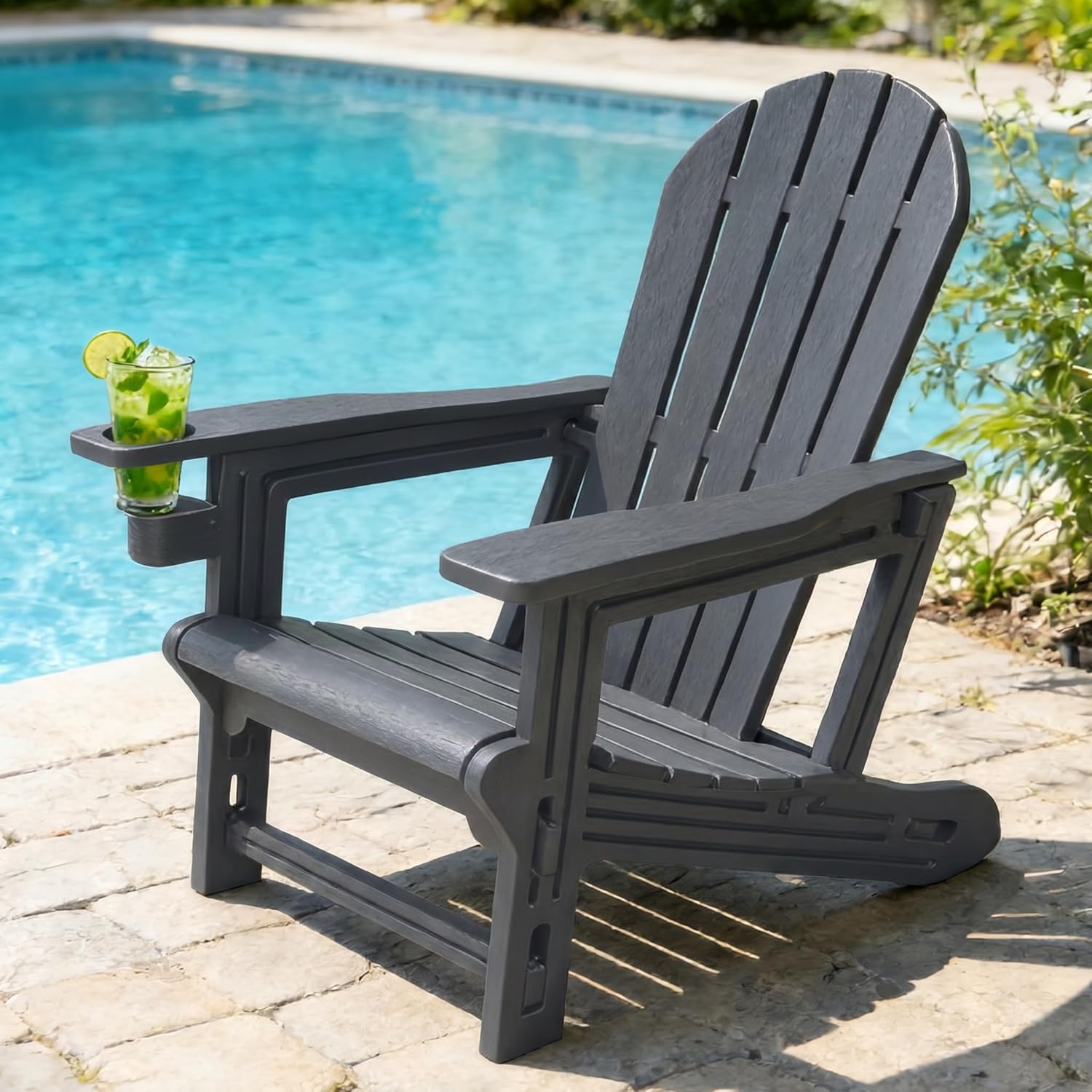
HDPE All-Weather Adirondack Chair with Built-In Cup Holder - Tool-Free Assembly (Grey)
$69.99 $139.99
60% OFF
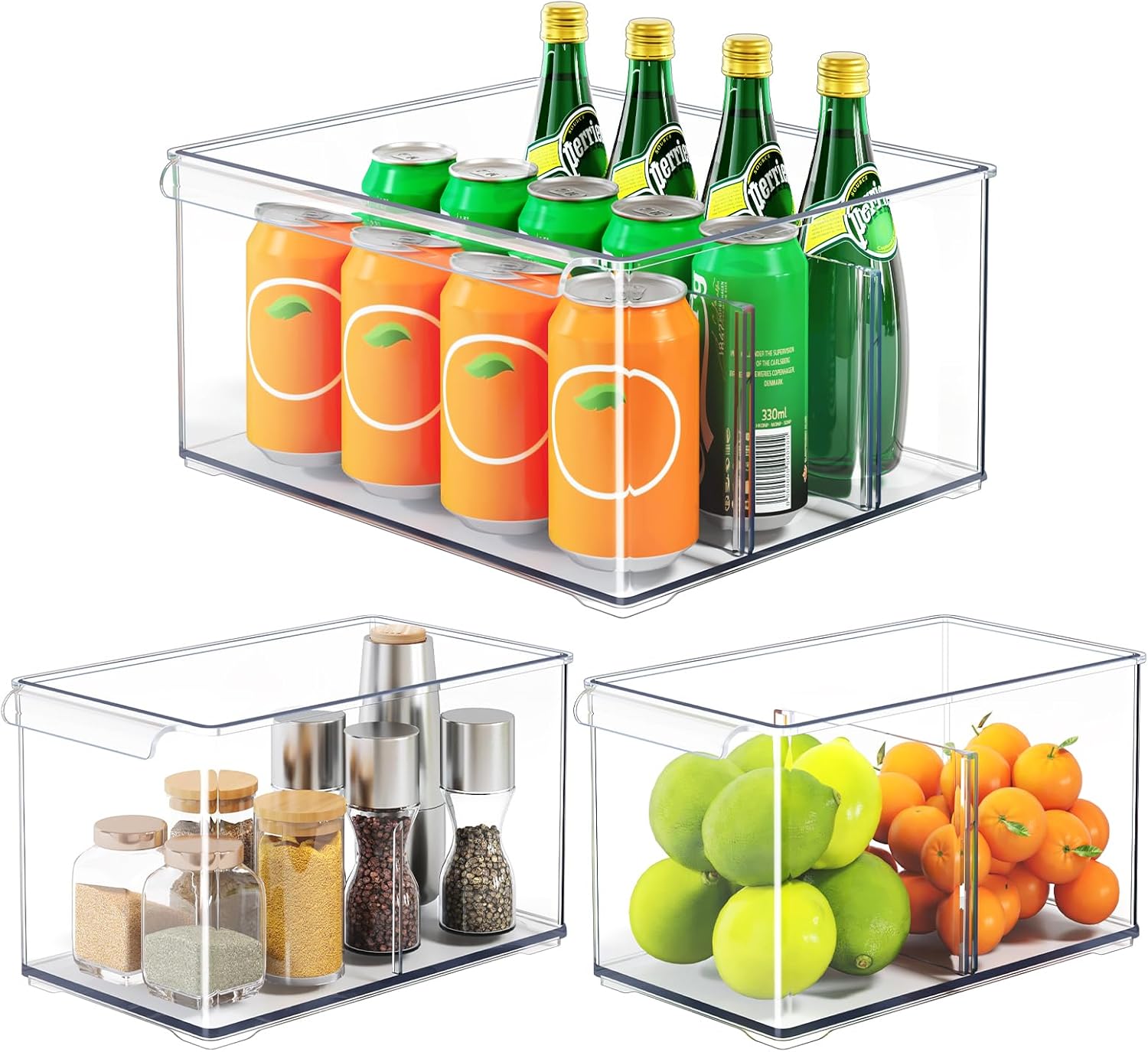
HOMETUK Clear Plastic Storage Bins with Dividers - 3-Pack Stackable Acrylic Organizer Containers for Fridge and Pantry
$19.99 $49.99
58% OFF
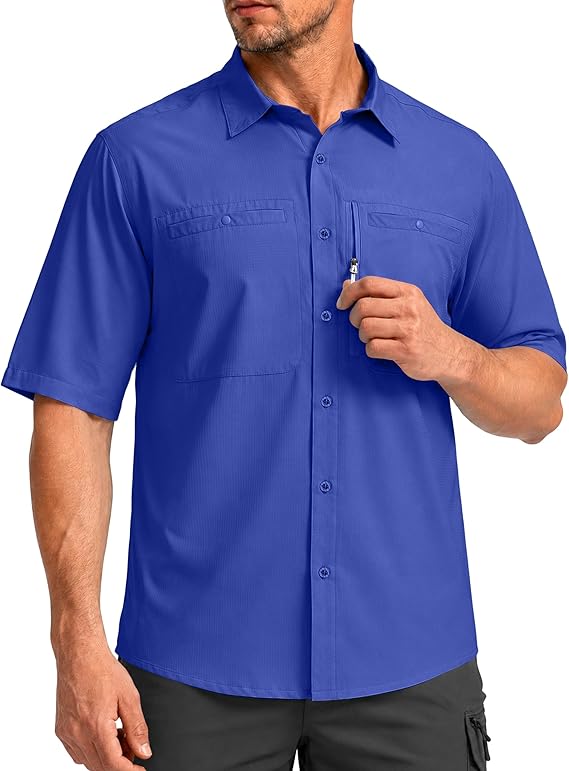
G Gradual Men's Fishing Shirt - UPF 50+ Lightweight Short Sleeve Button Down with Zipper Pockets
$14.99 $35.99
55% OFF
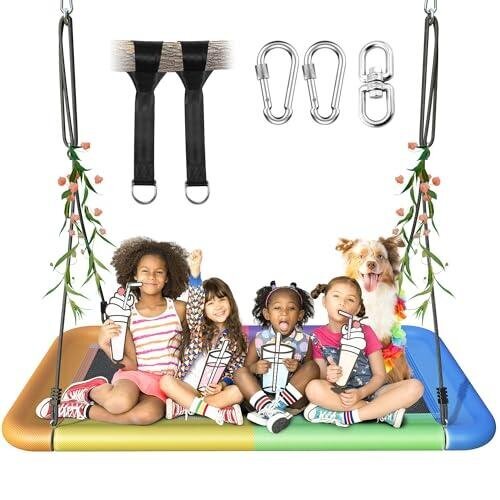
Everyfun 60" Rectangular Platform Tree Swing - 700lbs Heavy Duty Adjustable Outdoor Swing (Colorful)
$49.99 $110.99
61% OFF
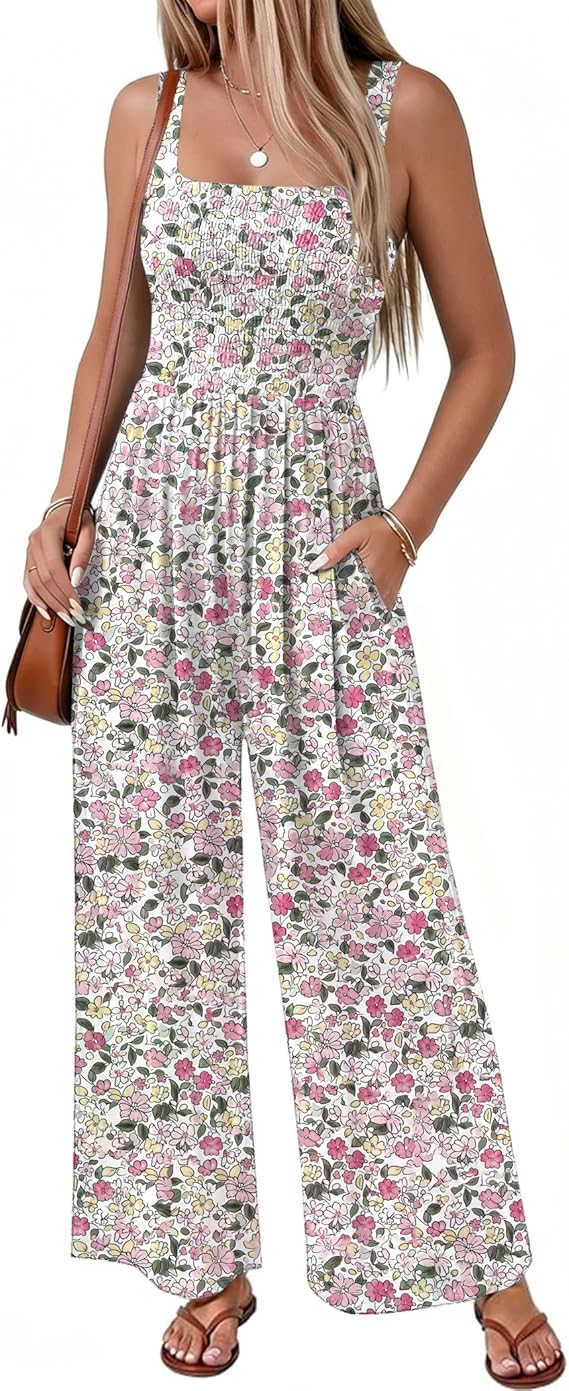
Ekouaer Women's Casual Loose Jumpsuit - One-Piece Printed Sleeveless Wide Leg Romper with Pockets
$14.99 $37.99
40% OFF
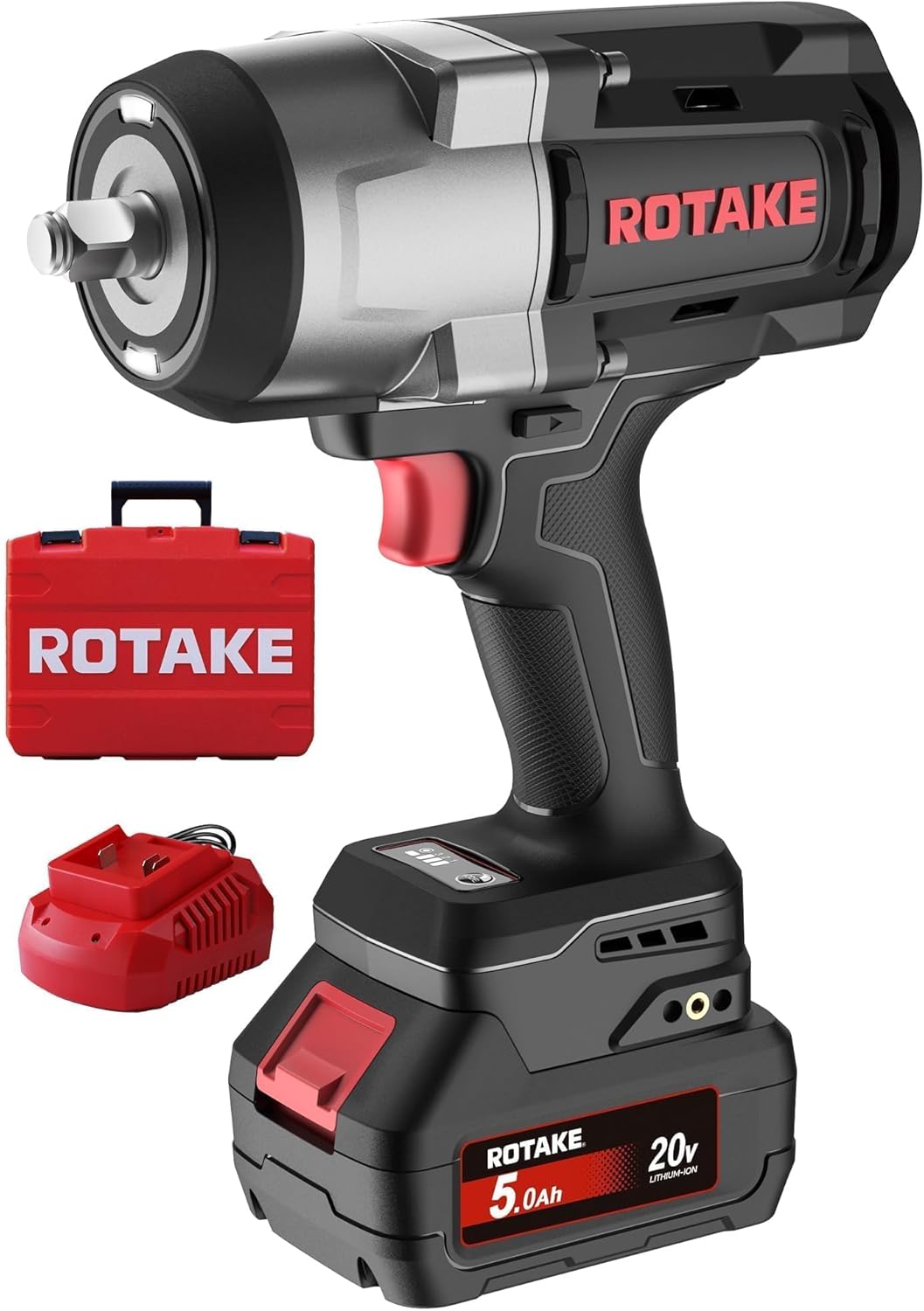
ROTAKE TB3 20V Heavy Duty 1/2" Cordless Impact Wrench Kit - 1380 Ft-Lbs Torque
$132 $219.99
36% OFF
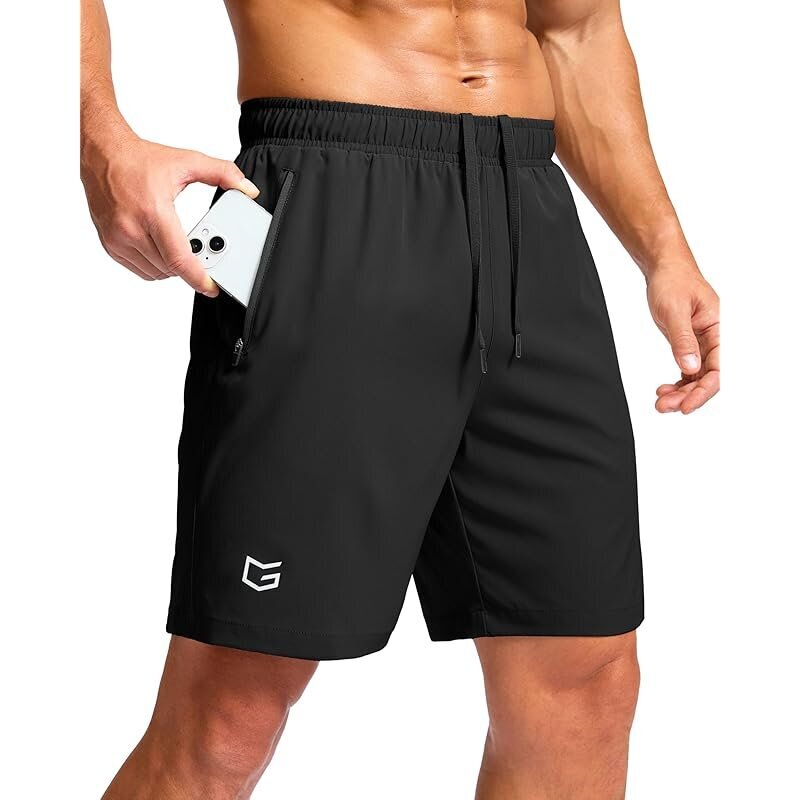
Men's Athletic Running Shorts with Zipper Pockets - Lightweight & Quick Dry
$12.74 $19.99
61% OFF
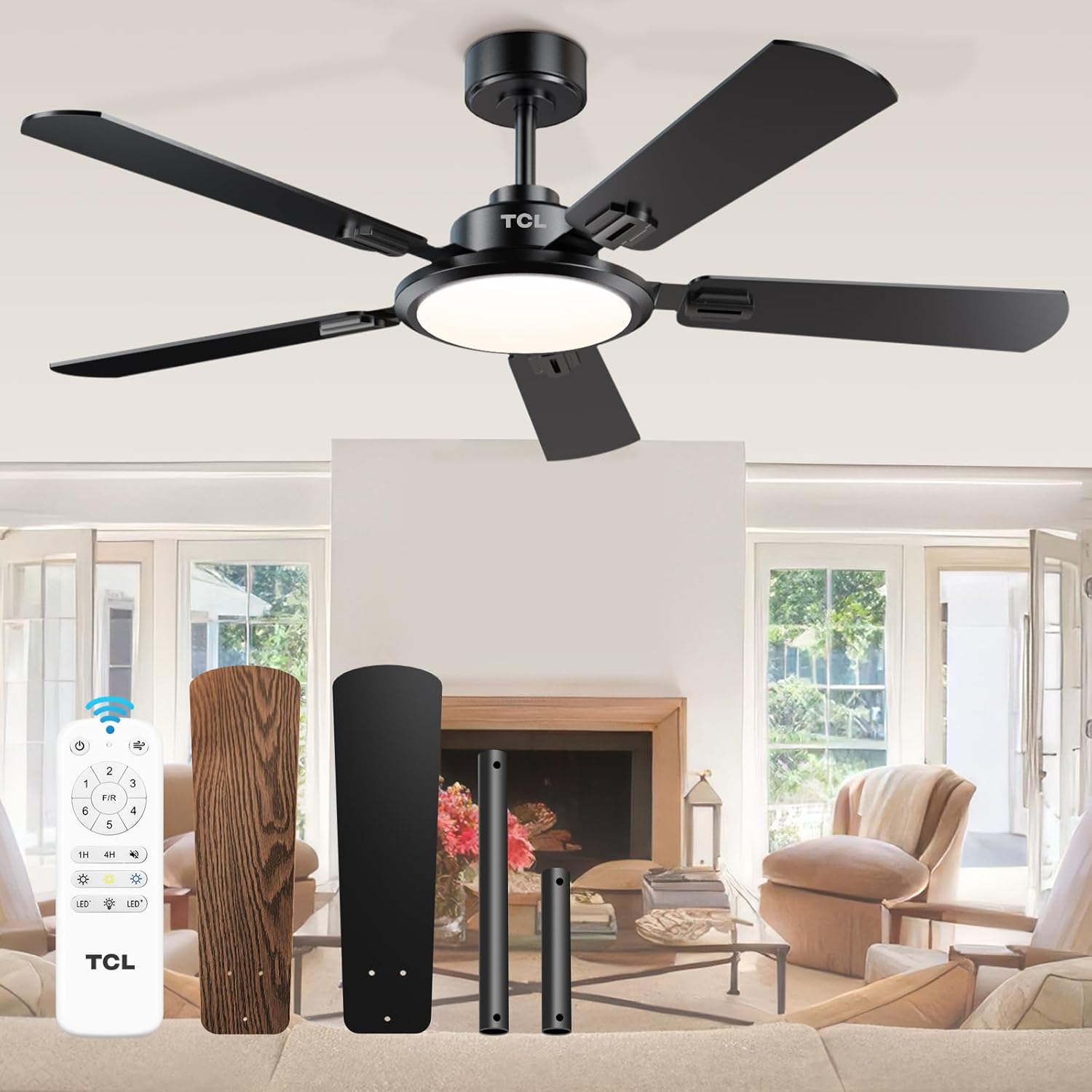
Modern Ceiling Fan with Light and Remote - Reversible Quiet DC Motor
$69.3 $179.99
50% OFF

MOOKA H13 True HEPA Air Purifier for Home Large Room - 1076 sq ft Odor Eliminator
$39.97 $79.95
60% OFF

Ekouaer Women's Satin Silky Pajama Set - Short Sleeve Pullover Top & Wide-Leg Pants
$13.99 $34.99
55% OFF

Ekouaer 3-Piece Maternity & Nursing Pajamas Set - Short Sleeve Top with Shorts and Pants
$14.99 $32.99
11% OFF
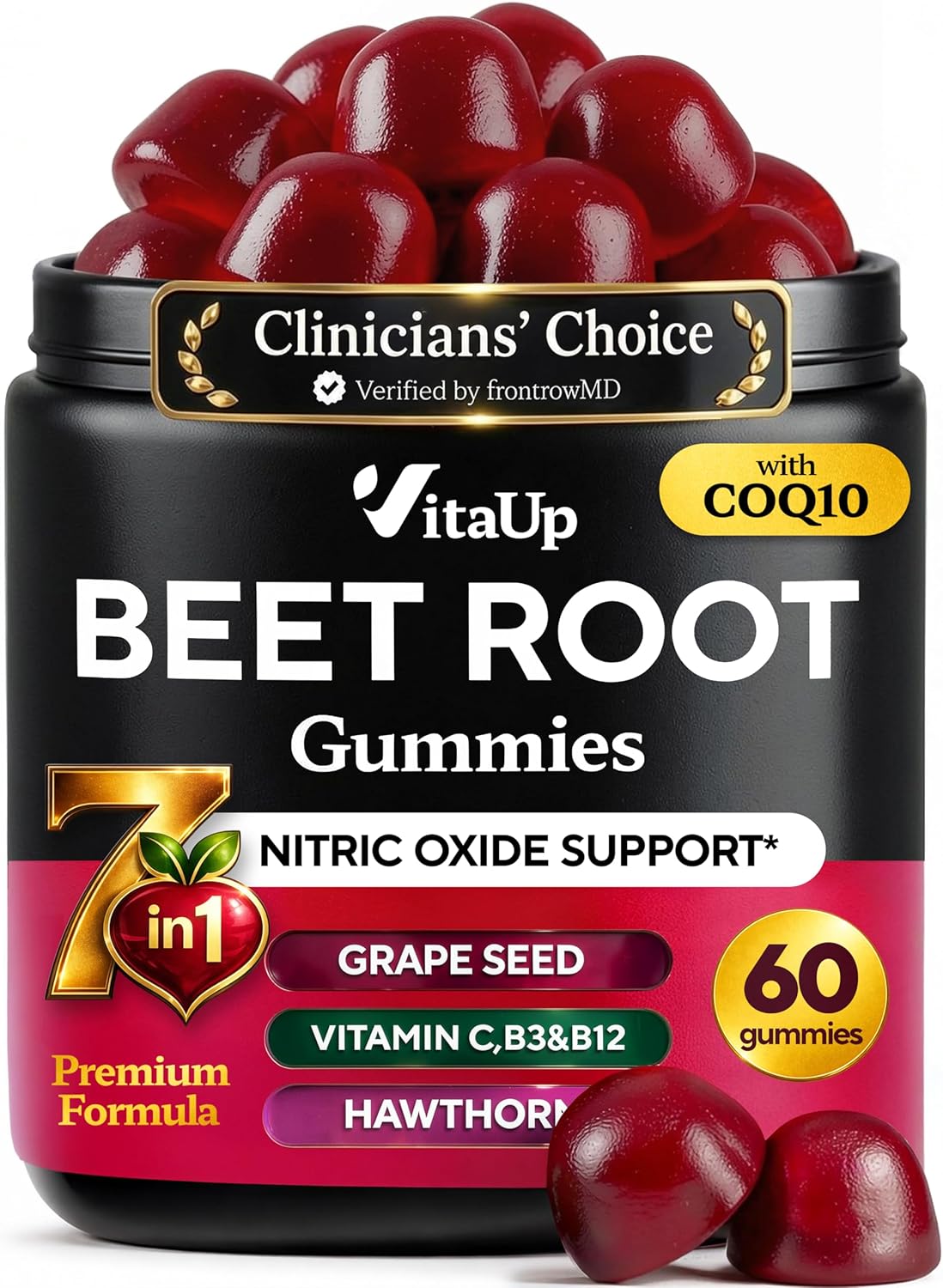
VitaUp Beet Root Gummies with CoQ10 & Grape Seed - Nitric Oxide Circulation Support (60 Count)
$24.91 $27.91
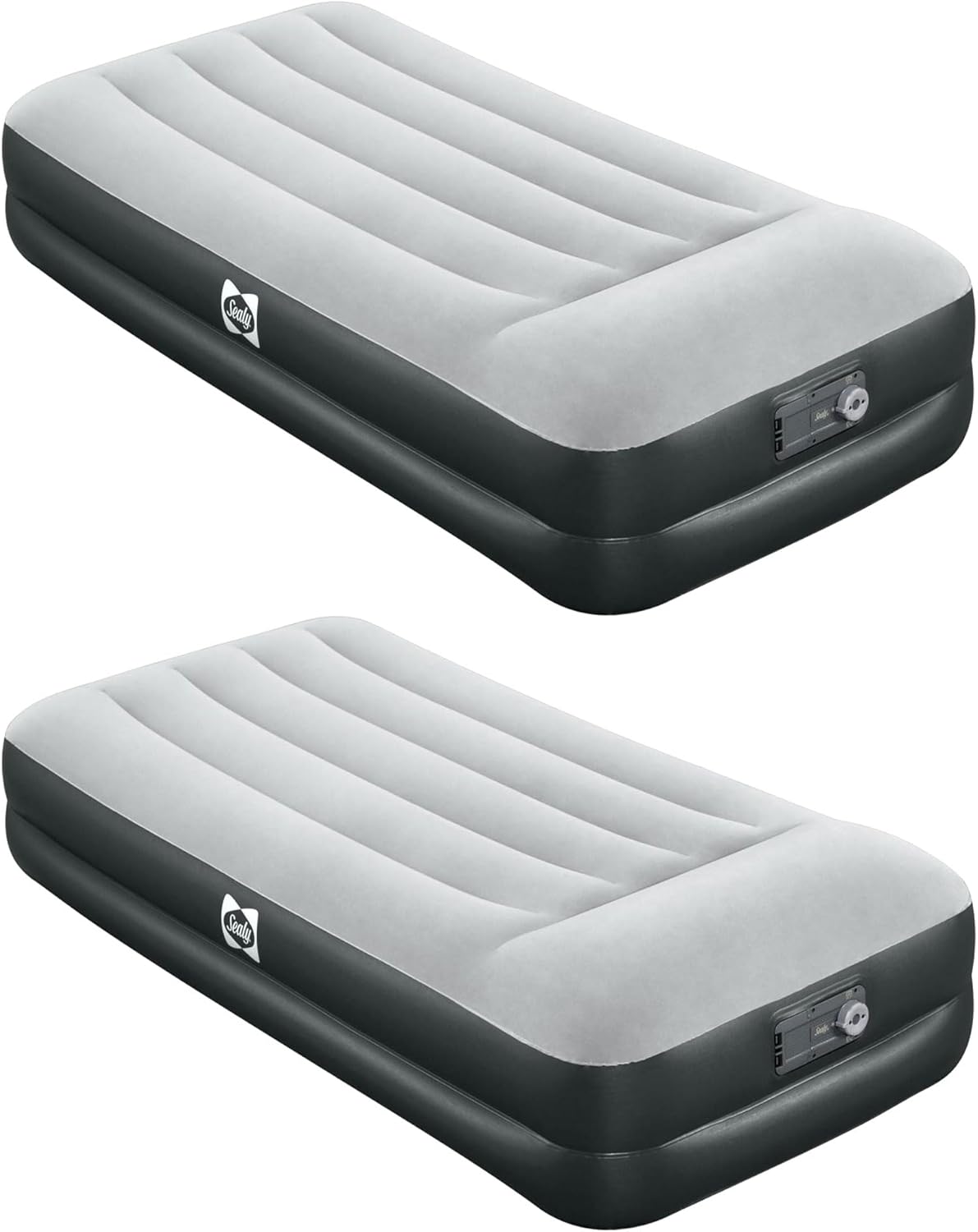
Sealy 2-Pack Tritech 16" Twin Inflatable Air Mattress with Built-in AC Pump
$0 $113.99
20% OFF
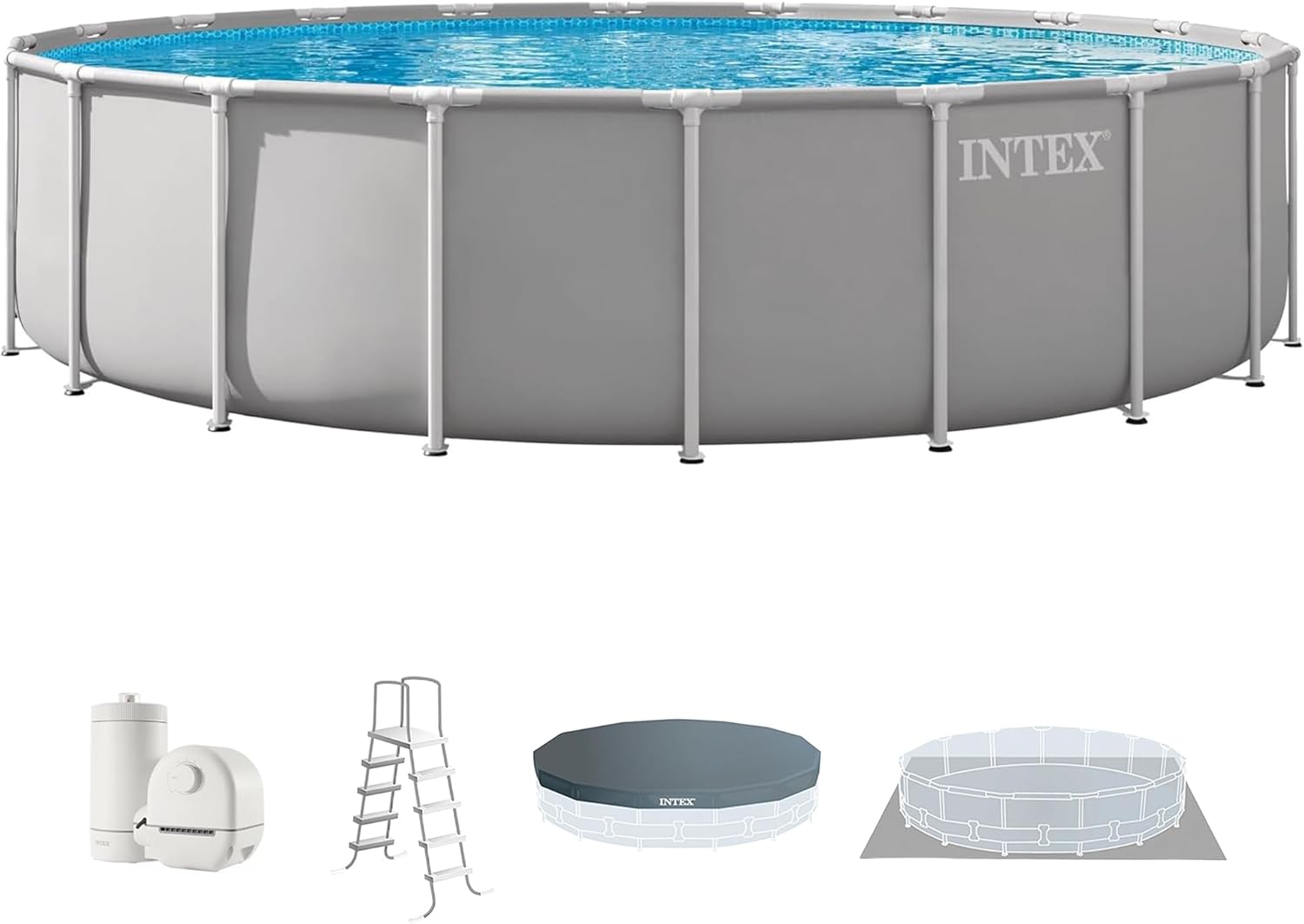
INTEX Prism Frame 20ft x 52in Above Ground Pool Set - Round Steel Frame Swimming Pool
$695.99 $869.99

Gardner Pet 43" Heavy Duty Dog Crate with Wheels - Indestructible Folding Metal Cage (Black)
$0 $149.99
12% OFF

Elegant Mid-Century Modern Bar Stools - Set of 4
$395.99 $449.99
23% OFF

Ergonomic Office Chair - Big and Tall Desk Chair with Adjustable Lumbar Support
$279.99 $363.99
26% OFF

Magnelex American Flag Windshield Sun Shade - High-Resolution UV Reflective Heat Shield (X-Large)
$19.9 $26.9




-

Historic Lancashire church secures £250,000 National Lottery grant for major roof repairs
-

Sunderland Minster PCC was right to push back over trans toilet sign
-

Report warns religious freedom protections in Mexico exist largely ‘on paper’
-

Bethel Church distances itself from Todd Bentley and Mike Bickle
-

Christian police officer reaches settlement over diversity training discrimination claim
-

Turkey's hidden Christian past: Extraordinary discoveries are rewriting the story of early Christianity
Most Popular
related articles
Government says CO2 emissions understated
Government says CO2 emissions understated
Australia could delay emissions trade beyond 2010
Australia could delay emissions trade beyond 2010
EU, greens urge Bush to back 2050 emissions target
EU, greens urge Bush to back 2050 emissions target
African leaders call on G8 to honour aid pledge
African leaders call on G8 to honour aid pledge
News
Pride and the Gospel: the way of self or the way of Christ?
As Christians, our understanding of pride is shaped not primarily by culture, but by Scripture.
Campaign urging greater support for Christian education
Unite for Education founder, Niel Deepnarain, said Christians must be willing to engage publicly with educational issues rather than remain silent.
Welsh reverend speaks of culture of fear over LGBT issues
Many people have already left the Church in Wales over its stance on same-sex relationships, an evangelical leader has said.

Reddit users declare small Welsh church best place in the world
Users voted to eliminate one half of a map until only one location remained.
NEWFAST NF-RE523 AC1200 WiFi Extender - 1200Mbps Dual Band Signal Booster & Internet Repeater
$18.5
G Gradual Men's 7-inch Workout Running Shorts - Lightweight, Quick-Dry, Comfort
$12.91
HDPE All-Weather Adirondack Chair with Built-In Cup Holder - Tool-Free Assembly (Grey)
$69.99
HOMETUK Clear Plastic Storage Bins with Dividers - 3-Pack Stackable Acrylic Organizer Containers for Fridge and Pantry
$19.99
G Gradual Men's Fishing Shirt - UPF 50+ Lightweight Short Sleeve Button Down with Zipper Pockets
$14.99
Everyfun 60" Rectangular Platform Tree Swing - 700lbs Heavy Duty Adjustable Outdoor Swing (Colorful)
$49.99
Ekouaer Women's Casual Loose Jumpsuit - One-Piece Printed Sleeveless Wide Leg Romper with Pockets
$14.99
ROTAKE TB3 20V Heavy Duty 1/2" Cordless Impact Wrench Kit - 1380 Ft-Lbs Torque
$132
Men's Athletic Running Shorts with Zipper Pockets - Lightweight & Quick Dry
$12.74
Modern Ceiling Fan with Light and Remote - Reversible Quiet DC Motor
$69.3
MOOKA H13 True HEPA Air Purifier for Home Large Room - 1076 sq ft Odor Eliminator
$39.97
Ekouaer Women's Satin Silky Pajama Set - Short Sleeve Pullover Top & Wide-Leg Pants
$13.99
Ekouaer 3-Piece Maternity & Nursing Pajamas Set - Short Sleeve Top with Shorts and Pants
$14.99
VitaUp Beet Root Gummies with CoQ10 & Grape Seed - Nitric Oxide Circulation Support (60 Count)
$24.91
Sealy 2-Pack Tritech 16" Twin Inflatable Air Mattress with Built-in AC Pump
$0
INTEX Prism Frame 20ft x 52in Above Ground Pool Set - Round Steel Frame Swimming Pool
$695.99
Gardner Pet 43" Heavy Duty Dog Crate with Wheels - Indestructible Folding Metal Cage (Black)
$0
Elegant Mid-Century Modern Bar Stools - Set of 4
$395.99
Ergonomic Office Chair - Big and Tall Desk Chair with Adjustable Lumbar Support
$279.99
Magnelex American Flag Windshield Sun Shade - High-Resolution UV Reflective Heat Shield (X-Large)
$19.9