
The United Nations urged a summit on the global food crisis on Tuesday to help stop the spread of starvation threatening nearly 1 billion people by lowering trade barriers and removing export bans.
"Nothing is more degrading than hunger, especially when man-made," U.N. Secretary General Ban Ki-moon told world leaders who are likely to disagree over the link between biofuel production and high food prices.
The head of the U.N.'s Food and Agriculture Organisation (FAO), which is hosting the summit, said wealthy nations had been spending billions of dollars on farm subsidies, wasteful and excess consumption of food, and on arms.
" The excess consumption by the world's obese costs $20 billion (10 billion pounds) annually, to which must be added indirect costs of $100 billion resulting from premature death and related diseases," said FAO Director General Jacques Diouf, who is from Senegal.
The World Bank and aid agencies estimate soaring food prices could push as many as 100 million more people into hunger. About 850 million are already hungry.
Ban estimated the "global price tag" to overcome the food crisis would be $15-20 billion a year and that food supply had to rise 50 percent by the year 2030 to meet climbing demand.
"Some countries have taken action by limiting exports or by imposing draft controls," he said. This "distorts markets and forces prices even higher. I call on nations to resist such measures and to immediately release exports designated for humanitarian purposes".
Aid agencies say Japan and China have contributed to high rice prices, which have triggered riots as far away as Haiti, by controlling their stocks. Japanese Prime Minister Yasuo Fukuda promised at the summit to release at least 300,000 tonnes of imported rice from storage to ease the crisis.
The Rome summit will set the tone on food aid and subsidies for the Group of Eight summit in Japan in July and what is regarded as the concluding stages of the stalled talks under the World Trade Organisation aimed at reducing trade distortions.
Countries are working on proposals at the WTO to cut tariffs and subsidies in agriculture as part of a global trade deal.
FOOD TO FUEL
The cost of major food commodities has doubled over the last couple of years, with rice, corn and wheat at record highs. Some prices have hit their highest levels in 30 years in real terms, provoking protests and riots in some developing countries where people may spend more than half their income on food.
The OECD said in Paris on Tuesday that average world food prices will retreat from current peaks but will still be up to 50 percent higher in the coming decade than in the previous 10 years. OECD chief Angel Gurria said high oil prices, "which are part and parcel of food prices", would not ease sharply either.
High oil prices have increased interest in biofuels, which are blamed by many for competing with food output for grains and oilseed and driving up prices. The United States and Brazil, the world's biggest producer of ethanol from sugar cane, are expected to defend biofuels from such accusations at the summit.
The United States is channelling about a quarter of its maize crop into ethanol production by 2022 and the European Union plans to get 10 percent of auto fuel from bio-energy by 2020. Biofuel producers wrote to the world leaders at the Rome summit arguing for diversifying energy sources via biofuels.
"A highly constrained supply of crude oil and petroleum products is wreaking havoc on all countries and markets across the globe, especially with respect to food," they wrote.
U.S. Agriculture Secretary Ed Shafer said before the summit biofuels accounted for only around 3 percent of the total food price rise. Charity Oxfam said it was closer to 30 percent.
Brazilian President Luiz Inacio Lula da Silva said rich nations' "intolerable protectionism" was the main cause of global food inflation.
"Subsidies create dependency, breakdown entire production systems and provoke hunger and poverty where there could be prosperity. It is past time to do away with them," he said.
A distraction from food at the summit was the presence of Zimbabwe's Robert Mugabe and Iran's Mahmoud Ahmadinejad, on his first trip to the European Union. Critics have accused both of contributing to food shortages at home.
49% OFF

MANSPOT Electric Pubic Hair Trimmer - Waterproof Body and Groin Shaver for Men and Women (Black)
$20.39 $40
25% OFF

Lick-Safe Dog Paw and Nose Balm Stick - All-Natural Moisturizer with Coconut Oil for Dry, Cracked Pads and Snout
$11.69 $15.59
77% OFF
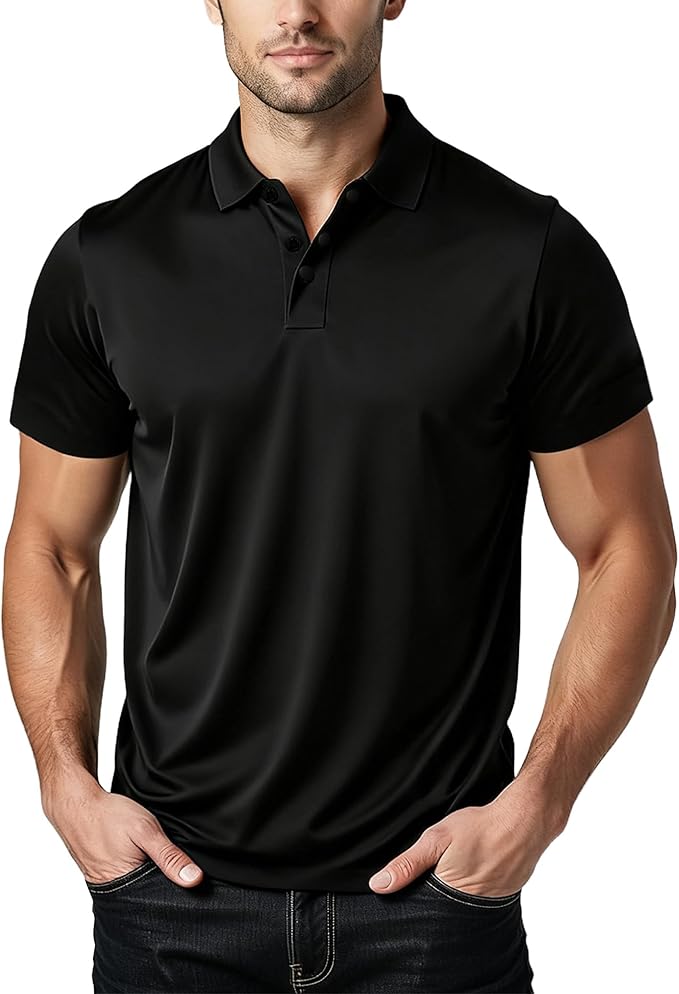
Men's Quick Dry Moisture Wicking Polo Shirt - High Elasticity Slim Fit Athletic Top (Runs Small)
$6.99 $29.99
46% OFF
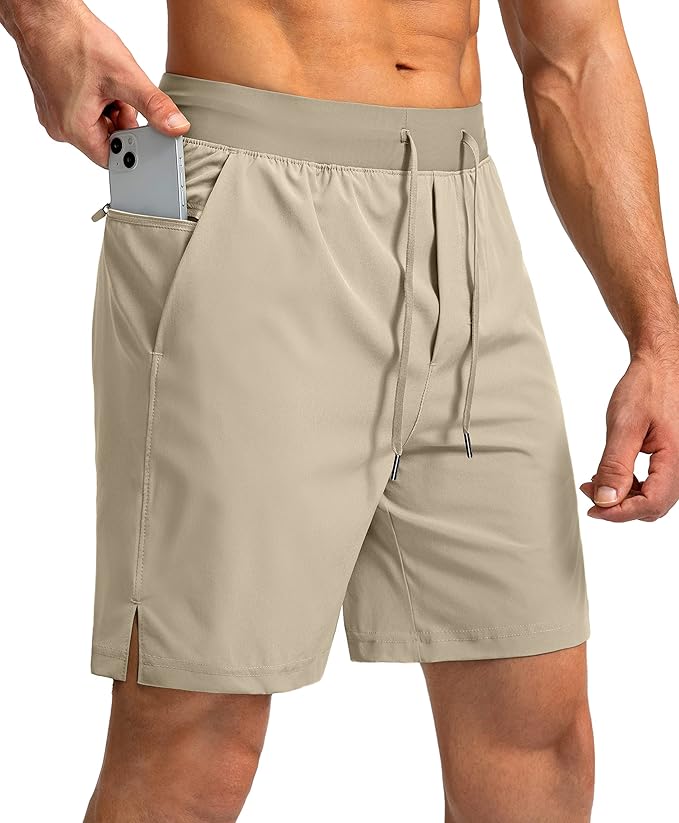
Men's Running Shorts with Zipper Pockets - Lightweight, Quick-Dry, Multi-Sport
$12.95 $23.99
50% OFF

NEWFAST NF-RE523 AC1200 WiFi Extender - 1200Mbps Dual Band Signal Booster & Internet Repeater
$18.5 $36.99
48% OFF

G Gradual Men's 7-inch Workout Running Shorts - Lightweight, Quick-Dry, Comfort
$12.91 $24.99
30% OFF
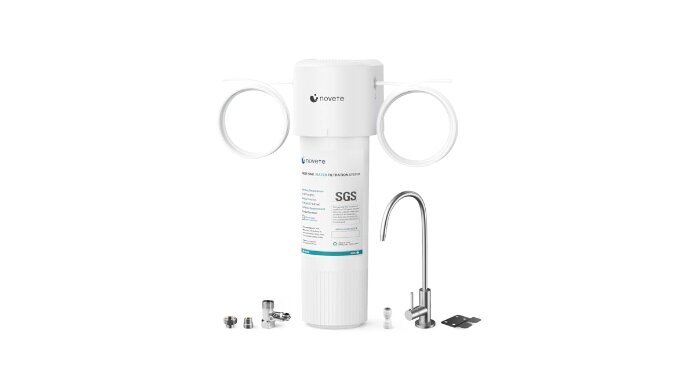
NOVETE Under Sink Water Filter - 3 Years, 30,000 Gallons, High-Efficiency Filtration
$41.99 $59.99
50% OFF

HDPE All-Weather Adirondack Chair with Built-In Cup Holder - Tool-Free Assembly (Grey)
$69.99 $139.99
60% OFF

HOMETUK Clear Plastic Storage Bins with Dividers - 3-Pack Stackable Acrylic Organizer Containers for Fridge and Pantry
$19.99 $49.99
58% OFF

G Gradual Men's Fishing Shirt - UPF 50+ Lightweight Short Sleeve Button Down with Zipper Pockets
$14.99 $35.99
55% OFF

Everyfun 60" Rectangular Platform Tree Swing - 700lbs Heavy Duty Adjustable Outdoor Swing (Colorful)
$49.99 $110.99
61% OFF

Ekouaer Women's Casual Loose Jumpsuit - One-Piece Printed Sleeveless Wide Leg Romper with Pockets
$14.99 $37.99
36% OFF

Men's Athletic Running Shorts with Zipper Pockets - Lightweight & Quick Dry
$12.74 $19.99
61% OFF

Modern Ceiling Fan with Light and Remote - Reversible Quiet DC Motor
$69.3 $179.99
50% OFF

MOOKA H13 True HEPA Air Purifier for Home Large Room - 1076 sq ft Odor Eliminator
$39.97 $79.95
40% OFF

X-Sense XS01-WX Smart Smoke Alarm - 2.4 GHz Wi-Fi Photoelectric Fire Detector with Mobile App Alerts
$65.99 $109.99
11% OFF

VitaUp Beet Root Gummies with CoQ10 & Grape Seed - Nitric Oxide Circulation Support (60 Count)
$24.91 $27.91

Sealy 2-Pack Tritech 16" Twin Inflatable Air Mattress with Built-in AC Pump
$0 $113.99
20% OFF

INTEX Prism Frame 20ft x 52in Above Ground Pool Set - Round Steel Frame Swimming Pool
$695.99 $869.99

Gardner Pet 43" Heavy Duty Dog Crate with Wheels - Indestructible Folding Metal Cage (Black)
$0 $149.99




-

Diary of a CEO’s Steven Bartlett and John Lennox discuss AI, faith and the search for meaning
-

Belfast churches 'heartbroken' over unrest
-

Is there a two-tier Britain?
-

Churches must disciple well and listen well in response to rise of Christian nationalism
-

Welsh reverend speaks of culture of fear over LGBT issues
-

South Wales Police back down on imposing Islamic 'blasphemy law'
Most Popular
News

Anti-Christian hate crimes across Europe surge in May as arson attacks reach 2026 high
Anti-Christian incidents across Europe rose sharply in May, with new figures showing the highest monthly number of arson-related attacks recorded so far this year.

Gloucester churches come together to bless River Avon amid pollution concerns
It is part of a broader campaign against river pollution as concerns remain about the amount of untreated sewage in the Avon.

Life beyond burnout: how Christians can grow in the desert seasons
Christian Today speaks to author and Anglican priest Tish Harrison Warren about growth in desert seasons and why the Church shouldn’t treat all spiritual weariness as a problem to fix.

Iranian-born bishop stands in solidarity with Britain's Jews
2025 had the second highest number of antisemitic incidents on record.
MANSPOT Electric Pubic Hair Trimmer - Waterproof Body and Groin Shaver for Men and Women (Black)
$20.39
Lick-Safe Dog Paw and Nose Balm Stick - All-Natural Moisturizer with Coconut Oil for Dry, Cracked Pads and Snout
$11.69
Men's Quick Dry Moisture Wicking Polo Shirt - High Elasticity Slim Fit Athletic Top (Runs Small)
$6.99
Men's Running Shorts with Zipper Pockets - Lightweight, Quick-Dry, Multi-Sport
$12.95
NEWFAST NF-RE523 AC1200 WiFi Extender - 1200Mbps Dual Band Signal Booster & Internet Repeater
$18.5
G Gradual Men's 7-inch Workout Running Shorts - Lightweight, Quick-Dry, Comfort
$12.91
NOVETE Under Sink Water Filter - 3 Years, 30,000 Gallons, High-Efficiency Filtration
$41.99
HDPE All-Weather Adirondack Chair with Built-In Cup Holder - Tool-Free Assembly (Grey)
$69.99
HOMETUK Clear Plastic Storage Bins with Dividers - 3-Pack Stackable Acrylic Organizer Containers for Fridge and Pantry
$19.99
G Gradual Men's Fishing Shirt - UPF 50+ Lightweight Short Sleeve Button Down with Zipper Pockets
$14.99
Everyfun 60" Rectangular Platform Tree Swing - 700lbs Heavy Duty Adjustable Outdoor Swing (Colorful)
$49.99
Ekouaer Women's Casual Loose Jumpsuit - One-Piece Printed Sleeveless Wide Leg Romper with Pockets
$14.99
Men's Athletic Running Shorts with Zipper Pockets - Lightweight & Quick Dry
$12.74
Modern Ceiling Fan with Light and Remote - Reversible Quiet DC Motor
$69.3
MOOKA H13 True HEPA Air Purifier for Home Large Room - 1076 sq ft Odor Eliminator
$39.97
X-Sense XS01-WX Smart Smoke Alarm - 2.4 GHz Wi-Fi Photoelectric Fire Detector with Mobile App Alerts
$65.99
VitaUp Beet Root Gummies with CoQ10 & Grape Seed - Nitric Oxide Circulation Support (60 Count)
$24.91
Sealy 2-Pack Tritech 16" Twin Inflatable Air Mattress with Built-in AC Pump
$0
INTEX Prism Frame 20ft x 52in Above Ground Pool Set - Round Steel Frame Swimming Pool
$695.99
Gardner Pet 43" Heavy Duty Dog Crate with Wheels - Indestructible Folding Metal Cage (Black)
$0