
|PIC1|Military helicopters dropped food and drinking water to the cyclone-stricken people of Burma's Irrawaddy delta, where entire villages have been virtually washed away, officials said on Wednesday.
The military government said nearly 22,500 people were killed and 41,000 missing in the most devastating cyclone in Asia since 1991 when a storm killed 143,000 in neighbouring Bangladesh.
A doctor in the Irrawaddy delta town of Labutta said villagers had told him thousands died when a series of huge waves slammed into their homes. People clung to trees in a desperate fight for survival.
"All the victims were brought to the town and I asked them, 'How many of you survived?' and they said about 200, 300," Aye Kyu told Australian Broadcasting Corp. radio.
"Then I asked them, 'How many people in your area?' They said about 5,000. The waves were 12, 13, 20 feet high and when the houses were covered in water, they stayed on the roof but the houses were destroyed by strong winds," he said.
In one town alone, Bogalay, 10,000 people were killed, the reclusive military government has said in a town-by-town list of casualties and damage.
As the military's relief operations kicked up a gear, state-run Burma TV showed footage of bedraggled survivors lining up on banks of mud to be flown by helicopter out of some of the worst-hit villages.
Disease, hunger and thirst now pose a major threat to hundreds of thousands of survivors of Cyclone Nargis, aid agencies said.
They urged Burma's military rulers to open the doors to international humanitarian relief as hundreds of thousands are homeless in the swamplands of the delta southwest of the biggest city Yangon, which was also hard hit by last weekend's storm.
Burma TV, the main official source for the number of casualties, on Wednesday re-broadcast Tuesday night's news bulletin. The TV station, monitored outside Burma, reported 22,464 killed and 41,054 missing.
HELICOPTERS DROP SUPPLIES
Other official media reported on Wednesday that military helicopters dropped food and bottled water to villagers in the rice-growing Irrawaddy delta. More than half of Burma's 53 million people live in five worst-hit states, called divisions.
Aid groups and governments, including U.S. President George W. Bush, asked the military to relax their tight grip to allow humanitarian assistance into Burma, which has been ruled by the military for 46 years.
In a rare news conference on Tuesday, Information Minister Kyaw Hsan appealed for help, saying "the government needs the cooperation of the people and well-wishers from home and abroad".
There was some anger on the storm-ravaged streets of Yangon at soaring food prices and long queues for petrol, but the overall mood in the city of five million was of resignation rather than revolution.
Last September, the military violently cracked down on Buddhist monk-led demonstrations, killing 31 people and triggering international outrage.
"There won't be demonstrations," one taxi driver said. "People don't want to be shot."
Government and private offices were unable to function with power cut off and staff absent. Some office workers just sat there in the darkness.
"We can't do anything without electricity," one of the office workers said. "We sit around in the darkness sharing our sufferings and complaints."
A queue of women and children holding buckets and tubs snaked around a corner in Yangon on Wednesday, past a street market where vegetables sold at three times last week's prices despite government appeals to traders not to profit from the disaster.
The U.N.'s World Food Programme began doling out rice in Yangon. The first batch of more than $10 million of foreign aid arrived from Thailand but lack of equipment slowed distribution.
Two more aid flights are due to land from India on Wednesday.
Reflecting the scale of the crisis, the junta said it would postpone by two weeks a constitutional referendum in the worst-hit areas.
However, the referendum, part of the army's much-criticized "roadmap to democracy", would proceed as planned elsewhere on Saturday.
50% OFF

All-Weather HDPE Plastic Adirondack Chair with Cup Holder – Navy Blue
$70 $139.99
50% OFF

7-Color LED Red Light Therapy Mask for Face and Anti-Aging
$29.99 $59.99
49% OFF
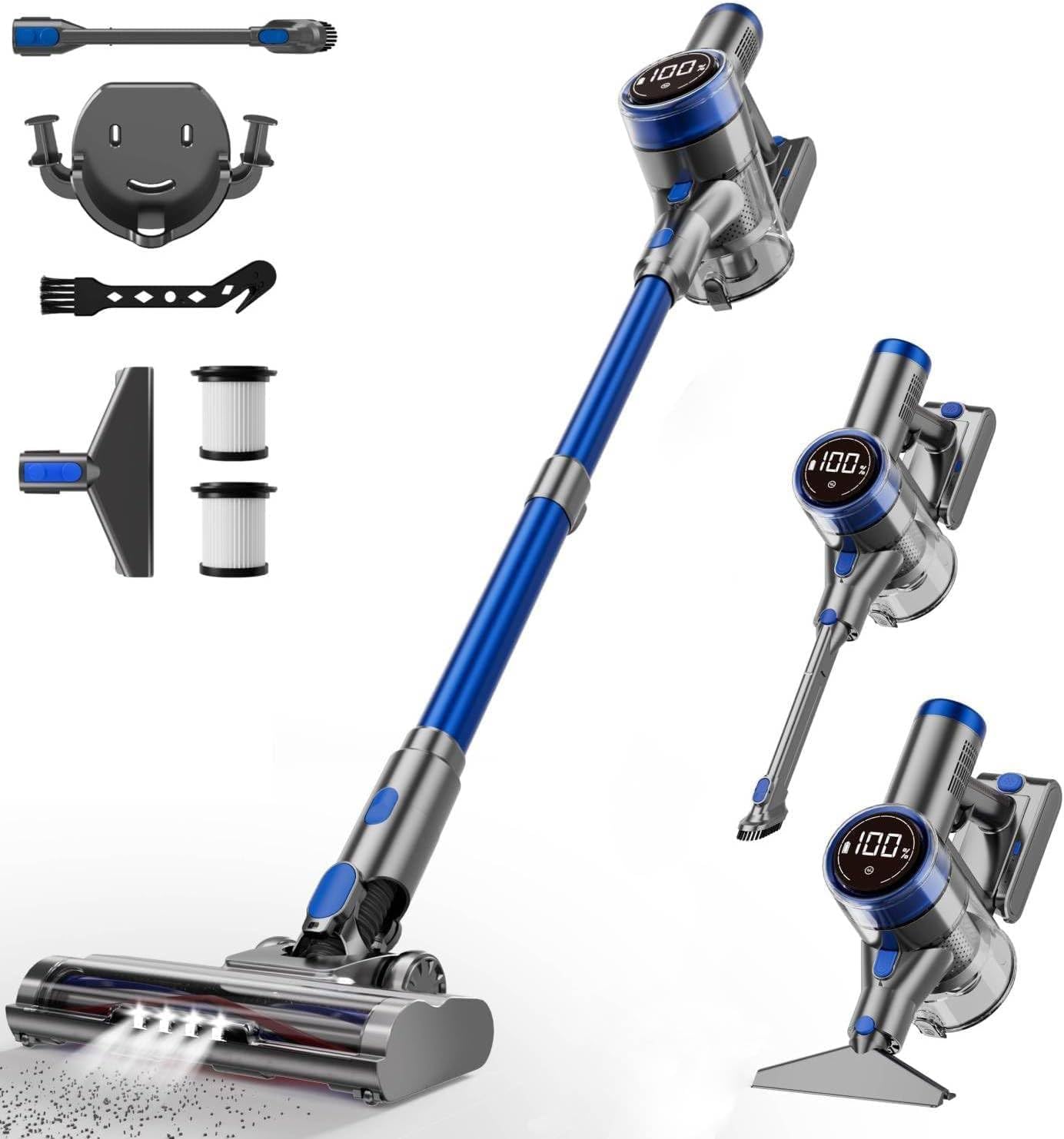
Cordless Vacuum Cleaner - 480W/45Kpa Powerful Stick Vacuum with LED Smart Touch Screen
$55.99 $109.99
20% OFF

Hypoallergenic Pet Wipes for Dogs & Cats - 400 Count Extra Large Coconut Scented Grooming Wipes
$24.79 $30.99
49% OFF

MANSPOT Electric Pubic Hair Trimmer - Waterproof Body and Groin Shaver for Men and Women (Black)
$20.39 $40
25% OFF

Lick-Safe Dog Paw and Nose Balm Stick - All-Natural Moisturizer with Coconut Oil for Dry, Cracked Pads and Snout
$11.69 $15.59
77% OFF

Men's Quick Dry Moisture Wicking Polo Shirt - High Elasticity Slim Fit Athletic Top (Runs Small)
$6.99 $29.99
46% OFF

Men's Running Shorts with Zipper Pockets - Lightweight, Quick-Dry, Multi-Sport
$12.95 $23.99
50% OFF

NEWFAST NF-RE523 AC1200 WiFi Extender - 1200Mbps Dual Band Signal Booster & Internet Repeater
$18.5 $36.99
48% OFF

G Gradual Men's 7-inch Workout Running Shorts - Lightweight, Quick-Dry, Comfort
$12.91 $24.99
30% OFF

NOVETE Under Sink Water Filter - 3 Years, 30,000 Gallons, High-Efficiency Filtration
$41.99 $59.99
50% OFF

HDPE All-Weather Adirondack Chair with Built-In Cup Holder - Tool-Free Assembly (Grey)
$69.99 $139.99
60% OFF

HOMETUK Clear Plastic Storage Bins with Dividers - 3-Pack Stackable Acrylic Organizer Containers for Fridge and Pantry
$19.99 $49.99
58% OFF

G Gradual Men's Fishing Shirt - UPF 50+ Lightweight Short Sleeve Button Down with Zipper Pockets
$14.99 $35.99
55% OFF

Everyfun 60" Rectangular Platform Tree Swing - 700lbs Heavy Duty Adjustable Outdoor Swing (Colorful)
$49.99 $110.99
61% OFF

Ekouaer Women's Casual Loose Jumpsuit - One-Piece Printed Sleeveless Wide Leg Romper with Pockets
$14.99 $37.99
36% OFF

Men's Athletic Running Shorts with Zipper Pockets - Lightweight & Quick Dry
$12.74 $19.99
61% OFF

Modern Ceiling Fan with Light and Remote - Reversible Quiet DC Motor
$69.3 $179.99
50% OFF

MOOKA H13 True HEPA Air Purifier for Home Large Room - 1076 sq ft Odor Eliminator
$39.97 $79.95
40% OFF

X-Sense XS01-WX Smart Smoke Alarm - 2.4 GHz Wi-Fi Photoelectric Fire Detector with Mobile App Alerts
$65.99 $109.99
-

Life beyond burnout: how Christians can grow in the desert seasons
-

New attempt to revive assisted suicide bill faces opposition
-

A Christian reflection on men’s health week: Jesus - the man we were created to be
-

Anti-Christian hate crimes across Europe surge in May as arson attacks reach 2026 high
News
-

Anti-Christian hate crimes across Europe surge in May as arson attacks reach 2026 high
-

Belfast churches 'heartbroken' over unrest
-

South Wales Police back down on imposing Islamic 'blasphemy law'
-

Churches must disciple well and listen well in response to rise of Christian nationalism
-

Welsh reverend speaks of culture of fear over LGBT issues
-

Making cohabitation equal with marriage is 'unfair', Christians argue
Most Popular
News

African Christian leaders demand justice after Mozambican bishop shot dead
Christian leaders across Africa have called for a full investigation into the killing of a Mozambican bishop who was shot dead at his residence.

Lebanese Christians on the brink as peace deal agreed
The Christian population of the Middle East has drastically declined due to ongoing conflict.

A Christian reflection on men’s health week: Jesus - the man we were created to be
As Men’s Health Week reminds us of the challenges many men face, perhaps there is no better time to look again at Jesus Christ. In Him we find not only a model for manhood, but the way to life itself.

Kyiv’s Dormition Cathedral badly damaged in major Russian strikes on Ukrainian capital
Kyiv’s historic Dormition Cathedral, part of the UNESCO-listed Pechersk Lavra monastery complex, caught fire overnight after a wave of Russian missile and drone strikes on the Ukrainian capital.
All-Weather HDPE Plastic Adirondack Chair with Cup Holder – Navy Blue
$70
7-Color LED Red Light Therapy Mask for Face and Anti-Aging
$29.99
Cordless Vacuum Cleaner - 480W/45Kpa Powerful Stick Vacuum with LED Smart Touch Screen
$55.99
Hypoallergenic Pet Wipes for Dogs & Cats - 400 Count Extra Large Coconut Scented Grooming Wipes
$24.79
MANSPOT Electric Pubic Hair Trimmer - Waterproof Body and Groin Shaver for Men and Women (Black)
$20.39
Lick-Safe Dog Paw and Nose Balm Stick - All-Natural Moisturizer with Coconut Oil for Dry, Cracked Pads and Snout
$11.69
Men's Quick Dry Moisture Wicking Polo Shirt - High Elasticity Slim Fit Athletic Top (Runs Small)
$6.99
Men's Running Shorts with Zipper Pockets - Lightweight, Quick-Dry, Multi-Sport
$12.95
NEWFAST NF-RE523 AC1200 WiFi Extender - 1200Mbps Dual Band Signal Booster & Internet Repeater
$18.5
G Gradual Men's 7-inch Workout Running Shorts - Lightweight, Quick-Dry, Comfort
$12.91
NOVETE Under Sink Water Filter - 3 Years, 30,000 Gallons, High-Efficiency Filtration
$41.99
HDPE All-Weather Adirondack Chair with Built-In Cup Holder - Tool-Free Assembly (Grey)
$69.99
HOMETUK Clear Plastic Storage Bins with Dividers - 3-Pack Stackable Acrylic Organizer Containers for Fridge and Pantry
$19.99
G Gradual Men's Fishing Shirt - UPF 50+ Lightweight Short Sleeve Button Down with Zipper Pockets
$14.99
Everyfun 60" Rectangular Platform Tree Swing - 700lbs Heavy Duty Adjustable Outdoor Swing (Colorful)
$49.99
Ekouaer Women's Casual Loose Jumpsuit - One-Piece Printed Sleeveless Wide Leg Romper with Pockets
$14.99
Men's Athletic Running Shorts with Zipper Pockets - Lightweight & Quick Dry
$12.74
Modern Ceiling Fan with Light and Remote - Reversible Quiet DC Motor
$69.3
MOOKA H13 True HEPA Air Purifier for Home Large Room - 1076 sq ft Odor Eliminator
$39.97
X-Sense XS01-WX Smart Smoke Alarm - 2.4 GHz Wi-Fi Photoelectric Fire Detector with Mobile App Alerts
$65.99