
Leaders of different faiths from around the world have been urged to work together in tackling HIV and AIDS.
The meeting brought together some 200 representatives of the Christian, Jewish and Islamic faiths from Africa, Asia and Europe.
Deputy Executive Director of UNAIDS, Jan Beagle asked the leaders to help confront discriminatory laws, such as those that criminalise homosexual relations and sex workers.
She said faith groups could bridge science, culture, religion and communities.
“There is much more that unites us than divides us, in our response to HIV. We are all in this together. Success depends on our collective efforts,” she said.
“Sometimes we can find ourselves with very different perspectives on these thorny issues and we need to strive towards dialogue and approaches that work to save lives, that empower people living with HIV, women, and marginalised groups within societies to take leadership roles within their communities to eliminate stigma, discrimination and violence.”
The General Secretary of the World Council of Churches, the Rev Dr Olav Fykse Tveit, spoke of the need for people of faith to work with HIV sufferers regardless of their theological convictions.
“If we replace HIV in that question with any other disease, why shouldn’t faith compel us to do everything we possibly can to tackle the disease? Our faith compels us to act and not to get stuck in discussions we don’t need, such as about sin,” he said.
The meeting was held on the eve of AIDS2010, a biennial AIDS conference bringing together 20,000 health workers, scientists, academics, grassroots workers and HIV and AIDS sufferers.
Veena O’Sullivan, HIV Unit Manager for Christian development agency Tearfund, said that the church had an unparalleled reach in the developing world, where it is has been a vehicle for mobilising thousands of volunteers to care for HIV and AIDS sufferers.
She stressed the need for the church to engage in the HIV and AIDS without prejudice or discrimination.
“The church’s record is not unblemished. Judgmental attitudes, which see HIV as a punishment for sin and immorality, have contributed to creating another epidemic – of stigma and discrimination,” she said.
“HIV is not a moral judgement but a virus that can affect anyone. It is vital that the church acknowledges and addresses harmful attitudes where they remain.”




-

Edinburgh University ends divinity programmes as theology faces a changing future
-

Why the Archbishop of Canterbury’s award controversy matters
-

More than one in four US Protestant churchgoers believe some biblical truths become outdated
-

Catholicism in France has 'collapsed'
-

Christian leaders issue ‘sober and urgent call’ for Western Church to prepare for disruption
-

Australia's anti-therapy laws harm the most vulnerable - Britain should not copy them
Most Popular
News

Active faith linked to happier marriages and lower divorce rates, study finds
People who regularly attend church are more likely to report happy marriages, according to a new report examining the relationship between faith and family life.
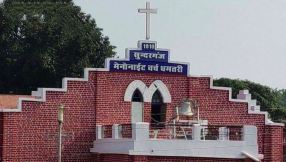
Indian churches fearing anti-conversion laws tell non-Christians: enter at your own risk
Churches in Dhamtari, a town in the central Indian state of Chhattisgarh, have put up notices warning non-Christians that they enter at their own risk, weeks after a law against religious conversion came into force in the state.

£1k bursaries to help churches develop youth and community mentoring programmes
Churches across the UK are being offered bursaries to help them establish mentoring programmes aimed at supporting young people and others in their communities.

World Evangelical Alliance celebrates 180th anniversary
The World Evangelical Alliance (WEA) has held an online celebration to mark its 180th anniversary. Hundreds of people from more than 22 countries attended, and the event was rebroadcast to accommodate different time zones.








