
The U.S. Supreme Court on Wednesday overturned the record $2.5 billion (1.3 billion pounds) in punitive damages that Exxon Mobil Corp had been ordered to pay for the 1989 Exxon Valdez oil spill off Alaska.
The nation's highest court ruled that the punitive damages should be limited to an amount equal to the total relevant compensatory damages of $507.5 million.
In the court's opinion, Justice David Souter concluded that the $2.5 billion in punitive damages was excessive under federal maritime law, and should be cut to the amount of actual harm.
By a 5-3 vote, the justices overturned a ruling by a U.S. Court of Appeals that had awarded the record punitive damages to about 32,000 commercial fishermen, Alaska natives, property owners and others harmed by the nation's worst tanker spill.
Soaring oil prices have propelled Exxon Mobil to previously unforeseen levels of profitability in recent years, posting earnings of $40.6 billion in 2007.
It took the company just under two days to bring in $2.5 billion in revenue during the first quarter of 2007.
The Exxon Valdez supertanker ran aground in Alaska's Prince William Sound in March 1989, spilling about 11 million gallons of crude oil.
The spill spread oil to more than 1,200 miles (1,900 km) of coastline, closed fisheries and killed thousands of marine mammals and hundreds of thousands of sea birds.
A federal jury in Alaska awarded $5 billion in punitive damages in 1994. A federal judge later reduced the punitive damages to $4.5 billion, and the appeals court further cut it to $2.5 billion.
Exxon Mobil, the largest U.S. company by market capitalization, appealed to the Supreme Court, arguing it already has paid more than $3.5 billion for the spill.
In Alaska, Riki Ott, a fisherman and scientist and longtime environmental activist in the Prince William Sound town of Cordova, where most of the area's fishing fleet is concentrated, was disappointed by the ruling.
"We were really counting on punitive damages paying for our long-term losses in the fishery. That's obviously not going to happen," Ott said. "Well, that's an affront to everyone's sense of justice."
Company lawyers have called the $2.5 billion the largest punitive damage award ever affirmed by a federal appellate court, larger than the total of all punitive damage awards upheld by federal appellate courts in U.S. history.
Lawyers for the plaintiffs said the award represented just a few weeks of Exxon Mobil's current net record profits.
The case was decided by eight Supreme Court members. The ninth, Justice Samuel Alito, who owns Exxon Mobil stock, rescued himself from the case.
The dissenting justices were John Paul Stevens, Ruth Bader Ginsburg and Stephen Breyer. Breyer wrote in his dissent that he would have upheld the $2.5 billion award.
Exxon has not set aside any legal reserves for possible damages as the company has argued that it was not possible to predict the ultimate outcome. The ruling will likely take a small bite out of upcoming earnings.
Immediately after the ruling was announced, Exxon Mobil shares dropped around 80 cents, or just less than 1 percent.
The company's shares were down 51 cents at $86.41 in late morning trading on the New York Stock Exchange.
50% OFF
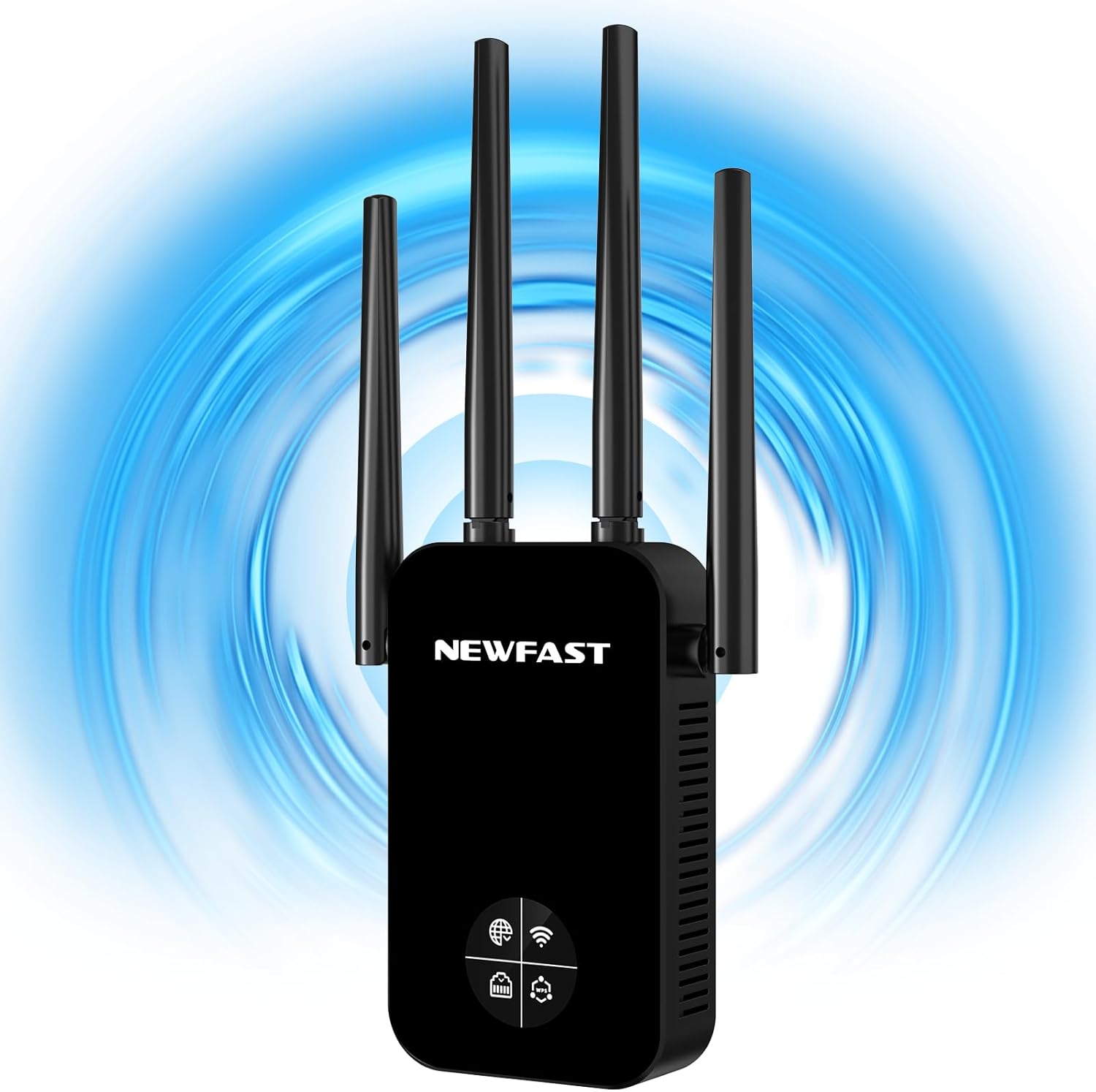
NEWFAST NF-RE523 AC1200 WiFi Extender - 1200Mbps Dual Band Signal Booster & Internet Repeater
$18.5 $36.99
48% OFF
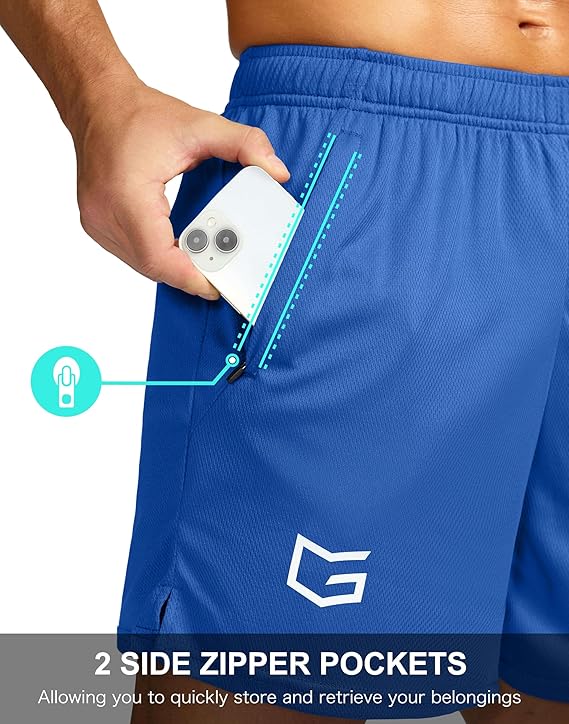
G Gradual Men's 7-inch Workout Running Shorts - Lightweight, Quick-Dry, Comfort
$12.91 $24.99
50% OFF

HDPE All-Weather Adirondack Chair with Built-In Cup Holder - Tool-Free Assembly (Grey)
$69.99 $139.99
60% OFF

HOMETUK Clear Plastic Storage Bins with Dividers - 3-Pack Stackable Acrylic Organizer Containers for Fridge and Pantry
$19.99 $49.99
58% OFF

G Gradual Men's Fishing Shirt - UPF 50+ Lightweight Short Sleeve Button Down with Zipper Pockets
$14.99 $35.99
55% OFF

Everyfun 60" Rectangular Platform Tree Swing - 700lbs Heavy Duty Adjustable Outdoor Swing (Colorful)
$49.99 $110.99
61% OFF

Ekouaer Women's Casual Loose Jumpsuit - One-Piece Printed Sleeveless Wide Leg Romper with Pockets
$14.99 $37.99
40% OFF
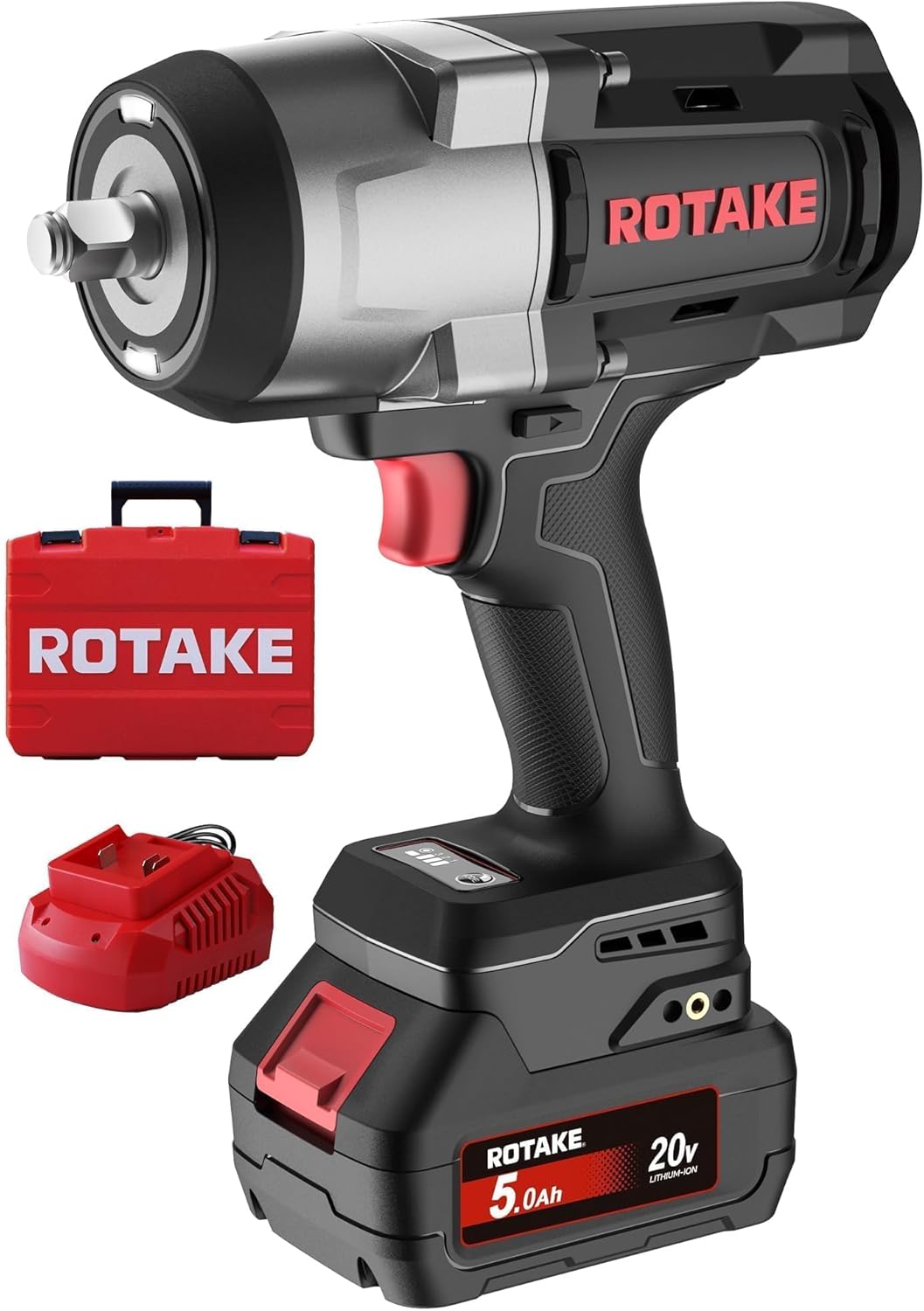
ROTAKE TB3 20V Heavy Duty 1/2" Cordless Impact Wrench Kit - 1380 Ft-Lbs Torque
$132 $219.99
36% OFF

Men's Athletic Running Shorts with Zipper Pockets - Lightweight & Quick Dry
$12.74 $19.99
61% OFF

Modern Ceiling Fan with Light and Remote - Reversible Quiet DC Motor
$69.3 $179.99
50% OFF

MOOKA H13 True HEPA Air Purifier for Home Large Room - 1076 sq ft Odor Eliminator
$39.97 $79.95
60% OFF

Ekouaer Women's Satin Silky Pajama Set - Short Sleeve Pullover Top & Wide-Leg Pants
$13.99 $34.99
55% OFF

Ekouaer 3-Piece Maternity & Nursing Pajamas Set - Short Sleeve Top with Shorts and Pants
$14.99 $32.99
11% OFF

VitaUp Beet Root Gummies with CoQ10 & Grape Seed - Nitric Oxide Circulation Support (60 Count)
$24.91 $27.91

Sealy 2-Pack Tritech 16" Twin Inflatable Air Mattress with Built-in AC Pump
$0 $113.99
20% OFF

INTEX Prism Frame 20ft x 52in Above Ground Pool Set - Round Steel Frame Swimming Pool
$695.99 $869.99

Gardner Pet 43" Heavy Duty Dog Crate with Wheels - Indestructible Folding Metal Cage (Black)
$0 $149.99
12% OFF

Elegant Mid-Century Modern Bar Stools - Set of 4
$395.99 $449.99
23% OFF

Ergonomic Office Chair - Big and Tall Desk Chair with Adjustable Lumbar Support
$279.99 $363.99
26% OFF

Magnelex American Flag Windshield Sun Shade - High-Resolution UV Reflective Heat Shield (X-Large)
$19.9 $26.9




-

Historic Lancashire church secures £250,000 National Lottery grant for major roof repairs
-

Sunderland Minster PCC was right to push back over trans toilet sign
-

Report warns religious freedom protections in Mexico exist largely ‘on paper’
-

Bethel Church distances itself from Todd Bentley and Mike Bickle
-

Christian police officer reaches settlement over diversity training discrimination claim
-

Turkey's hidden Christian past: Extraordinary discoveries are rewriting the story of early Christianity
Most Popular
News

Pride and the Gospel: the way of self or the way of Christ?
As Christians, our understanding of pride is shaped not primarily by culture, but by Scripture.

Campaign urging greater support for Christian education
Unite for Education founder, Niel Deepnarain, said Christians must be willing to engage publicly with educational issues rather than remain silent.

Welsh reverend speaks of culture of fear over LGBT issues
Many people have already left the Church in Wales over its stance on same-sex relationships, an evangelical leader has said.

Reddit users declare small Welsh church best place in the world
Users voted to eliminate one half of a map until only one location remained.
NEWFAST NF-RE523 AC1200 WiFi Extender - 1200Mbps Dual Band Signal Booster & Internet Repeater
$18.5
G Gradual Men's 7-inch Workout Running Shorts - Lightweight, Quick-Dry, Comfort
$12.91
HDPE All-Weather Adirondack Chair with Built-In Cup Holder - Tool-Free Assembly (Grey)
$69.99
HOMETUK Clear Plastic Storage Bins with Dividers - 3-Pack Stackable Acrylic Organizer Containers for Fridge and Pantry
$19.99
G Gradual Men's Fishing Shirt - UPF 50+ Lightweight Short Sleeve Button Down with Zipper Pockets
$14.99
Everyfun 60" Rectangular Platform Tree Swing - 700lbs Heavy Duty Adjustable Outdoor Swing (Colorful)
$49.99
Ekouaer Women's Casual Loose Jumpsuit - One-Piece Printed Sleeveless Wide Leg Romper with Pockets
$14.99
ROTAKE TB3 20V Heavy Duty 1/2" Cordless Impact Wrench Kit - 1380 Ft-Lbs Torque
$132
Men's Athletic Running Shorts with Zipper Pockets - Lightweight & Quick Dry
$12.74
Modern Ceiling Fan with Light and Remote - Reversible Quiet DC Motor
$69.3
MOOKA H13 True HEPA Air Purifier for Home Large Room - 1076 sq ft Odor Eliminator
$39.97
Ekouaer Women's Satin Silky Pajama Set - Short Sleeve Pullover Top & Wide-Leg Pants
$13.99
Ekouaer 3-Piece Maternity & Nursing Pajamas Set - Short Sleeve Top with Shorts and Pants
$14.99
VitaUp Beet Root Gummies with CoQ10 & Grape Seed - Nitric Oxide Circulation Support (60 Count)
$24.91
Sealy 2-Pack Tritech 16" Twin Inflatable Air Mattress with Built-in AC Pump
$0
INTEX Prism Frame 20ft x 52in Above Ground Pool Set - Round Steel Frame Swimming Pool
$695.99
Gardner Pet 43" Heavy Duty Dog Crate with Wheels - Indestructible Folding Metal Cage (Black)
$0
Elegant Mid-Century Modern Bar Stools - Set of 4
$395.99
Ergonomic Office Chair - Big and Tall Desk Chair with Adjustable Lumbar Support
$279.99
Magnelex American Flag Windshield Sun Shade - High-Resolution UV Reflective Heat Shield (X-Large)
$19.9