Evangelicals in the Methodist Church are weighing up whether to stay or go after the Conference voted overwhelmingly in favour of a resolution to permit gay wedding ceremonies in its churches and chapels.
Resolution 59/8 was passed on Wednesday by 254 votes in favour, and 46 against.
It consents in principle to the marriage of same-sex couples on Methodist premises throughout the Connexion and by Methodist ministers, probationers or members.
The resolution is based on the recommendations in God in Love Unites Us, the divisive 2019 report that first proposed gay marriage ceremonies and recognition for co-habiting partners.
Conservative ministers will not be compelled to conduct a same-sex marriage ceremony against their conscience.
However, a request that they be allowed to leave the Methodist Church with their property and assets was rejected.
Earlier in the proceedings, Conference also voted to affirm cohabiting couples.
Conference rejected a separate proposal that further work be done - as recommended by the Church's Faith and Order Committee - before a final vote.
A spokesman for the Methodist Church clarified that the vote does not change official Church doctrine on marriage and that guidance will be coming out shortly for Methodist churches.
He added that the first gay marriages are now expected to take place in the autumn.
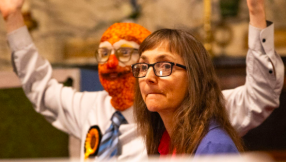
The vote followed an impassioned debate in which supporters argued that the Church was already living with "contradictory convictions" on issues like divorce, and that gay marriage should be no different.
But evangelicals spoke of the possibility of leaving the Church over the issue.
John Izzard, of Southampton District, said, "Members have already left and others are seriously considering their position."
Others said they were determined to remain, come what may.
Paul Smith, of Plymouth and Exeter District, implored evangelical ministers not to resign.
"I believe that there are sufficient safeguards within these resolutions to guard the conscience of those who have scruples about these things, as I do," he said.
"But I will remain, I'm in this for the long haul. The Church would the poorer if you went and we would all be the poorer. This is where you belong."
Sandra Hayward, of Yorkshire North and East District, said the changes are "leading us away from Scripture and are not advancing our avowed aim of spreading Scriptural holiness".
The resolution had been expected to pass at Conference today after receiving the approval of all but one of the regional synods - Shetland, in Scotland.
One evangelical minister, who spoke after the vote on condition of anonymity, said he was nonetheless "very, very saddened" by the outcome and that he was among those now considering leaving the Church.
He added that he was still hopeful evangelical churches would be able to leave with their property and assets, as not being able to do so would leave some congregations "in a really difficult place".
"There's a real sense that the Church has become an increasingly alien place to be a conservative evangelical, and there is a sense that the Church is on a direction of travel which many over the course of this next year or two will probably feel unable to sustain," he said.