
LISBON - Leaders from the European Union and Africa met on Saturday to forge a new strategic partnership at their first summit in seven years, marred by unease over the presence of Zimbabwe's Robert Mugabe.
Pressured by China's growing investment and influence in Africa, the Europeans aim to agree an ambitious action plan with the world's poorest continent to revitalise trade -- but also to improve cooperation in areas like immigration and peacekeeping.
Portuguese Prime Minister Jose Socrates said history had "thrown down the gauntlet and challenged us to work together to write together a completely new page in the relationship between Europe and Africa."
Even before the summit started, differences over getting new trade deals in place and over the attendance of Mugabe -- accused by the West of ruling like a dictator and wrecking his country's economy -- clouded the atmosphere in Lisbon.
British Prime Minister Gordon Brown is boycotting the summit because of Mugabe's presence, depriving the weekend meeting of high-level representation from a major former colonial power in Africa. Czech Prime Minister Mirek Topolanek also stayed away.
The issue of Mugabe, seen by many in Africa as an independence hero, has underlined the difficult relationship between Africa and the former colonial powers, some of whom gave up control only a few decades ago.
"The real significance of this summit must be to lay the foundations of a new partnership based on mutual respect," said John Kufuor, president of Ghana and current chairman of the African Union.
He said meetings like this would help to break and move away from a painful past relationship that included slavery, colonial rule and apartheid. "Europe needs Africa as much as Africa needs Europe."
The call for a fresh start comes at a time when many African countries' economies are growing more rapidly than in several decades, thanks to a commodities-fuelled boom.
CHINESE INVESTMENT
Massive investment by China in Africa in recent years, as Beijing secures raw materials to feed its own booming economy, has added to confidence on the continent and prompted concerns in Europe that it is losing out on opportunities.
Some African states welcome Chinese economic involvement partly because it comes without the calls for recognition of human rights that accompany European trade and aid deals.
"We don't want any paternalism," Moroccan President El Fassi Abbas told reporters as he entered the summit.
The last time leaders convened at this high level was in 2000 in Egypt and host Portugal, which holds the rotating EU presidency, has said it was a historic mistake not to have had a high-level dialogue between the EU and Africa since then.
"The very fact it's the first summit in seven years between a re-organised African Union and an enlarged Europe -- that's 90 percent of the achievement," one European diplomat said.
Human rights and aid groups are pressing leaders to talk less and do more to help end festering conflicts like the one in Sudan's western Darfur region, and reduce poverty across Africa.
The UK charity Save the Children said that almost all the two continents' states were failing on past commitments to dedicate a certain level of spending to aid and healthcare.
"Almost five million children under the age of five die each year in sub-Saharan Africa," said Martin Kirk, Save the Children's Head of Campaigns and Advocacy.
"The only way for millions more children to grow up healthy is for all governments to fulfil their promises to increase health funding, so that essential basic healthcare reaches the poorest children in the poorest communities," he added.
African and European leaders are at odds over the EU's insistence that African states sign new Economic Partnership Agreements by Dec. 31 before the expiry of a World Trade Organization waiver of current preferential treatment.
Some African nations have complained they will face too much competition and are being strong-armed into signing new deals.
"We can't be forced into a straitjacket, it doesn't work like that," Senegalese President Abdoulaye Wade said in an interview with French television.
11% OFF

VitaUp Beet Root Gummies with CoQ10 & Grape Seed - Nitric Oxide Circulation Support (60 Count)
$24.91 $27.91
50% OFF

HDPE All-Weather Adirondack Chair with Built-In Cup Holder - Tool-Free Assembly (Grey)
$69.99 $139.99
60% OFF

HOMETUK Clear Plastic Storage Bins with Dividers - 3-Pack Stackable Acrylic Organizer Containers for Fridge and Pantry
$19.99 $49.99
58% OFF

G Gradual Men's Fishing Shirt - UPF 50+ Lightweight Short Sleeve Button Down with Zipper Pockets
$14.99 $35.99
55% OFF

Everyfun 60" Rectangular Platform Tree Swing - 700lbs Heavy Duty Adjustable Outdoor Swing (Colorful)
$49.99 $110.99
61% OFF

Ekouaer Women's Casual Loose Jumpsuit - One-Piece Printed Sleeveless Wide Leg Romper with Pockets
$14.99 $37.99
40% OFF
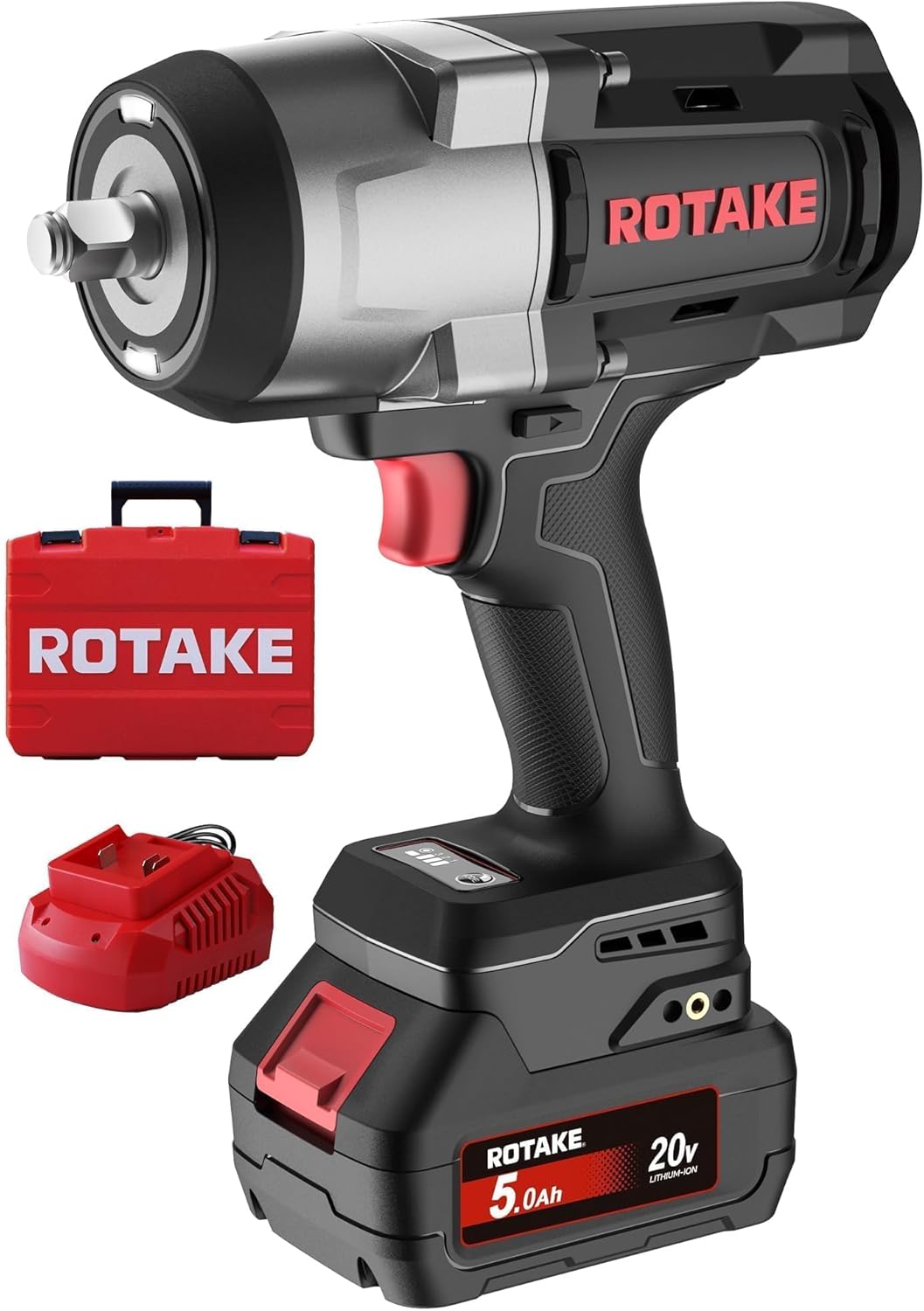
ROTAKE TB3 20V Heavy Duty 1/2" Cordless Impact Wrench Kit - 1380 Ft-Lbs Torque
$132 $219.99
36% OFF

Men's Athletic Running Shorts with Zipper Pockets - Lightweight & Quick Dry
$12.74 $19.99
61% OFF

Modern Ceiling Fan with Light and Remote - Reversible Quiet DC Motor
$69.3 $179.99
50% OFF

MOOKA H13 True HEPA Air Purifier for Home Large Room - 1076 sq ft Odor Eliminator
$39.97 $79.95
60% OFF

Ekouaer Women's Satin Silky Pajama Set - Short Sleeve Pullover Top & Wide-Leg Pants
$13.99 $34.99
55% OFF

Ekouaer 3-Piece Maternity & Nursing Pajamas Set - Short Sleeve Top with Shorts and Pants
$14.99 $32.99

Sealy 2-Pack Tritech 16" Twin Inflatable Air Mattress with Built-in AC Pump
$0 $113.99
20% OFF

INTEX Prism Frame 20ft x 52in Above Ground Pool Set - Round Steel Frame Swimming Pool
$695.99 $869.99

Gardner Pet 43" Heavy Duty Dog Crate with Wheels - Indestructible Folding Metal Cage (Black)
$0 $149.99
12% OFF

Elegant Mid-Century Modern Bar Stools - Set of 4
$395.99 $449.99
23% OFF

Ergonomic Office Chair - Big and Tall Desk Chair with Adjustable Lumbar Support
$279.99 $363.99
26% OFF

Magnelex American Flag Windshield Sun Shade - High-Resolution UV Reflective Heat Shield (X-Large)
$19.9 $26.9
20% OFF
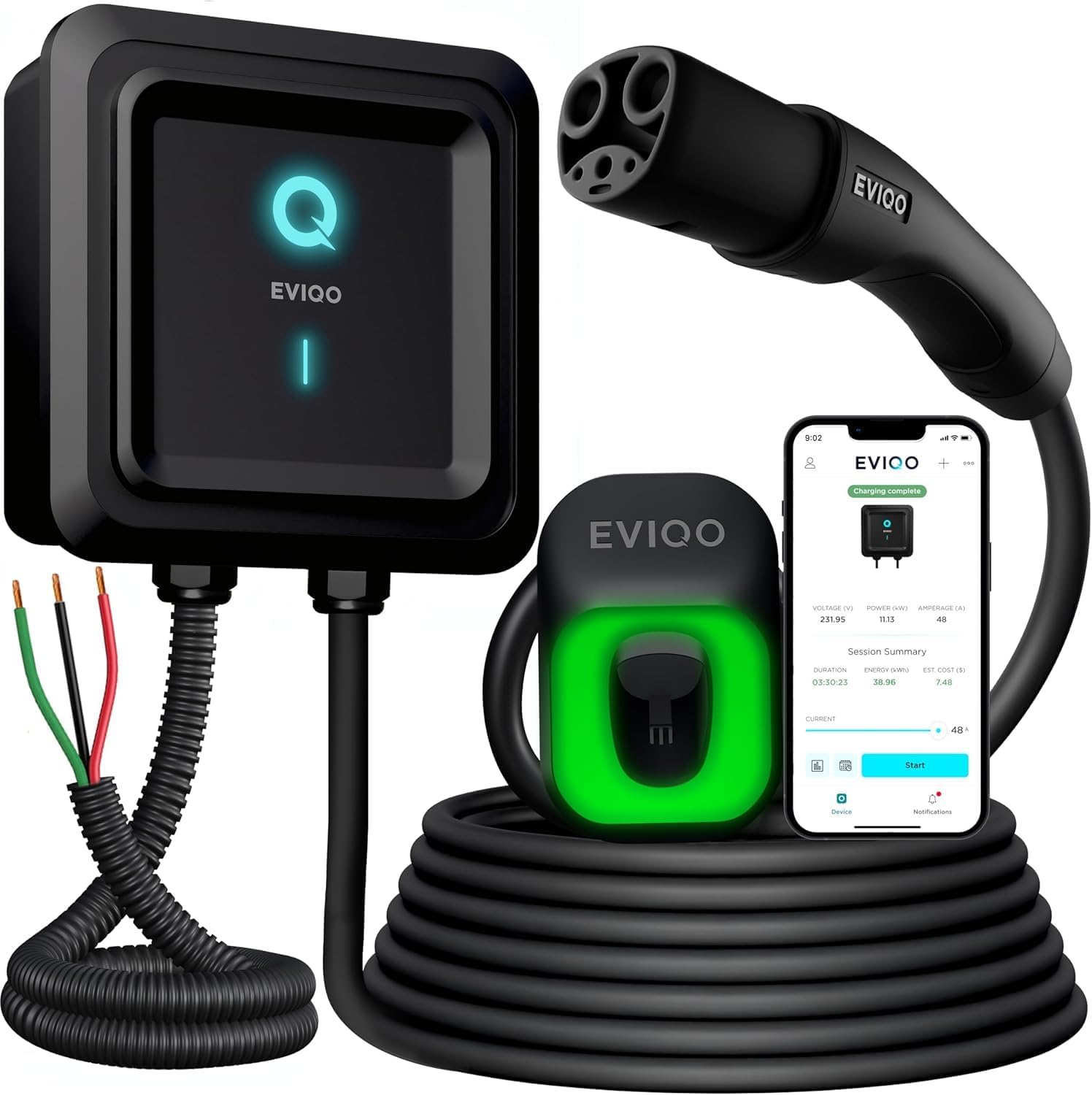
EVIQO 48 Amp NACS Level 2 EV Charger - Hardwired Smart WiFi Wall Charger for Tesla
$368.51 $458.55
50% OFF

DBFIT Air Purifier for Home Large Room
$29.99 $59.99



-

Historic Lancashire church secures £250,000 National Lottery grant for major roof repairs
-
Sunderland Minster PCC was right to push back over trans toilet sign
-

Bethel Church distances itself from Todd Bentley and Mike Bickle
-

Christian police officer reaches settlement over diversity training discrimination claim
-
Turkey's hidden Christian past: Extraordinary discoveries are rewriting the story of early Christianity
-

Washington Archdiocese parts ways with exorcist priest over UFO remarks
Most Popular
News

A Christian response to the crisis facing young people
The Church has a wonderful message of hope to share with young people increasingly feeling a sense of nihilism and hopelessness at the state of the world, writes Tim Farron.

Tributes paid to Operation Mobilisation co-founder Dale Rhoton
Tributes have been paid to Dale Rhoton, one of the co-founders of international mission organisation Operation Mobilisation (OM), after his death at the age of 88.

Doctors should work for good of the patient, not facilitate suicide, says Christian Medical Fellowship
Suicide is always a tragedy that should be resisted, the CMF suggested.

Parents play decisive role in passing faith to the next generation, study finds
Parents who actively practise and discuss their faith at home are significantly more likely to see their children remain committed Christians into adulthood, according to a major new study.
VitaUp Beet Root Gummies with CoQ10 & Grape Seed - Nitric Oxide Circulation Support (60 Count)
$24.91
HDPE All-Weather Adirondack Chair with Built-In Cup Holder - Tool-Free Assembly (Grey)
$69.99
HOMETUK Clear Plastic Storage Bins with Dividers - 3-Pack Stackable Acrylic Organizer Containers for Fridge and Pantry
$19.99
G Gradual Men's Fishing Shirt - UPF 50+ Lightweight Short Sleeve Button Down with Zipper Pockets
$14.99
Everyfun 60" Rectangular Platform Tree Swing - 700lbs Heavy Duty Adjustable Outdoor Swing (Colorful)
$49.99
Ekouaer Women's Casual Loose Jumpsuit - One-Piece Printed Sleeveless Wide Leg Romper with Pockets
$14.99
ROTAKE TB3 20V Heavy Duty 1/2" Cordless Impact Wrench Kit - 1380 Ft-Lbs Torque
$132
Men's Athletic Running Shorts with Zipper Pockets - Lightweight & Quick Dry
$12.74
Modern Ceiling Fan with Light and Remote - Reversible Quiet DC Motor
$69.3
MOOKA H13 True HEPA Air Purifier for Home Large Room - 1076 sq ft Odor Eliminator
$39.97
Ekouaer Women's Satin Silky Pajama Set - Short Sleeve Pullover Top & Wide-Leg Pants
$13.99
Ekouaer 3-Piece Maternity & Nursing Pajamas Set - Short Sleeve Top with Shorts and Pants
$14.99
Sealy 2-Pack Tritech 16" Twin Inflatable Air Mattress with Built-in AC Pump
$0
INTEX Prism Frame 20ft x 52in Above Ground Pool Set - Round Steel Frame Swimming Pool
$695.99
Gardner Pet 43" Heavy Duty Dog Crate with Wheels - Indestructible Folding Metal Cage (Black)
$0
Elegant Mid-Century Modern Bar Stools - Set of 4
$395.99
Ergonomic Office Chair - Big and Tall Desk Chair with Adjustable Lumbar Support
$279.99
Magnelex American Flag Windshield Sun Shade - High-Resolution UV Reflective Heat Shield (X-Large)
$19.9
EVIQO 48 Amp NACS Level 2 EV Charger - Hardwired Smart WiFi Wall Charger for Tesla
$368.51
DBFIT Air Purifier for Home Large Room
$29.99