
Christian relief and development agencies have recommended "concrete changes" in European Community (EC) aid so that a greater impact can be made on the lives of the poor in the South.
CIDSE and Caritas Europa have made the recommendations in a new report released this week at the European Parliament, at an event sponsored by Alain Hutchinson MEP.
CIDSE is an alliance of 15 Catholic development organisations from Europe and North America, and Caritas Europa is the umbrella organisation of the European network of 48 Caritas member organisations, working in 44 European countries. It is one of the seven regions of Caritas Internationalis.
The report "The EU's Footprint in the South: Does European Community development cooperation make a difference for the poor?" looks at how the largest EU donor, the European Commission, measures up. It draws upon research in Bangladesh, Zambia, Cameroon, Ethiopia, Guatemala and Nicaragua.
The analysis shows a mixed picture. "In Cameroon, over two-thirds of EC funding is used for the construction of large international roads. But poor people living in rural areas need smaller roads that connect them with urban areas, if they are to benefit from economic development and access to health services", says Paul Samangassou, the incoming Executive Secretary of Caritas Africa.
"Citizens expect that aid will have a visible impact on the lives of the poor, not just a slow trickle-down effect", he added.
Yet there are positive examples as well. "The European Commission has made efforts in Ethiopia to ensure that its aid improves food security for the greater population. There is also a constructive dialogue with civil society organisations on the priorities for EC aid", underlines Gweneth Barry of the Poverty Action Network Ethiopia.
The report makes concrete recommendations about how the European Commission can make its aid work better for the poor, illustrated by examples of good practice. The Commission should:
- base its aid on developing countries' priorities for poverty reduction;
- better plan for, monitor, and evaluate the real impact of its aid on poverty reduction; and
- improve the participation of Parliaments, civil society and local communities in its aid to reinforce democratic accountability.
Paul Chitnis, President of CIDSE, says: "Some progress has been made towards more effective EC aid. But much more needs to be done so that these precious resources make a visible difference in the lives of people living in poverty".




-

Edinburgh University ends divinity programmes as theology faces a changing future
-

Why the Archbishop of Canterbury’s award controversy matters
-

More than one in four US Protestant churchgoers believe some biblical truths become outdated
-

Catholicism in France has 'collapsed'
-

Christian leaders issue ‘sober and urgent call’ for Western Church to prepare for disruption
-

Australia's anti-therapy laws harm the most vulnerable - Britain should not copy them
Most Popular
News

Active faith linked to happier marriages and lower divorce rates, study finds
People who regularly attend church are more likely to report happy marriages, according to a new report examining the relationship between faith and family life.
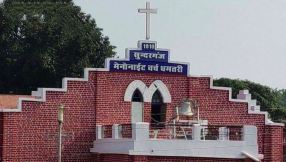
Indian churches fearing anti-conversion laws tell non-Christians: enter at your own risk
Churches in Dhamtari, a town in the central Indian state of Chhattisgarh, have put up notices warning non-Christians that they enter at their own risk, weeks after a law against religious conversion came into force in the state.

£1k bursaries to help churches develop youth and community mentoring programmes
Churches across the UK are being offered bursaries to help them establish mentoring programmes aimed at supporting young people and others in their communities.
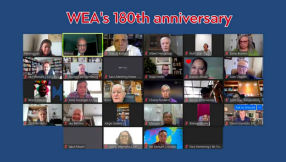
World Evangelical Alliance celebrates 180th anniversary
The World Evangelical Alliance (WEA) has held an online celebration to mark its 180th anniversary. Hundreds of people from more than 22 countries attended, and the event was rebroadcast to accommodate different time zones.








