
A recent survey has revealed a moving trend of religion in the Netherlands. The drift away from the Christian denominations in the Netherlands has continued to increase. Moreover, the degree of commitment to religious observance and Bible usage among the Dutch Christians are declining as well.
The study was carried out by religious sociologist Hijme Stoffels, in collaboration with the Dutch Bible Association, broadcaster NCRV, Amsterdam’s Vrije Universiteit and Trouw. The work was based on a sample group of 1,000 people.
The result was highlighted by the local Liberal Protestant newspaper Trouw, which reported that only 33 percent of the 16 million populations consider themselves part of a Christian Church.
According to the religious allegiances report published by the Central Bureau of Statistics (CBS), Netherlands in 2002, “Almost one third [of the population] is Roman Catholic, 14 percent Dutch Reformed and 7 percent Calvinist. About 8 percent of the population belong to other denominations, including Islam. About 40 percent does not belong to any church.” That meant that approximately six out of ten Dutch people felt they belonged to a church or religious group. This share had been stable for a decade.
In addition, the CBS said a century and a half ago almost everyone belonged to a church or religious group. In 1971, about three quarters of the population still belonged to a church. All these figures compared with the latest surveys reveals an alarming scene in Dutch Christendom can be observed.
A Protestant newspaper reported about bible usage in its latest poll on the Christian community. It was found that Bible ownership in the Netherlands had also dropped from two thirds of the population eight years ago to about half of all households today.
A very interesting trend is revealed. Those who own and read the Bible are not likely to be Church-going Christians or Catholics. Hindu, Buddhist, non-Church going Christians and “New Age” households are the ones who use the Bible more.
Catholics are the one who are most unlikely to have a Bible at home. This can be explained that Catholics are traditionally discouraged by church elders from reading the Bible themselves. Protestant households are more likely to have at least one copy.
It is even more disappointing that people who own the Bible seldom read it as the Bible is being increasingly seen as old-fashioned and of declining religious significance.
The director of the survey Socialist Stoffels therefore concluded, “two thirds of Dutch people are part of the ‘free-floating market’ in terms of religion and belief”.
“They are not secular, but their religious feelings are translating less and less into an association with a religious tradition or church.”
The main Christian denominations in the Netherlands are Roman Catholic, Dutch Reformed and Calvinist churches. The Netherlands has no official religion, but the Reformed Church has had a close association with the Dutch state since the founding of the Dutch Republic. All the country’s monarchs have been members of the Reformed Church.



-

Edinburgh University ends divinity programmes as theology faces a changing future
-

Why the Archbishop of Canterbury’s award controversy matters
-

More than one in four US Protestant churchgoers believe some biblical truths become outdated
-

Catholicism in France has 'collapsed'
-

Christian leaders issue ‘sober and urgent call’ for Western Church to prepare for disruption
-

Australia's anti-therapy laws harm the most vulnerable - Britain should not copy them
Most Popular
News

Active faith linked to happier marriages and lower divorce rates, study finds
People who regularly attend church are more likely to report happy marriages, according to a new report examining the relationship between faith and family life.
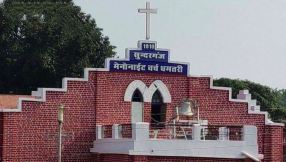
Indian churches fearing anti-conversion laws tell non-Christians: enter at your own risk
Churches in Dhamtari, a town in the central Indian state of Chhattisgarh, have put up notices warning non-Christians that they enter at their own risk, weeks after a law against religious conversion came into force in the state.

£1k bursaries to help churches develop youth and community mentoring programmes
Churches across the UK are being offered bursaries to help them establish mentoring programmes aimed at supporting young people and others in their communities.
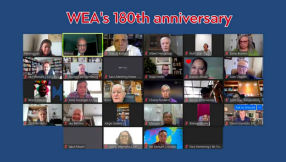
World Evangelical Alliance celebrates 180th anniversary
The World Evangelical Alliance (WEA) has held an online celebration to mark its 180th anniversary. Hundreds of people from more than 22 countries attended, and the event was rebroadcast to accommodate different time zones.








