
An increase in Britons travelling to malaria-infested countries has steadily increased the number of imported cases of the disease over the past 20 years, researchers said on Friday.
These imported cases stem mainly from people travelling to West Africa who often fail to take malaria pills or other preventative measures during their visit, they reported in the British Medical Journal.
"As severe acute respiratory syndrome (SARS) showed, 21st century threats to global public health and travel are inextricably interlinked, and they present ready opportunities for the rapid spread of infectious disease," World Health Organisation Researcher Jane Zuckerman wrote in a commentary.
Malaria infects between 300 million and 500 million people each year, mainly in Africa. The disease kills about 1 million people each year, including a child every 30 seconds.
Malaria is difficult to fight because its complex life cycle allows the parasite to evade drugs. The tiny parasites live and reproduce inside mosquitoes, which spread them when they bite.
The disease has become resistant to some drugs and work on a vaccine has been slow. One effective treatment is artesimin-based therapies like Novartis AG's Coartem.
The study found the number of reported cases of Plasmodium falciparum - the deadliest malaria parasite - jumped from 5,120 between 1987 to 1991 to 6,753 in 2000 to 2006.
Travellers to Nigeria and Ghana accounted for about half of all the imported falciparum cases, Adrian Smith and colleagues from the Health Protection Agency reported.
More importantly only 42 percent of all British residents travelling abroad reported taking pills during their trip, added Peter Chiodini, who worked on the study.
The team analysed the nearly 40,000 reported malaria cases and found that while the overall number each year has remained steady those related to the deadliest form now account for about 64 percent of the total, Chiodini said.
The findings also highlight the need for health officials to relate the dangers of malaria to at risk ethnic minority groups and to consider making anti-malarial drugs available through the National Health Service, he added.
"The overall numbers of malaria cases have remained about the same but the proportion of the dangerous sort has gone up significantly," he said in a telephone interview. "That is the real concern."



-

The dire American political situation: a brief overview for faithful Christians in Britain
-

Conversion therapy ban supporters want prayer to be criminalised - this must not be allowed
-
Why the US election results do not bode well for America
-
Police appeal for witnesses after head smashed off Jesus statue at church war memorial
-
Archaeologists may have discovered identity of mystery skeleton in Westminster Abbey
-

Are we seeing the end of Western civilisation?
Most Popular
related articles
Experimental malaria vaccine works in babies
African babies -- the group most at risk of dying from malaria -- may be protected against the mosquito-borne disease by an experimental vaccine, researchers said on Wednesday.
Doctors say global warming may bring malaria to Britain
Climate change could bring malaria and other diseases to Britain and trigger more frequent heatwaves that will have huge health impacts, doctors said on Thursday.
Rebecca St James joins fight against malaria
Grammy-award winning artist Rebecca St James joined the fight against one of the deadliest killers in Africa by hosting a special Christian radio programme that was released on Friday, World Malaria Day, to raise awareness on the disease.
News
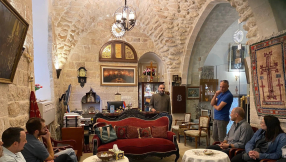
‘Major achievement’ hailed as Israeli officials step in to stop anti-Christian harassment
Harassment against Christian is sometimes justified by appeals to the Jewish religion.

What do Christian young women and men need to know about the opposite sex and themselves?
The first thing that Christian young women and men need to know is that the Bible is the operating manual for humans.
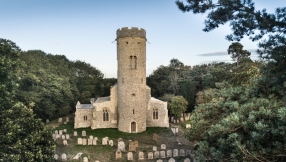
Saxon church saved from Historic England’s ‘at risk’ register after extensive repairs
Historic England has added 197 sites to its Heritage at Risk Register. However it has also managed to save dozens of buildings, including a 1,000-year-old church.
Trump’s midterm defeat and its implications for Christians on both sides of the Atlantic
America’s power and influence on the world stage, combined with Trump’s unpredictability and volatility, is a worrying mix.





