The Church of England's investment bodies have warned that they may sell up their holdings in mining companies, unless boards commit to changing the way they do business.
In a new policy launched by the Church's National Investing Bodies (NIBs), which include the Church Commissioners and the Church of England Pensions Board, officials warned of 'key ethical concerns' over mining practices.
The NIBs said they will review whether 'dialogue and engagement' with companies will lead to change, but added that they may be pushed to divest from companies if their attempts at dialogue are 'rebuffed or clearly not leading to progress'.
The policy, launched today, raised concerns about ownership structures such as joint ventures, which can lead to different corporate reporting standards.
'Companies carry enormous responsibility and joint ventures raise serious questions around standards of reporting and operation,' said Adam Matthews, head of engagement for the Church Commissioners and Pensions Board.
'This policy makes clear that we consider a company to have responsibility for both its direct and in-direct operations and that we will be engaging with them on that basis.'
In what they called 'a distinctively Christian approach to investment in the extractive industries' and the culmination of 'theological reflection' as well as mine site visits, the NIBs said they had ethical concerns over mining companies' 'business conduct'.
The CofE's call for the mining industry to review the governance of joint ventures and tailing dams comes in the wake of the Samarco mine disaster.
In 2015, 19 people died and two villages were destroyed in Brazil when a dam holding back wastewater from a mine collapsed, flooding a river valley; the dam belonged to an iron ore mine run by Samarco.
The Church's new guidelines include closer scrutiny of the legacy companies leave behind when they finish operations; greater commitments to human rights; and a desire for more transparency.
The Church of England said: 'The policy provides a distinctively Christian approach to investment in the extractives industries and is the culmination of theological reflection, expert input, public consultation and site visits to mine sites and communities over a 24-month period. It states that key ethical concerns in the extractive industries are not to be found in extraction in itself, but in business conduct including management of risk, the effects of operation on communities and national economies, and operating standards.'
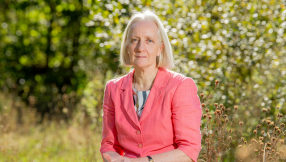
Loretta Minghella, First Church Estates Commissioner, said: 'This policy provides a clear ethical framework to encourage extractive industries to benefit society and the common good. As responsible investors, the Church's National Investing Bodies are committed to robust engagement with companies in the extractives sector.
'This policy recognises that good economic management aligned with strong ethical standards of operation can go hand-in-hand with long term economic sustainability. It also provides clarity about the sorts of concerns which, left unresolved, could ultimately lead to disinvestment.'
Matthews added: 'Companies carry enormous responsibility and joint ventures raise serious questions around standards of reporting and operation. This policy makes clear that we consider a company to have responsibility for both its direct and in-direct operations and that we will be engaging with them on that basis.
'In addition, this policy also makes clear the ethical importance we attach to respect for the world's protected areas such as world heritage sites.'
The Bishop of Manchester, David Walker, acting chair of the Church of England Ethical Investment Advisory Group said: 'Strong returns to support our beneficiaries can go hand in hand with robust and transparent ethical investment policies. Our approach to policies like this is grounded in theology and is also practical and seeks to ensure we play our role as a faith investor in supporting those companies that seek to improve their practice and play their part in contributing to the good of society.'