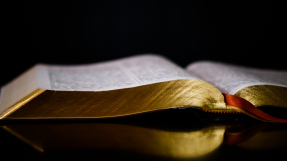
China appears to have removed the Bible from online retailers in a further sign of its clampdown on religious freedom.
The authoritarian state has always controlled the sale of Bibles, only permitting them to be distributed by state-sanctioned churches, but now officials appear to have taken that restriction further by curbing their availability online.
Searches for 'Holy Bible' came back empty on JD.com and on amazon.cn the main text is not available although study guides and the Koran are, according to CNN.
China's biggest online marketplace, Taobao, results came back for 'baby food bible' and the 'autoimmune disease healing bible,' but not the actual scriptures, according to the broadcaster.
Religious practice is closely controlled in China and particular focus is on its relations with the Catholic Church amid reports of an impending deal between Beijing and the Vatican. Relations broke down between the two in 1951 and the plans would see a resolution to the contentious issue of who gets to appoint bishops.
China refuses to allow foreign influence over religion so appoints bishops to the state-sanctioned Catholic church but the pope has, until recently, appointed bishops to the so-called underground church.
Sarah Cook, senior research analyst for East Asia at Freedom House, said the sales ban 'is an important example of how internet censorship intersects with restrictions on religious freedom'.
'Sensitive religious topics and groups are among the most censored in China,' she told CNN. 'In our research we found the Chinese authorities increasingly using more high-tech methods to control religion and punish believers -- including surveillance and arrest of believers for sharing information online.'
However she added it could alienate mainstream Chinese Christians who are 'otherwise apolitical...and perhaps encouraging them to jump the Great Firewall or seek out extralegal avenues for obtaining a copy of the Bible.'