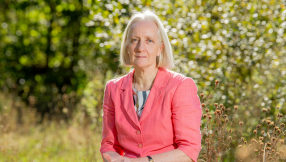
The chairman of the Royal College of Physicians' ethics committee has parted ways with the organisation after it adopted a neutral position on the legalisation of assisted suicide.
The RCP's decision to abandon its traditional opposition to legalising assisted suicide has been hugely contentious among its own membership.
Its ethics committee chair, Professor Albert Weale, said he was leaving because the decision was "unfair", The Telegraph reports.
"There seems to be no chain of coherent reasoning leading to the council's own position – a situation I regret deeply," he said.
He also criticised a poll of RCP members on assisted suicide that was held prior to the change being announced. The poll triggered a backlash because the RCP said it would change to a neutral position if it was unable to secure a super-majority of 60 per cent in favour of one particular stance.
RCP members were asked if they were in favour of a change to the law, against, or wanted the organisation to stay neutral.
While nearly a third saying they supported changing the law, 42 per cent voted against and only 25 per cent backed the RCP going neutral.
RCP president Professor Andrew Goddard told the newspaper he was "saddened" by Professor Weale's resignation as well as that of two other committee members who have followed him.
He also defended the change in the RCP's position, saying that the organisation "should be within the debate and that neutral was the most appropriate position for the RCP to adopt".
Christian advocacy group CARE is among the critics of the new position and has said that "neutrality will be interpreted by many as a green light for assisted suicide laws".