A bishop in flood-hit Mozambique has warned of greater suffering if the flooding disaster that has displaced around 70,000 people is not properly addressed.
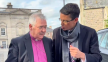
Bishop of Lebombo Diocese in southern Mozambique, the Rt Reverend Dinis Salomão Sengulane said in a recent statement sent to supporters, "The situation is dramatic and it calls for our response if we are to avoid more damages to the lives of people."
The bishop's plea comes after devastating floods hit Mozambique following severe rains in southern Africa during the past two weeks.
The United Nations reports that at least 36 people have died and nearly 70,000 have been displaced because of flooding in the country.
However the figure of those displaced is expected to rise to over 100,000 when the flood reaches the city of Xai Xai.
Meanwhile, a report on the circulated to Anglicans by the Diocese of London which has a diocesan link with Mozambique revealed that, in Maputo alone, "a thousand homes were destroyed along with some schools, roads, and sewage and water distribution systems.
"Waters as high as eight metres are expected which will sever the main road connection between the north and the south."
Bishop Sengulane explained that the floods would subsequently affect food security in the country. He said, "Many hectares of fields in Gaza, Sofala, Inhambane and Manica Provinces are flooded so all crops and seeds have been completely lost."
The bishop is also concerned about the possible emergence of illnesses associated with stagnant floodwater. He said, "stagnant waters will become favourable places for the proliferation of mosquitoes that bring malaria."
In his statement, he outlined various areas and items that should be focused on when providing relief to affected areas. "We need to provide mosquito nets to prevent malaria," he said. "[People] also need seeds and school materials for children."
Around Maputo people have lost houses and land. A lot have fled to higher grounds for safety but it is not clear how many are still trapped in remote areas where emergency teams are struggling to gain access.
The in-country disaster response has seen the UN collaborating with the Mozambican government to provide the people with the basic necessities.
UN Humanitarian Coordinator for Mozambique Jennifer Topping, said, "We are rushing in clean water, food, shelter, and humanitarian supplies to Gaza Province, and are ready to send more as needs become clearer."
The Christian Church has also taken the lead in trying to alleviate the suffering of the flood victims in Mozambique with the Mozambique Council of Churches and the Diocese of Lebombo both mobilising funds to "meet the needs of the people".
Mozambique was hit in 2000 by catastrophic flooding caused by heavy rainfall that lasted for five weeks. It made many homeless and approximately 800 people were killed.
Source: Anglican Communion News Service