
|PIC1|President George W. Bush on Thursday announced a suspension of U.S. troop withdrawals from Iraq this summer to allow the military to reassess the security situation, as U.S. air strikes killed 10 people in a Baghdad slum where dozens of people died in clashes this week.
Iraqi police said on Thursday that U.S. air strikes killed 10 people in Sadr City, a militia stronghold in eastern Baghdad where street fighting had eased after four days of clashes that killed close to 90 people.
Bush endorsed a recommendation by his commander in Iraq, Gen. David Petraeus, to complete a limited withdrawal of combat troops by July, but then impose a 45-day freeze of the total at about 140,000 troops before considering more possible cuts.
"I've told him he'll have all the time he needs," Bush said in Washington.
The Sadr City slum has since Sunday been the focal point of battles between security forces and black-masked Mehdi Army militiamen loyal to Shi'ite cleric Moqtada al-Sadr.
The violence is an extension of clashes that erupted in March when Prime Minister Nuri al-Maliki cracked down on the militia in the southern city of Basra. It has coloured a U.S. election-year debate over troop cuts by highlighting the fragility of recent security gains.
In his speech, Bush stepped up his criticism of Iran, accusing it of backing militants behind attacks in Iraq, and said failure in Iraq would embolden both Iran and al Qaeda.
"Iraq is the convergence point for two of the greatest threats to America in this new century: al Qaeda and Iran," Bush said, although he reassured a weary public that the war will end.
"While this war is difficult, it is not endless," he said of the conflict, now in its sixth year.
U.S. Defence Secretary Robert Gates held out the prospect of more troop withdrawals this autumn. "I would emphasize that the hope, depending on conditions on the ground, is to reduce our presence further this fall," he told the U.S. Senate Armed Services Committee.
U.S. STRIKES
Iraqi police said two separate U.S. air strikes on Thursday killed six people and wounded 10 in Sadr City. Lt. Col. Steven Stover, a U.S. military spokesman, confirmed two strikes on a suspected rocket site from a drone plane but said he was unaware of any deaths.
Late on Wednesday, a U.S. helicopter fired two missiles at gunmen in the slum who attacked a joint U.S.-Iraqi security station, killing four, Stover said. Iraqi police and hospital officials said two of the four dead were young boys.
A roadside bomb also killed a U.S. soldier in Baghdad overnight, raising the U.S. military death toll in Iraq to 20 for April, putting this month on track to be the deadliest for American soldiers since September.
U.S. military deaths have averaged roughly one a day over the past six months but that number has doubled in April.
Still, police, the U.S. military and residents said the streets of Sadr City were calmer than in the past four days, when Sadr's militia battled the U.S. and Iraqi military.
"The situation is quieter. We are hearing sporadic gunfire and U.S. combat planes have been flying overhead but the Iraqi military is not in the streets like past days," Sadr City resident Raad al-Humairi said.
"Some shops have opened. People buy what they need and then the shops close again."
For the first time in many days, the U.S. Embassy said the heavily fortified Green Zone in central Baghdad had not sustained rocket or mortar attacks from Sadr's militia.
The Iraqi military plans to lift on Saturday a 2-week-old vehicle blockade in Sadr City that has led to piled-up rubbish and food and medicine shortages in the district of 2 million people.
On Thursday, U.S. and Iraqi forces raided a Sadr office in the town of Numaniya, south of Baghdad, seizing weapons and imposing a curfew, police said.
Under Bush's plan, the military will complete a withdrawal in July of some 20,000 extra combat troops deployed in the past year but then pause before deciding whether more can be pulled out. Bush also said he was reducing combat tours of duty in Iraq and Afghanistan to one year from 15 months.
50% OFF
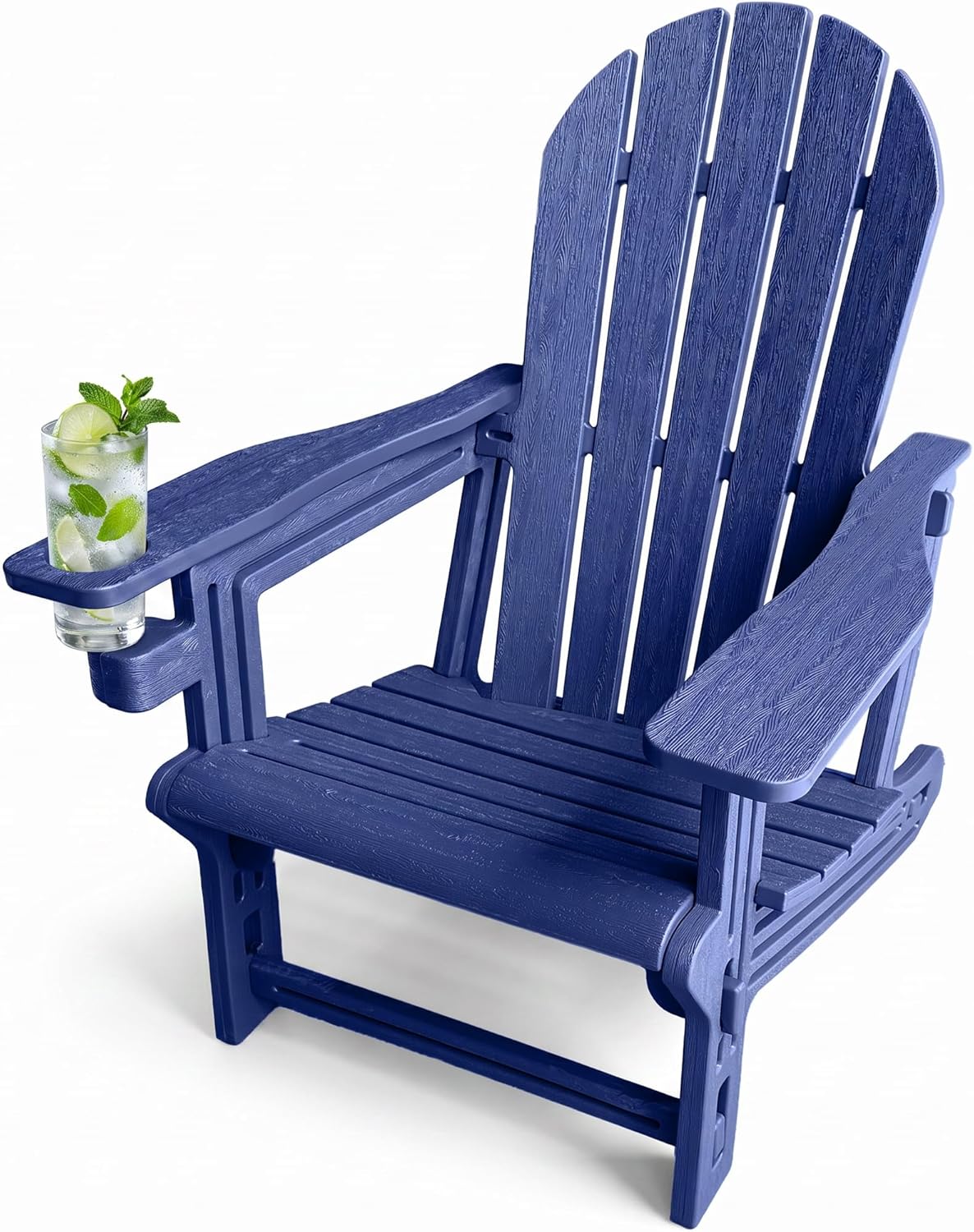
All-Weather HDPE Plastic Adirondack Chair with Cup Holder – Navy Blue
$70 $139.99
50% OFF

7-Color LED Red Light Therapy Mask for Face and Anti-Aging
$29.99 $59.99
49% OFF
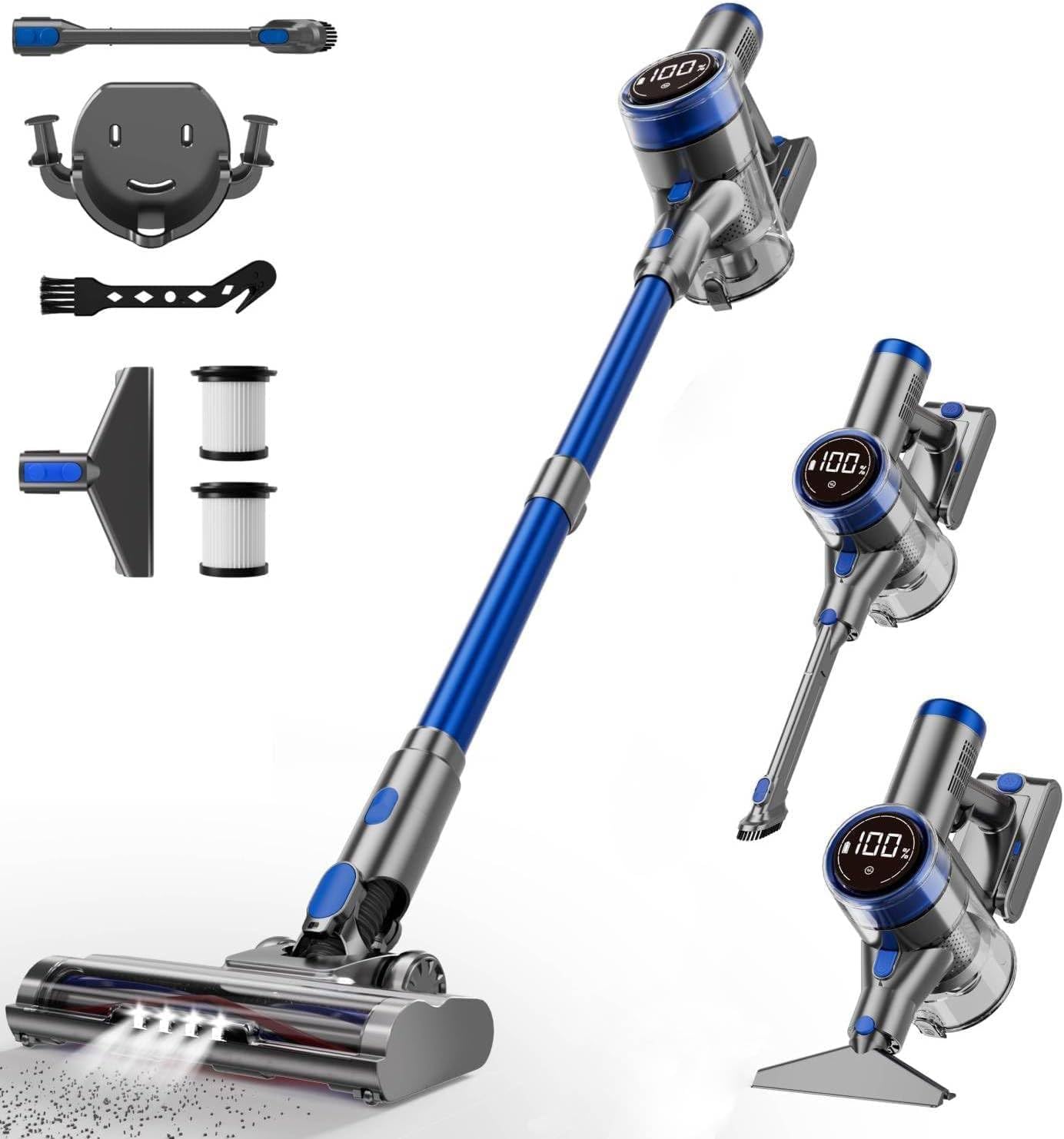
Cordless Vacuum Cleaner - 480W/45Kpa Powerful Stick Vacuum with LED Smart Touch Screen
$55.99 $109.99
20% OFF

Hypoallergenic Pet Wipes for Dogs & Cats - 400 Count Extra Large Coconut Scented Grooming Wipes
$24.79 $30.99
49% OFF
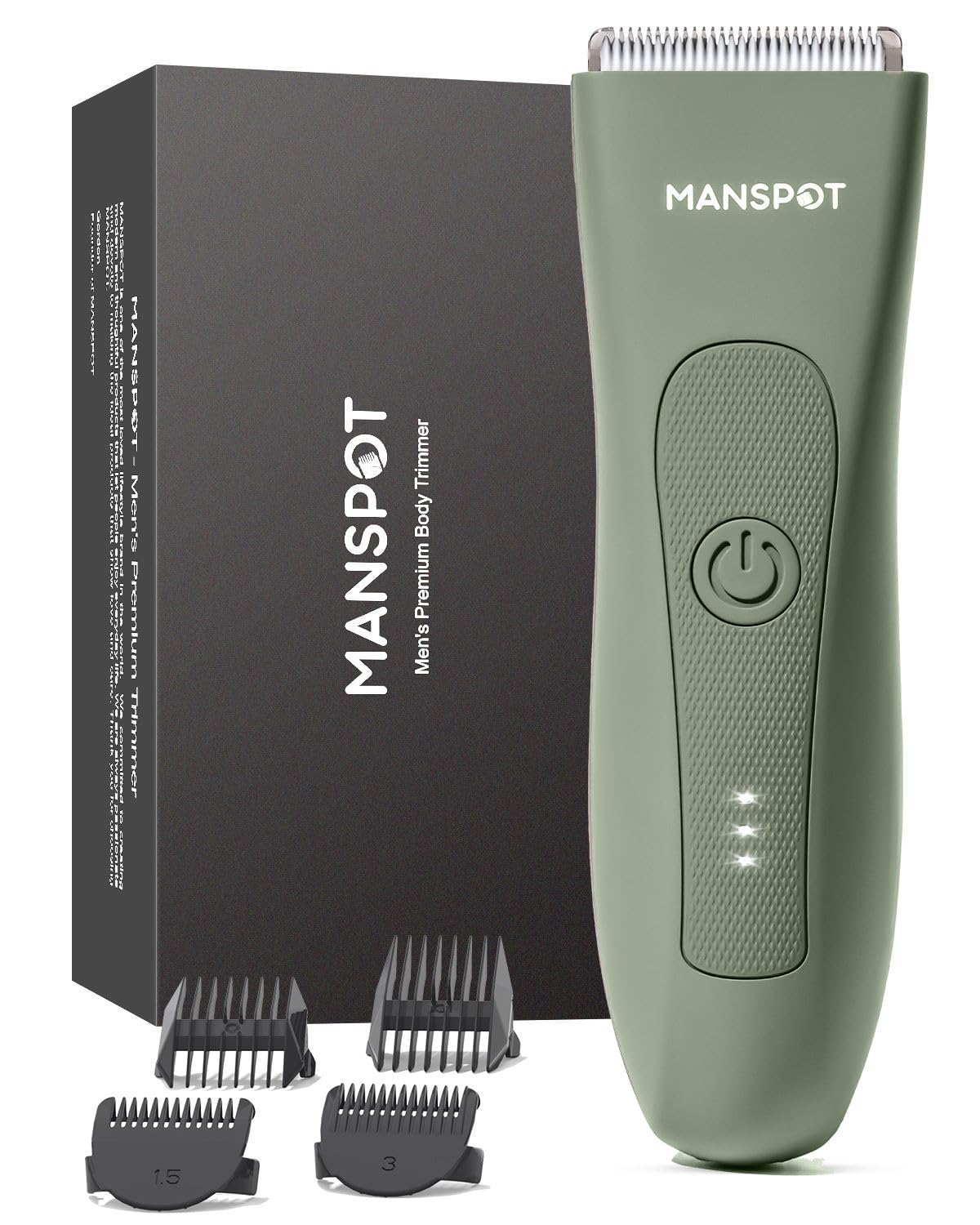
MANSPOT Electric Pubic Hair Trimmer - Waterproof Body and Groin Shaver for Men and Women (Black)
$20.39 $40
25% OFF

Lick-Safe Dog Paw and Nose Balm Stick - All-Natural Moisturizer with Coconut Oil for Dry, Cracked Pads and Snout
$11.69 $15.59
77% OFF
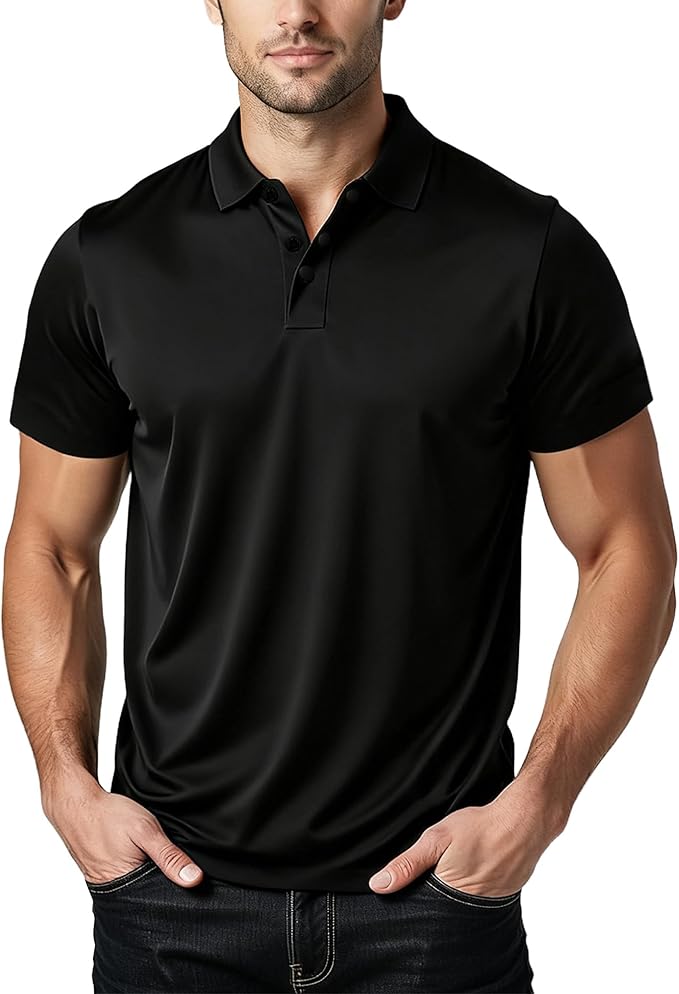
Men's Quick Dry Moisture Wicking Polo Shirt - High Elasticity Slim Fit Athletic Top (Runs Small)
$6.99 $29.99
46% OFF
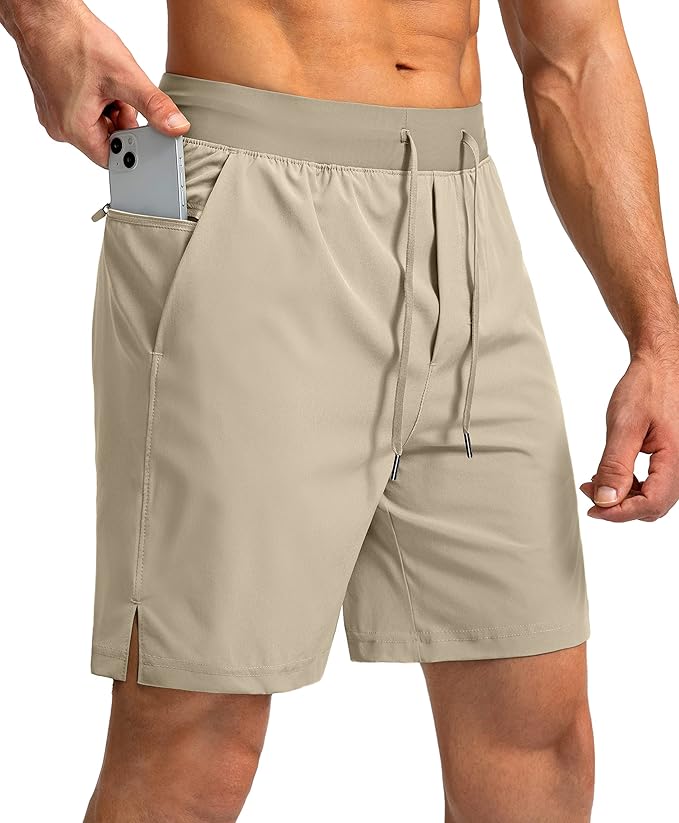
Men's Running Shorts with Zipper Pockets - Lightweight, Quick-Dry, Multi-Sport
$12.95 $23.99
50% OFF
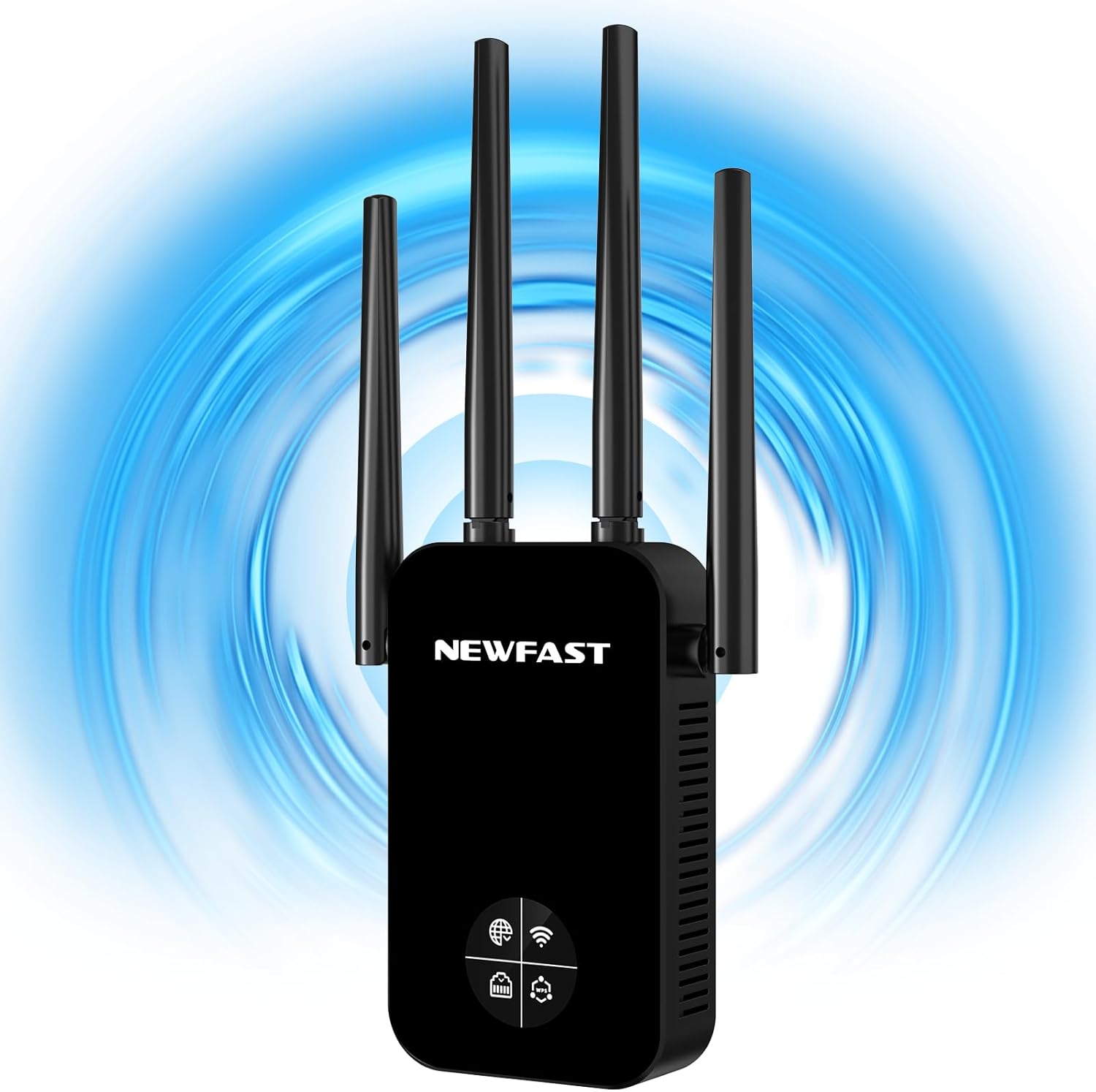
NEWFAST NF-RE523 AC1200 WiFi Extender - 1200Mbps Dual Band Signal Booster & Internet Repeater
$18.5 $36.99
48% OFF
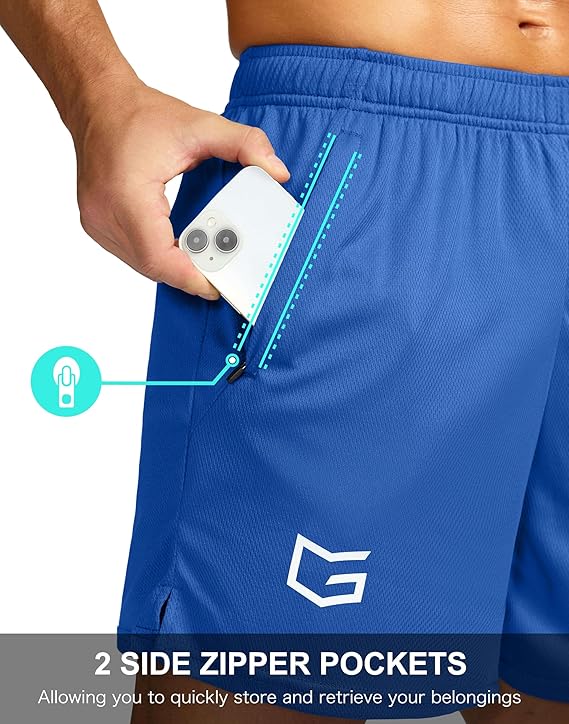
G Gradual Men's 7-inch Workout Running Shorts - Lightweight, Quick-Dry, Comfort
$12.91 $24.99
30% OFF
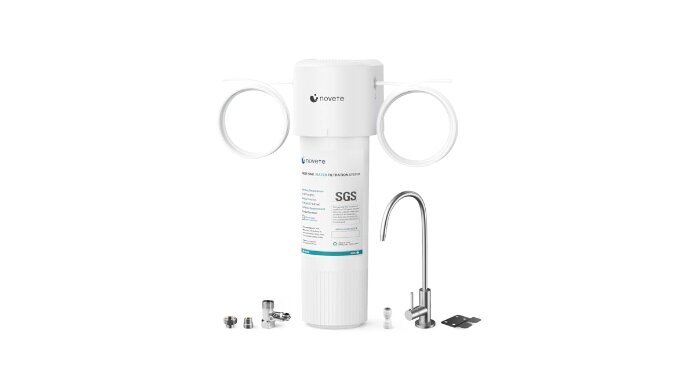
NOVETE Under Sink Water Filter - 3 Years, 30,000 Gallons, High-Efficiency Filtration
$41.99 $59.99
50% OFF
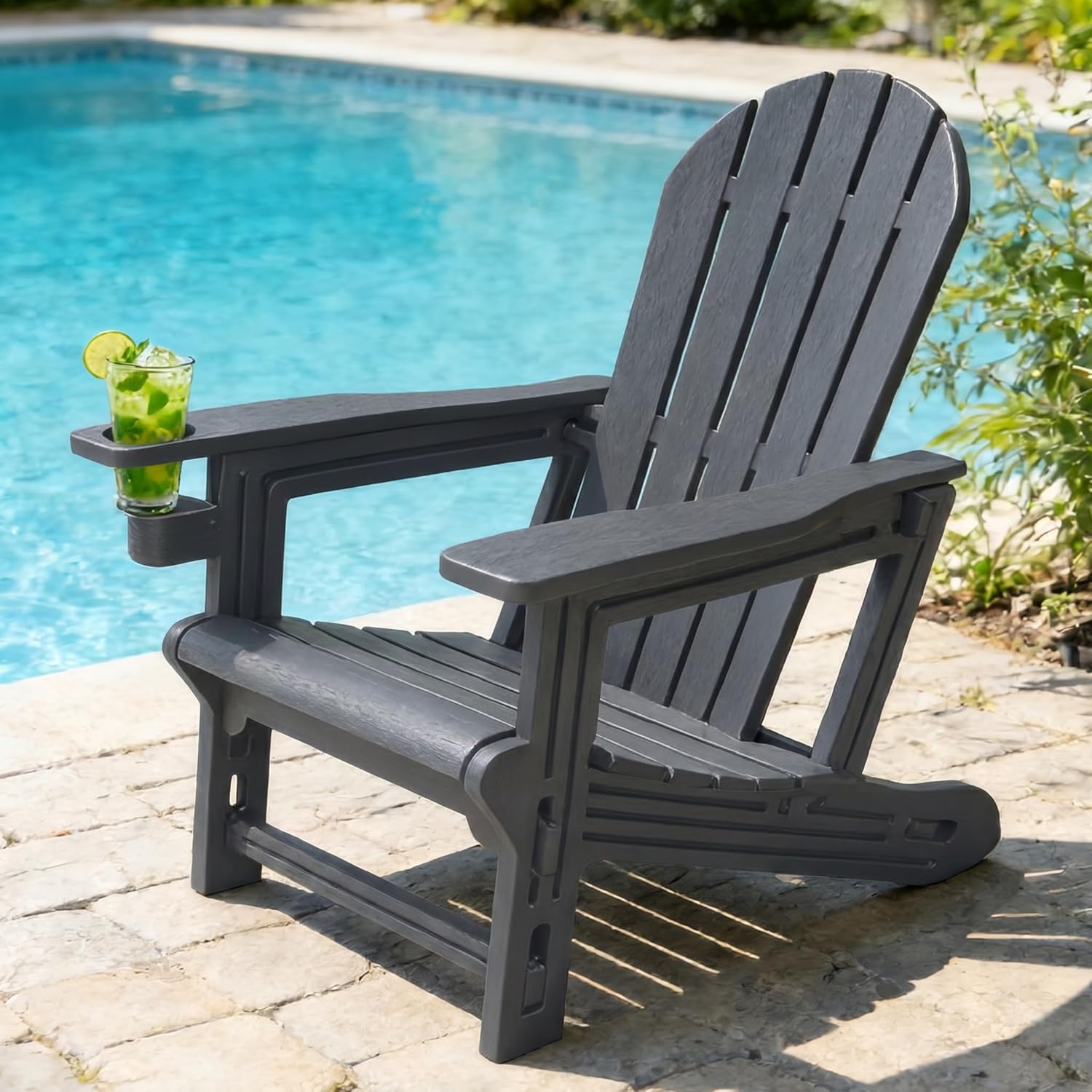
HDPE All-Weather Adirondack Chair with Built-In Cup Holder - Tool-Free Assembly (Grey)
$69.99 $139.99
60% OFF

HOMETUK Clear Plastic Storage Bins with Dividers - 3-Pack Stackable Acrylic Organizer Containers for Fridge and Pantry
$19.99 $49.99
58% OFF
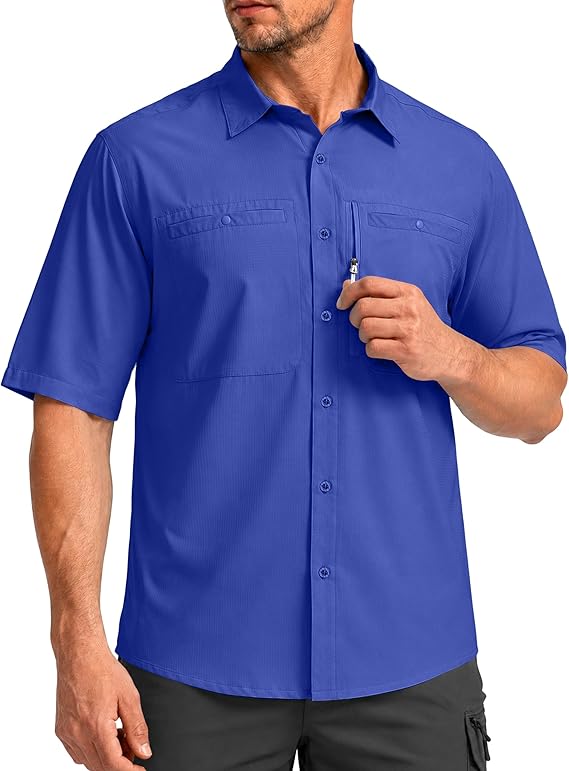
G Gradual Men's Fishing Shirt - UPF 50+ Lightweight Short Sleeve Button Down with Zipper Pockets
$14.99 $35.99
55% OFF
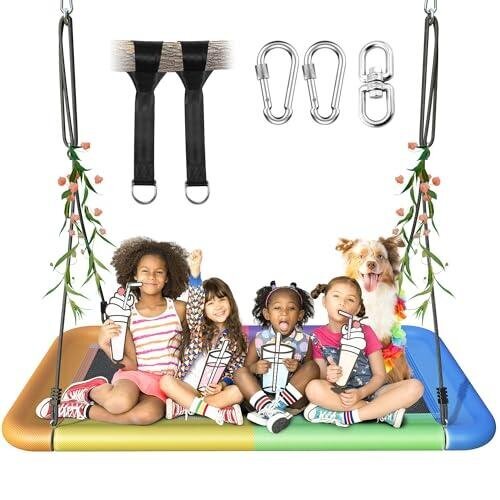
Everyfun 60" Rectangular Platform Tree Swing - 700lbs Heavy Duty Adjustable Outdoor Swing (Colorful)
$49.99 $110.99
61% OFF
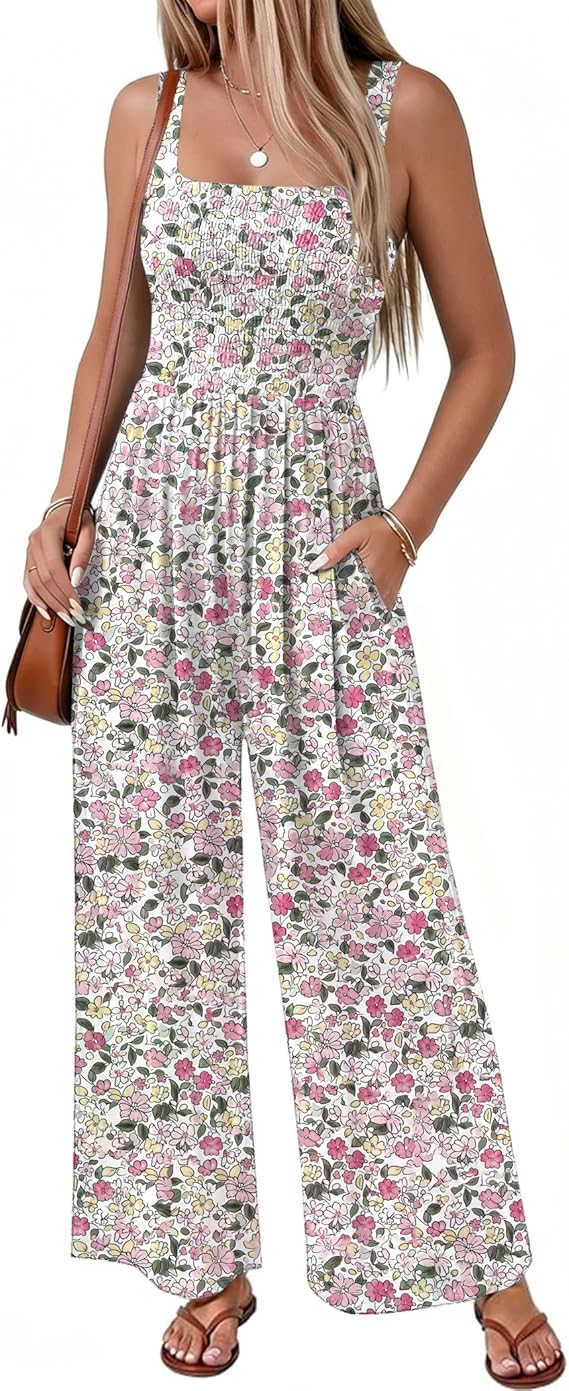
Ekouaer Women's Casual Loose Jumpsuit - One-Piece Printed Sleeveless Wide Leg Romper with Pockets
$14.99 $37.99
36% OFF
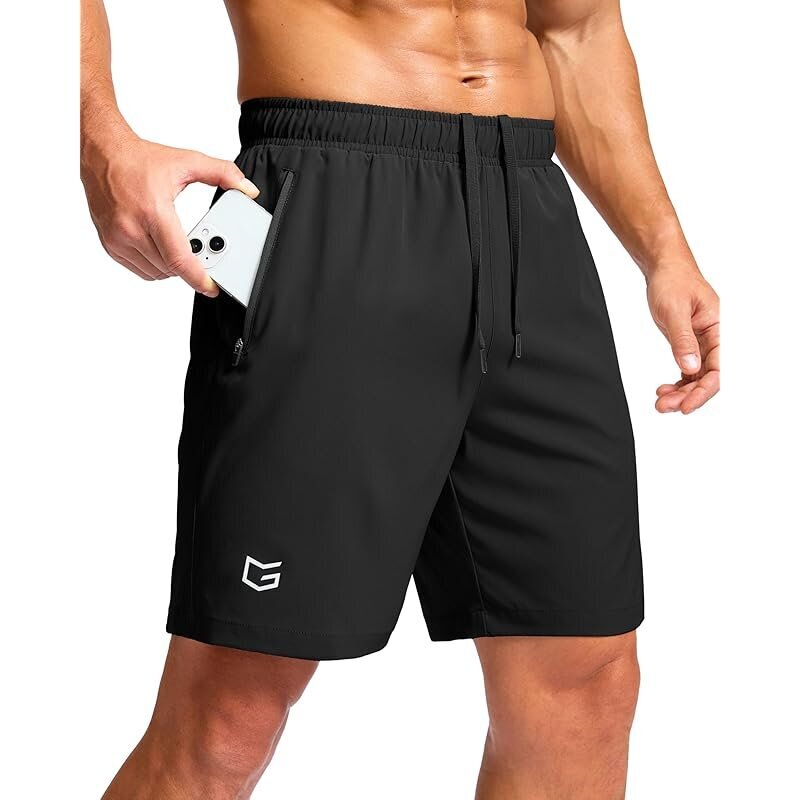
Men's Athletic Running Shorts with Zipper Pockets - Lightweight & Quick Dry
$12.74 $19.99
61% OFF
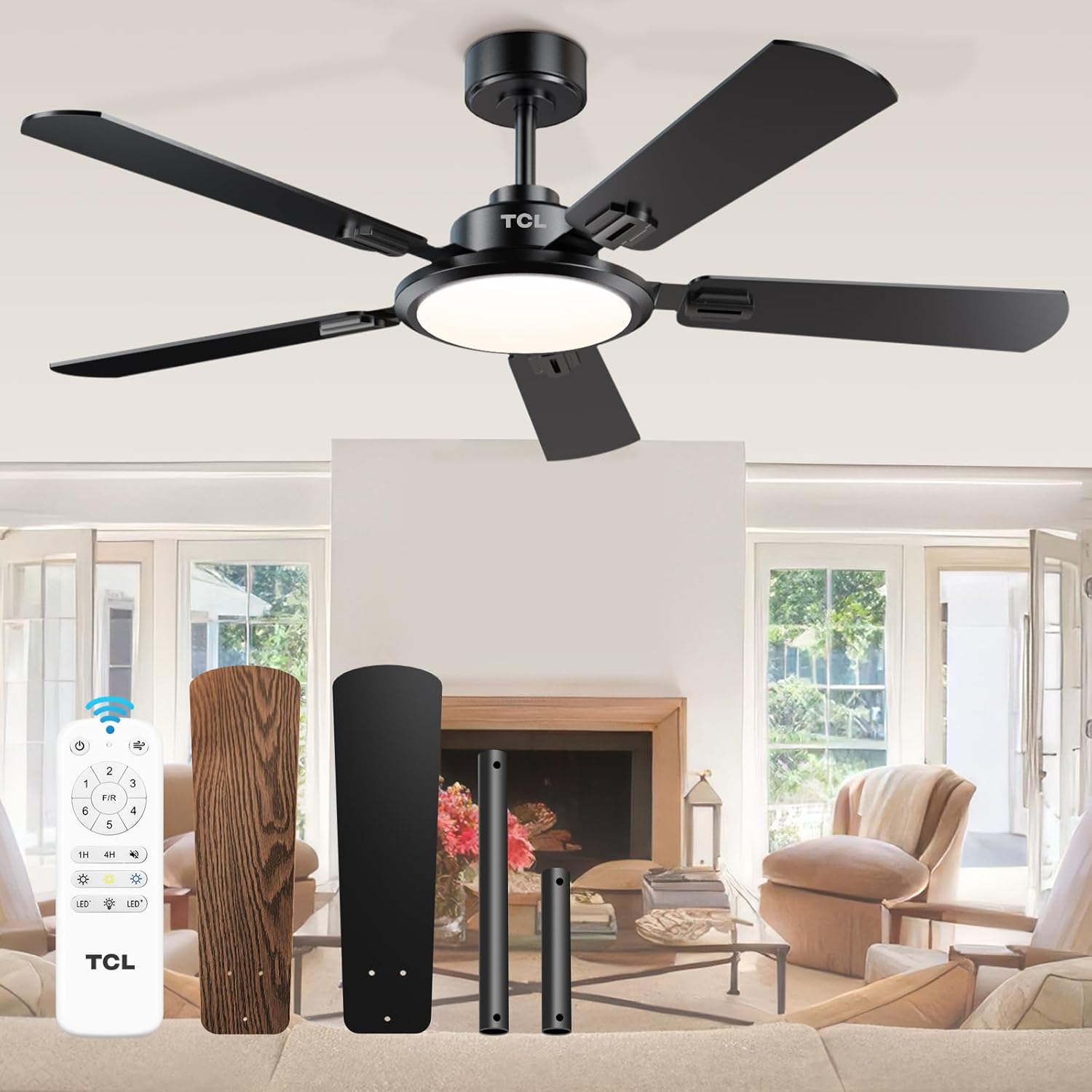
Modern Ceiling Fan with Light and Remote - Reversible Quiet DC Motor
$69.3 $179.99
50% OFF
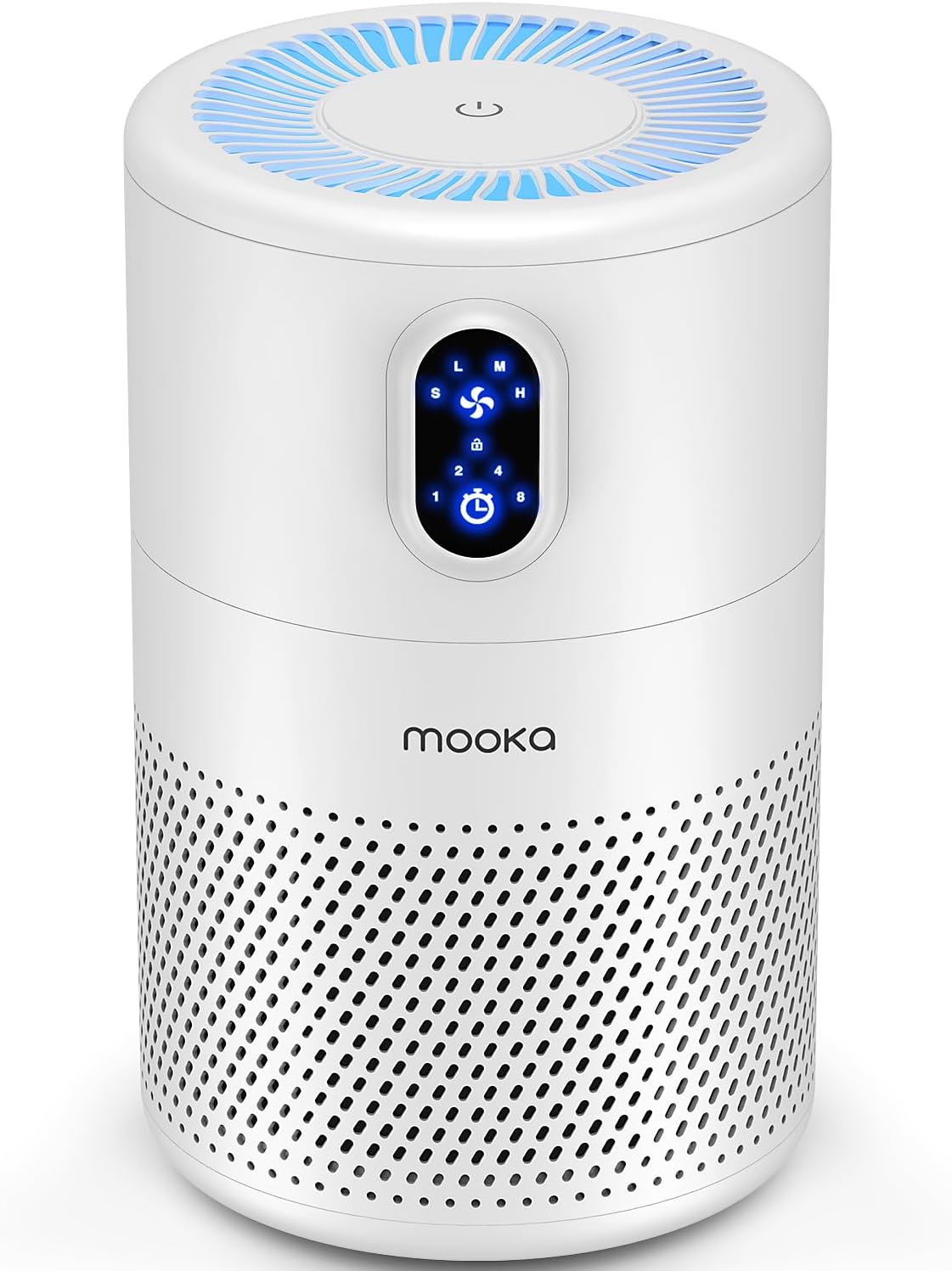
MOOKA H13 True HEPA Air Purifier for Home Large Room - 1076 sq ft Odor Eliminator
$39.97 $79.95
40% OFF
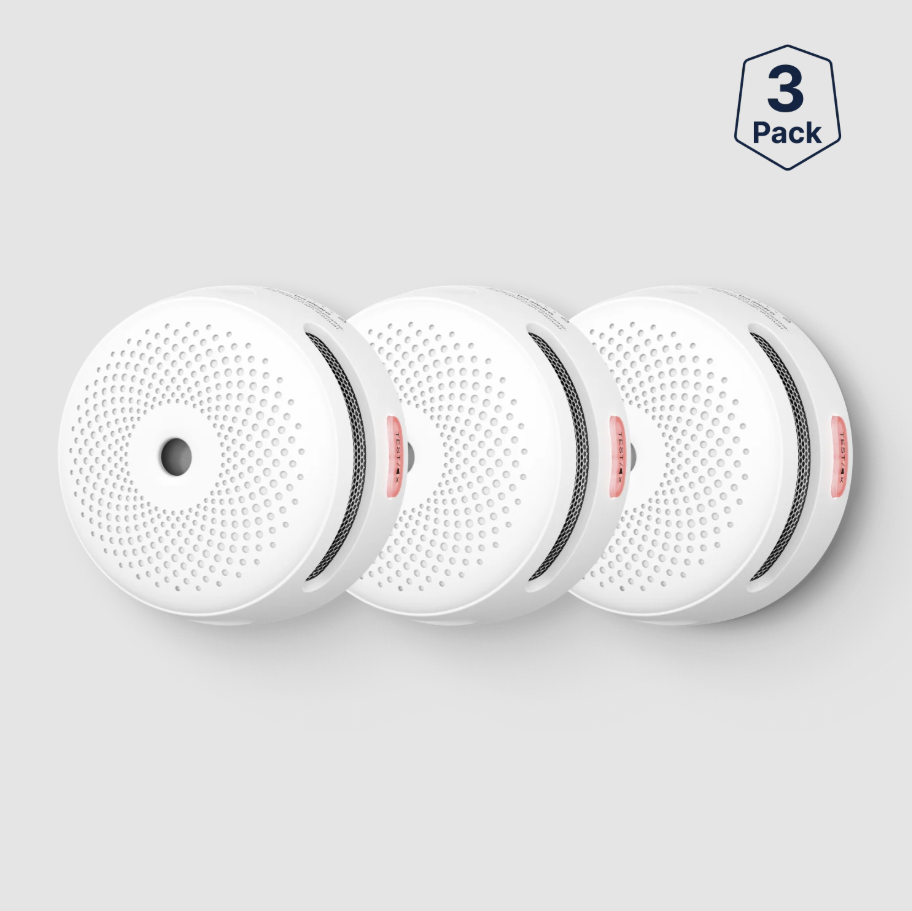
X-Sense XS01-WX Smart Smoke Alarm - 2.4 GHz Wi-Fi Photoelectric Fire Detector with Mobile App Alerts
$65.99 $109.99
-

Life beyond burnout: how Christians can grow in the desert seasons
-

New attempt to revive assisted suicide bill faces opposition
-

A Christian reflection on men’s health week: Jesus - the man we were created to be
-

Anti-Christian hate crimes across Europe surge in May as arson attacks reach 2026 high
News
-

Anti-Christian hate crimes across Europe surge in May as arson attacks reach 2026 high
-

Belfast churches 'heartbroken' over unrest
-

Churches must disciple well and listen well in response to rise of Christian nationalism
-

Welsh reverend speaks of culture of fear over LGBT issues
-
South Wales Police back down on imposing Islamic 'blasphemy law'
-

Making cohabitation equal with marriage is 'unfair', Christians argue
Most Popular
News
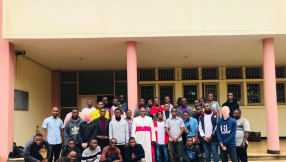
African Christian leaders demand justice after Mozambican bishop shot dead
Christian leaders across Africa have called for a full investigation into the killing of a Mozambican bishop who was shot dead at his residence.
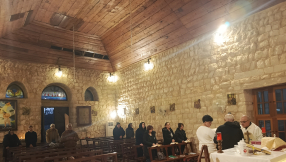
Lebanese Christians on the brink as peace deal agreed
The Christian population of the Middle East has drastically declined due to ongoing conflict.

A Christian reflection on men’s health week: Jesus - the man we were created to be
As Men’s Health Week reminds us of the challenges many men face, perhaps there is no better time to look again at Jesus Christ. In Him we find not only a model for manhood, but the way to life itself.

Kyiv’s Dormition Cathedral badly damaged in major Russian strikes on Ukrainian capital
Kyiv’s historic Dormition Cathedral, part of the UNESCO-listed Pechersk Lavra monastery complex, caught fire overnight after a wave of Russian missile and drone strikes on the Ukrainian capital.
All-Weather HDPE Plastic Adirondack Chair with Cup Holder – Navy Blue
$70
7-Color LED Red Light Therapy Mask for Face and Anti-Aging
$29.99
Cordless Vacuum Cleaner - 480W/45Kpa Powerful Stick Vacuum with LED Smart Touch Screen
$55.99
Hypoallergenic Pet Wipes for Dogs & Cats - 400 Count Extra Large Coconut Scented Grooming Wipes
$24.79
MANSPOT Electric Pubic Hair Trimmer - Waterproof Body and Groin Shaver for Men and Women (Black)
$20.39
Lick-Safe Dog Paw and Nose Balm Stick - All-Natural Moisturizer with Coconut Oil for Dry, Cracked Pads and Snout
$11.69
Men's Quick Dry Moisture Wicking Polo Shirt - High Elasticity Slim Fit Athletic Top (Runs Small)
$6.99
Men's Running Shorts with Zipper Pockets - Lightweight, Quick-Dry, Multi-Sport
$12.95
NEWFAST NF-RE523 AC1200 WiFi Extender - 1200Mbps Dual Band Signal Booster & Internet Repeater
$18.5
G Gradual Men's 7-inch Workout Running Shorts - Lightweight, Quick-Dry, Comfort
$12.91
NOVETE Under Sink Water Filter - 3 Years, 30,000 Gallons, High-Efficiency Filtration
$41.99
HDPE All-Weather Adirondack Chair with Built-In Cup Holder - Tool-Free Assembly (Grey)
$69.99
HOMETUK Clear Plastic Storage Bins with Dividers - 3-Pack Stackable Acrylic Organizer Containers for Fridge and Pantry
$19.99
G Gradual Men's Fishing Shirt - UPF 50+ Lightweight Short Sleeve Button Down with Zipper Pockets
$14.99
Everyfun 60" Rectangular Platform Tree Swing - 700lbs Heavy Duty Adjustable Outdoor Swing (Colorful)
$49.99
Ekouaer Women's Casual Loose Jumpsuit - One-Piece Printed Sleeveless Wide Leg Romper with Pockets
$14.99
Men's Athletic Running Shorts with Zipper Pockets - Lightweight & Quick Dry
$12.74
Modern Ceiling Fan with Light and Remote - Reversible Quiet DC Motor
$69.3
MOOKA H13 True HEPA Air Purifier for Home Large Room - 1076 sq ft Odor Eliminator
$39.97
X-Sense XS01-WX Smart Smoke Alarm - 2.4 GHz Wi-Fi Photoelectric Fire Detector with Mobile App Alerts
$65.99