
Finding ways to convince North Korea to give up its nuclear ambitions will likely top the agenda at U.S. President George W. Bush's weekend talks with South Korea's president after a fight over U.S. beef exports was resolved.
Lee Myung-bak is the first South Korean president honoured with an invitation to Camp David, the U.S. presidential retreat in Maryland's Catoctin Mountains, and Bush is likely to welcome his tougher stance on North Korea's atomic program.
Lee's predecessor, Roh Moo-hyun, sometimes frustrated U.S. efforts with his accommodating policies toward Pyongyang.
North Korea failed to meet a December 31 deadline to reveal the extent of its nuclear weapons program and whether it provided nuclear technology to other countries, a key concern of the United States.
If Pyongyang finally makes the declaration, the United States is expected to ease sanctions imposed under the U.S. state sponsors of terrorism list and the U.S. Trading With the Enemy Act.
The administration hopes that will help persuade North Korea to completely dismantle its nuclear facilities and abandon all nuclear weapons and programs before Bush leaves office in January.
"We are sending an experts group back to Pyongyang next week to see if we can make progress on the declaration that the North Koreans are obligated to provide under the February 2007 agreement," Dennis Wilder, White House National Security Council senior director for Asian affairs, said this week.
He added there was no sign that North Korea would back away from its commitment to provide the information, a deal reached with the United States, South Korea, Russia, China and Japan -- but he said it would require verification.
U.S. Secretary of State Condoleezza Rice said earlier this week it could take some time to verify the information Pyongyang provides but also suggested some sanctions could be lifted in the interim.
FREE TRADE DEAL
On trade, the deal to allow more U.S. beef into South Korea was widely hailed - Bush served Lee roasted beef tenderloin at their dinner on Friday night - and it could pave the way for passage of a broader free trade agreement by the U.S. Congress.
The U.S. International Trade Commission estimates the Korea-U.S. free trade agreement, or KORUS, could raise U.S. exports by an additional $10 billion to $12 billion, making it the biggest U.S. trade deal in about 15 years.
Democrats, including the party's two presidential contenders, Sens. Hillary Clinton and Barack Obama, have complained the deal does not adequately address access to the Korean auto market.
A spokesman for U.S. House of Representatives Speaker Nancy Pelosi said that issue should be resolved before the Democratic-controlled Congress considers it. The White House said it was too early for such pronouncements.
"I think a lot of the members up there who follow trade understand how important this agreement is," said White House spokesman Tony Fratto. "And they also understand ... the importance of our relationship from a diplomatic and security standpoint with South Korea."




-

The dire American political situation: a brief overview for faithful Christians in Britain
-

Conversion therapy ban supporters want prayer to be criminalised - this must not be allowed
-

Why the US election results do not bode well for America
-

Police appeal for witnesses after head smashed off Jesus statue at church war memorial
-

Are we seeing the end of Western civilisation?
-
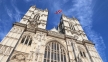
Archaeologists may have discovered identity of mystery skeleton in Westminster Abbey
Most Popular
News
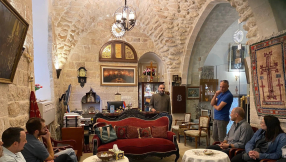
‘Major achievement’ hailed as Israeli officials step in to stop anti-Christian harassment
Harassment against Christian is sometimes justified by appeals to the Jewish religion.

What do Christian young women and men need to know about the opposite sex and themselves?
The first thing that Christian young women and men need to know is that the Bible is the operating manual for humans.
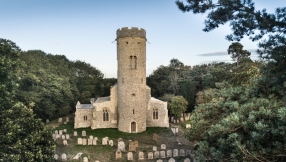
Saxon church saved from Historic England’s ‘at risk’ register after extensive repairs
Historic England has added 197 sites to its Heritage at Risk Register. However it has also managed to save dozens of buildings, including a 1,000-year-old church.
Trump’s midterm defeat and its implications for Christians on both sides of the Atlantic
America’s power and influence on the world stage, combined with Trump’s unpredictability and volatility, is a worrying mix.





