British mosques have been overlooked in conservation efforts, the heritage body Historic England said, as it announced that two mosques would be granted official status as listed buildings for the first time in 30 years.
The Shah Jahan Mosque in Woking, Surrey, Britain's first purpose-built mosque founded in 1889, became the first mosque to be given Grade I listed status, the highest tier.
On top of this the iconic London Central Mosque, near Regent's Park, which was completed in 1978, will be granted Grade II listed status, the second highest level, and the Fazl Mosque in south London, an Ahmadi mosque completed in 1926, will also receive Grade II status.
They are the first Muslim places of worship to be recognised as key parts of British heritage since the Shah Jahan Mosque was first granted Grade II status in 1984.
London Central Mosque was designed by the British architect Sir Frederick Gibberd and, according to Historic England, which recommended the mosque for listing by the Department for Culture, Media and Sport (DCMS), 'his elegant scheme combined architectural traditions of British modernism with historic Islamic forms'.
Less than 20 per cent of Britain's 1,500 mosques were purpose built, according to Historic England, and the announcement comes amid concerns that non-Christian places of worship were not receiving enough attention by conservation experts.
Heritage minister Michael Ellis said: 'We are not only preserving important places of worship, but also celebrating the rich heritage of Muslim communities in England.'
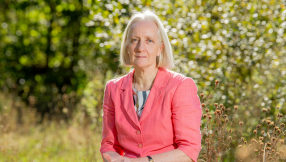
Linda Monckton, head of communities research at Historic England, said 'the mainstream narratives of architecture and architectural history haven't taken into account the contribution of mosques and temples, largely because nobody knows what's there and where it is, so it's kind of been invisible.
'I do think there have been buildings that have been missed, because we didn't know where they were or what they were, because there was no survey, and no analysis, and no evidence.'
She told the Telegraph the organisation had made a 'really decisive' shift away from a focus exclusively on churches.
'There is a wealth of things about which we know nothing, so to be able to do the first-ever survey of all of these buildings as a group, to us, is a really huge step forward, because until we know it exists it is by definition underrepresented, so it's addressing that really clear imbalance,' she said.