
A man arrested for killing seven people in a knife rampage on a crowded Tokyo shopping street posted dozens of warning messages on the Internet in the hours leading up to the attack, Japanese media reported on Monday.
Japanese police arrested a 25-year-old blood-spattered man at the scene for driving a truck into a crowd of Sunday shoppers in Akihabara, Tokyo's biggest electronics shopping district, and then walking down the street stabbing people at random.
Passers by prayed and dropped flowers on Monday at the scene of the attack, as a bewildered Japan tried to make sense of the latest in a series of random acts of violence.
Before the rampage in Akihabara, the arrested man, Tomohiro Kato, had warned on an Internet site that "I will kill people in Akihabara", Japanese media reported.
"I will crash my car and when the car becomes unusable, I will use a knife. Good-bye, everyone!," the man wrote on his Internet site early Sunday morning, the Asahi newspaper said.
The Mainichi newspaper said Tokyo police had heard of similar posts on another Internet site, but could not stop the attacks.
"I'm used to acting like a good person. I can fool everyone easily," Kato wrote, adding he was struggling to make friends.
In the last of more than two dozen Internet postings, he wrote a few minutes before the truck was rammed into the crowd: "The time has come."
Sunday's attack followed the killing of one person in a random stabbing outside a train station north of Tokyo in March, while five were hurt in a similar attack in January.
Also in March, a teenager pushed a stranger under a train in western Japan, saying he wanted to kill someone.
The latest attack sparked talk among Tokyo residents of failing communities and declining morality in a country proud of its low crime rate.
"Recently, peoples' relationships have become strained," said 29-year-old Taishi Ikeda, who works in the publishing industry. "There's no-one to talk to when you're troubled."
The suspect in Sunday's attack lived alone and had a temporary job at a car factory, media said. He was reported to be a regular visitor to Akihabara, known for high tech electronic products sold alongside "anime" cartoon goods and cafes where waitresses dress as French maids.
FEELING LIKE FAILURES
Japan's obsession with exam grades made many feel like failures and the decline of the extended family had also cut support for troubled youngsters, said Jinsuke Kageyama, a criminal psychologist at Tokyo Institute of Technology.
"Japan has entered a period of selfishness. People have the feeling that they can do anything," he said.
"But when these people fail to fulfil themselves in socially acceptable ways, they are treated as losers and their frustration builds up," he added.
"A series of disappointments can lead them to try to regain their sense of self through crime."
Tackling the root causes of such attacks would be a complex task, and harsher penalties would likely not be helpful, he said.
Total reported crime has been falling for five years, but Japan has toughened up sentencing and increased the pace at which it carries out executions in recent months under Justice Minister Kunio Hatoyama, a supporter of the death penalty.
"If they have the urge to commit suicide, people will do these things in countries that have the death penalty," Kageyama said.
Some members of the public pointed to an economic downturn and government policy as reasons for rising frustration.
"Politicians don't think about the people, they raise taxes and change the healthcare system," said Kentaro Inoue, a 56-year-old worker for an architectural firm.
"I think that's what breeds this violent behaviour. People begin to hate society when they can't succeed."
Japan's top government spokesman, Nobutaka Machimura said it was hard to pin down the reason for Sunday's attack but tighter controls should be considered on survival knives like the one the attacker used.
49% OFF
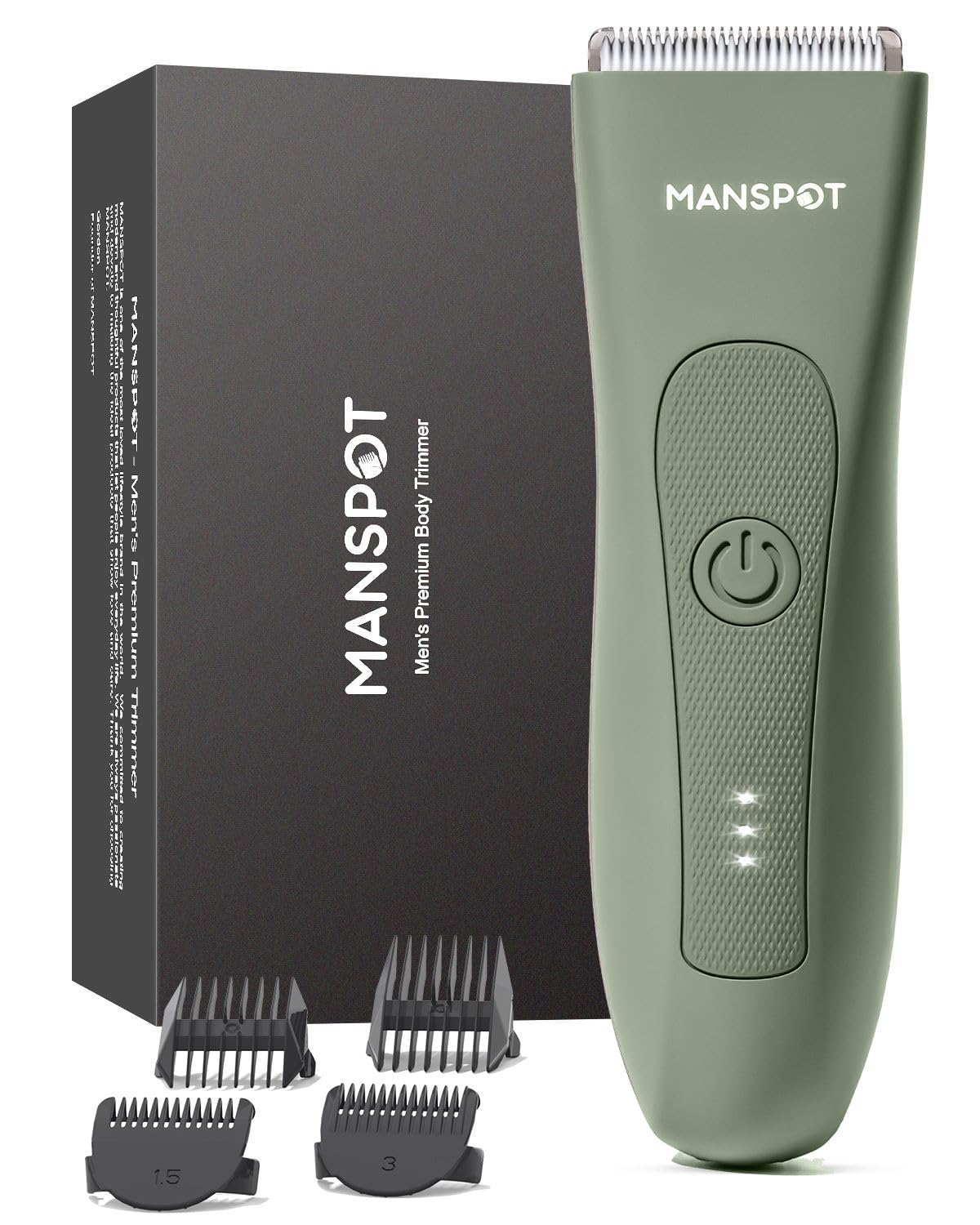
MANSPOT Electric Pubic Hair Trimmer - Waterproof Body and Groin Shaver for Men and Women (Black)
$20.39 $40
25% OFF
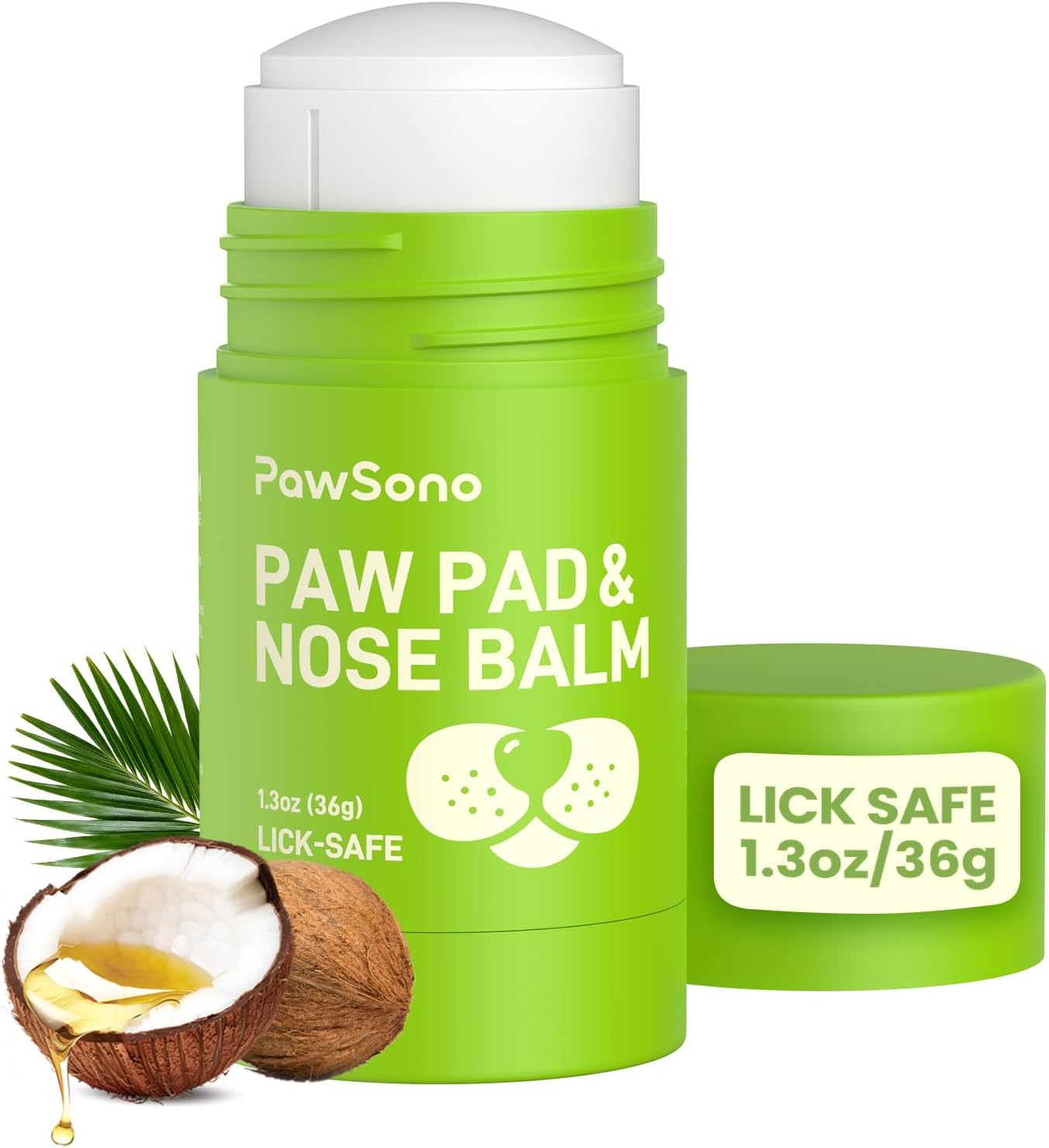
Lick-Safe Dog Paw and Nose Balm Stick - All-Natural Moisturizer with Coconut Oil for Dry, Cracked Pads and Snout
$11.69 $15.59
77% OFF
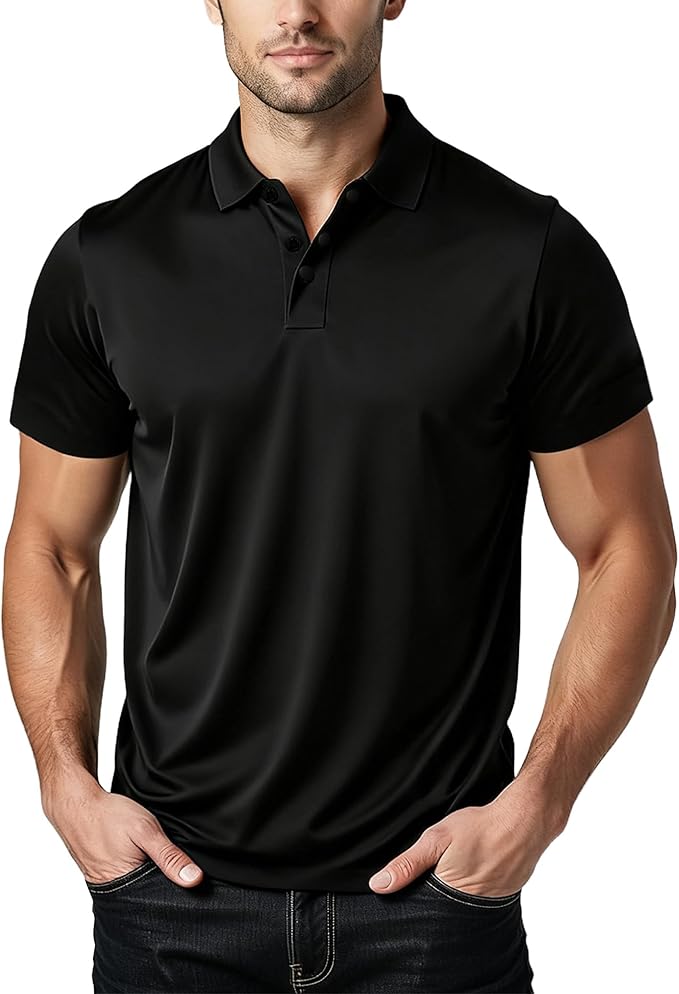
Men's Quick Dry Moisture Wicking Polo Shirt - High Elasticity Slim Fit Athletic Top (Runs Small)
$6.99 $29.99
46% OFF
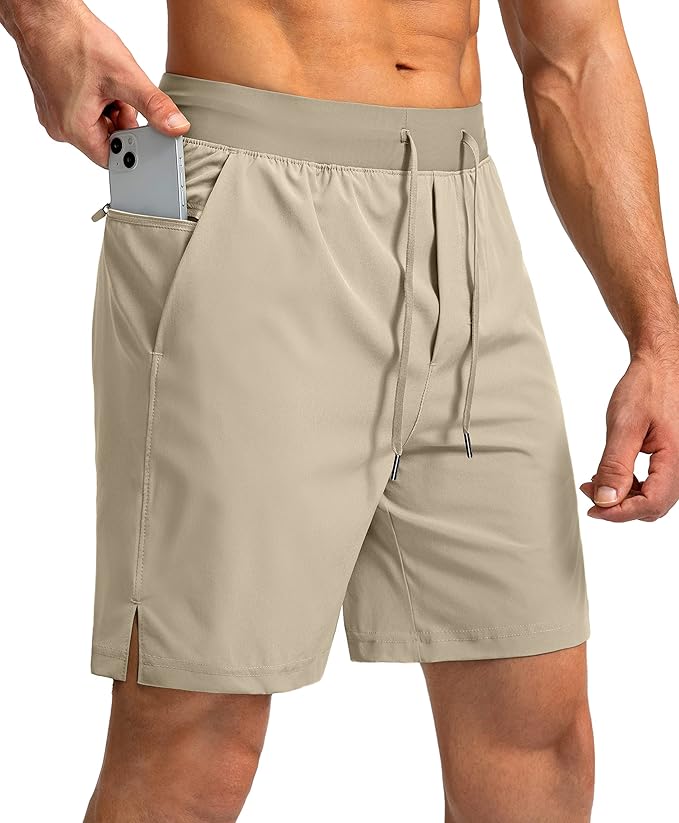
Men's Running Shorts with Zipper Pockets - Lightweight, Quick-Dry, Multi-Sport
$12.95 $23.99
50% OFF

NEWFAST NF-RE523 AC1200 WiFi Extender - 1200Mbps Dual Band Signal Booster & Internet Repeater
$18.5 $36.99
48% OFF
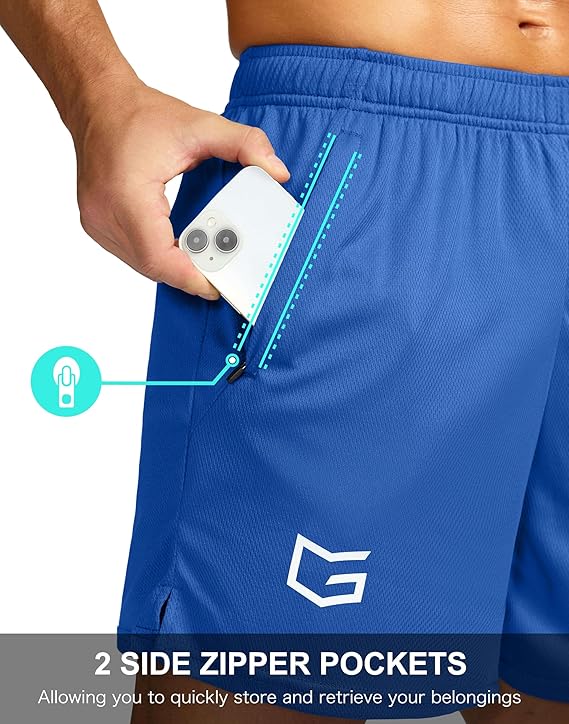
G Gradual Men's 7-inch Workout Running Shorts - Lightweight, Quick-Dry, Comfort
$12.91 $24.99
30% OFF
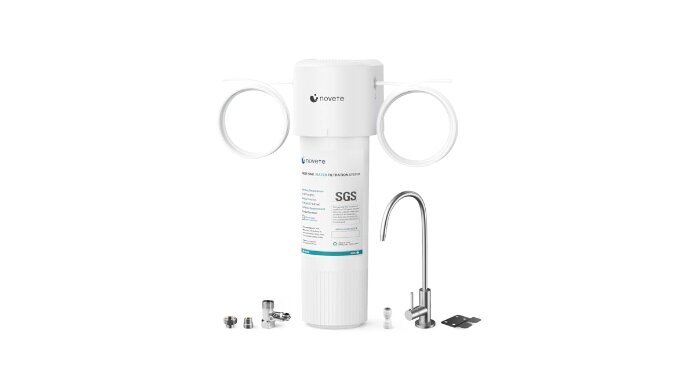
NOVETE Under Sink Water Filter - 3 Years, 30,000 Gallons, High-Efficiency Filtration
$41.99 $59.99
50% OFF

HDPE All-Weather Adirondack Chair with Built-In Cup Holder - Tool-Free Assembly (Grey)
$69.99 $139.99
60% OFF

HOMETUK Clear Plastic Storage Bins with Dividers - 3-Pack Stackable Acrylic Organizer Containers for Fridge and Pantry
$19.99 $49.99
58% OFF

G Gradual Men's Fishing Shirt - UPF 50+ Lightweight Short Sleeve Button Down with Zipper Pockets
$14.99 $35.99
55% OFF

Everyfun 60" Rectangular Platform Tree Swing - 700lbs Heavy Duty Adjustable Outdoor Swing (Colorful)
$49.99 $110.99
61% OFF

Ekouaer Women's Casual Loose Jumpsuit - One-Piece Printed Sleeveless Wide Leg Romper with Pockets
$14.99 $37.99
36% OFF

Men's Athletic Running Shorts with Zipper Pockets - Lightweight & Quick Dry
$12.74 $19.99
61% OFF

Modern Ceiling Fan with Light and Remote - Reversible Quiet DC Motor
$69.3 $179.99
50% OFF

MOOKA H13 True HEPA Air Purifier for Home Large Room - 1076 sq ft Odor Eliminator
$39.97 $79.95
40% OFF
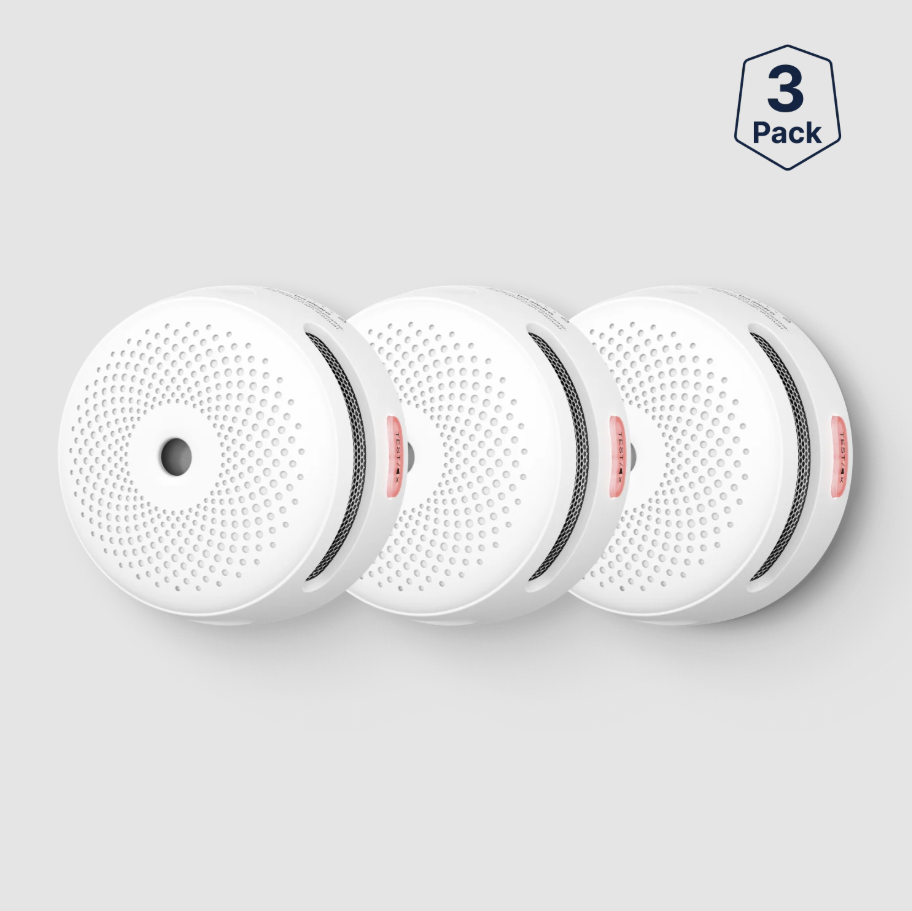
X-Sense XS01-WX Smart Smoke Alarm - 2.4 GHz Wi-Fi Photoelectric Fire Detector with Mobile App Alerts
$65.99 $109.99
11% OFF

VitaUp Beet Root Gummies with CoQ10 & Grape Seed - Nitric Oxide Circulation Support (60 Count)
$24.91 $27.91

Sealy 2-Pack Tritech 16" Twin Inflatable Air Mattress with Built-in AC Pump
$0 $113.99
20% OFF

INTEX Prism Frame 20ft x 52in Above Ground Pool Set - Round Steel Frame Swimming Pool
$695.99 $869.99

Gardner Pet 43" Heavy Duty Dog Crate with Wheels - Indestructible Folding Metal Cage (Black)
$0 $149.99




-

Anti-Christian hate crimes across Europe surge in May as arson attacks reach 2026 high
-

Belfast churches 'heartbroken' over unrest
-

Churches must disciple well and listen well in response to rise of Christian nationalism
-

Welsh reverend speaks of culture of fear over LGBT issues
-

South Wales Police back down on imposing Islamic 'blasphemy law'
-

Making cohabitation equal with marriage is 'unfair', Christians argue
Most Popular
News

Kyiv’s Dormition Cathedral badly damaged in major Russian strikes on Ukrainian capital
Kyiv’s historic Dormition Cathedral, part of the UNESCO-listed Pechersk Lavra monastery complex, caught fire overnight after a wave of Russian missile and drone strikes on the Ukrainian capital.

New attempt to revive assisted suicide bill faces opposition
Fresh attempts to make assisted suicide legal have been met with disappointment by opponents.

Anti-Christian hate crimes across Europe surge in May as arson attacks reach 2026 high
Anti-Christian incidents across Europe rose sharply in May, with new figures showing the highest monthly number of arson-related attacks recorded so far this year.

Gloucester churches come together to bless River Avon amid pollution concerns
It is part of a broader campaign against river pollution as concerns remain about the amount of untreated sewage in the Avon.
MANSPOT Electric Pubic Hair Trimmer - Waterproof Body and Groin Shaver for Men and Women (Black)
$20.39
Lick-Safe Dog Paw and Nose Balm Stick - All-Natural Moisturizer with Coconut Oil for Dry, Cracked Pads and Snout
$11.69
Men's Quick Dry Moisture Wicking Polo Shirt - High Elasticity Slim Fit Athletic Top (Runs Small)
$6.99
Men's Running Shorts with Zipper Pockets - Lightweight, Quick-Dry, Multi-Sport
$12.95
NEWFAST NF-RE523 AC1200 WiFi Extender - 1200Mbps Dual Band Signal Booster & Internet Repeater
$18.5
G Gradual Men's 7-inch Workout Running Shorts - Lightweight, Quick-Dry, Comfort
$12.91
NOVETE Under Sink Water Filter - 3 Years, 30,000 Gallons, High-Efficiency Filtration
$41.99
HDPE All-Weather Adirondack Chair with Built-In Cup Holder - Tool-Free Assembly (Grey)
$69.99
HOMETUK Clear Plastic Storage Bins with Dividers - 3-Pack Stackable Acrylic Organizer Containers for Fridge and Pantry
$19.99
G Gradual Men's Fishing Shirt - UPF 50+ Lightweight Short Sleeve Button Down with Zipper Pockets
$14.99
Everyfun 60" Rectangular Platform Tree Swing - 700lbs Heavy Duty Adjustable Outdoor Swing (Colorful)
$49.99
Ekouaer Women's Casual Loose Jumpsuit - One-Piece Printed Sleeveless Wide Leg Romper with Pockets
$14.99
Men's Athletic Running Shorts with Zipper Pockets - Lightweight & Quick Dry
$12.74
Modern Ceiling Fan with Light and Remote - Reversible Quiet DC Motor
$69.3
MOOKA H13 True HEPA Air Purifier for Home Large Room - 1076 sq ft Odor Eliminator
$39.97
X-Sense XS01-WX Smart Smoke Alarm - 2.4 GHz Wi-Fi Photoelectric Fire Detector with Mobile App Alerts
$65.99
VitaUp Beet Root Gummies with CoQ10 & Grape Seed - Nitric Oxide Circulation Support (60 Count)
$24.91
Sealy 2-Pack Tritech 16" Twin Inflatable Air Mattress with Built-in AC Pump
$0
INTEX Prism Frame 20ft x 52in Above Ground Pool Set - Round Steel Frame Swimming Pool
$695.99
Gardner Pet 43" Heavy Duty Dog Crate with Wheels - Indestructible Folding Metal Cage (Black)
$0