Assisted suicide campaigners are doing more harm than good, a new report is warning today, because they suggest 'dignity' can only be found through a controlled death.
The religious think-tank Theos has reignited the debate around assisted suicide, euthanasia and palliative care, warning the issue is still 'live' and that dignity does not revolve around personal choice.
The essay, written by Andrew Grey, a Theology and Christian Ethics graduate from Oxford University who works with degenerative diseases, says that campaigners must be careful with their language or they risk leaving those without the option of assisted suicide feeling 'demeaned and demoralised'.
'Dignified dying is not simply based on autonomy, choice and control over the time and manner of one's death, but rather on one's ineradicable worth as someone who is loved and valued,' writes Grey.
He adds that universal palliative care is 'essential' not only to tackle the fears that lead people to consider assisted suicide but also to confer dignity on people.
Giving the option of assisted suicide 'far from honouring their dignity, we would reinforce the message to them that they are not valued enough to be worth investing in, and therefore lack dignity,' he concludes.
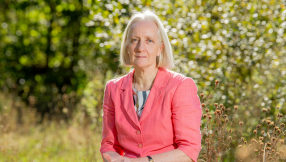
Elizabeth Oldfield, director of Theos, said the real meaning of dignity is to do with recognising and giving worth and value to someone. However 'dignity is currently being used in the assisted dying debate to mean simply the freedom to choose how and when to end your life with the help of doctors', she said.
'There is a very real risk that if a dignified death becomes further equated with assisted suicide then those without access to that, or who would not choose it, will feel demeaned and demoralised. Their dependence and suffering should have no impact on their dignity, their worth and value, but they are implicitly being told it does.'
She went on: 'A non–assisted death is not undignified. No one should feel ashamed of becoming incontinent. Needing the love and care and help of others should be seen as a normal part of the human lifecycle, part of our embodied adventure, not a cause for mental distress. Dignity can be protected and enhanced through tailored, thoughtful, personal palliative care, reassurance, and a sense of humour.'