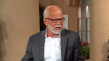
The Catholic Archbishop of Westminster has called upon the international community to ensure that freedom of religion is guaranteed worldwide.
Archbishop Richard Moth, who also serves as President of the Catholic Bishops’ Conference of England and Wales, has urged believers and supporters to sign a petition demanding that the UN and world leaders take action to protect freedom of belief.
Citing a report on religious freedom by Aid to the Church in Need, Archbishop Moth noted that worldwide there are 5.4 billion people living in countries where they face persecution or discrimination by governments or militants.
Anti-Christian persecution is not just the work of hostile governments, such as in China or North Korea. In many cases government authorities are simply unable or unwilling to stop the persecution.
In Nigeria, for example, the national government is not hostile to Christians - although regional government can be different. Yet the country is the deadliest in the world for Christians due to the inability of authorities to prevent attacks by Islamic militants and bandits.
Meanwhile, in Pakistan, the abduction, forced marriage and conversion of Christian and other minority girls often goes unpunished by authorities. The same is true of lynchings conducted against Christians accused of “blasphemy”.
Archbishop Moth said, “Men and women are imprisoned, others are driven from their homes, or even killed, simply because of their peacefully held beliefs. In some countries women and girls are kidnapped, forced to renounce their faith and marry their abductors, children are denied the right to learn about their faith.
“Many people – young and old alike – are the victims of religious hatred. They suffer abuse and discrimination in the streets, at school and at work.”
The archbishop urged believers to remember their suffering “brothers and sisters in Christ”.
Pope Leo XIV has also spoken of the importance of religious freedom, saying it is “not merely a legal right or a privilege granted to us by governments".
"It is a foundational condition that makes authentic reconciliation possible," he said.