The Archbishop of Canterbury continues to face backlash over her support for the Church of England’s controversial £100m slavery reparations fund.
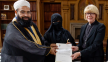
Archbishop Sarah Mullally reaffirmed her commitment to the scheme - named Project Spire - during a visit to Cape Coast Castle in Ghana, where enslaved Africans were imprisoned before being transported across the Atlantic.
During her visit, she prayed “in lament for the Church’s involvement in the slave trade” and called for the Church to continue its “journey of repentance”.
Her comments have drawn strong criticism from politicians, clergy, academics and commentators, with many accusing her of overlooking the role played by British Christians in abolishing the slave trade.
Former home secretary Suella Braverman described the Archbishop’s intervention as “awful” and questioned why she had not acknowledged the work of William Wilberforce, an Anglican, or the Royal Navy’s West Africa Squadron, in ending the slave trade.
“Stop virtue-signalling and focus on repairing the crumbling churches, reviving your congregations and providing Christian leadership,” she said on X.
Reform UK MP Richard Tice also criticised the Archbishop for failing to recognise the lives and "vast" sums of money Britain devoted to ending the slave trade.
"Why should we donate to the Church of England for you to waste it on woke virtue signalling?" he said.
Former Conservative MP Anna Firth also expressed disappointment at the absence of any reference to "William Wilberforce, the Christian who spearheaded abolition of slavery, in Parliament or the role of the Church in abolishing it", and asked why the Archbishop had not mentioned Christians being slaughtered in the present time "across the world" and "especially in Nigeria".
Oxford theologian and Conservative peer Lord Biggar questioned “what the Archbishop thinks the purpose of her filmed performance is”.
"Is this a belated form of ‘taking the knee’? Is she trying to use ‘compassion’ to distract from the historical groundlessness and ethical thoughtlessness of the Church’s imprudent plan to make reparations for slavery?" he said.
Ameer Kotecha, chief executive of the Centre for Government Reform and former senior diplomat, similarly asked: “I don’t understand who all this stuff is for? ... We all know the slave trade was wrong; we also know Christians like Wilberforce were at the forefront of ending it. Who does it benefit to go on about it? Does it not just stoke unnecessary division?"
Some of the criticism has centred on the designation of Church funds for slavery reparations at a time when many parishes across England are struggling with declining congregations, a lack of clergy and staff or volunteers, ageing buildings and rising costs.
Anglican priest Rev Chris Phillips said the controversy was being felt at the parish level.
“This is really starting to cut through in the parish, but not in the way the Archbishop intended,” he said.
"I’m starting to hear questions about why we are having to send large amounts to the Diocese if there’s spare cash for this."
The project, officially named the Fund for Healing, Repair and Justice, was announced in 2023 after research commissioned by the Church Commissioners identified historic links between its predecessor fund, Queen Anne’s Bounty, and transatlantic slavery.
Critics have challenged the historical narrative used to justify the plans, questioning whether the Church of England profited from slavery and arguing that African rulers played a significant role in the slave trade by capturing and selling their own people.
An update to the Church of England General Synod last month confirmed that £1.15m has already been spent on Project Spire, and that it has faced delays due to legal action.
Social anthropologist Neil Thin welcomed the Church’s efforts to educate people about slavery but said it was “equally important” to teach them about "the crucial role of UK churches in building support for the first ever global abolitionism movement".