
With up to 100,000 people feared killed in Burma's cyclone and an estimated 1 million homeless, frustration grew on Thursday over the military government's inability to allow international aid into the country.
Six days after Cyclone Nargis pulverised the Irrawaddy Delta with 190 kmh (190 MPH) winds followed by a tidal wave, aid was barely trickling into one of the world's most isolated and impoverished countries.
Three planes loaded with vital U.N. emergency supplies for Burma's cyclone victims were delayed on Thursday, awaiting clearance from the military government hours after they were due to land, U.N. officials said.
"They need assistance today. They needed it yesterday," Tony Banbury, Asia regional director of the U.N. World Food Programme WFP, said in Bangkok.
"They can't wait and they shouldn't be asked to wait until tomorrow and it's crucial that food, water, shelter and medical supplies need to go in right away."
Another WFP official said the three planes were waiting on tarmacs in Bangkok, Dhaka and Dubai with 38 tonnes of supplies.
The WFP officials said they believed one Thai commercial cargo plane had landed in Yangon with seven tonnes of high-energy biscuits.
CLUTCHING TREES
Cyclone Nargis, which means "daffodil" in Urdu, slammed into coastal towns and villages in the rice-growing delta southwest of Yangon on Saturday, the most devastating storm to hit Asia since 1991, when 143,000 people were killed in neighbouring Bangladesh.
WFP spokesman Paul Risley said aid agencies normally expect to fly in experts and supplies within 48 hours of a disaster, but nearly a week after the Burma cyclone, few international relief groups have been able to send reinforcements into Burma.
Witnesses reported that villages were destroyed and people fought for survival by clutching trees as the storm brought walls of water charging inland from the sea.
Aid has been trickling in from other Asian nations, but governments and relief agencies are putting increasing pressure on Burma's reclusive military rulers to throw their borders wide open to as much help as possible.
Reports of cyclone damage in a country that used to be the world's largest rice exporter added to worries about tight global supplies of the grain.
The U.N. Office of the Coordination of Humanitarian Affairs said 5,000 square km (1,930 square miles) of the delta were under water.
The government insists it has enough rice reserves, although the U.N.'s Food and Agriculture Organisation said damage to crops and storage buildings in the delta could mean that Burma will need short-term imports and miss its 2008 export targets.
At the United Nations in New York, John Holmes, U.N. undersecretary-general for humanitarian affairs, said four Asian aid workers who did not need visas would get in but other U.N. aid workers were still waiting for travel permits.
The United States and other Western countries have imposed tough sanctions against Burma over its human rights record, punitive measures that have antagonised the government.
The Burma military has its own aid and resettlement operation. State news broadcasts showed soldiers loading emergency supplies onto helicopters before dropping it off in the devastated delta area. They also showed senior military figures visiting survivors in hospitals and handing out food and water.
But land convoys to the inundated Irrawaddy delta were nowhere to be seen, a Reuters witness said.
State media are reporting a death toll of 22,980 with 42,119 missing, although diplomats and disaster experts said the real figure from the massive storm surge that swept into the Irrawaddy delta is likely to be much higher.
"The information that we're receiving indicates that there may well be over 100,000 deaths in the delta area," Shari Villarosa, charge d'affaires of the U.S. embassy in Burma, said in a teleconference with reporters in Washington.
Political analysts and critics of 46 years of military rule said the cyclone may have long-term implications for the junta, which is even more feared and resented since last September's bloody crackdown on Buddhist monk-led protests.
49% OFF
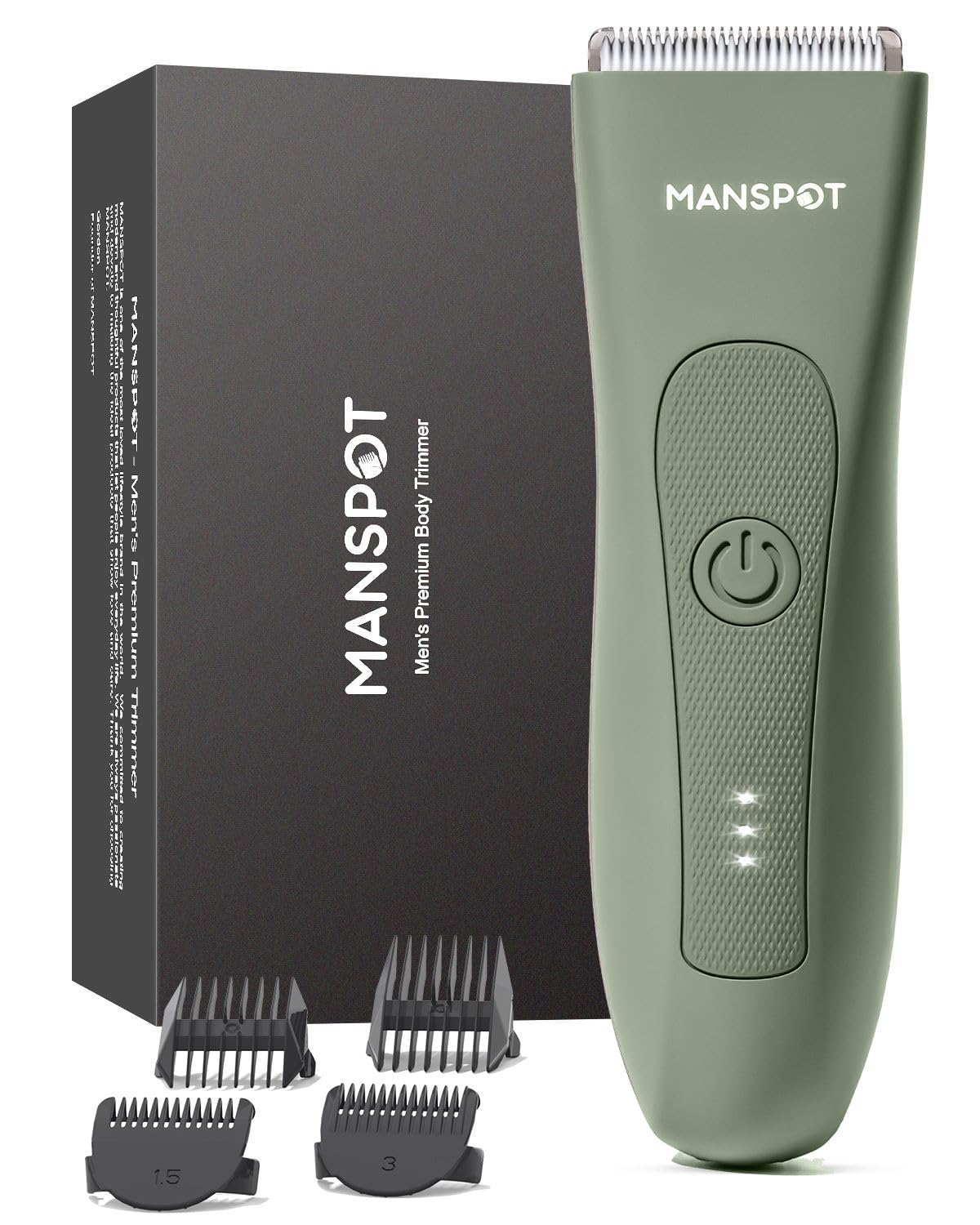
MANSPOT Electric Pubic Hair Trimmer - Waterproof Body and Groin Shaver for Men and Women (Black)
$20.39 $40
25% OFF

Lick-Safe Dog Paw and Nose Balm Stick - All-Natural Moisturizer with Coconut Oil for Dry, Cracked Pads and Snout
$11.69 $15.59
77% OFF
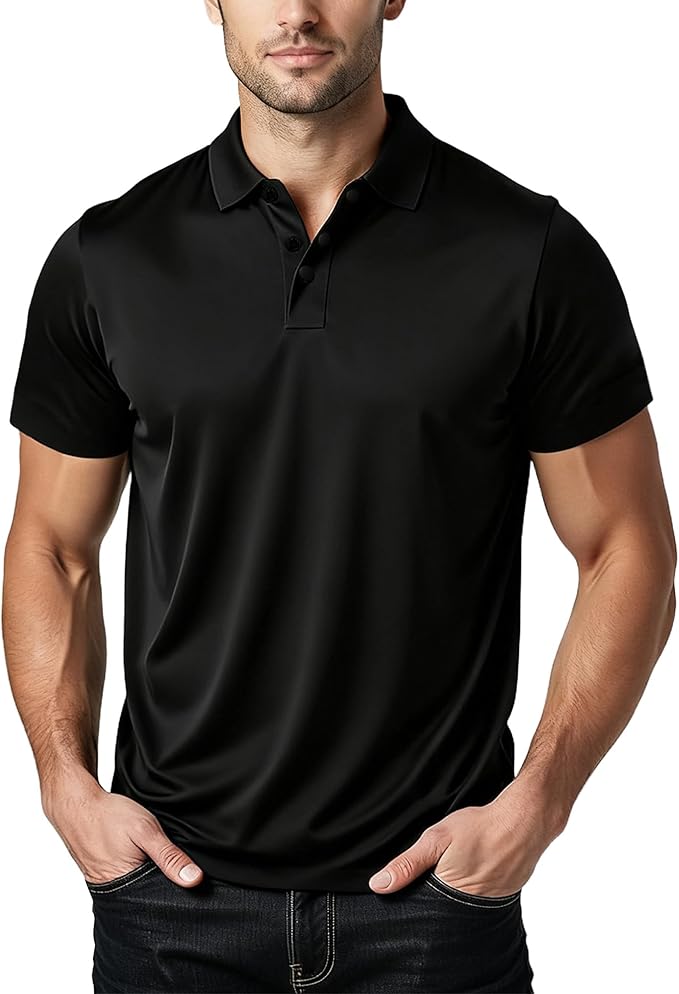
Men's Quick Dry Moisture Wicking Polo Shirt - High Elasticity Slim Fit Athletic Top (Runs Small)
$6.99 $29.99
46% OFF
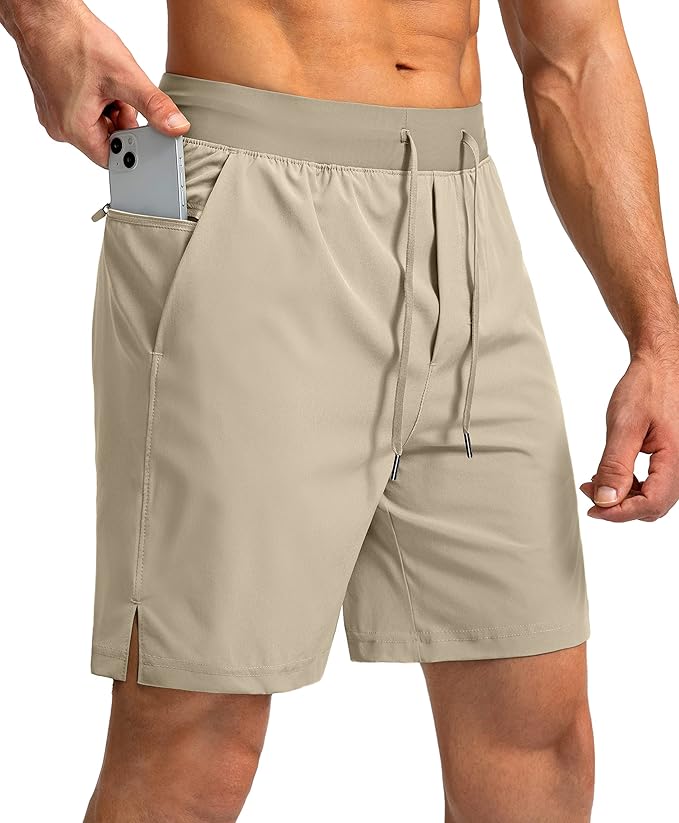
Men's Running Shorts with Zipper Pockets - Lightweight, Quick-Dry, Multi-Sport
$12.95 $23.99
50% OFF
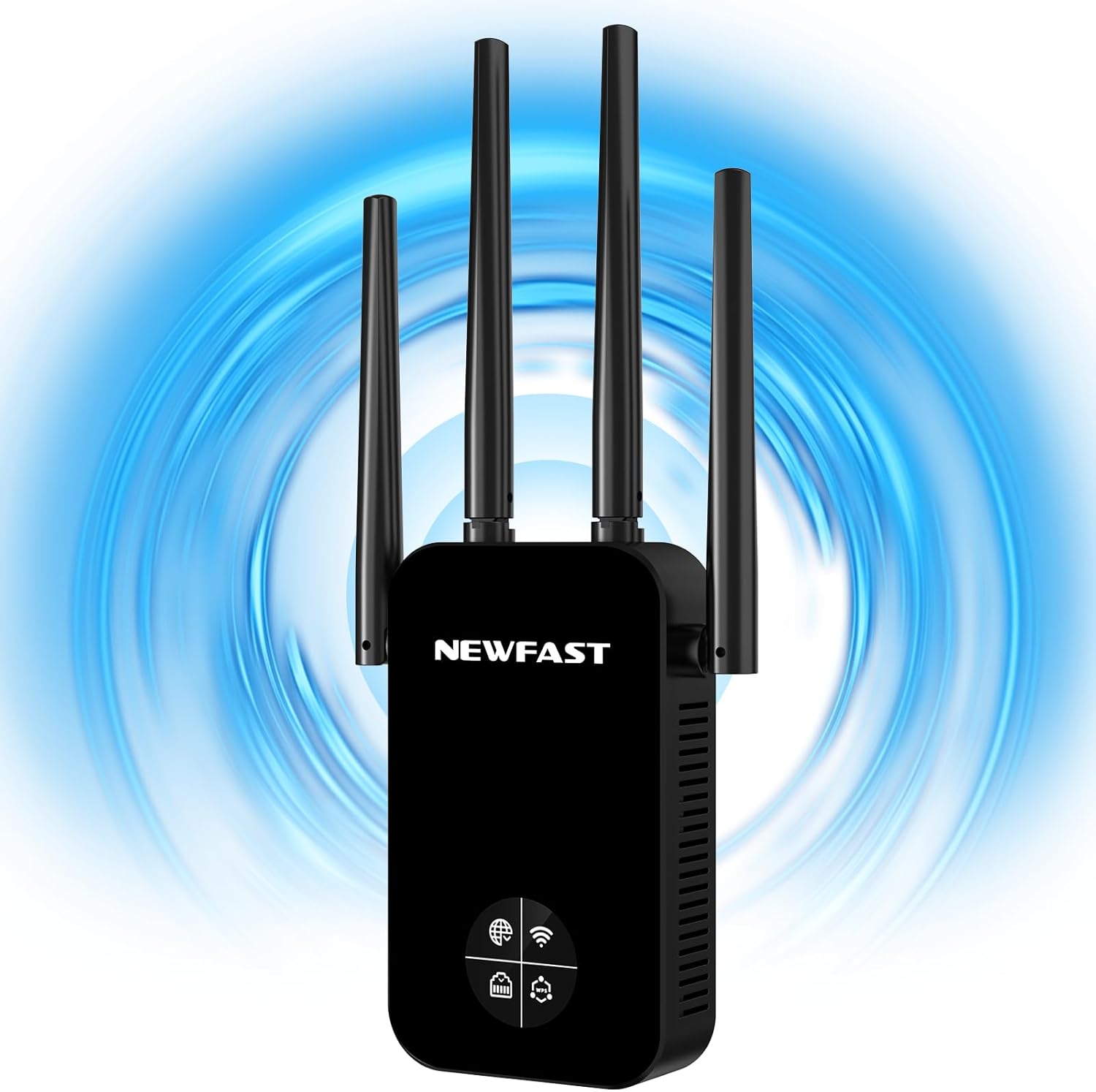
NEWFAST NF-RE523 AC1200 WiFi Extender - 1200Mbps Dual Band Signal Booster & Internet Repeater
$18.5 $36.99
48% OFF
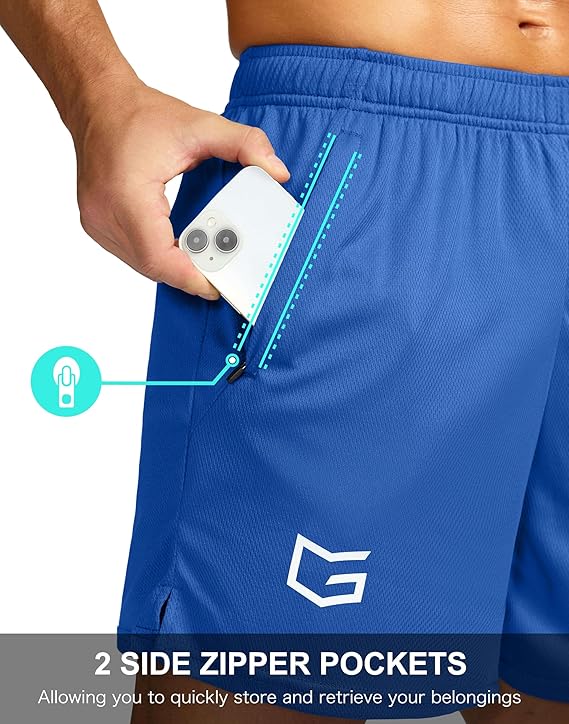
G Gradual Men's 7-inch Workout Running Shorts - Lightweight, Quick-Dry, Comfort
$12.91 $24.99
30% OFF
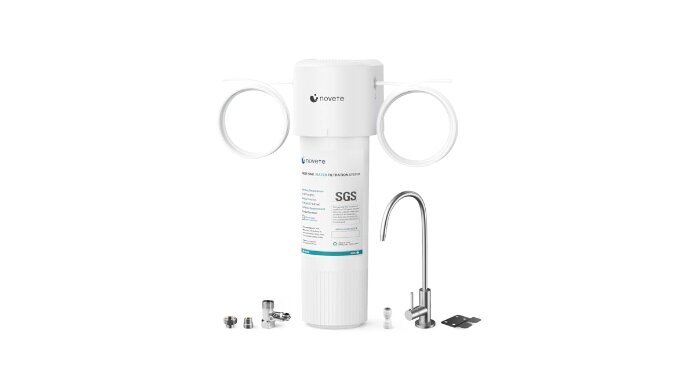
NOVETE Under Sink Water Filter - 3 Years, 30,000 Gallons, High-Efficiency Filtration
$41.99 $59.99
50% OFF

HDPE All-Weather Adirondack Chair with Built-In Cup Holder - Tool-Free Assembly (Grey)
$69.99 $139.99
60% OFF

HOMETUK Clear Plastic Storage Bins with Dividers - 3-Pack Stackable Acrylic Organizer Containers for Fridge and Pantry
$19.99 $49.99
58% OFF

G Gradual Men's Fishing Shirt - UPF 50+ Lightweight Short Sleeve Button Down with Zipper Pockets
$14.99 $35.99
55% OFF

Everyfun 60" Rectangular Platform Tree Swing - 700lbs Heavy Duty Adjustable Outdoor Swing (Colorful)
$49.99 $110.99
61% OFF

Ekouaer Women's Casual Loose Jumpsuit - One-Piece Printed Sleeveless Wide Leg Romper with Pockets
$14.99 $37.99
36% OFF

Men's Athletic Running Shorts with Zipper Pockets - Lightweight & Quick Dry
$12.74 $19.99
61% OFF

Modern Ceiling Fan with Light and Remote - Reversible Quiet DC Motor
$69.3 $179.99
50% OFF

MOOKA H13 True HEPA Air Purifier for Home Large Room - 1076 sq ft Odor Eliminator
$39.97 $79.95
40% OFF
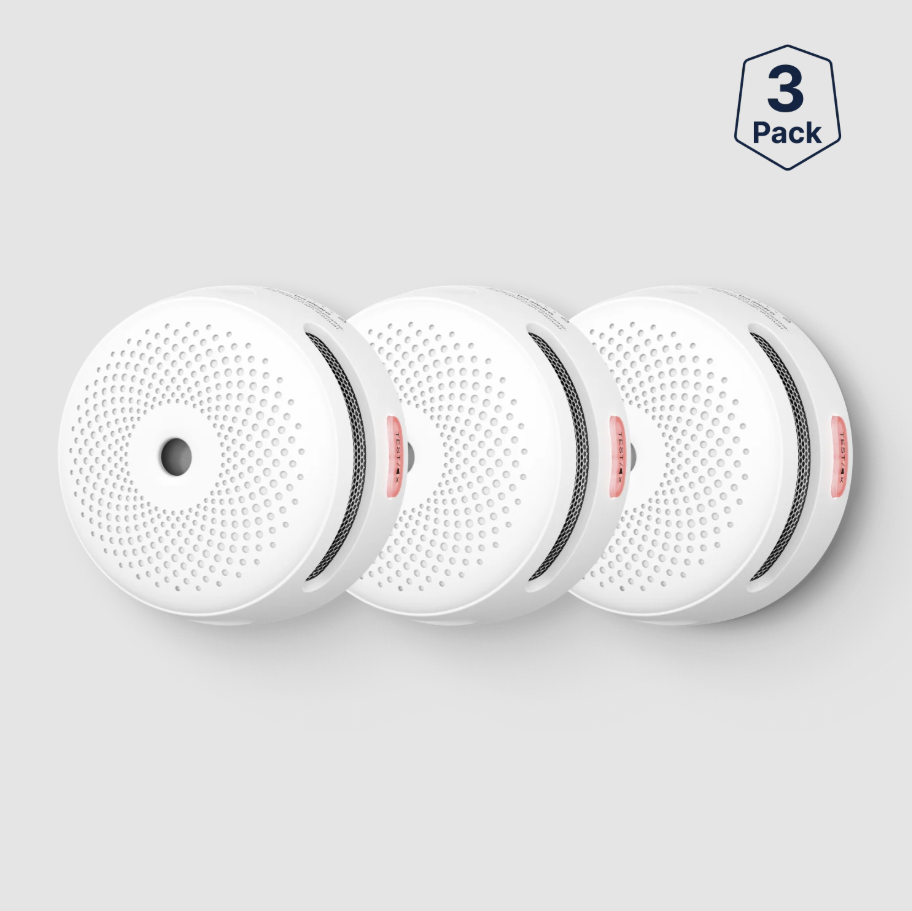
X-Sense XS01-WX Smart Smoke Alarm - 2.4 GHz Wi-Fi Photoelectric Fire Detector with Mobile App Alerts
$65.99 $109.99
11% OFF

VitaUp Beet Root Gummies with CoQ10 & Grape Seed - Nitric Oxide Circulation Support (60 Count)
$24.91 $27.91

Sealy 2-Pack Tritech 16" Twin Inflatable Air Mattress with Built-in AC Pump
$0 $113.99
20% OFF

INTEX Prism Frame 20ft x 52in Above Ground Pool Set - Round Steel Frame Swimming Pool
$695.99 $869.99

Gardner Pet 43" Heavy Duty Dog Crate with Wheels - Indestructible Folding Metal Cage (Black)
$0 $149.99




-

Diary of a CEO’s Steven Bartlett and John Lennox discuss AI, faith and the search for meaning
-

Belfast churches 'heartbroken' over unrest
-

Is there a two-tier Britain?
-

Churches must disciple well and listen well in response to rise of Christian nationalism
-

Biblical models and the creation of King Arthur
-

Welsh reverend speaks of culture of fear over LGBT issues
Most Popular
News

Gloucester churches come together to bless River Avon amid pollution concerns
It is part of a broader campaign against river pollution as concerns remain about the amount of untreated sewage in the Avon.

Life beyond burnout: how Christians can grow in the desert seasons
Christian Today speaks to author and Anglican priest Tish Harrison Warren about growth in desert seasons and why the Church shouldn’t treat all spiritual weariness as a problem to fix.

Iranian-born bishop stands in solidarity with Britain's Jews
2025 had the second highest number of antisemitic incidents on record.

Bishops protest Israeli arrest of another Palestinian Christian
An Evangelical Lutheran has been accused of "promoting terrorist activities".
MANSPOT Electric Pubic Hair Trimmer - Waterproof Body and Groin Shaver for Men and Women (Black)
$20.39
Lick-Safe Dog Paw and Nose Balm Stick - All-Natural Moisturizer with Coconut Oil for Dry, Cracked Pads and Snout
$11.69
Men's Quick Dry Moisture Wicking Polo Shirt - High Elasticity Slim Fit Athletic Top (Runs Small)
$6.99
Men's Running Shorts with Zipper Pockets - Lightweight, Quick-Dry, Multi-Sport
$12.95
NEWFAST NF-RE523 AC1200 WiFi Extender - 1200Mbps Dual Band Signal Booster & Internet Repeater
$18.5
G Gradual Men's 7-inch Workout Running Shorts - Lightweight, Quick-Dry, Comfort
$12.91
NOVETE Under Sink Water Filter - 3 Years, 30,000 Gallons, High-Efficiency Filtration
$41.99
HDPE All-Weather Adirondack Chair with Built-In Cup Holder - Tool-Free Assembly (Grey)
$69.99
HOMETUK Clear Plastic Storage Bins with Dividers - 3-Pack Stackable Acrylic Organizer Containers for Fridge and Pantry
$19.99
G Gradual Men's Fishing Shirt - UPF 50+ Lightweight Short Sleeve Button Down with Zipper Pockets
$14.99
Everyfun 60" Rectangular Platform Tree Swing - 700lbs Heavy Duty Adjustable Outdoor Swing (Colorful)
$49.99
Ekouaer Women's Casual Loose Jumpsuit - One-Piece Printed Sleeveless Wide Leg Romper with Pockets
$14.99
Men's Athletic Running Shorts with Zipper Pockets - Lightweight & Quick Dry
$12.74
Modern Ceiling Fan with Light and Remote - Reversible Quiet DC Motor
$69.3
MOOKA H13 True HEPA Air Purifier for Home Large Room - 1076 sq ft Odor Eliminator
$39.97
X-Sense XS01-WX Smart Smoke Alarm - 2.4 GHz Wi-Fi Photoelectric Fire Detector with Mobile App Alerts
$65.99
VitaUp Beet Root Gummies with CoQ10 & Grape Seed - Nitric Oxide Circulation Support (60 Count)
$24.91
Sealy 2-Pack Tritech 16" Twin Inflatable Air Mattress with Built-in AC Pump
$0
INTEX Prism Frame 20ft x 52in Above Ground Pool Set - Round Steel Frame Swimming Pool
$695.99
Gardner Pet 43" Heavy Duty Dog Crate with Wheels - Indestructible Folding Metal Cage (Black)
$0