Aid agencies have expressed concerns at a speech by Prime Minister Theresa May in which she spoke of a 'fundamental shift' in UK aid and development policy towards supporting Britain's wider national security interests.
Speaking in Cape Town on the first day of a three-day Africa tour, she said the UK would retain its commitment to spending 0.7 per cent of its national income on aid and development – a frequent target of some of her Conservative party who want it drastically reduced. She pledged £4 billion in support for African economies, but said aid had to work in Britain's interests.
The UK is to help British private sector companies invest in growing economies like Cote D'Ivoire and Senegal, while also supporting fragile states like Chad, Mali and Niger.
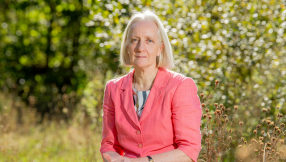
However, her linking of aid with British interests sparked criticism from Christian Aid, whose director of policy and public affairs Christine Allen said: 'Aid must not be used to simply oil the wheels of British business, but instead should prioritise the needs of those it is intended to benefit – the poorest and most marginalised.'
Allen urged the need for UK investment to support 'clean and green' development and to back small businesses, 'the engines of innovation and job creation across Africa'.
She said: 'Aid has been marred for years by donor countries putting their own priorities ahead of the needs of the countries and people who should benefit from that aid. This distorts the purpose of aid and while there may be some areas of overlapping interests, progress does not always involve "win-wins". It would be wrong to put British interests first in ways that harm the poorest. Any attempts to do so will raise questions about how aid policy is being developed and in whose interests.'
A spokeswoman for Bond, the UK network for organisations working in international development, also questioned the government's line. 'Trade and investment play an important role in helping the world's poorest people out of poverty and during times of crisis. We would however be concerned if these efforts were weighted in favour of UK trade or UK private investors at the cost of helping the poorest, most vulnerable and marginalised people in the world,' said Claire Godfrey, head of policy and campaigns.