In the age of echo chambers and the Twitterati, the Psephizo blog is something of an enigma.
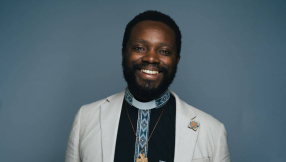
Run by the Rev Dr Ian Paul, a member of the Church of England's general synod and former lecturer at St John's theological college in Nottingham, Psephizo hosts posts that are lengthy, normally on theology, and always requiring serious thought and engagement.
Yet nearly four years after it was launched the site regularly receives more than 2,000 views a day. A recent post received more than 300 comments and while monitoring them is not quite a full time job, Dr Paul typically spends 15 hours a week writing, editing, checking the comments and engaging in the (largely informed and well mannered) debates that take place under each article.
This serious discussion, he says, is unique among similar blog sites.
Psephizo comes from the Greek word meaning to meaning 'to calculate', 'work out' or 'reckon' and Dr Paul says the debate and engagement that his blog both requires and stimulates is its main attraction.
'What my blog does is quite unusual actually in giving people reasonable, substantial pieces to get their teeth into.' He tells Christian Today he wants it to be scholarly, serving the Church and ministering. 'I want scholarship to serve ministry,' he says.
'It actually creates a forum for real engagement between different views.' Pointing to the comment threads under his pieces, he says 'they are actually people engaging seriously with people who have different views from their own.
'That is a very rare thing these days.'
The Archbishop of Canterbury has pleaded with the CofE's general synod to engage in 'good disagreement' in debates over topics such as sexuality.
'The fact that we have had to coin a phrase for what we used to call talking to people shows there is a real poverty of mutual serious engagement,' says Dr Paul.
The project has now expanded to host a 'Festival of Theology' in Nottingham next Tuesday (tickets here) covering topics from Virtue Ethics to how different personality types affect how people read the Bible.
Although most of the speakers are male, two of eight are women and Dr Paul says he absolutely does not agree with the conservative evangelical writer John Piper who this week suggested women should not be seminarians.
While the blog is conservative, particularly on issues of sexuality, it attracts readers from across the spectrum and Dr Paul says some speakers at the inaugural Festival of Theology are far more liberal than him while others are more conservative.
It comes as a theological review of the Crown Nominations Commission, the panel that appoints CofE bishops, criticises the lack of academic heavyweights among senior bishops. 'Social questions with strong moral overtones constantly trouble the wider society in which the diocese is set,' it says. 'Will the bishop have the depth of understanding to make a public contribution that will carry significant weight, and not sound to the world like a knee-jerk reaction or the echo of a slogan?' the review asks.
While Dr Paul would not be drawn on the theological skill of the current bench of senior diocesan bishops, none of whom come from a career in higher education, he does lament the 'lack of appetite in our structure for serious theological reflection and engagement'.
He says: 'There is less and less tolerance for stopping and think what are doing and why. That combines with a rapidly decline in biblical literacy that is manifest everywhere, not just in the House of Bishops but in clergy I meet everywhere.'
Members of synod are 'really dismissive of theological engagement' and see it as 'crossing the Ts and dotting the Is',' he says.
'The lack of tolerance for actually engaging really deeply in biblical studies and how that shapes us makes a difference on the ground.'
While not irreversible Dr Paul is concerned and hopes the Festival of Theology will encourage a new seriousness about theological engagement.