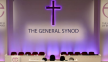
Members of the General Synod of the Church of England were under pressure as they began a week-long meeting in London yesterday.
Having lost the Archbishop of Canterbury because of his safeguarding failures, and a recent YouGov poll showing that only 25 per cent of Britons have a positive view of the Church, they were not looking for any more controversy. But with the Archbishop of York presiding, there was bound to be a certain amount of dissension.
The first vote of the meeting challenged the Archbishop of York's right to address the Synod. In a courageous and dignified speech, lay member of General Synod, Mr Sam Margrave asked Synod to vote on whether to suspend the right of the Most Rev Stephen Cottrell to give the presidential address.
Margrave told the gathered members: "An archbishop faces calls for another bishop to resign amid credible allegations of bullying, poor judgement and safeguarding failures... do we continue as if nothing is wrong? ... Moving to next business is a sensible and proportionate response to these unique circumstances, allowing us to focus on the voices and needs of victims and survivors."
The Archbishop of York was fortunate that the Bishop of Dover was chairing the debate. The Rt Rev Rose Hudson-Wilkin has recently been vocal in her support for Archbishop Cottrell and she used her privilege as the Chair to ensure there was no further debate on the matter, while making her own 'comment' on proceedings. In an intervention that was longer than Mr Margrave's speech, Synod was left in no doubt that she believed that they needed to hear from the Archbishop.
Even so, a third of members rejected her lead and could not support his right to speak. Others voted with their feet and left the chamber.
The Archbishop of York's speech, which can be read in full here, was unusually collegial. He began by asking three women, including the Bishop of London, Sarah Mullally, to lead a time of penitence and silence at the start of the presidential address as a way of acknowledging the anguish, anger and sadness felt by victims and survivors of abuse. He then deferred to the wisdom of Bishop Sarah and two of her female episcopal colleagues.
Cottrell spoke of the need for words to be embodied in action. Time will tell whether any confidence can be put in his acknowledgement that, "Trust has been broken and confidence damaged, And I am more sorry about this than I can say. I know mistakes have been made. I know that I have made mistakes. But I am determined to do what I can with the time given to me to work with others, especially my dear friend Bishop Sarah, to lead the change we all know we need."
If the polls are to be believed, it will take more than that to convince a third of Synod and three quarters of British public.